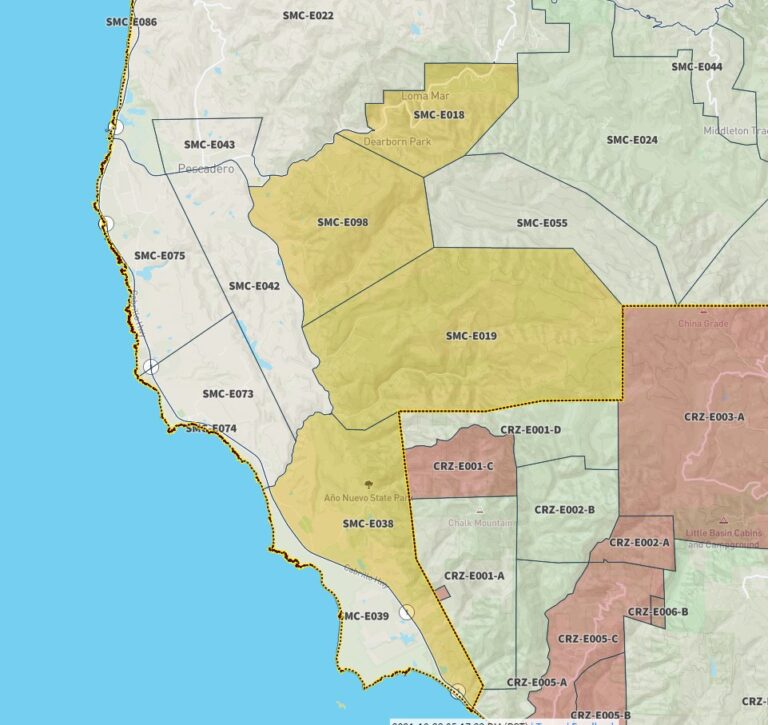
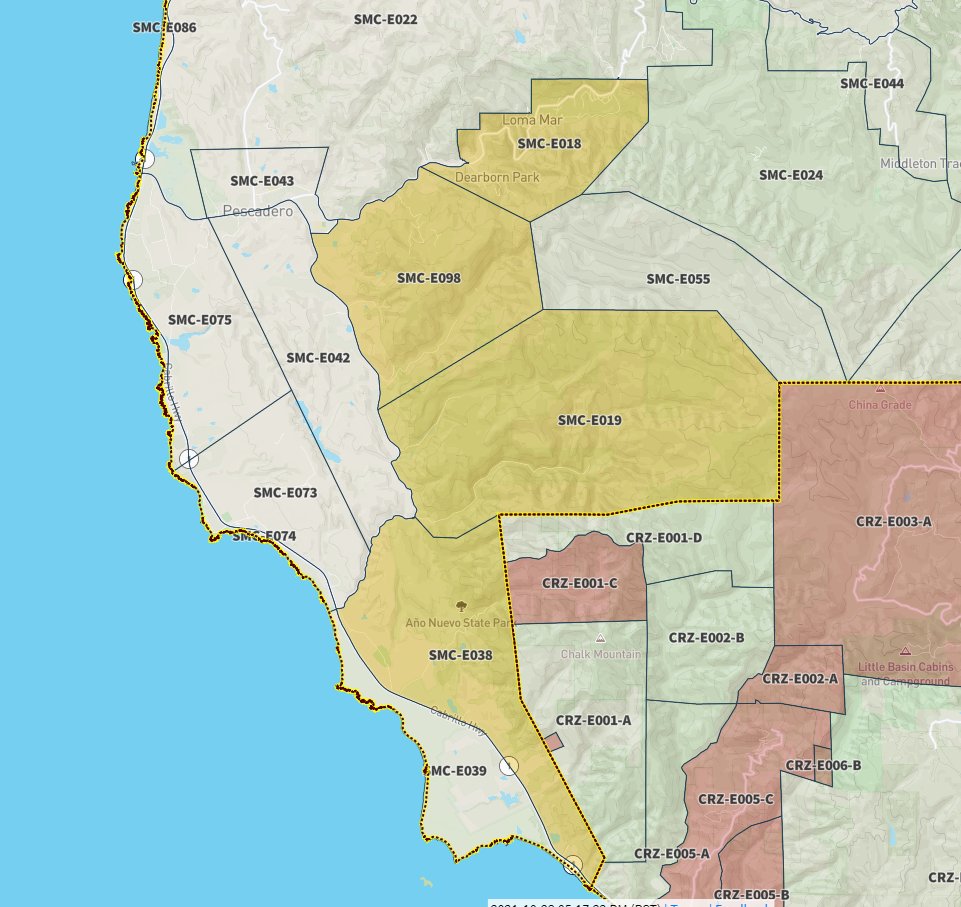
The California Department of Forestry and Fire Protection's San Mateo Unit (Santa Cruz-CalFire CZU) has issued an evacuation alert for some areas of San Mateo County due to flash flooding and high winds.
And is that the National Weather Service issued a warning for parts of the area of "CZU Lightning Complex burns", which increases the potential for debris flow, downed trees and power outages.
Evacuation alerts specifically include:
The South Coast Zone SMC-E019, which encompasses Año Nuevo State Park, Whitehouse Canyon Road, and areas south of Gazos Creek Road east of Highway 1.
The South Coast Area SMC-E038, which includes Butano State Park and the Barranca Knolls Community, west of Cloverdale Road.
The Loma Mar and Dearborn Park Communities in the SMC-E018 Zone.
Butano Canyon Community in the SMC-E098 Zone.
These areas will be updated by EVACUATION ORDERS at 8:00 a.m. tomorrow, Sunday, October 24.
"As Sunday morning progresses and winds and rain increase, downed trees, tree limbs and landslides could impede evacuations. Power could be affected. Do not wait to evacuate", warns the recently issued report.
Half Moon Bay High School will open at 8:00 a.m. Sunday morning as a temporary evacuation point (TEP) 1 Lewis Foster Drive, Half Moon Bay, CA. 94019.
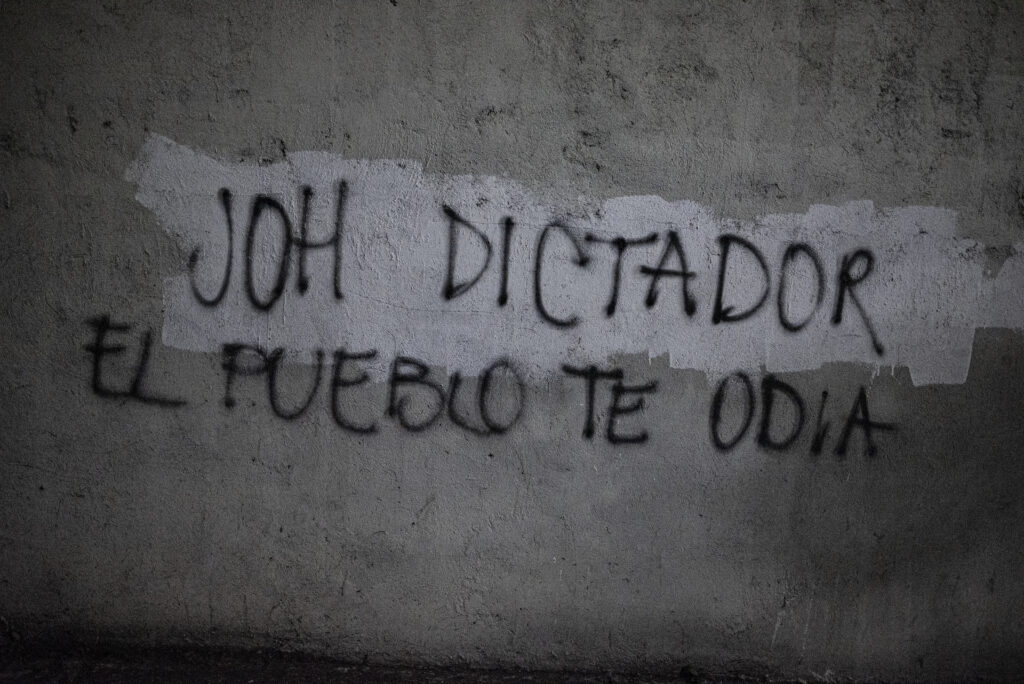
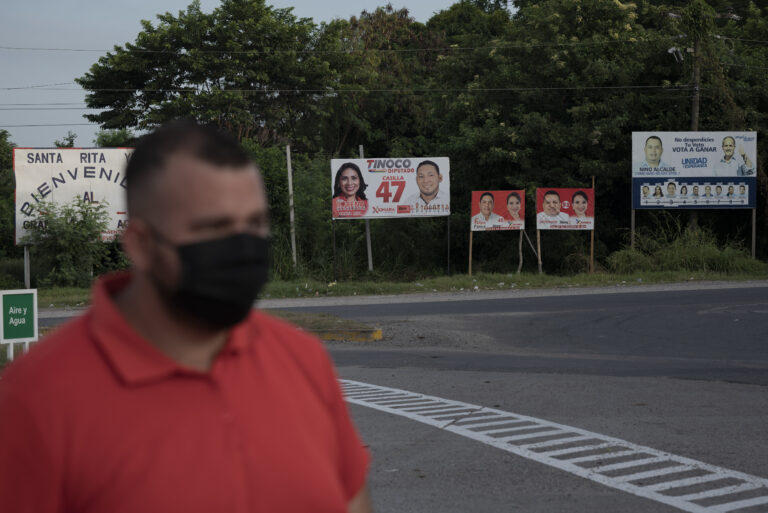
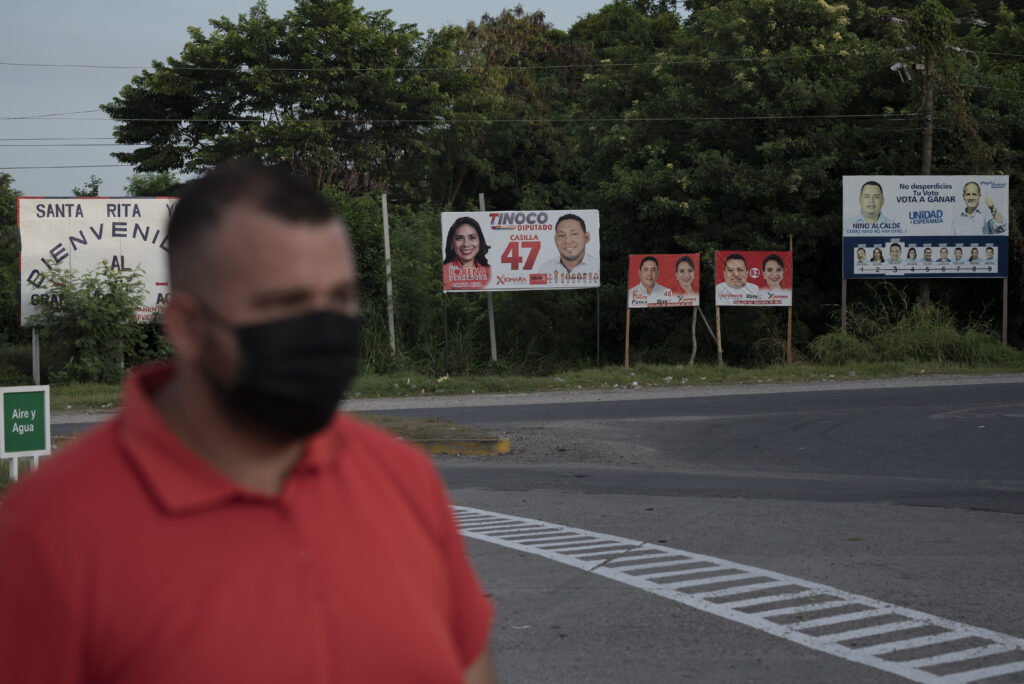
With less than 40 days to go until the general elections in Honduras, Hondurans are getting ready to choose the new president of the Republic, the deputies of the new national congress and the members of the next municipal corporations. However, there are many and diverse issues of national and international relevance and weight that are key to understanding the context in which an electoral process that will define the future of this nation is taking place.
With three presidential candidates leading in popular opinion polls, it appears that the race will be decided between candidate Nasry Asfura of the National Party, an institution that has been named multiple times in U.S. courts for ties to drug trafficking. Also, Xiomara Castro of Libertad y Refundación (LIBRE), a political party that is now part of an alliance with the Salvador de Honduras (PSH) party, and the candidate for the Liberal Party (PL), Yani Rosenthal, who a few months ago returned to the country after facing a conviction for money laundering in the United States.
These three characters go into an electoral contest in the midst of a variety of problems in which stand out the fight against corruption, against drug trafficking, the need for job creation and a set of serious social problems such as irregular migration, poverty and inequality, and the continued violation of human rights.
An electoral process marred by violence
A regrettable characteristic of this electoral cycle is the constant acts of violence against different candidates and supporters of the parties in contention. To date, more than 20 murders of people directly linked to the political institutions registered in the electoral process have been recorded.
But apart from the inter-party violence, Honduras is in a crisis of social violence due to the extractivist policies and concessions granted by the government of Juan Orlando Hernandez, which have generated a permanent socio-territorial struggle in various regions, which worsened since the military coup d'état in 2009.
A clear example of how violence towards historically excluded groups has increased in the 12 years of nationalist governments is the approval of the Special Economic Development Zones (ZEDE), a project of "model cities" or "states within a state" that directly violates the sovereignty of the country and also intensifies territorial dispossession, racism, and aggravates the poverty of indigenous and peasant communities in the country.
Many sectors consider that these elections could be the rupture or continuity of these projects that function with the logic of enclaves, taking as an example the mining and banana enclaves that promise economic development to the communities but, in reality, leave the indigenous and peasants without land, with violence and with no generation of jobs.
Poverty and Migration
In the last 10 years, Honduras has reported poverty rates around 60%, however, due to the Covid-19 pandemic and the passage of tropical storms Eta and Iota, the country has worsened economically and financially, and currently 7 out of 10 Hondurans live in poverty.
As a result of inequality and lack of opportunities, irregular migration has increased in parallel with poverty. An example of this is the multiple caravans of migrants leaving Honduras for the United States. This social phenomenon has caused more than one million Hondurans to reside in the northern country and around 500,000 to settle in countries such as Mexico, Spain and the Central American region.
Welfare votes
Within the campaign strategies of the National Party, the welfare policy of the current administration has functioned as a "vote-buying" machine. Programs such as the Better Life Platform allow the governing party to make use of state coffers and public funds to position itself in the most vulnerable areas of the country.
Practices such as the delivery of solidarity bags, sheets for the construction of roofs and even the installation of floors, have created a certain dependence on the elected; at election time these practices increase and largely condition the vote.
Manuel Ortiz, from www.peninsula360Pressand Lucía Vijil, of the Center for the Study of Democracy (CESPAD), summarize the context in which the 2021 general elections are taking place. Their analysis, aired on the U.S. radio program "Hecho en California"He closed with the phrase "Honduras has received very little attention from the international press, organizations and especially different interest groups in the United States despite the alarming situation.”.
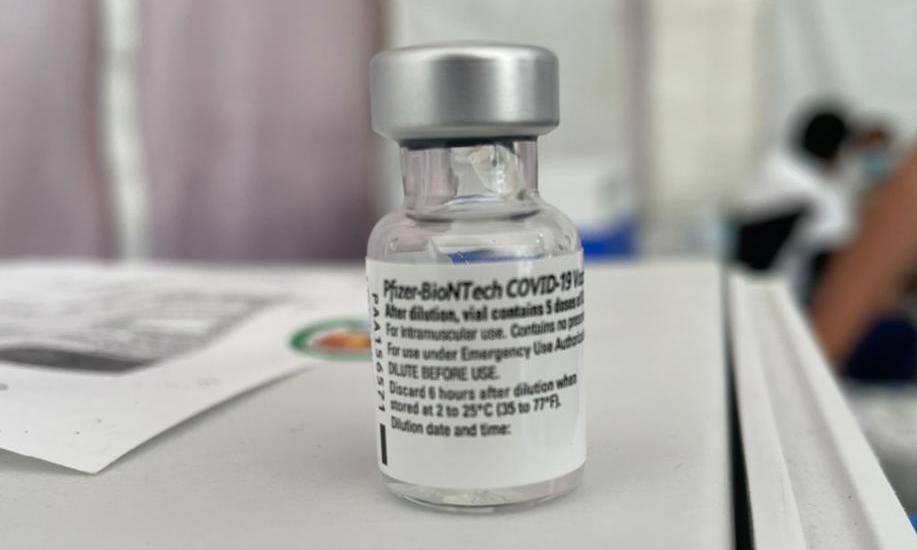
Pfizer Pharmaceuticals reported that its COVID-19 vaccine, Comirnaty, has shown 90.7 percent efficacy against the symptomatic disease in children ages 5 to 11, data that comes just days before the FDA could give it the green light.
Through a comunicadoPfizer said two 10-microgram primary doses of its "Comirnaty" COVID-19 vaccine, administered 3 weeks apart in children aged 5 to 11 years, "have shown a favorable safety and tolerability profile, robust immunity to responses against all variants, including Delta, and 90.7 percent efficacy against symptomatic COVID-19.
This, he said, is confirmed in laboratory tests, where it was found that such protection is achieved at least 7 days after the second dose.
COVID-19 is a serious and potentially fatal disease for children. Based on data from the Centers for Disease Control and Prevention (CDC), among children 5 to 11 years of age, the cumulative numbers of the disease to date are 1.8 million cases, 8,622 hospitalizations, and 138 deaths.
In addition, COVID-19 causes additional long-term sequelae, as more than 5,200 cases of pediatric multisystemic inflammatory syndrome have been detected, a condition that causes severe inflammation in some organs and tissues, such as the heart, lungs, blood vessels, kidneys, digestive system, brain, skin or eyes. This has been documented in 50 percent of children ages 5 to 13.
Thus, the pharmaceutical company pointed out that the prevention of COVID-19 will not only provide direct health benefits to children 5 to 11 years of age, but can anticipate indirect benefits in social and educational development because it reduces the disruption of education caused by outbreaks of the disease in schools.
She added that easing the back-to-school transition can also have benefits for children's families.
And he made clear that "the size of the safety database is not large enough to detect possible risks of myocarditis associated with vaccination. "For this reason, the long-term safety of COVID-19 vaccine in participants aged 5 to 11 years will be studied in 5 post-licensure safety studies."
The FDA's Vaccines and Related Biological Products Advisory Committee is scheduled to meet Oct. 26 to discuss whether to recommend licensure of the vaccine for children ages 5 to 11.
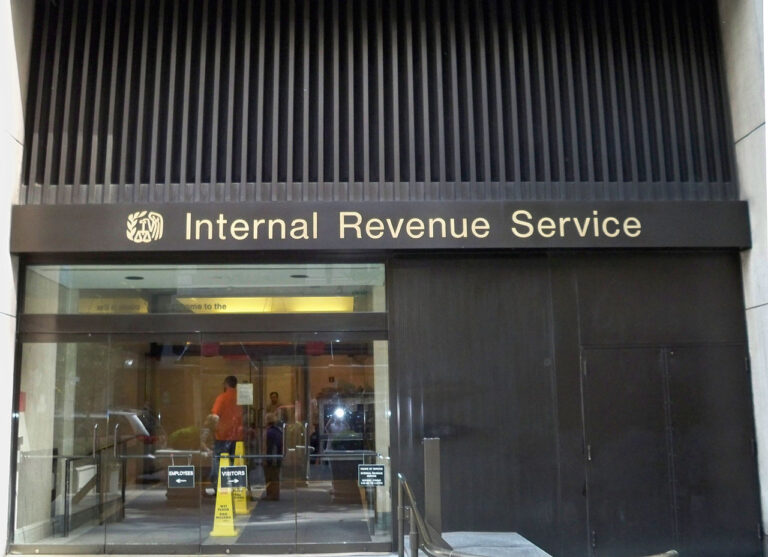
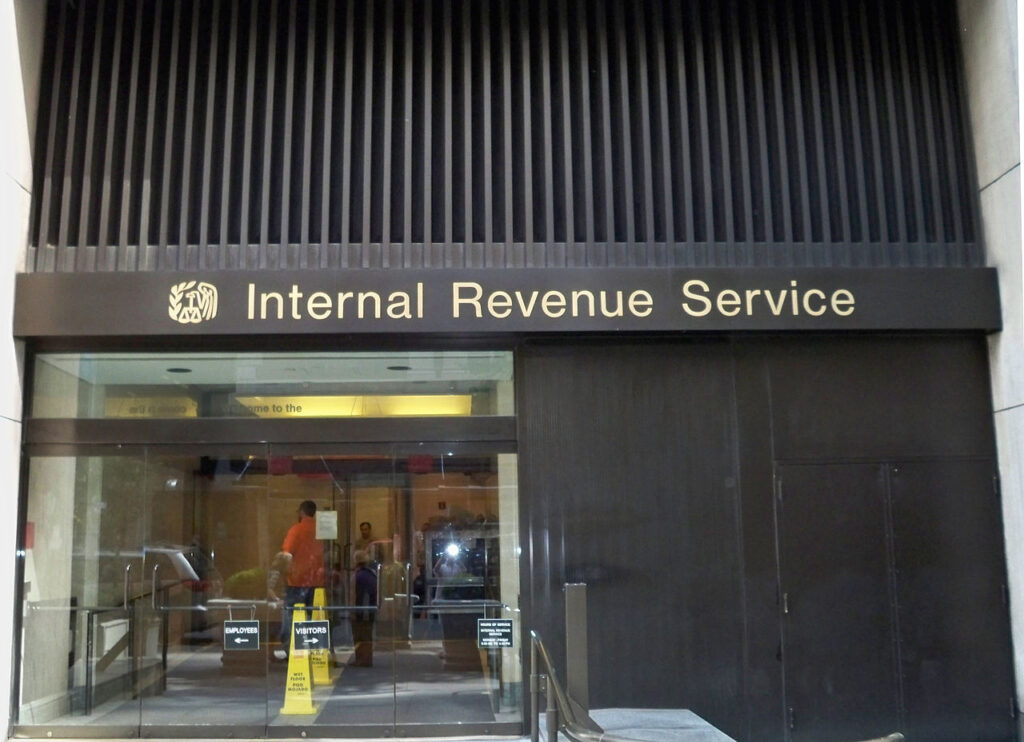
IRS experts provided an update on advance payments of the Child Tax Credit, including who qualifies, payment dates, and also presented a series of online tools to help taxpayers register and manage their payments.
Ken Corbin, director of taxpayer experience for the Internal Revenue Service (IRS) said April 15 was the date for filing tax returns; however, to give people more time it was extended to May 17.
"Many taxpayers requested an extension of time to file their returns, so the extended due date was October 15. We expect a heavy influx of returns, but we also expect the vast majority to be processed expeditiously."
As such, he said during a meeting convened by Ethnic Media Services, billions of dollars in advance payments of the Child Tax Credit have been delivered to families across the country since the end of the filing season, which is one of the most widely used credits in the U.S. and will help more than 39 million households.
The American Bailout Act of 2021 improved that tax credit, which went from $2,000 for each qualifying child under age 17 in 2020, to $3,000 for each child ages 6 to 17, and up to $3,600 for each child under age 6 for this yr.
He also explained that for this 2021 the new law improved the credit by making it fully refundable for certain taxpayers, which means they can benefit from the credit, even if they have no income, as long as they do not owe income tax.
To help people find out how to access credit, Ken Corbin shared some tools available on the site irs.govThe taxpayers can check to see if they are eligible to receive payment of this credit.
"By using the eligibility wizard, an interactive and easy-to-use tool, they have to answer a series of questions about themselves and family members, whether it's a parent or another family member, to quickly determine if they qualify for the credit."
The second tool is for non-filers, useful for those who do not have to file any tax returns and have not yet provided their information, but want to get the Child Tax Credit.
It also recommended this tool if the taxpayer had gross income in 2020 that was less than the applicable standard deduction amount, and has a principal U.S. residence for more than half the year.
The third tool he shared was the Update Portal, which allows families to de-enroll in advance payments in case they prefer to claim the full credit when they file their 2021 tax returns next year.
This tool also allows users to update other information, such as changing the form of payment from a paper check to direct deposit into the bank account, or updating their address.
Some of the new features in this portal, available in the coming weeks, are that it will allow taxpayers to add or remove descendants from the database, report a change in marital status or a significant change in income.
It should be noted that an eligible taxpayer can receive half of the 2021 estimate as an advance payment, while child tax credit payments are made in equal monthly installments from July through December 2021.
Taxpayers who have a principal home in the U.S. for more than half the year also qualify for the advance credit, even if they have no earned income.
"One important aspect I want everyone to know is that the IRS will send a letter to taxpayers in January 2022, showing the amount of the advanced child tax credit and economic impact payments they received this year."
It is very important, he said, that families keep these letters, as they will be needed to accurately fill out their 2021 federal income tax return and make sure that when they file their returns in 2022, it will match the IRS records.
This is significant for most families because the advances they receive during 2021 cover only half of the total credit they are entitled to, so they will have to file their 2021 tax return to get the other half of the credits.
In turn, Sue Simon, IRS Director of Customer Service, Relations and Education, spoke about the work that has been done at the IRS on security, with the goal of stopping identity theft and fraud, so that taxpayers can get the money they have requested.
"We're also going to have a Safety Week, where we're going to be sending out information to make sure we share that message, and that people know the steps to take to protect themselves."
He also invited taxpayers to have an active bank account because that way the return is much faster, as checks can be stolen or lost.
Finally, he urged taxpayers to verify that their Tax Identification Number is correct, and that it has not expired for tax years 2018 to 2020, which will make the refund much faster.
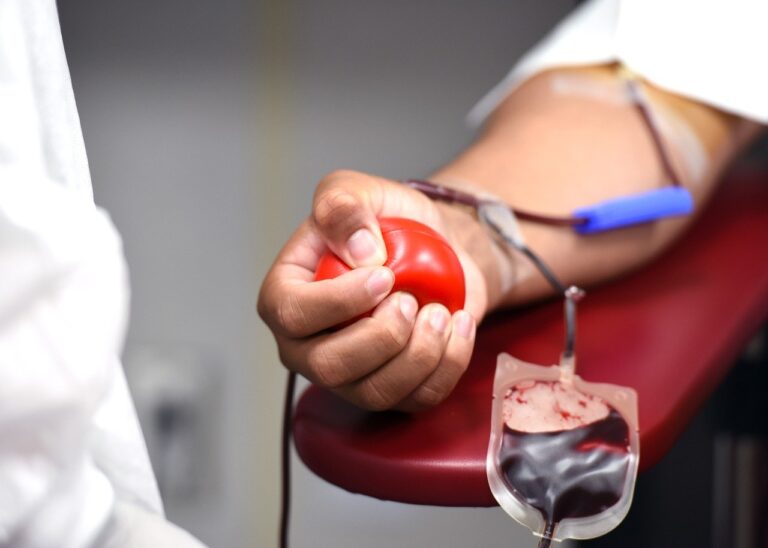
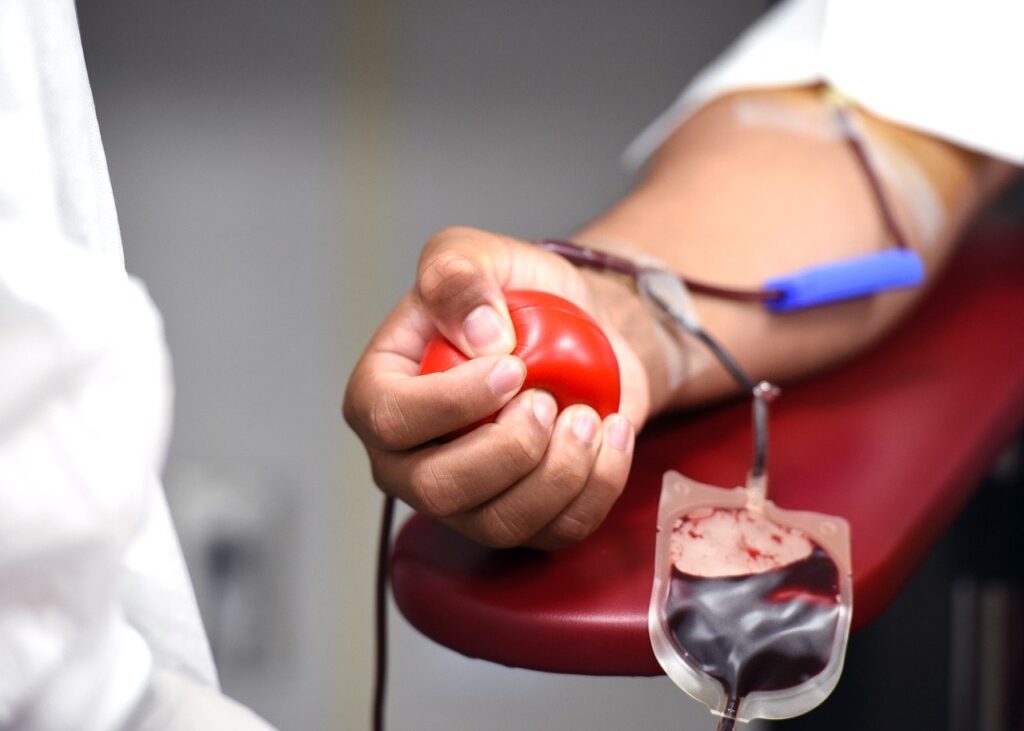
The American Red Cross has reported a nationwide shortage of blood and platelets after donations dropped due to the pandemic, but now more than ever there is a need to lend a hand to those in need by giving a little life.
According to the organization, any type of blood is required, as in recent weeks has been substantially reduced "stock" of some types, so do not let more time pass and extend the arm once again.
"The blood supply has taken a terrifying drop and is at the lowest post-summer level in at least 6 years. Your help is urgently needed to help overcome this emergency," the Red Cross highlights on its social networks.
These blood and platelet donations will help many people currently battling cancer and other serious conditions.
"For many cancer patients facing chemotherapy and radiation treatments, platelets, a blood clotting component, can help give them the strength they need to fight another day," the organization notes.
It is worth noting that, every 2 seconds someone in the U.S. needs blood and that need can only be met by generous volunteer donors.
The requirements for whole blood and platelet donation are to be healthy and well, at least 16 years old in most states, and weigh at least 110 pounds.
To know the requirements for other types of plasma, you can consult the following link click here.
It should be noted that donors are required to schedule an appointment before arriving at the campaign. Appointments can be made through the application for American Red Cross blood donorsYou can also call 1-800-RED CROSS online or by calling 1-800-RED CROSS.
California has been ranked as the state with the highest rate of anti-COVID-19 vaccination in the country, which would mean that it has given a strong setback to the pandemic, however, there are counties, such as Kern, where for various reasons the help and attention does not manage to permeate at all.
And that's because, according to Edward Flores, associate professor of sociology at the University of California, Merced, the Central Valley had one of the largest increases in COVID-19 deaths in the state between 2019 and 2020.
Kern County is known for its vast farm fields where thousands of farm workers risk their lives every day to put food on every table in the country to prevent yet another food crisis, this time a food crisis.
However, it is these essential workers who grow and process the food who today see their health compromised due to fears, misinformation, lack of transportation and mistrust.
While COVID-19 vaccines are more affordable, other factors such as paying rent, avoiding eviction, or keeping the electricity on, as well as getting transportation or simply having enough time in the day, play a role in assertively dealing with a pandemic that continues unabated.
In the face of this, the role of governments will be key to ensure that agricultural and food processing workers are not left behind, even worse off than before the pandemic.
"Farmworkers experienced a much higher risk of death from COVID-19 in 2020 compared to other workers, who are particularly disadvantaged."
During a briefing with the media held by Ethnic Media ServicesThe expert noted that in the U.S., farmworkers continue to have the lowest vaccination rates, "but that's not necessarily the problem in itself. This is just a symptom of the problem, because the full household survey tells us that vaccination rates are indeed the lowest among people who lack health care and who also experience food and housing insecurity.
Thus, the Central Valley had the largest increase in deaths in the state between 2019 and 2020 with a 26 percent rise, and young people are the most affected.
Zooming in on the counties, Flores said that of those 12 counties with the highest increase in deaths between 2019 and 2020, eight of them were in the Central Valley.
Along those lines, Kern County had a 23.5 percent increase in COVID-19-related deaths between 2019 and 2020. Between March and December 2020 alone, the county reported 1,230 deaths, which accounted for more than a quarter of the state's pandemic-related deaths." It was the second-highest rate, second only to warehouse workers," he pointed out. "When we look closely, we see that Kern County had a 37 percent increase in mortality between 2019 and 2020."
Added to that, 67.3 percent of these workers are immigrants who earn low wages, live in rented, overcrowded homes and with children. "There are still some very significant differences between agricultural workers and other high-risk workers because of the social inequality they face.
According to the U.S. Census Bureau, only fifty percent of farm workers nationwide have been vaccinated. And this figure is much lower than any other core group or non-core workers who have a vaccination rate of 84 percent.
Flores said vaccination rates vary by diet. "People living in households with sufficient amounts and types of food had vaccination rates of 88 percent, while those who didn't have that condition averaged 56 percent.
But food is not the only factor, as lack of access to health care is also a factor. And in those who add these two characteristics together, vaccination levels are 39 percent, Flores said.
"The disadvantages are most evident in people without health insurance and often don't have enough to eat." In addition, people who thought they would be evicted had lower rates of vaccination. And those who thought it was "very likely" they would be removed from their homes in the next two months had vaccination rates of 35 percent."
In view of this, said that improving vaccination rates and reducing the spread of COVID requires more investment in expanding the safety net, which would involve raising wages for undocumented immigrants, extending sick leave, and improving the distribution of rental assistance, especially for tenants who are at risk of eviction.
For Juana Montoya, regional coordinator of the organization Líderes Campesinas, and resident of Arvin, a small farming community in Kern, the conditions faced by thousands of farm workers are not the best.
The daughter of farm workers, she dropped out of high school during her freshman year to work in the fields, due to economic problems: she began picking cherries, blueberries, peaches and peppers.
Juanita, as those who know her call her, knows firsthand how hard it is to work in the fields, even facing the bitter cold and getting sick a couple of times during the pandemic.
Her day, along with that of her husband, begins at 4:30 in the morning, to take public transportation with great fear, not knowing if anyone nearby has had COVID, she denounced.
The impact of the pandemic on women farmworkers has been severe, she said, as many have not yet been vaccinated due to misinformation and myths circulating in their communities and on social media about the vaccine.
In talking to the workers, she says they point out that "there is no chip that registers them, there is no negative effect, there is no loss of fertility, and we build trust with them," which has made some of them change their minds, or at least think about it.
He pointed out that since many of them are undocumented immigrants, they are afraid of getting vaccinated because they have to register with the government, which, according to them, could lead to deportations. In addition, a large majority of these workers do not have access to the internet, not to mention the language barriers.
Montoya added that it is necessary to have transportation to get the vaccine, since many of them do not have the means to travel to a vaccination site and return to work.
Despite the difficulties in getting information to them, teams of health volunteers have been sent to their work sites to answer their questions and provide them with resources.
"For Líderes Campesinas, the best approach to expanding the vaccine has been to bring education and the vaccines themselves directly to the community. We strive for equity, not just in numbers, but in quality of care and encouraging people to make informed decisions, which is why, since the beginning of the pandemic, we have found that a great deal of information regarding COVID-19 and vaccines was and is scarce in our communities."
He acknowledged that Kern County was among the hardest hit counties and that trusted messengers from community organizations are much needed to combat misinformation and fears.
"We are working toward system change so that our communities thrive and protect the public's health."
Margarita Ramirez is a community worker at the Mixteco Binational Center; her job is to speak and provide information about vaccines to farmworkers in Kern, as well as to make them aware of their labor rights.
"This pandemic has affected them because their hours have been reduced, and mainly because they are forced to go to work, even if they are sick with COVID," she said with concern.
He added that the effects have been greater among the Mixtec community, due to the lack of personnel who speak their language. "Mainly because they don't understand their rights and there are many people who take advantage of that, mainly the employers.
He noted that the help from the state government has come only for some, as most do not qualify for the programs, either because they do not have children, or because of taxes, among others.
The misinformation occurs on a daily basis among the workers themselves, she says, because among them they say that vaccines kill, or that if they get them they can become sterile, "or that you're going to become a zombie," so it is important to work in the field and provide them with adequate and accurate information in their own language.
Sarait Martinez is executive director of the Binational Center for Oaxacan Indigenous Development. For her, the disparities of indigenous communities in the U.S. were accentuated by the pandemic.
He recalled that a quarter of the farm workers in the state of California speak indigenous languages, which limits access to information for this community. Many times, messages are translated from English to Spanish, but many of the concepts do not exist for these communities.
"So finding the right terminology and how we explain things is completely different. COVID-19 only exacerbated inequalities."
This, she said, limited aid and resources to financial assistance, eviction, prevention and food security, "even though the resources are there." "It's impossible for our community to navigate and have all the requirements to go through the process, because the institutions are not equipped to serve our community in their language and culture."
In addition, many of the indigenous agricultural workers had no formal education. Therefore, reading and writing is another limitation.
Punjabi community in the food sector of Kern
Naindeep Singh, executive director of the Jakara Movement, recalled that the Punjabi community dates back, at least in the agricultural sector of Kern County, more than a hundred years, where permanent settlements began to emerge in the 1950s and 1960s, linked to some of the largest agricultural enterprises in the area.
He pointed out that the present situation of Punjabi workers is changing rapidly as, although exploitation is also widespread, the youth who used to work as farm labourers have migrated to a new model in the food sector with a focus on marketing of produce.
However, those who tend to still go to farm work are the older immigrant working class, although they are not the only ones, as a large number of young undocumented women work in various food plants.
In terms of how the pandemic has impacted them, he said, at least in Kern County, "it's been kind of a patchwork in terms of what the situation looks like on an individual factor, however, on a macro level, it's more what businesses are doing."
In that sense, he noted that, for various reasons, these companies have flatly refused to make the vaccine available to them, so he considered that ultimately it will have to be a mandate for all employers.
"If we're really going to move the needle on ensuring the health and well-being of our communities, I think that has to go hand-in-hand with language and education as well."
With less than 40 days to go before the general elections, the purge of the electoral roll and the delivery and definition of whether Hondurans will vote with one or both identification documents continue to generate uncertainty because these two situations, in past electoral processes, have contributed to generating corruption and a lack of transparency in the final results of the vote.
Both aspects are crucial and cause great concern to citizens, since they are a kind of “Achilles heel” in the electoral processes in Honduras.
Delays with the DNI
The process of enlisting Hondurans and the delivery of the new National Identification Document (DNI) have had some delays in the fulfillment planned in the electoral calendar, due to the obstacles generated by the National Congress with the aim, say some people consulted, of boycotting the elections of November 28, 2021.
According to the National Registry of Persons (RNP), more than 5.3 millions of Hondurans enlisted before September 23. That number represents 99% of the total number of enlistments throughout the country, according to the RNP, and of these people 2,817,697 are women and 2,581,145 are men.
Official data show that more than 100,000 have been delivered. 4 million of the new DNImissing the delivery of a few 900,000 new identities, a figure confirmed by the RNP on October 16. However, of that number they will have to be debugged from the census some sectors that cannot exercise the right to vote: police, military and those deprived of liberty.
The presence of deceased persons and migrants in the national electoral census has traditionally fueled suspicions about the risk of voter fraud, as happened in the 2017 elections. In those elections, the RNP estimates that up to 30% of the total census had these problems. But, for the 2021 elections, this entity indicated that there are around almost 700,000 fewer voters, after updating the data and leaving out deceased persons and migrants.
Current ID card validity extended: Is it possible to vote with two identities?
But in this scenario, the number of new identification documents that have yet to be delivered is a number viewed with suspicion and nervousness due to the little time left before the general elections are held.
The extension of the validity of the current identity, until 15 November, is causing a lot of concern because it is considering the possibility of voting with two identification documents on November 28.
The extension The use of the current ID will be for commercial transactions and not for voting in the elections, said Tomás Zambrano, secretary of the CN, to the media, so that the idea that voting with two identities will not be possible is maintained, at least for now. Likewise, the CN decided to extend the validity of the current identity card for Hondurans abroad for 180 days.
But other political voices have denounced that, less than a month before the elections, the new extension of the use of the current identity document, which extends until 13 days before the vote, generates uncertainty because there is a preconceived plan by the governing party for voting with identity documents, on November 28.
Sociologist Eugenio Sosa, in a recent analysis for CESPAD, predicts that it is likely that the National Congress, in its anti-election crusade, will reach “approve that Hondurans can vote with either of the two identification documents, which will reload the problem of the transparency of the electoral process and its results”.
Despite the above, the president of the CNE, Kelvin Aguirre, has expressed in the media that “There can't be two ID cards; we reject that. You have to go to the election process with only one document.”.
In this same sense, the member of the CNE Advisory Committee, Carlos Ortiz, indicated that “The person who was not registered will not appear in the new National Electoral Census and consequently will not vote.”, as they do not have the new DNI, so they will not have that opportunity to vote with the current identification
Vaticanio
Luis Redondo, a member of the Innovation and Unity Party-Social Democrat Party (PINU-SD), maintains that the electoral roll purge process is still incomplete and that this situation could lead to situations or characteristics similar to those that occurred in the primary elections, held in March 2021.
But the congressman goes further and predicts that what happened in the primary elections is planned for the general elections because he is convinced that there is no purge of the electoral roll and the total delivery of ID cards is not complete.There were Hondurans who voted in this year's primaries with a copy of the application for the new DNI, with electricity bills, and, in addition, at tables that did not correspond to them.«.
For this congressman, it is evident that the National Party has put obstacles in the way of the electoral process through delays in the approval of the new Electoral Law, the disbursement of the budget to the National Electoral Council (CNE) and RNP; the budgetary control of these entities and even the failure to approve the Electoral Justice Law. But he also claims that other political parties have formed a “co-government” and have helped make the electoral panorama dubious and not credible.
He puts another problem on the table for discussion that, he says, could tarnish the result of the elections: the voting of young people who will vote for the first time. “They are not registered, so they do not have the Voting Boards assigned to them.” This indicates, he notes, that the census purge is incomplete and there is no predictability of the registration data due to the fact that both “the RNP and the CNE are led by the three political parties…", referring to the National Party, Liberal Party and Liberty and Refoundation (Libre).
The RNP is not working at its maximum capacity and, according to Redondo, it has received complaints indicating that the customer service offices close at 12 noon, and other cases in which people cannot find their identification in the indicated places.
Everything is going well!
Redondo's statements contrast with the version of Rolando Kattan, Commissioner of the (RNP), who assured in an interview with CESPAD that the 2021 elections will not contain the same errors as in 2017.
“It is important that they trust the electoral process,” said the commissioner, adding that there are already “99% Hondurans who have registered” and that they will have the new DNI. In addition, he added that they do not have “for certain” the total number of people in the territory, that is, how many inhabitants Honduras has. But he insists that they have met the objectives despite the problems generated by the pandemic, hurricanes Eta and Iota, and the delay in the delivery of the budget for the optimal development of the electoral process.
He also invited all Hondurans to obtain an ID card, since one day after the legislative decree expires, "the previous identification will no longer be valid and Hondurans will not be able to use it for any banking transaction or administrative procedures."
Some costs related to the DNI
Through the so-called Identifícate project, the RNP would be working with the United Nations Development Programme (UNDP), with loans from the CABEI and national funds in the process of providing the new identification document to 5.5 million Hondurans who are of voting age during the elections in November of this year.
The total cost of this process is 63 million dollars, plus 9 million dollars due to the time lag in the enrollment and delivery of the DNI. Meanwhile, the cost of each identity card is $ 1.88 (around 47 lempiras).
Other costs, always in the enrollment process, include, according to Kattan, the mobilization of 400 people, 300 vehicles, 1,500 kits. Also, the expenses for the issue of Covid-19 and biosecurity protocols, masks, alcohol, thermometers, chlorine and others for the enrollment process.
The RNP commissioner, Roberto Breve, indicated that at least 300 thousand identification cards are pending, which will come to the country in two batches from the factory in Poland in the month of October.
Inconsistencies
According to the consulted commissioner, up to now the electoral census has been purged in 99%. Of that percentage, the same RNP reported that they learned of 400,000 inconsistencies related to the validation of data of the Hondurans enrolled. Likewise, they verified more than 80 thousand cases of errors in the identity cards, with the purpose of validating data to be able to correctly print the new DNI.
These inconsistencies have been another delay in meeting the stipulated date for the full delivery of the 5.3 million ID cards.
UNDP representative Richard Barathe ruled out that the new identification document would create any kind of flaw in the electoral process because he claims that it is an “ultra-secure” identity because the registry database created is of the highest quality.
"Those who did not show up did not register, and those who did not register do not have an ID. The dead who did not register and the foreigners who did not register are not in that registry database, therefore, they will not come to the voting centers to put their fingerprints," he said, adding that it is a step forward to achieve clean and transparent elections.
Foreign voting
Another issue that represents a problem is the lack of delivery of DNI to the Honduran migrant community residing in the United States, Canada and Central America. According to the RNP, the number of Hondurans living abroad who would be participating with their votes in the elections has tripled. The authorities affirm that 16,000 citizens who live outside the country have enrolled.
However, it is estimated that there are at least one million Hondurans living in other countries who, according to migrant community leaders, are becoming “doubly undocumented due to the government’s lack of action,” since without an ID card they will not be able to vote or carry out personal procedures or errands.
According to the RNP Commissioner, Oscar Rivera, the delay in the delivery of the new DNI to Hondurans abroad is the responsibility of the Ministry of Foreign Affairs, since they have consulted them on the subject, through “six notes” and, however, have not received a response. Rivera maintains that “the identities of the Hondurans who enrolled are already printed, but there is no joint work schedule to send them through the consulates.”
The fraud of 2017
From the CNE, Rixi Moncada, in her capacity as counselor, says that there is significant progress towards the fulfillment of a clean and satisfactory electoral process, with the purging of deceased persons and citizens who have migrated. "In 2017, a verbal purge was carried out, a legal requirement. Now in 2021, it was a registration of citizens in the field, a physical verification that provides greater security," she affirms, when consulted by CESPAD.
Various forms of fraud were reported, Moncada explains, including fraud in the national electoral census, the buying and selling of votes, rigged special vote counts, the transmission of preliminary results and more than 600 votes lost.
The councilor is confident that, for the 2021 general elections, the electoral base will not have deceased or migrants, since the identification process was done in the field, and with that base the definitive census will be prepared, after reviewing, evaluating and qualifying the records that the RNP will send to the CNE.
"The process of issuing the DNI by the RNP has enough time for mass delivery and in this way it will achieve the result that would mean that all Hondurans have their identification "freely to exercise their right to vote," he commented optimistically.
However, he says that if all the cards are not delivered, the situation will become a problem that involves violating the right of citizens to carry their identification document, the only valid one for voting. Despite the successes and setbacks, Moncada agrees that the general elections should not be held with two identities, for “the security and fairness of the process.”
Electoral reforms
Due to the serious allegations and irregularities with which the 2017 elections were carried out, organized civil society, the political opposition, some international organizations and other countries called for an urgent change in the electoral legislation in its entirety. Thus, reforms and proposals for improvement began to be heard and known, with the aim of not repeating the errors of that year.
One of the main reforms requested at that time was precisely the way to purify the national electoral census, and even the need to issue a new identity card as a way of purifying the electoral roll and having more precise data on the true number of inhabitants in the territory.
Thus, with just a few weeks to go before the November 28 elections, it is essential to complete the delivery of identity documents to those registered and ensure that Hondurans will attend the general elections with a clean register, in order to greatly eliminate the possibility of another possible electoral fraud.
The Congolese community in the U.S. has been steadily increasing in recent decades. Most of them are refugees and asylees fleeing armed conflict in their country, and must adapt to a new culture now impacted by the COVID-19 pandemic.
Language barriers and segregation, as well as little or no access to media, have left many relying on the voices of their community, including religious, nonprofit, and civic organizations, for information essential to their well-being.
During a meeting with the Centers for Disease Control and Prevention (CDC) and leaders of the Congolese community in the U.S., organized by Ethnic Media ServicesThey recount their experiences, challenges and barriers during the pandemic and their access to vaccines.
Pandemic Affected Congolese Community in Georgia and Washington
From Ntumba, president of the Congolese Community in Atlanta (COCOMATL) said that there is a large population working on farms in Georgia, and when the COVID-19 pandemic started, many of them did not even have the proper equipment to work.
To date, he said, there are probably between 15 and 20 deaths related to COVID-19 due to the negligence of the companies, and although they followed up to try to improve their working conditions, they did not get a response.
Floribert Mubalama of the Congolese Integration Network in Washington (CIN) said that in 1980 there were 10,000 immigrants from sub-Saharan Africa in the U.S., but today there are 2 million refugees who are being treated poorly.
"The laws and policies have changed since we started coming to this country. Previously the U.S. used to provide two years of assistance to all immigrants and refugees, but since the Congolese started arriving, it went from two years to three months."
He added that they are coming from a country torn apart by war, but they are not taken into account, they are not well represented and they are marginalized, because health and housing policies are not working as they should to enable them to empower themselves.
For Aaron Johnson, manager of CIN's Board of Health and Family Advocacy Program, the large community of Congolese come from refugee camps who, having fled their homes because of war, arrive in the U.S. in constant fear and live in sustained trauma.
Added to this is the stress of starting a new life in a country with a different language, that functions differently, which generates the so-called "trauma of integration", where many may relapse into drugs or alcohol.
Similarly, he said, there is also the problem of access to information. Many have to rely on what their families say, some community leaders or what they see on their phones, yet many do not know what is really happening with Covid-19.
Refugee women in Congo, pandemic and vaccination
Anne Marie Wamba, a psychologist and nurse in Boston, said that one of the challenges in the community has been the stigmatization of the disease; many don't seek help or don't want to talk to someone who can support them when they have a problem.
This, he added, has also been compounded by domestic violence and substance abuse among the community because of the pandemic; in addition to the difficulties in getting the treatment that is required if they become ill, and people then have to deal with feelings of fear, anger, sadness and frustration.
Similarly, he agreed that the lack of information on the subject has been another challenge to overcome, because many people were incredulous and thought that COVID-19 did not exist, and were reluctant to get tested or get the vaccine.
In that regard, Natacha Nikokeza, of the North Carolina Center for Newcomers, said she realized early on in the pandemic that many people didn't take the disease seriously; they needed information to come from people in the community and in their languages.
"It was really hard for us to fight back and make sure people understood. We went door to door with the information coming from community leaders, people they trust, which really turned around the education we were providing."
While when it was time to get vaccinated, she shared photos and videos so that everyone could see that it was something that was okay to do; which influenced them to be more open to getting vaccinated. However, many people didn't have transportation to get to where the vaccines were, so they worked to get them out into the community.
"We're definitely seeing the light at the end of the tunnel because people are starting to get the vaccine and seeing that it's working. I'm starting to get hopeful that we'll continue to see people open to getting vaccinated as we continue to bring them the vaccine and talk to them about what's going on."
COVID-19 and misinformation among the Congolese community in the U.S.
Bibi Ndala, a researcher at the NYC Department of Health and Mental Hygiene, commented that an important issue is to have truthful information about COVID-19 through the same channels that are important to the Congolese community, such as social media.
"Most of these people are receiving misleading information that is being shared by family members and is coming straight to their phone. It's an opportunity we shouldn't miss, campaigns tailored and adapted to be used through those channels, it's worth exploring."
According to Martha Kabengele, a graduate nurse in the medical-surgical unit at White Oak Medical Center in Silver Spring, religion is very important in the Congolese community, so you also have to find a way to reach out to religious leaders and make sure they are the first to understand the problem.
In that sense, he added that the influence of religious leaders is so great that he could assure that if a pastor stands up in front of the community and invites them to get the vaccine, many people in the congregation would do it without hesitation.
In that sense, Pastor Prince Mundeke Mushunju said that in the Congolese community almost 80 percent are religious, they attend church every Sunday. Although at the beginning of the pandemic the pastor was also skeptical of the disease, it was only when he contracted the disease and had to be quarantined with his family, a process he documented in a video, that he really realized the reality.
"Many people also often think that vaccines have the mark of the beast. Many of them came from refugee camps, they can't write or read, so when they go to work they hear false stories of people dying from the vaccine.
Thus, he is aware that he must preach about the need to be vaccinated. "It's not about us, it's about everyone around us. So we go to work. So we discuss these issues and every day we share information with our community," she said.
Official information, an arduous road to reach out to the community
Emily Jentes, Director of the National Resource Center for Refugees, Immigrants and Migrants (NRC)-RIM has a cooperative agreement with the CDC to serve all of these communities.
The Center has a number of initiatives related to vaccines and COVID-19, such as communication materials, which focus on their specific experiences, to ensure that information is culturally appropriate for communities.
One of the key tools, she said, is the Makespace campaign, which allows communities to create and customize their own vaccination campaign.
"All of this is really designed to engage community members, to talk about the issues that they're facing, as well as being able to design products that really make an impact among their members," he said.
With such a diverse community, Redwood City is gearing up to celebrate and enjoy the Day of the DeadCasa Círculo Cultural, a traditional festivity of Mexican culture in which those who have passed away are remembered with love and affection, and Casa Círculo Cultural (CCC) is ready to share with the residents various activities that will be crowned with a great celebration.
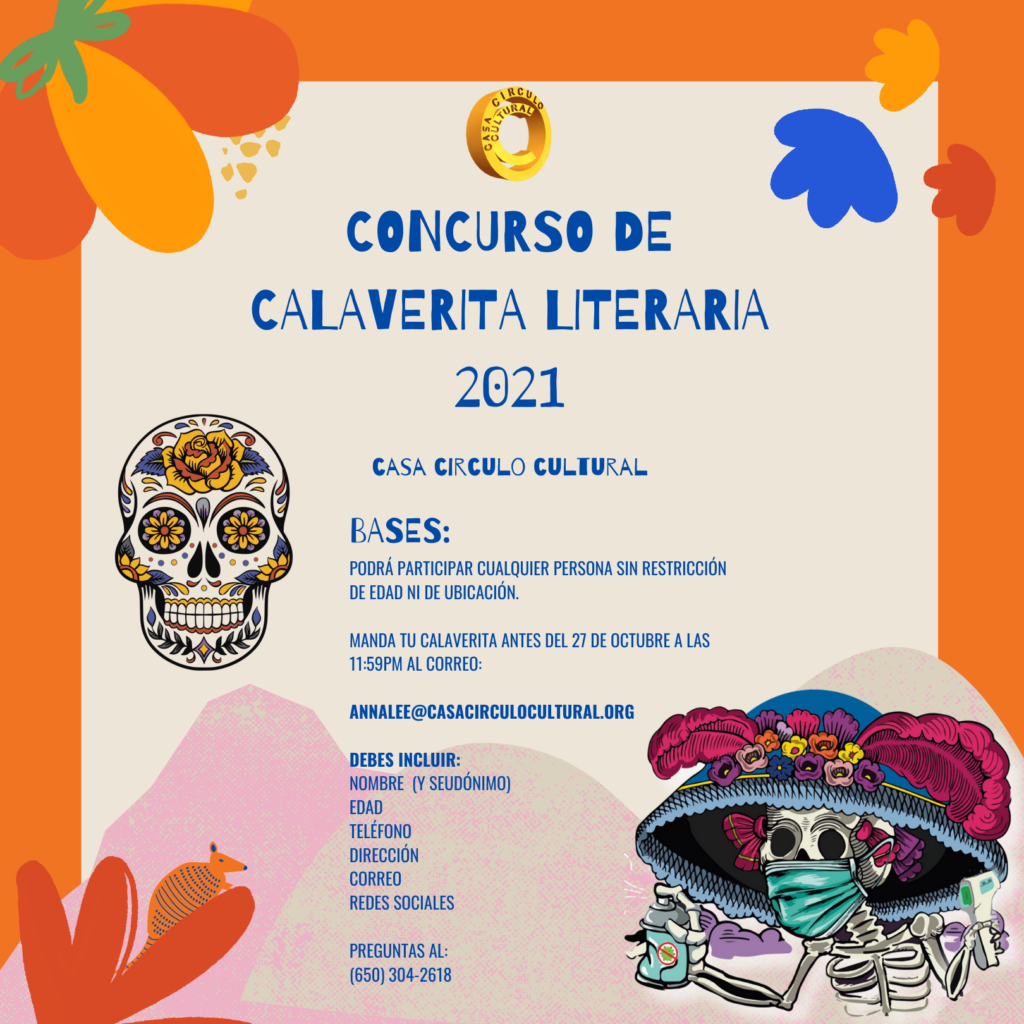
Do you like writing? Then you can participate in the "literary skull"which is for anyone, resident or non-resident, and of any age.
Literary skulls are one of the most creative traditions of the Day of the Dead: small narratives in the form of humorous, funny, satirical and critical rhymes in which Mexicans give a burlesque touch to death.
The origin of the literary calaverita dates back to Viceroyalty Mexico and by the second half of the 19th century, several Mexicans took advantage of their linguistic skills to make fun of various social situations.
The emergence of the character of the Catrina, created by the plastic artist José Guadalupe Posada, inspired many to write rhymes or "calaveritas" that appeared in popular newspapers and brightened up the traditional Mexican date. Remember that these writings in the form of rhyme, use popular words and refer to some quality or defect of a character or are based on issues of general interest or that are fashionable, irreverently and with a light writing.
Do you feel like participating? All you have to do is send your "calaverita" no later than 23:59 on October 27th to the following email address annalee@casacirculocultural.org with your name and pseudonym, age, telephone, address, email and social networks, if you have them.
It is worth mentioning that the first place winner of this "calaveritas" contest will win $100, a book and a diploma; while the second place winner will get $75, a book and a diploma; the third place winner will get $50, a book and a diploma.
If designing and setting up exhibitions is more to your liking, your thing may be the "exhibition design".Altar Festival", an event for those who wish to design and create a "Day of the Dead" altar or ofrenda at the San Mateo County History Museum and Plaza.
"Making an altar for a loved one who passed away can be a cathartic and healing experience that honors both the celebration of life and the mourning of death. Altars range from very simple to elaborate; they are often filled with objects that bring their dead relatives to life, including favorite food and drink. Altars dedicated to the souls of dead children include toys, candy and other treats," notes CCC.
To participate in this event it is necessary to reserve your place and pay a fee of $40. Those interested should contact Lydia Hernandez or Roxana Escamilla via email at altars@casacirculocultural.orgCall (650) 304-2618, or come directly to 3090 Middlefield, Redwood City, CA. 94063, no later than Thursday, October 20. Participants should bring all materials needed to make their altar.
Space is limited and tickets are on a first-come, first-served basis.
This year, there will also be a new way to remember those who have gone, especially those who left because of COVID-19.
Thus, a Altar Wall in wooden crates -huacales- will remember and welcome those spirits who lost the battle against the virus. To participate you must send an email to casacirculocultural@yahoo.com with your name, phone number, and name of the person(s) you want to honor. In addition, you must bring your crate or huacal on November 7th before 12:00 noon in downtown Redwood City.
Makeup and costumes are a fundamental part of the festivities, which is why the CCC announced the return of the contest "Best Catrin and Catrina 2021"The contest where your creativity to become a catrina or catrin with different materials, has no limits.
The last day to enter is Wednesday, October 27th. And the winner will be announced at the Dia de Muertos event on November 7 in the heart of Redwood City in the midst of one of the most anticipated celebrations.
Cultural diversity is a hallmark of the Bay Area, and the Mandarin Immersion School has joined the Day of the Dead events, with several activities taking place on Friday, October 29, including a picnic dinner and a scavenger hunt.
Dress up and take part in the event, which will take place from 5:00 to 7:00 p.m. at Red Morton Park, next to the Magical Bridge.
Breast cancer is the second most common cancer among women, and according to U.S. government estimates, 1 in 8 women will develop this disease in her lifetime, while 281,550 will be diagnosed in the U.S. during 2021.
On International Breast Cancer Awareness Day, according to the American Cancer Society, breast cancer is the most common cancer among American women.
Currently, the average U.S. woman's lifetime risk of developing breast cancer is about 13 percent. This means there is a 1 in 8 chance of getting it.
It is expected that this year about 49,290 new cases of infiltrating ductal carcinoma (the most common among breast cancers) will be diagnosed, while about 42,170 women will die from this disease.
In recent years, incidence rates have increased by 0.5 percent per year.
Currently, breast cancer is the second leading cause of cancer death in women, behind only lung cancer. A woman's chance of dying from breast cancer is about 1 in 39 - about 2.6 percent.
Since 2007, breast cancer death rates have remained stable in women under age 50, and have continued to decline in older women.
There are currently more than 3.8 million breast cancer survivors in the United States. This number includes women who are still in treatment and those who have completed treatment.
These declines are believed to be due to screening tests, better access to information, and improved treatments.
But what is breast cancer?
Breast cancer occurs when breast cells begin to grow out of control.
Breast cancer cells usually form a tumor that can often be seen on an x-ray or felt as a lump or mass. It occurs almost exclusively in women, but men can also get it.
It is important to know that most breast lumps are benign (not malignant or cancerous). Noncancerous or benign breast lumps are abnormal growths, but they do not spread outside the breast. These lumps are not life-threatening, although some types of benign lumps may increase the risk of malignancy.
Any lump or change in the breast should be examined by a doctor.
Where does breast cancer originate?
Cancers can originate in different parts of the breast. Most begin in the ducts that carry milk to the nipple - ductal cancers, some begin in the glands that produce milk - lobular cancers, and there are also other types that are less common such as phyllodes tumor and angiosarcoma.
A small number of cancers begin in other breast tissues. These are called sarcomas and lymphomas and are not actually considered malignant.
How does it spread?
Breast cancer can spread when cancer cells reach the blood or lymph system and spread to other parts of the body.
The lymphatic system is a network of lymphatic vessels throughout the body that connects to the lymph nodes - small, bean-shaped clusters of immune system cells.
The clear fluid inside the lymph vessels, called lymph, contains tissue byproducts and waste material, as well as immune system cells. The lymph vessels carry lymph fluid out of the breasts. In the case of breast cancer, cancer cells can enter the lymph vessels and begin to grow in the lymph nodes.
Most of the lymphatic vessels in the breast drain into:
Lymph nodes located under the arm (axillary nodes)
Lymph nodes surrounding the collarbone (supraclavicular (above the collarbone) and infraclavicular (below the collarbone) lymph nodes)
The lymph nodes inside the chest and near the breastbone (internal mammary lymph nodes).
If cancer cells have spread to your lymph nodes, there is a greater chance that the cells have moved through the lymphatic system and spread - metastasized - to other parts of your body.
The more lymph nodes there are with breast cancer cells, the greater the chance of finding cancer in other organs. Because of this, finding cancer in one or more lymph nodes often affects the treatment plan. Surgery to remove one or more lymph nodes is usually needed to find out if the cancer has spread.
However, not all women with cancer cells in their lymph nodes metastasize, and some women without cancer cells in their lymph nodes may develop metastases later in life.
Breast Cancer Risks and Prevention
While there is no absolute way to prevent breast cancer, there are steps you can take to reduce your risk.
A risk factor is anything that increases your chance of getting a disease. However, even if you have one or even many risk factors, it does not mean that you will necessarily get the disease.
The consumption of alcoholic beverages is clearly associated with an increased risk of breast cancer, and it increases with the amount consumed. Compared to women who do not drink alcohol, those who have 1 drink a day have a small increase - about 7 to 10 percent - while women who have 2 to 3 drinks a day have about a 20 percent higher risk than those who do not drink alcohol.
The overweight or obesity after menopause is another risk factor. Before menopause, the ovaries make the most estrogen, and fat tissue makes only a small part of the total amount. After menopause (when the ovaries stop producing estrogen), most of a woman's estrogen comes from fat tissue. Too much fat tissue after menopause can raise estrogen levels and increase the chance of breast cancer.
The evidence linking physical activity to reduced breast cancer risk, especially in women who have gone through menopause, is growing. All that remains to be determined is how much activity is necessary. Some studies have found that even just a couple of hours a week may be beneficial, although more activity seems to be better.
Women who have not had children or those who had their first child after age 30 generally have a slightly higher risk.
Most studies suggest that breastfeeding may slightly decrease the risk of breast cancer, especially if it lasts for 1 year or longer. But this has been very difficult to study, especially in places like the United States, where breastfeeding for such a long period of time is not common.
If you are a woman at increased risk for breast cancer - for example, because of a significant family history, a known genetic mutation that increases breast cancer risk, such as in the BRCA1 or BRCA2 gene, or if you have had ductal carcinoma in situ or lobular carcinoma in situ - there are some helpful steps to reduce your chances of getting breast cancer or to help find it early:
Genetic Counseling and Testing for Breast Cancer Risk
Careful observation for early signs
Medications to reduce risk
Preventive (prophylactic) surgery
Your doctor can help determine your risk for breast cancer, and can tell you if any of these options may be appropriate.
This year marks the 30th anniversary of the National Breast and Cervical Cancer Early Detection Program, which provides free breast and cervical cancer screenings to low-income, uninsured and underinsured women in every state, as well as many organizations and territories.
For information on how to get screened through this program, you can visit the site https://www.cdc.gov/cancer/nbccedp/screenings.htm. For more information on breast cancer you can visit www.cancer.gov/breast. National Cancer Institute information specialists are also available to help answer disease-related questions in English and Spanish at 1-800-422-6237.