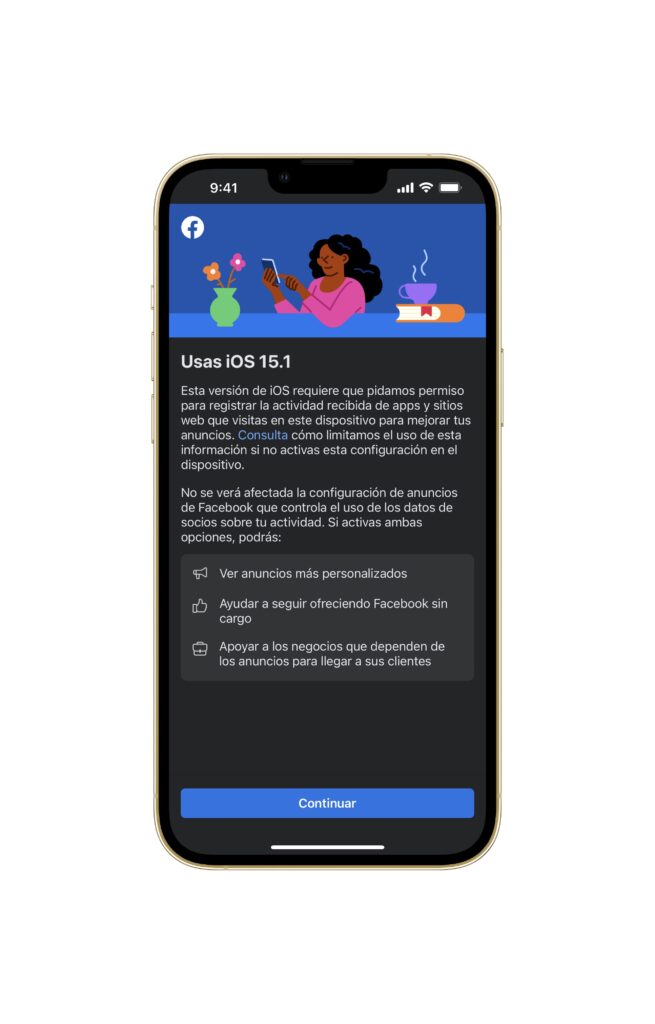
The new privacy measures will affect – with an estimated cost of 10 million dollars in losses – the main companies that offer entertainment services – YouTube, Facebook, Twitter and Snapchat – reported today. The Financial Times.
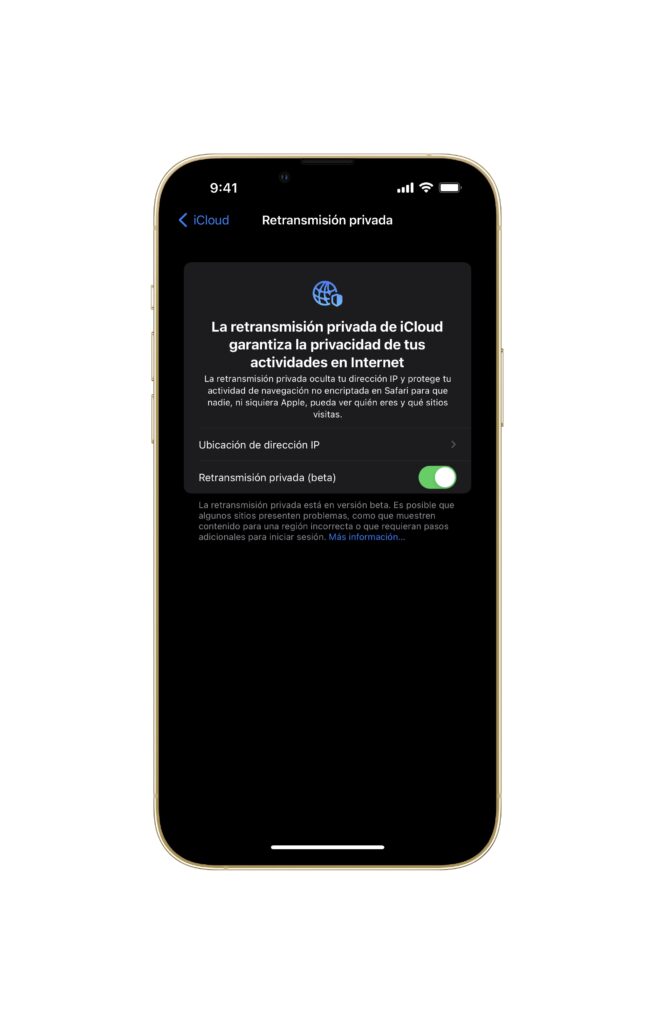
Apple has been beefing up privacy features across its ecosystem – the biggest being the iPhone and iPad. Now, in iOS 15, Apple will be testing a massive privacy barrier that protects its users from being tracked on the internet via a private cloud-based connection for users of an active iCloud+ plan – iCloud’s most premium service.
Apple will scrub the web of trackers and other malicious code before it ever touches the iPhone, resulting in near-instant loading times in a process that is transparent to the Safari user.
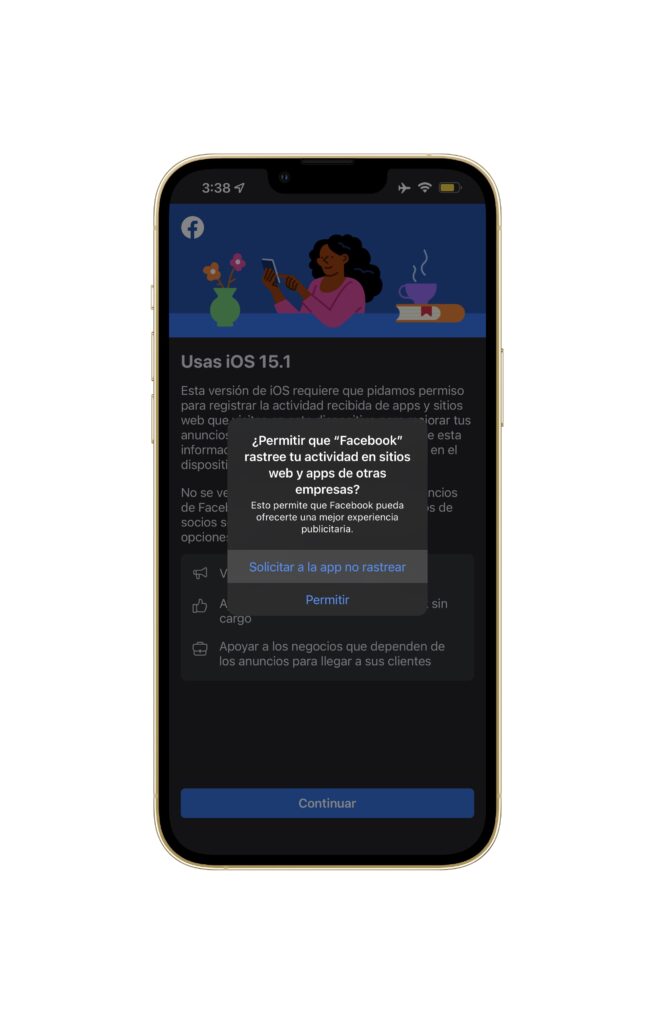
In addition, Apple, in less than a year, offered its users an update to the iOS and iPadOS operating systems with a new button to prevent users from being tracked without knowing it. It is speculated that the change of name to Meta on Facebook is also due to the fact that Facebook has a bad reputation, since its business is based, in large part, on the sale of user data, and with it, their activity on the Internet, which is used to create a profile of you based on the content you visit and offer you targeted advertising.
Advertising data company Lotame told The Financial Times that between the three companies, Facebook – now Meta – YouTube, Twitter and Snapchat lost a combined 12 per cent of their advertising revenue in Q3 and Q4 of 2021 as users opted not to allow tracking on their Apple devices.
This capability is found in the latest updates to their operating systems where the device forces the application to refrain from tracking the user, and simply asks the user if they want to disable tracking.
The advertising firm estimates that Snapchat lost a large portion of its advertising revenue, and Facebook suffered a hit to the way advertisers spend on Facebook ads.
Personally, I'm very strict about what goes into my phone, so these features are always on. This Friday, we'll look at how to configure the privacy settings on your iPhone and iPad.
About 65 cargo ships carrying imported goods are stranded at ports in Los Angeles and Long Beach. Sources indicate that both ports account for 40 percent of all imported goods entering the United States.
The delay is due to the fact that the U.S. has recently opened its borders to foreign trade, including imports, but the large number of containers entering the country that need to be declared has exceeded U.S. Customs capacity, said Gene Seroka, head of the U.S. Customs and Border Protection. Port of Los Angeles.
After the U.S. economy shut down foreign trade due to the COVID-19 pandemic, imports of goods have slowed down and accumulated in recent months, so now authorities can't keep up with everyone.
Ocean freight is the cheapest form of transportation. It is slow, but compared to air, rail and truck freight, it results in low long-term costs.
As a result, most of the world's trade is conducted by sea. The Port of Los Angeles is the largest seaport in North America, with half a million employees.
In the wake of the COVID-19 pandemic, the global supply chain was disrupted. Reduced schedules and physical distancing measures meant that much less cargo could be processed at ports around the world.
The Port of Los Angeles was not immune to this.
With the reopening, Americans - the world's largest buyers - began spending their income on the only thing they could: goods. Instead of processing 20 percent of all cargo, the port of Los Angeles and Long Beach combined were processing nearly 50 percent of all cargo coming into the country.
It is as if they were being asked to do their work at up to 2.5 times the speed, not counting the delays generated by the effects of the pandemic - COVID-19 absenteeism.
As a result, shortages arose in sectors that were not previously considered urgent. Shipping containers were not emptied in the USA and returned to their countries of origin immediately.
More than a year ago, severe confinement began after the World Health Organization (WHO) declared a pandemic for COVID-19, the disease caused by the new SARS-CoV-2 coronavirus, and people were told to stay home, forcing many to adapt their lifestyles to the comfort of their homes.
Increased subscriptions to streaming platforms -streaming-home meal delivery service, the purchase of electronics such as tabletsThe need for entertainment, smartphones and video game consoles to satiate the need for entertainment also moved into homes.
Among the new devices, which could be categorized as accessories, there has been an increase in the production and sale of "dry leaf vaporizers" as an alternative to the combustion of a marijuana cigarette.
Unlike the mouthpieces with extracts obtained from cannabis for 510 threaded batteries, the "dry leaf vaporizers" work directly with the traditional dehydrated herb previously ground in a grinder to bake them in these devices that have small ceramic chambers that reach high temperatures not only to release the essences of the same, but to heat the air that serves as a vehicle to make vaporizations and extract, in a progressive way, the same properties of marijuana without paying the high costs of the nozzles with extracts.
Casual cannabis users had as an easy option the use of pipes or papers -sheets- to smoke and thus subject the dried marijuana to a combustion process, like the traditional tobacco cigarette, which causes carbon monoxide consumption in both cases due to the burning of the dried herb and, in its case, the paper in which it was wrapped.
Smoke from marijuana combustion can cause illnesses such as chronic and acute bronchitis - according to the WHO's Department of Mental Health and Substance Abuse; however, the WHO has been able to conclude that smoking cannabis does not cause COPD.
Cannabis use had been on the WHO's Schedule IV since 1961, believing the plant "contained harmful substances" similar to those produced by cocaine or heroin; however, this changed in 2019 when the international body declared that medical marijuana and CBD pose no health concerns.
To minimise any health impact, cannabis users transferred their habit to these devices - many times smaller than smartphones - that raise the temperature of the cannabis inside a ceramic chamber, obtaining, in most cases, better results than if it is burned in the traditional way with a pipe or smoking paper.
This is largely because the active ingredients of marijuana do not disintegrate as quickly in the baking process, since the user can choose the temperature at which to heat the cannabis that previously underwent a combustion process in which the plant's active substances were instantly burned. In addition, these devices eliminate one hundred percent of the adverse effects of combustion and, therefore, the unintentional consumption of carbon monoxide than with the traditional cigarette.
Over the past few years, I have been able to transfer my cannabis experience from the pipe to the vaporizer with consistently favourable results. Most importantly, the adverse effects I used to experience during the aggressive combustion process have completely disappeared, the most noticeable being throat irritation, tachycardia and, in extreme cases, cardiac arrhythmia - suddenly varying heart rate from 50 to 160 beats per minute. Which, on many occasions, led me to discuss the impact on my health with my cardiologist and my psychiatrist, who ended up advising me to stop taking it until rigorous medical tests were completed.
While a bad experience with marijuana use in any form is not indicative of future experiences, a repetition of bad experiences can discourage the consumer and leave them with a wrong opinion that affects the reputation of the plant and stigmatizes marijuana use.
Depending on the portability of the device, you'll be able to heat dried marijuana herb; however, temperatures range from 140°C to 225°C - 284°F to 437°F - but even though higher temperatures produce more vapor, that may not be the right experience.
For reference, combustion begins at 232 °C or 450 °F, a common temperature when a cigarette is consumed by fire; that is, lighting a marijuana cigarette or lighting the herb from a pipe burns the components of marijuana faster.
Sites like https://www.royalqueenseeds.com/ indicate that THC begins to evaporate at a temperature of 157 °C or 314 °F. THC is where the psychotropic effects of marijuana are found, the euphoria begins, the happy part of the herb that makes its users laugh and it is also the cannabinoid responsible for increasing appetite, alertness is heightened. Marijuana users should make sure that in order to get a good amount of this cannabinoid, the variation of weed should be high in THC; however, you can try any variation of the plant and get good results.
Staying within 180°C - 356°F - would ensure the full experience of the marijuana baking process through a vaporizer and the ideal temperature for a THC-rich, CBD-rich vapor.
CBD volatilizes at 160 °C and 180 °C - 320 °F and 356 °F -. This cannabinoid produces no psychoactive effects; instead, it provides relaxing and calming effects that control the effects of THC; its concentrate contains analgesic properties; it also has antioxidant effects and, as it blocks CB1 receptors, it has benefits that slow down the degenerative process of neurons. Vapour at this temperature should not irritate the throat.
Sites like https://vaping360.com/ suggest that, for first-time marijuana users, you can gradually increase the temperature to 177°C and 204°C - 350°F and 400°F - an average of 190°C - 374°F - if you want to go straight to the maximum effects of cannabis - both THC and CBD. While the vapor is denser, it is also hotter, which causes a slight throat hit.
Site humidity is also a factor to consider especially in these portable devices; in dry climates there may not be enough moisture in the air to transport the cannabinoids that are released from the weed - whether baked or smoked. Humid climates - such as those near the sea or during the rainy season - suggest a higher concentration of water in the air that serves as an easy vehicle for THC and CBD molecules; this is why water-based tabletop pipes -bongs- are preferred for fixed site consumption without the negative effects of combustion; however, the humidity of an enclosed site can be quickly raised with an ultrasonic humidifier.
While dry herb vaporizers are not a new concept, they have become portable to the point of becoming an accessory that, depending on its rechargeable battery - as any mobile device does - can offer two to four sessions below 200°C (392°F).
Some vaporizers can be found online under the name "herbal aromatherapy" in unregulated markets. Some contain metal capsules that can be reused for more than one session instead of filling the ceramic chamber directly, making them very discreet, as you can reserve the capsules with marijuana and leave the vaporizer empty; others have interchangeable plastic mouthpieces for a glass one for a cleaner taste of marijuana; the more sophisticated ones may have bubblers to cool the steam with water in sessions where the temperature can be very hot.
Newer vaporizers can feature wireless charging, touch buttons and OLED displays to be precise with the desired temperature. For the most part, they prevent the device from overheating, and if the trip gets too deep, the vaporizer can automatically shut off after a few minutes of non-use.
All have safety mechanisms so that they cannot be activated by accident; in addition, their ceramic construction, refillable metal capsules and glass nozzles make these devices hygienic and very easy to clean and, to make sure they are completely germ-free, place them in a UV-C or ultraviolet light disinfectant box.
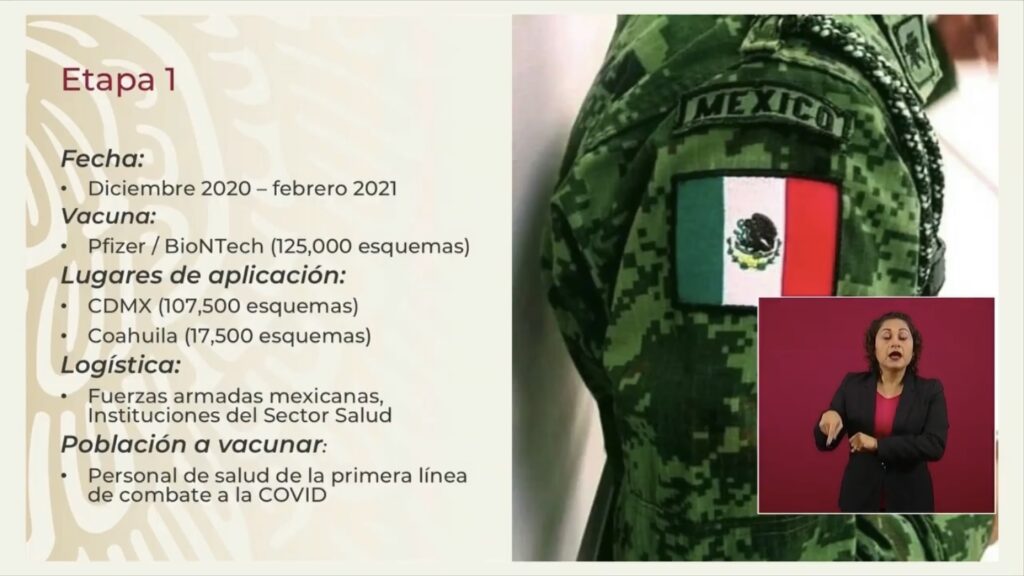
The Mexican government announced this morning the vaccination plan to be carried out in the country to deal with the COVID-19 pandemic. The announcement was made by the country's deputy health minister, Hugo López-Gatell.
The vaccine will be universally accessible and free; that is, it covers the entire population in the country.
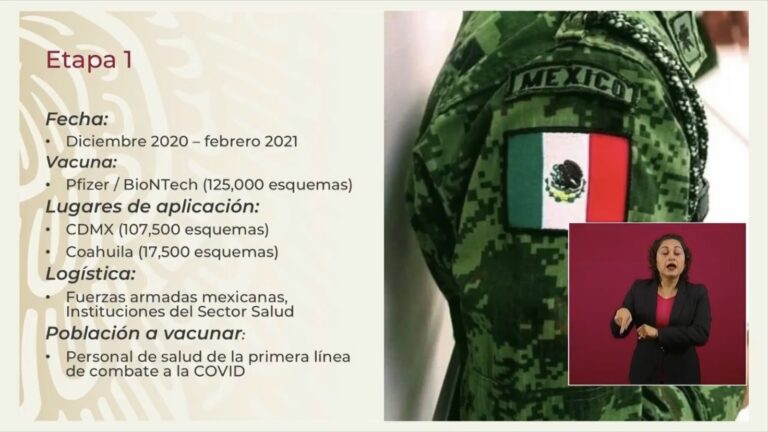
It will start in Mexico City and in the state of Coahuila, Mexico with the health professionals who are treating patients with COVID-19.
The vaccination campaign is expected to start in the third week of December with vaccines from CanSino Biologics, of Chinese origin with an effectiveness of 97%; the American vaccine Pfizer-BioNTech, with a reported effectiveness of 95%; and, the Oxford-AstraZeneca vaccine, of European origin with 90% of effectiveness against the SARS-CoV-2 virus.
Mexico's President Andres Manuel Lopez Obrador announced that the funds for the vaccination plan are ready, specifically 20 billion pesos, for the purchase of 34 million doses of the Pfizer-BioNTech vaccine; 77 million doses of the Oxford-AstraZeneca vaccine and 35 million doses of the CanSino vaccine.
Lopez-Gatell said the goal is to reach 75% of the population over 16 years old and announced that there will be 7 stages in which the vaccination plan was divided that includes its distribution by age groups:
Health workers. In December 2020 and February 2021.
People 80 years and older. Before February 2021.
People between 70 and 79 years old. Before February 2021.
People between 60 and 69 years old. In February and April 2021.
People between 50 and 59 years old. In April and May 2021.
People between 40 and 49 years old. In May and June 2021.
Population under 40 years of age. From June 2021 and before March 2022
Mexico's Foreign Minister, Marcelo Luis Ebrard Casaubón, said that early access to vaccines was also due to early integration into COVAX, which, according to the World Health Organization -WHO-, aims to "accelerate the development and manufacture of vaccines against COVID-19 and ensure fair and equitable access to them for all countries of the world". In addition, he highlighted the importance of integrating Mexico into the Gavi Vaccine Alliance -Gavi-, the Coalition for the Promotion of Innovations for Epidemic Preparedness -CEPI-.
The minister confirmed that out of 9 potential COVID-19 vaccine candidates, approximately 50 million doses have already been set aside, including vaccines developed by Inovio, Moderna, CureVac, Merk-Themis, Oxford-AstraZeneca, the University of Hong Kong, Novavax, Clover-BioPharma, and the University of Queensland-CLS.
In addition, he noted that the Mexican Ministry of Health will be able to decide on a total of 18 vaccines as long as phase three trials are completed and approved.
Today, Tuesday, November 3rd, the general elections are taking place in the United States, which include the election for the presidency of the country. As contenders for the presidential campaign is in contention the representative of the Democratic Party, Joe Biden; while Donald J. Trump will try to be re-elected to the post for four more years representing the Republican Party.
Since this morning, various public opinion figures with global influence have spoken out in favor of the importance of exercising the right to vote for their representatives.
Gavin Newsom, governor of the state of California, said via Twitter, that polling stations will be open until 8 pm local time. He recalled the use of masks and a website where you can check which polling place you can access to cast your vote.
CALIFORNIA: the polls are officially OPEN!
Polls close at 8:00PM tonight.
You can STILL register to vote in person at your polling place.
Bring your mask.
If you're in line by 8:00PM stay in line - you will be able to vote.
Wanda Sykes, an actress and activist for the LGBTTTIQ+ community, urged people in Michigan and Nebraska to exercise their right to vote after "stay home" information was released by COVID-19.
The young activist on climate change awareness, Greta Thunberg, strongly criticized by the candidate for re-election to the presidency of the USA, Donald Trump, when he said that he needed more social life, spoke in favor of not missing the opportunity for Americans to vote.
Today, many of you will have the opportunity to make a choice. Your vote will affect billions of people around the world. Your vote will affect countless of generations to come. Use it. Use it well. Every election is a climate election.#ElectionDay
The disease specialist and current COVID-19 researcher took the opportunity to speak out in support of Democratic presidential candidate Joe Biden. She added that the state of Pennsylvania should get up and go out and vote.
In her latest post, which features global pop icon Lady Gaga, who was seen giving a speech at the last event hosted by Democratic presidential candidate Joe Biden, she directed a message against Republican presidential re-election candidate Donald J. Trump and called to vote for his Democratic counterpart.
Laura Packard, a stage 4 cancer survivor and cancer awareness activist whose profile description says she is blocked by top officials in the current administration, sent out a video message in which she expresses her concern that the American people should be aware of the importance of their vote. "Our lives are at stake," she said in the tweet.
Hilary Clinton, contender for the 2016 presidency, showed on her social networks that she had exercised her vote: "I voted and it felt good" without offering more details.
With a sense of closeness with the American population, maintaining the health protocols as required by the pandemic by COVID-19, the former President of the United States, Barack Obama, was in contact with citizens through FaceTime - Apple's secure video call protocol - where he calls on citizens to exercise their vote freely.
More than 100 million Americans have already cast a ballot in this election. Joel, Monica, and Andrés are three of them - and I got to FaceTime with them before they voted.
In the international context, Shakira, a world-class singer-songwriter, named UNICEF Goodwill Ambassador in October 2003, and creator of the Pies Descalzos foundation concerned about children and Colombian refugees in the United States, sent a message about the importance of the Latino vote in the general elections on November 3.
Latinos are a rapidly growing community with millions of young people for whom we must ensure quality education and equal opportunity. (1/2) pic.twitter.com/hpg0YDyFun
The international star, Kanye West, who announced his candidacy for the presidency of the United States and who was strongly criticized by the public opinion not only for this, but for his support for Donald Trump addressed a brief and enigmatic message where he revealed to have voted for himself. It should be noted that this is the first time he is old enough to vote and elect the president of the United States.
God is so good 😊 Today I am voting for the first time in my life for the President of the United States, and it's for someone I truly trust...me. 🇺🇸 🕊
In contrast, the businesswoman Kim Kardashian, with a more sensible tone, offered important information by disclosing phone lines where the U.S. population can be properly informed about the rights that citizens have when it comes to voting.
hoax Maybe from the caló bul 'rubbish'. 1. m. False news spread for some purpose.
https://dle.rae.es/bulo
In April, strong criticism was levelled at now-runner-up for re-election to the U.S. presidency, Donald Trump, when the president suggested, at a public event, the injection of disinfectants to combat COVID-19, a disease caused by the new coronavirus SARS-CoV-2 - whose outbreak was located in an exotic market in Wuhan, China. At that time, the President of the United States declared at a press conference that if there was "some way to clean up, like an injection. It would be interesting to check.
This information was quickly distributed on Twitter; however, the company did not stop the messages encouraging people to inject household disinfectants, so much so that the New York Poison Control Center immediately reported a hundred emergency calls during April for ingesting household cleaning products. However, Twitter's action to stop and push for accurate information from the scientific community was overshadowed by Trump's statements, so much so that it became a trend with the absurd #InjectDesinfectant hashtag. Any self-medication without expert consent should be discouraged. If you have symptoms of COVID-19, please see a health care professional.
"The disinfectant, where it knocks it out in a minute, and is there a way we can do something like that by injection inside, or almost a cleaning. It gets in the lungs" - Trump seems to suggest that injecting disinfectant inside people could be a treatment for the coronavirus pic.twitter.com/amis9Rphsm
In time, Twitter clarified - via email - the Reuters news that the hashtags in trend had to be manipulated at will so that they would not be suggested on the social network; however, the damage was already done, but that was not all, the Twitter response supported Trump's "satirical" statements; in an official statement, the social network said that: "Context matters. Tweets that are clearly satirical in nature, that discuss or report on timely issues about COVID-19 that do not prompt action do not violate our rules.
Context matters. Tweets that are clearly satirical in nature, or that discuss or report on timely issues about #COVID19 without calls to action generally do not break our rules.
With this, we can deduce that Twitter will not take action against false information that could cause physical harm to people, since it is up to the user to decide if the information he receives on this social network is satirical or not. It follows that Twitter is not there to verify whether the information in trend, like Trump's, is true or not.
This is important because, as Twitter states, "context matters". On October 22, it was revealed that Victor Gevers, an ethical hacker from the Netherlands, was able to access Donald Trump's Twitter account with his username and password - "maga2020!", in case you're interested in the data-, this lack of attention from both Twitter and the US president -which is in the spotlight given the upcoming presidential elections to be held on November 3-, puts at risk the strong public opinion with which the president influences the global context.
Fortunately for mankind - since Twitter will not be responsible for Trump's satire - Gevers "only" took screenshots from the @realDonaldTrump account. Obviously, this is not only the fault of the president of the United States, but of Twitter. Well, nowadays, Twitter, upon detecting an uncommon login, immediately informs the account holder, in this case, Trump and his cabinet... the situation becomes more alarming when we realize that the national security of the country that dropped the atomic bomb on Japan in World War II is also compromised.
On this occasion, Twitter did not suggest identity verification, as many of us who logged in are required to confirm; either by correctly entering the email linked to the account or the phone with which the Twitter account was registered. Neither of these things happened. This situation highlights Twitter's lack of attention and makes us doubt the role it -not- plays in people's safety.
In the end, it had to be Gevers who alerted the U.S. Federal Secret Service agency to please change the password and activate the two-factor authentication. The Secret Service welcomed the suggestion of the Dutchman. Twitter had nothing to do with the alert about the security flaws of the president, but as a matter of fact, in October 2016, the same Twitter account with the password "youarefired" was also violated.
An unfortunate tweet can lead to catastrophe. We're talking about people who successfully followed Donald Trump's instructions in suggesting the erroneous indication to inject household disinfectant. But... if Gevers had had other intentions? Surely Twitter would have washed its hands of it.
It is important to note that the United States, according to Bulletin of the Atomic Scientists "United States nuclear forces, 2020"In early 2019, the United States Department of Defense possessed an estimated 3,800 nuclear defenses that could be launched by 800 ballistic missiles and aircraft.
Cristian Carlos is a writer, journalist and sociologist. He is the editor of Peninsula 360 Press.
Although Facebook -a company led by Mark Zuckerberg, recently exposed for selling users' personal data to third parties. has served as a perfect platform to disseminate human rights violations., censorship to campaigns for social justice, scientific outreach and gender equity, and the promotion of hate speech Against minorities, such as the Black Lives Matter movement, the Latino immigrant community and sexual diversity, most of the information circulating on this digital platform is garbage; noise is generated around urgent causes, which, in turn, generates confusion among users.
This company has become a space virtual ideal to spread ignorance, misinformation and hate campaigns. orchestrated by the power groups who hide, for the most part, in anonymity. To a large extent, this explains the enormous echo that the current president of the United States, Donald Trump, has on social networks.
In the last 30 days, according to The New York Times, Trump received 60 million "likes" and comments on Instagram, a platform owned by Facebook. Meanwhile, on the official Facebook page of the candidate for re-election in the United States, Trump generates messages that are often characterized as promoting misogyny, racism, white supremacism and fake news. -the permanent irony of the businessman's discourse-, thus reaching the enormous and implausible figure of 130 million reactions.
It is no coincidence that Facebook, where Trump and his followers move like fish in water, is considered both by the International Center for Journalists -ICFThe social-digital space with a grossly higher rate of digital journalism than the Tow Center for Digital Journalism at Columbia University elevated disinformation on COVID-19. Therefore, based on the study of these two institutions, Facebook was considered a "prolific disinformation channel".».
In the last Trump vs. Biden debate, six topics were addressed during 90 minutes, covering U.S. national security, the response to the COVID-19 pandemic, the incidence of foreign nations such as Russia and China in the upcoming elections. Kristen Welker, this time the moderator of the debate, is the White House correspondent for NBC.
Nashville, Tennessee. The candidates for the presidency of the United States, current President Donald Trump - from the Republican Party - and Vice President Joe Biden - from the Democratic Party - held a debate with a different moderation to the previous one, where the closing of microphones and timed participations were highlighted to avoid the fiasco of the first presidential debate. The elections are 12 days away.
COVID-19
Regarding the COVID-19 pandemic, the first topic of the presidential debate, U.S. re-election candidate Donald J. Trump assured citizens that mortality rates from the new coronavirus have been dropping and he is confident that a vaccine will be ready by the end of 2020. He spoke about his recent positive diagnosis and treatment of the disease, saying it has improved rapidly. He blamed China for dispelling the rumors, even to the point of hiding the disease.
For his part, the Democratic candidate for the presidency of the United States, Joe Biden, accused President Donald Trump of the more than 220,000 deaths caused by COVID-19. He added in the debate the importance of the use of mouthpieces, as well as the urgency of expanding testing programs for the detection of the disease. He claims that Trump lied when he said that the new coronavirus would slow down its infection in hot seasons, the direct intake of chlorine.
National Security
On the subject of the national security of the United States, the American president sent a message to the nations that, if they intervene in the country's elections, "it will be paid without a very high price" and he blamed China, Russia and Iran for the impact on the elections. He also denied that he had received any money from the Russian government, and Trump noted that Biden has earned up to $10 million from shady deals in China. Trump concluded by saying that the U.S. had a good relationship with Hitler--until he decided to invade European territory.
Meanwhile, Joe Biden, Democratic candidate for the US presidency, questioned Trump about why he has not made public statements against Russian President Vladimir Putin to justify his non-intervention stance in the November elections. Biden, for his part, accused Trump of handling his finances on the sly and denied categorically that he had received money from Ukraine and Russia through his son, Hunter Biden.
Family economy
The Republican Party's candidate for re-election to the U.S. presidency, Donald Trump, said Obamacare was "not good" because it forced people to turn to private sector insurers. He says his cabinet is working to change this social security plan into a "beautiful" one. He said that the person responsible for the lack of an economic support program for American families is Nancy Pelosi, in charge of the Lower House.
In contrast, Democratic presidential candidate Joe Biden said Obamacare can become a public option for people who cannot access Medicaid and that people can still choose a private insurer anyway. He also opened the window for the possibility of buying drugs at a lower cost in the future. As for support for the family economy, Biden said the Republican representation in the U.S. Senate turned its back on the program that would have been driven by Trump.
Migration
With data in hand, moderator Kristen Welker, White House correspondent for NBC, noted that more than 4,000 infants have been separated from their families during the Trump administration and asked the Republican candidate about his plan to reunite them.
Donald Trump, the Republican Party's candidate for re-election to the U.S. presidency, blamed "coyotes" - people who traffic in people - and Mexican cartels for putting children on U.S. soil.
Joe Biden, the Democratic Party's candidate for the U.S. presidency, says the seriousness lies in the fact that migrant children have been robbed of their right to have a family by being separated from their parents. "It's a crime," Biden said, noting the conditions in which thousands of children are being held in the "cages" Trump built for their detention. He reiterated his support for the continuation of the DACA - Deferred Action for Children - program. "We owe our lives to migrants, who are in the majority in this country," she noted. He said that if he wins the elections on November 3, he will take measures to benefit 11 million undocumented people in order to grant them citizenship.
Racial violence
Republican presidential re-election candidate Donald Trump blamed Biden for not reaching out to the African-American community. He said that "no one has done more" than he has for that community... except Abraham Lincoln. He ended by condemning the Black Lives Matter movement.
On the other hand, the candidate for the U.S. presidency for the Democratic Party, Joe Biden, pointed out Trump as one of the most racist presidents the U.S. nation has had in contemporary history; furthermore, he finished by saying that Trump's policy is spent on exclusion and discrimination and recalled the episode where the U.S. president, Donald Trump, called migrants of Mexican origin "rapists".
Climate change
On the last topic, the lawyer in the last debate between the candidates for the presidency of the United States, Democrat Joe Biden and Republican Donald Trump, both fixed positions with contrasts.
Donald Trump, the Republican Party's candidate for re-election to the U.S. presidency, said, in the abstract, that he has "thousands" of programs and that he "loves" the environment. Again, during his speech he said that the Paris Accord - an agreement that establishes measures for the reduction of Greenhouse Gas (GHG) emissions through mitigation, adaptation and resilience of ecosystems - is the best way to achieve this. Trump also said he knows "more about wind" than Biden and accused him of being against practices such as hydro-fracturing - "fracking", in Spanish-. In the abstract, he said Biden "knows nothing" about climate.
Joe Biden, the Democratic Party's candidate for the U.S. presidency, said climate change is a real consequence and poses a threat to the preservation of the environment and humanity. If it continues for another four years under Trump, Biden warned, humanity will find itself in serious trouble, most of which cannot be reversed. He spoke in favor of investing in the deployment of a network of charging stations for electric cars on U.S. soil.
Conclusions
Republican presidential re-election candidate Donald Trump again boasted that before the COVID-19 pandemic, the United States had one of the lowest unemployment rates. "We must pool our success," he said. In addition, he said his Democratic counterpart's strategy would lead to a new depression with more widespread regulation.
Democratic Party candidate for the U.S. presidency, Joe Biden, promised that, with the vote and election of the American people, he will represent the will and resolve the issues of concern to the citizens of the United States. "I will bring them hope, not fear. We have the potential to create opportunities for improvement on economic issues and to combat racism," he said.
Despite the invitation to the forum, Chris Rasmussen was not present...candidate from District 7.
You can see the forum again at this link: https://www.facebook.com/InnovatePublicSchools/videos/263714451648443/
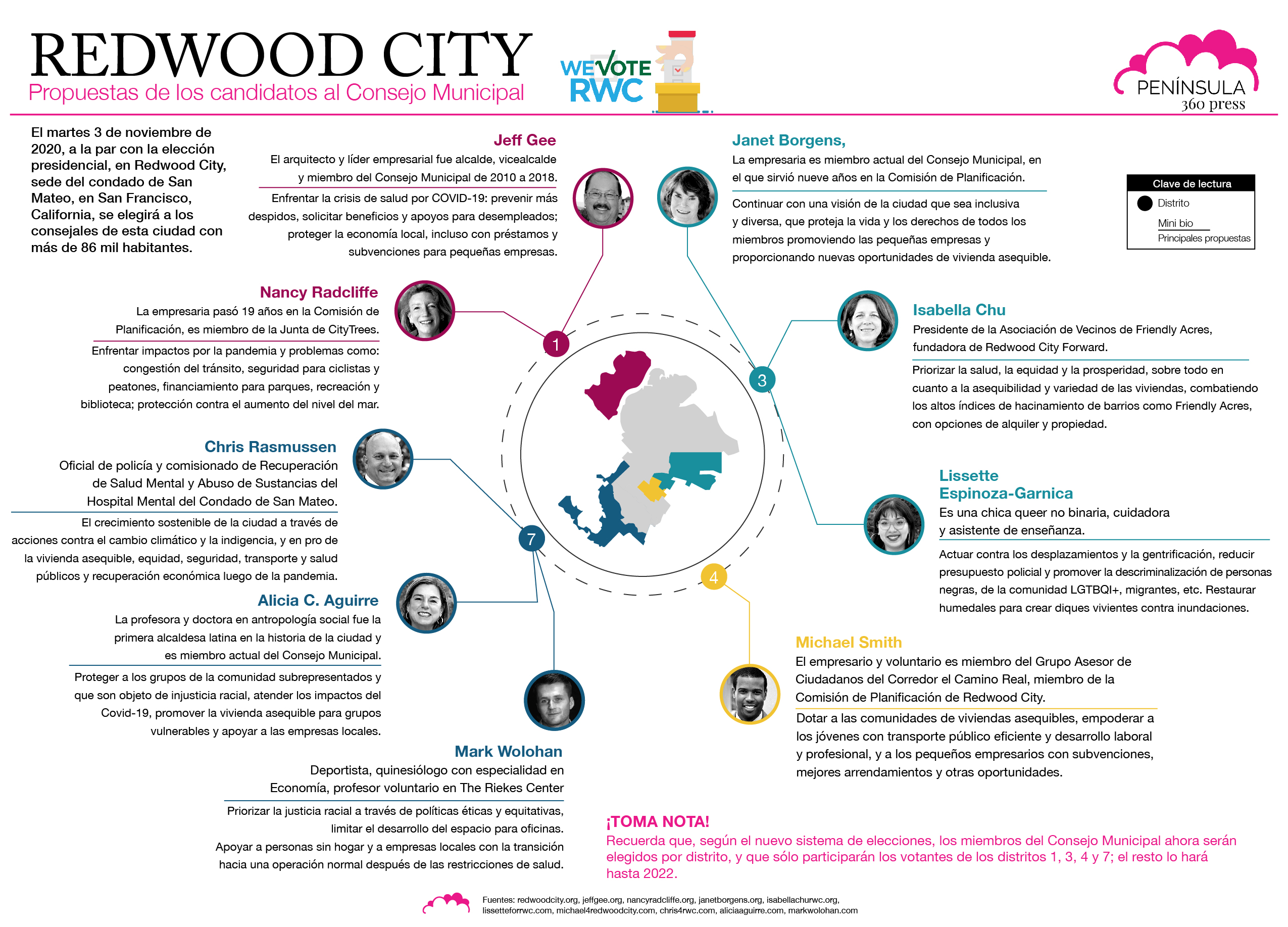
Lasting approximately one hour, Redwood City Council candidates in their various districts answered questions of interest to voters, including housing, inclusion, education, tenant and business subsidies, and their response to the economic crisis that Redwood City will face as a result of COVID-19.
Janet Borgens, candidate for District 1In the first place, he began his participation by pointing out that it is important to attend to low-income communities, especially in the area of housing. On the subject of inclusion and censusShe stressed that, despite being a white woman, she did not have privileges, and that for this reason, she wants to maintain contact with the communities that have been in the same situation and pointed out the importance of the vote of each person. On the subject of payment of rentHe pointed out the importance of ensuring that funds are reaching the tenants. He added that Redwood City is the city that has been particularly active in supporting its tenants and their businesses. On the subject of educationThe president of the National Association of Schools in Redwood City, said Redwood City schools depend directly on school districts, adding the importance of safe after-school spaces.
Jeff Gee, candidate for District 1He said safety issues should be addressed as a priority and pledged to learn about each of the problems affecting the Bay Area. On the subject of inclusion and censusHe noted that work should be done not only with the Latino community, but also with the Asian-American community, and called for the unity of different communities. On the subject of payment of rentHe said that people in the community who have to pay a mortgage should be taken into account in order to protect tenants and, consequently, dialogue with banks and mortgage companies. On the subject of educationHe noted that the Council has provided support for programs for students; however, he said Redwood City is not on par with the Redwood Shore School District, so all children should be treated equally in education.
Nancy Radcliffe, candidate for District 1He said that, as part of the current Redwood City Council, he will continue the work currently being done for the community. On the subject of inclusion and censusHe said the debate on the subject must be more inclusive, with more events that include different people from different communities. On the topic of payment of rentHe noted that Redwood City is one of the few cities that have subsidies for tenants who are paying a mortgage, and said this is a problem that affects much of the community. On the subject of educationIn his speech, he stressed the importance of ensuring that everyone has access to free Wi-Fi and internet, and safe places to go to continue studying.
Isabella Chu, candidate for district 3In the first instance, he began his participation in the forum by speaking out in favour of decent housing accessible to all in the community, as well as transport and education. On the theme of inclusion and censusHe declared that there must be a balance of power. He noted that it is important to vote and to increase the participation of people who were previously unheard. On the subject of payment of rentHe said the real solution is a universal income that helps not only to pay the rent, but to provide assistance in food and health services. On the issue of education, he emphasized that it is important to increase population density in order to collect more taxes and thus boost the distribution of funds to schools.
Lissette Espinoza-Garnica, candidate for District 3At the beginning of his participation, he emphasized the integration of the most vulnerable sectors of the population and rejected inequity between communities. On the issue of inclusion and censusIn his speech, he spoke out in favour of communities that have suffered discrimination because of their historical status. On the subject of payment of rentIn a statement, he said he was in favor of extending extensions to tenants to prevent evictions; he noted that the city must resolve the problem of debt. On the issue of education, he spoke in favor of access to stable housing, increasing families' salaries, as well as a universal child care program and the promotion of the PAL and SRL program.
Michael Smith, candidate for District 4He said he was also in favour of affordable housing, decent work and people being able to run their own businesses. On the subject of inclusion and censusIn the same vein, he argued that there was a need for discussions regarding inclusion by race and class as well as the promotion of inclusive activities in the community. On the subject of payment of rentHe said that federal officials should be worked on to make them aware of tenants' concerns. On the issue of educationIn addition, the Committee on the Rights of the Child, in its report on the implementation of the Convention on the Rights of the Child, proposed changing the zoning scheme, such as R1, so that people would have access to better schools and therefore obtain better academic results.
Alicia Aguirre, candidate for district 7In the same way, he pointed out that there is a need for affordable housing, but also for access to transport, to the same extent, for all people. He reiterated his commitment to supporting economic recovery from the COVID-19 pandemic. On the issue of inclusion and censusIn his speech, he referred to leadership as a way to protect vulnerable people, like the "Dreamers". On the subject of payment of rentIn his speech, he pointed out the uncertainty arising from the current crisis, the importance of knowing how people will be cared for through stimuli so that people do not lose their homes. On the subject of educationThe Director of the National Institute of Childhood and Adolescence, who noted that there is now a partnership with the school district, emphasized the continuation of this collaboration to ensure that children and youth have a safe and continuous learning experience.
Mark Wolohan, candidate for District 7In the first part of the meeting, he highlighted his representation of the new generations and reiterated his support and constant rapprochement with the Redwood City community. On the subject of inclusion and censusIn his speech, he emphasized the participation of the Latino community, to amplify their voices and encourage their participation in the Council. On the topic of payment of rentHe said he is concerned that people will have to move away from the community where they live, and that the strategy for protecting tenants in the short term must be rethought. On the issue of educationHe noted that it is important for educational personnel to have affordable housing; he also emphasized access to distance education for all students.
The next forum will take place on Monday, October 19, 2020.
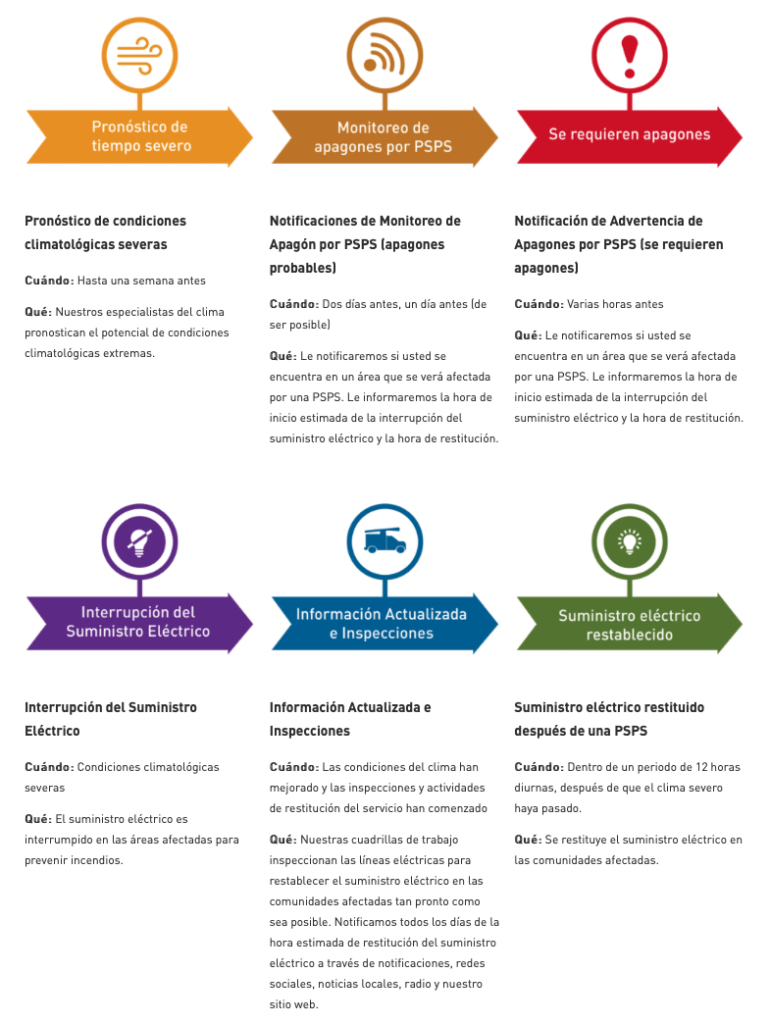
Pacific Gas & Electric has announced, on their website, that they anticipate "a Public Safety Power Disruption, also known as PSPS, and occurs in response to severe weather"; in this case, the Diablo Winds exacerbating the Glass Fire phenomenon in California.
The company reports that it is shutting off "power to help prevent fires and keep communities safe. The reason for the outages can be complex, as they state that "multiple factors come into play when deciding to interrupt your power supply and the decision is taken very seriously". In addition, they clarify that "attempts are made to notify affected customers by phone, text and email".
The counties that could be affected by such preemptive outages are: Alameda, Amador, Butte, Skulls, Against Costa, El Dorado, Humboldt, Lake, Monterey, Napa, Nevada, Pleasure, Feathers, Saint Matthew, Santa Clara, Santa Cruz, Shasta, Sierra, Solano, Sonoma, Tehama, Trinity, Yolo, Yuba. Where the population is advised to take precautions and take emergency measures to be communicated during the power outage.
Know the traffic light to identify how the process occurs:
The energy company estimates that a total of 54 thousand 250 customers could suffer power outages, while 3 thousand 135 electrical connections belong to health services.
Listen to this note. In compliance with accessibility standards.
The life of poets is often tragic. Not only because of the sadness, happiness or melancholy that their verses evoke, but because poetry becomes, for them, a way of being on Earth and directing their actions without limits.
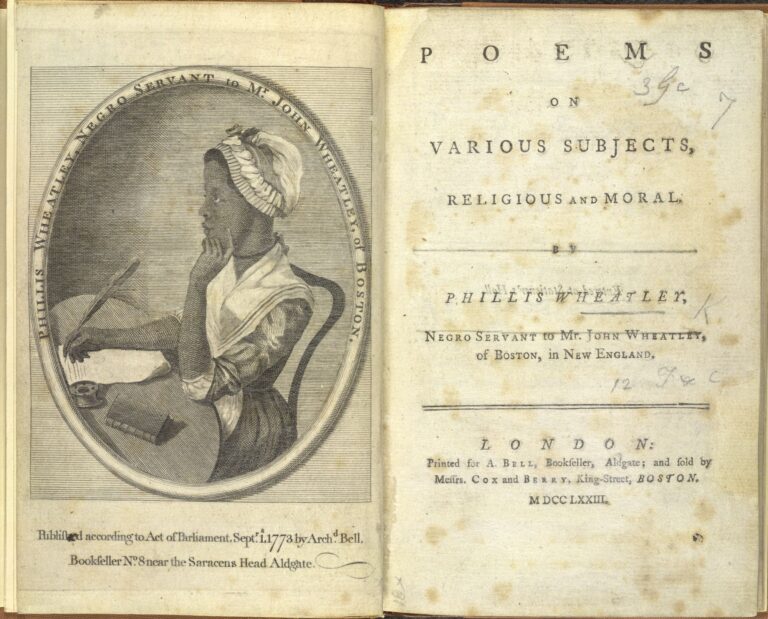
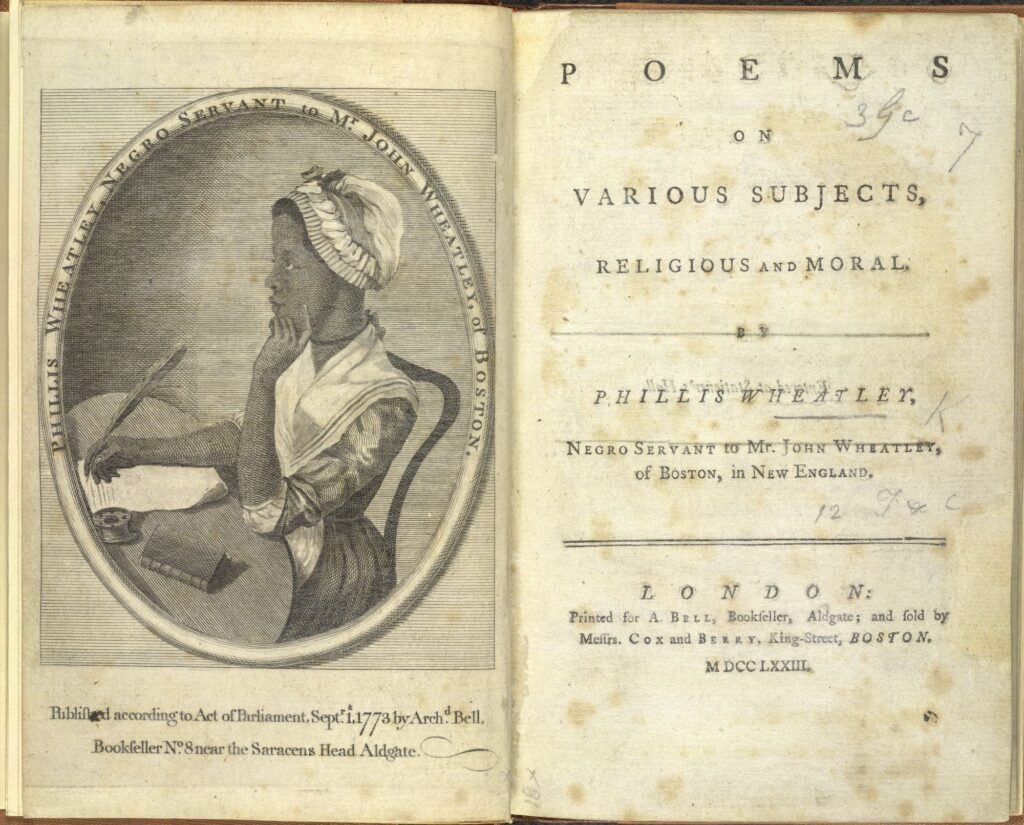
Courtesy of the British Library. Shelfmark: 992.a.34.
Phillis Wheatley - from 1753 to 1784 - well represents this strange destiny for people who live within a certain normality, and tragic destiny for those who, perhaps, without knowing it, already embodied a struggle, and without intending it, would prefigure more than a struggle: an ideal of equality.
Born in Senegal, she was caught and taken to the United States at the age of seven and sold by the slave traders to John and Susanna Wheatley, a name she would adopt along with the name of the schooner that crossed the Atlantic: Phillips.
Settling down next to the servants of this Boston family, they soon realized the enormous talents that the young woman, who had been bought in the slave market, was displaying and educating her. They taught her - along with the couple's twins, Nathaniel and Mary - theology, philosophy, astronomy, and literature, in addition to studying English and classical languages.
Influenced by her Bible readings - she was initiated into Christianity - the poems of John Milton and the philosophy of Alexander Pope, little Phillips showed her poetic gifts in the gatherings that the family held at that time in Massachusetts. In the face of a racist society, whose production was based on the slavery that the young slave girl claimed must have been a blow, even emotional, since in that society, people of colour were considered to be soulless and generally intellectually inferior.
In this context, the poet was interrogated by prominent local people -Massachusetts- to corroborate that the writings belonged to the slave. Even the state governor was in on this interrogation.
Phillips was the third woman to publish in the United States. Her book Poems Various Subjects was published in 1773, just two years before the outbreak of the Civil War in North America. Although his work had only been valued as a historical document, which beyond having a literary value in itself, was seen as something like a document that had opened a new path for a vilified social sector in the American Union.
Just as George Washington greeted and celebrated his lyrics, so did Voltaire. He had the opportunity to go to England, where he also met with important figures of the time - Franklin, the Earl of Darthmouth and the Mayor of London - who were able to express their admiration for him, as well as receiving a copy of "The ingenious hidalgo Don Quixote of La Mancha", the work of the greatest exponent of Spanish literature, Miguel de Cervantes Saavedra, and one of "The lost paradise"by John Milton.
Despite becoming a famous writer and publishing her works, she fell into a deep depression after the death of the Wheatley twins, who died unexpectedly. Philis Wheatley bought her freedom and she married a free man who couldn't get her out of the poverty she was living in. They both had three children who later died.
Her husband left her and Phillis died at the age of 31 in poverty and his work fell into oblivion.
Donald Trump is positive for COVID-19. Melania TrumpThe U.S. First Lady, also tested positive for coronavirus. This was announced tonight by the US president through his Twitter account. Trump would have held a debate between candidates for the U.S. presidency on Wednesday against his Democratic opponent Joe Biden, what puts his presidential re-election campaign in jeopardy with only 33 days to go before the country's elections..
On Thursday afternoon, it was announced that U.S. President Donald J. Trump and his wife, Melania Trump, were tested for COVID-19 after being in contact with one of his aides.
Through his Twitter account, the president confirmed that the test result was positive for the new SARS-CoV-2 coronavirus. which causes the disease COVID-19 - the origin of which was detected in a maritime market in the Wuhan region of China.
In the tweet, the president mentions that: "Tonight, @FLOTUS - official account of U.S. First Lady Melania Trump - and I tested positive for COVID-19. We will begin our quarantine and recovery process immediately - we'll get through this TOGETHER!".
It was followed by Melania Trump's statements: "Like many Americans this year, @potus - the official account of the President of the United States - and I are under quarantine at home after testing positive for COVID-19. We feel fine and I have postponed all my upcoming engagements. Please make sure you're safe and, everyone, we'll get through this together."he commented sensibly.
As too many Americans have done this year, @potus & I are quarantining at home after testing positive for COVID-19. We are feeling good & I have postponed all upcoming engagements. Please be sure you are staying safe & we will all get through this together.
This Thursday afternoon, the president offered a press conference where he announced that Hope Hicks, close adviser to Trumphad a COVID-19 test, which had come back positive. "Let's see what happens," he stated.
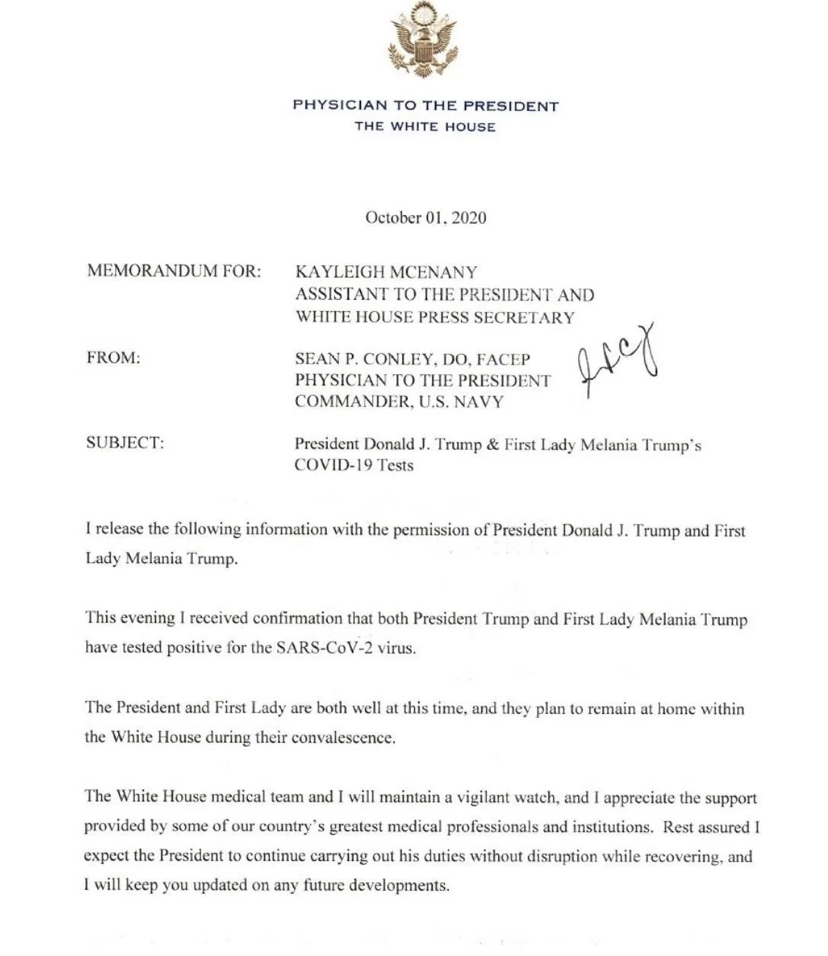
Later, via Twitter, Donald J. Trump said that they had established to remain in quarantine while awaiting the results of the test. Tonight, The White House released the medical report which confirmed that both the President and the First Lady are infected by the new coronavirus.
Mientras los estadios afinan los últimos detalles para la inauguración de la Copa Mundial de la FIFA 2026 este jueves 11 de junio, organizaciones exigen justicia para migrantes, desaparecidos y víctimas de la violencia. Foto: Pamela Cruz | P360P | Terra 360
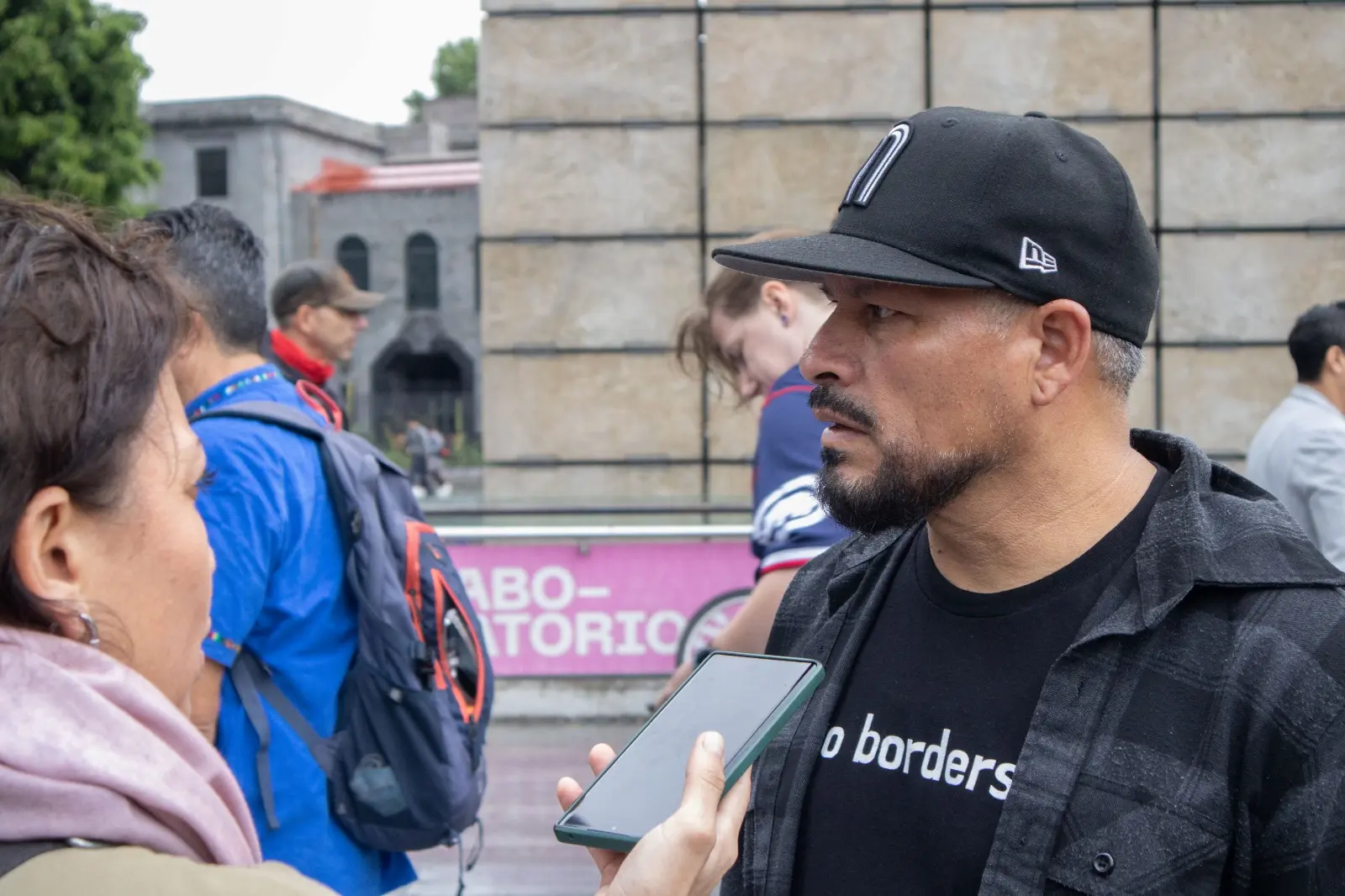
Mientras los estadios afinan los últimos detalles para la inauguración de la Copa Mundial de la FIFA 2026 este jueves 11 de junio, una coalición de organizaciones de México, Estados Unidos y Canadá aprovechó la atención global sobre el torneo para colocar en el centro de la conversación temas que consideran ausentes de la narrativa oficial: desapariciones, migración, violencia armada, desplazamiento forzado, crisis climática y derechos laborales.
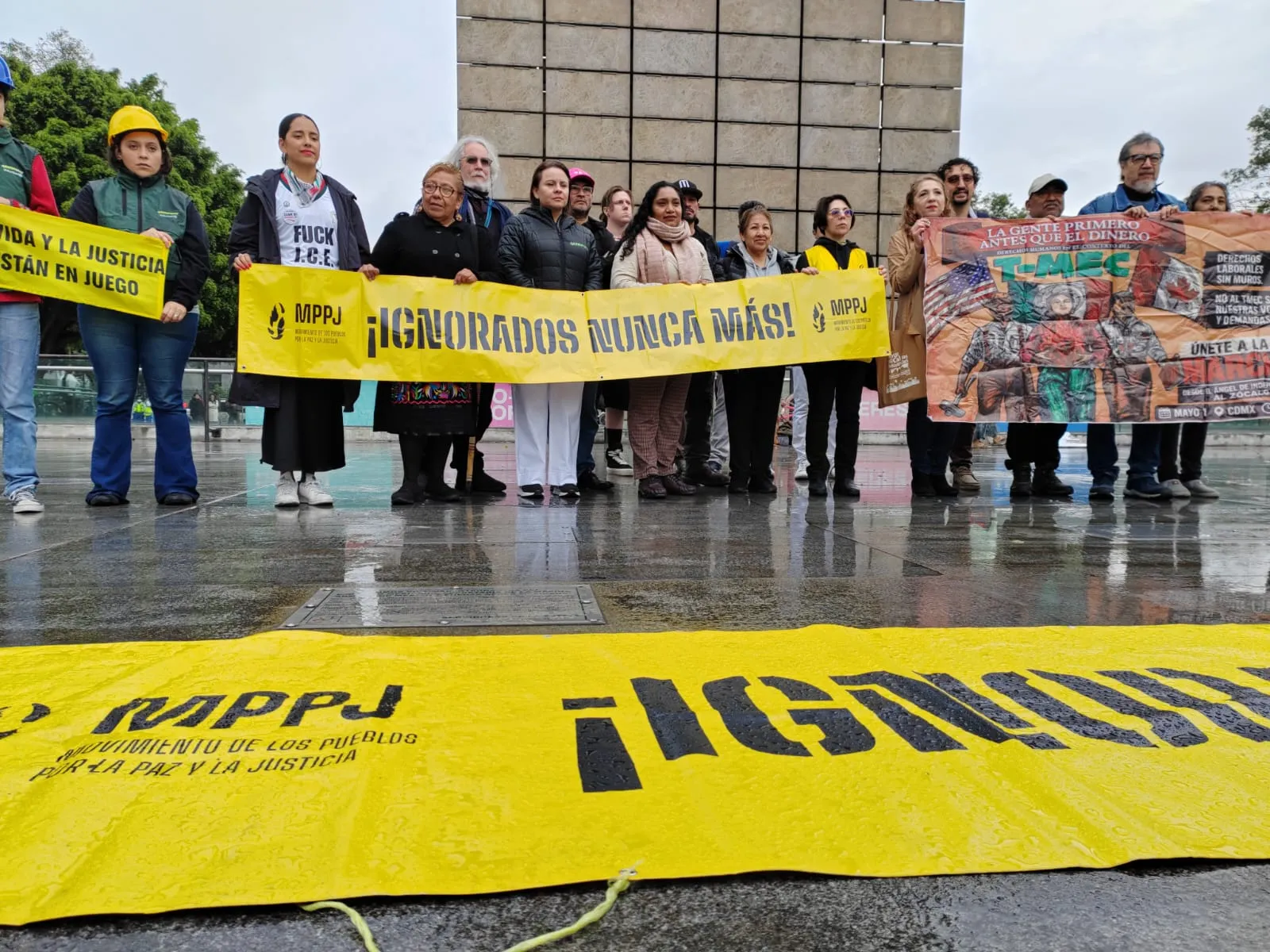
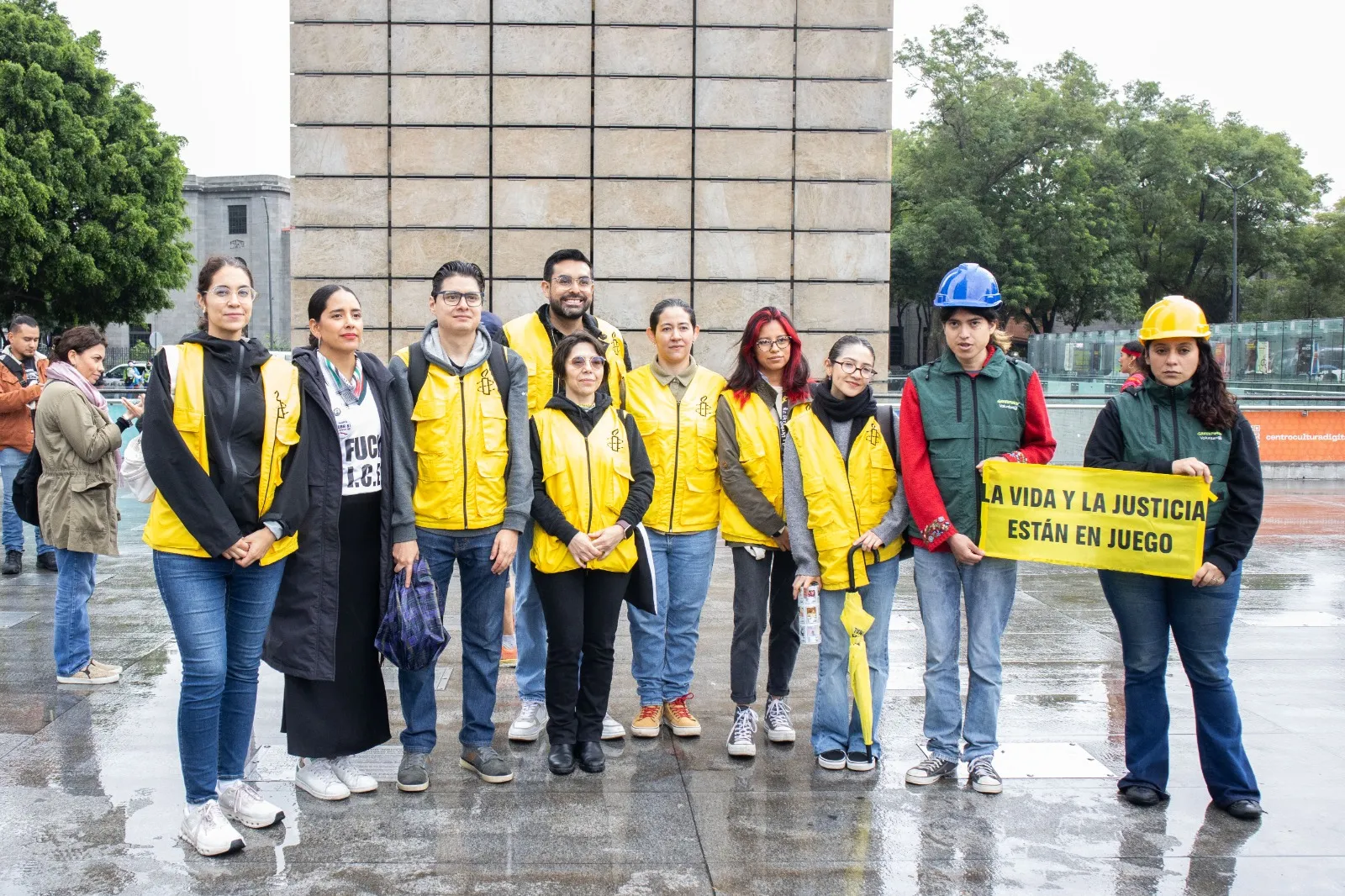
La mañana de este martes, activistas, familiares de personas desaparecidas, defensores de derechos humanos y organizaciones ambientales se reunieron en la Estela de Luz, sobre Paseo de la Reforma, donde desplegaron una lona de gran formato y presentaron una agenda conjunta dirigida a los gobiernos de los tres países anfitriones del Mundial.
Activistas, familiares de personas desaparecidas, defensores de derechos humanos y organizaciones ambientales desplegaron una lona y presentaron una agenda conjunta dirigida a los gobiernos de los tres países anfitriones del Mundial en la Estela de Luz. Foto: Hans Leguízamo | P360P | Terra 360
El mensaje fue claro: detrás de la fiesta futbolística más importante del planeta persisten problemas que afectan a millones de personas en Norteamérica.
“En este momento en el que el mundo entero está viendo a México, Estados Unidos y Canadá, es el momento preciso para resaltar que no todo es dinero, que no todo es el gran capital invertido en la Copa Mundial”, afirmó Elena Gutiérrez, directora del programa México-Estados Unidos de Global Exchange.
Elena Gutiérrez, directora del programa México-Estados Unidos de Global Exchange, señaló: “En este momento en el que el mundo entero está viendo a México, Estados Unidos y Canadá, es el momento preciso para resaltar que no todo es dinero”. Foto: Hans Leguízamo | P360P | Terra 360
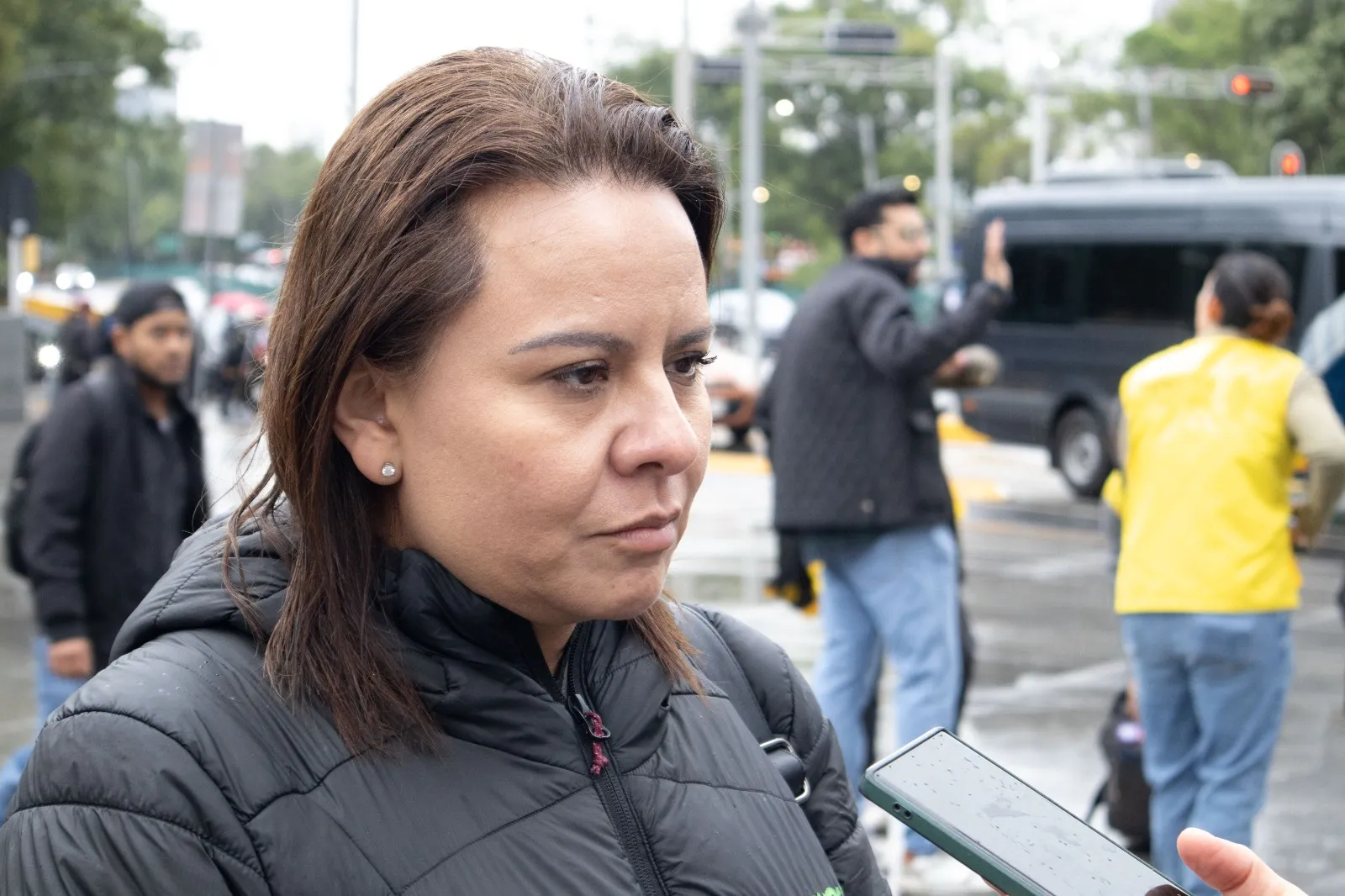
La activista explicó que las organizaciones buscan aprovechar la visibilidad internacional del torneo para exigir compromisos concretos de los gobiernos en materia de derechos humanos, protección ambiental y justicia social.
“Necesitamos una respuesta ahora y de manera urgente”, agregó.
Uno de los temas que más resonó durante la conferencia fue la crisis de desapariciones que enfrenta México. Foto: Hans Leguízamo | P360P | Terra 360
Uno de los temas que más resonó durante la conferencia fue la crisis de desapariciones que enfrenta México.
Mina Ruiz, madre de Roberto Córdova Ruiz, desaparecido en Tamaulipas en 2010, recordó que el país supera las 134 mil personas desaparecidas y no localizadas.
“Ellos dicen muy campantes: la pelota vuelve a casa. ¿Y nuestros hijos? ¿Ellos cuándo van a volver a casa?”, cuestionó.
La frase provocó uno de los momentos más emotivos del acto y sintetizó el reclamo de cientos de familias que continúan buscando a sus seres queridos.
La directora ejecutiva de Amnistía Internacional México, Edith Olivares Ferreto, señaló que la desaparición de personas sigue siendo una de las crisis más graves de derechos humanos en el país.
“En México está en juego el acceso a la verdad, la memoria, la justicia y la reparación del daño”, afirmó.
Olivares recordó que miles de madres, esposas, hermanas e hijas continúan realizando labores de búsqueda que deberían corresponder a las instituciones del Estado.
La situación de las personas migrantes también ocupó un lugar central en la agenda presentada.
Gabriela Hernández, directora del albergue Casa Tochan, advirtió sobre el riesgo de que los operativos de seguridad vinculados a eventos internacionales terminen afectando a poblaciones vulnerables.
“Que el futbol no sea pretexto para reprimir, que el futbol no sea pretexto para lanzar otros operativos”, expresó.
La activista pidió además la creación de mecanismos que permitan la regularización temporal de personas migrantes que viven en México y que no necesariamente cumplen con los criterios para obtener refugio, pero que enfrentan condiciones de vulnerabilidad.
Desde la Red Nacional de Jornaleros, Luis Alberto Valentán compartió la experiencia de quienes han vivido durante décadas en Estados Unidos y enfrentan actualmente políticas migratorias cada vez más restrictivas.
Desde la Red Nacional de Jornaleros, Luis Alberto Valentán compartió la experiencia de quienes han vivido durante décadas en Estados Unidos y enfrentan actualmente políticas migratorias cada vez más restrictivas. Foto: Hans Leguízamo | P360P | Terra 360
“Nosotros vamos a Estados Unidos y trabajamos año con año, más de 20, 30 años, pagando ‘taxes’ (impuestos), tratando de ser buenos ciudadanos. Contribuimos no solamente con nuestras contribuciones económicas, sino culturales y generacionales”, afirmó.
La violencia armada fue otro de los ejes del encuentro.
Alberto Solís, integrante de Desarmando el Miedo, recordó que la mayoría de los homicidios registrados en México involucran armas de fuego y llamó a los gobiernos de México y Estados Unidos a asumir responsabilidades compartidas frente al tráfico de armas.
“Hoy, a dos días del inicio del Mundial de futbol en nuestra región, les decimos a los gobiernos de México y Estados Unidos que el negacionismo, la militarización y las amenazas no nos llevarán a una solución”, señaló.
En el ámbito ambiental, las organizaciones aprovecharon el escenario para advertir sobre los riesgos que enfrentan comunidades y defensores del territorio.
Gustavo Alanis, director ejecutivo del Centro Mexicano de Derecho Ambiental (CEMDA), recordó que México continúa siendo uno de los países más peligrosos para quienes defienden el medio ambiente.
De acuerdo con datos presentados por la organización, durante 2025 se documentaron 135 eventos de agresión contra personas defensoras ambientales, que derivaron en 314 agresiones específicas y 10 asesinatos.
Por su parte, Aleira Lara, directora ejecutiva de Greenpeace México, sostuvo que la emergencia climática y la pérdida de biodiversidad no pueden quedar fuera de la conversación mundialista.
Aleira Lara, directora ejecutiva de Greenpeace México, sostuvo que la emergencia climática y la pérdida de biodiversidad no pueden quedar fuera de la conversación mundialista. Foto: Hans Leguízamo | P360P | Terra 360
“No hay justicia social sin justicia ambiental”, afirmó. “Estamos aquí porque creemos que estas demandas deben estar tan visibles como el propio Mundial”.
La revisión del Tratado entre México, Estados Unidos y Canadá (T-MEC) también formó parte de las preocupaciones expresadas durante el encuentro.
Ivette Lacabada Domínguez, vocera de la Asamblea de Incidencia por los Derechos Humanos frente al T-MEC, sostuvo que la próxima revisión del acuerdo comercial debe incluir la participación de las comunidades afectadas por sus impactos.
“La revisión del T-MEC no puede seguir siendo un diálogo cerrado entre gobiernos, élites económicas y grandes corporaciones, sin considerar las necesidades y los derechos humanos de la población”, afirmó.
Mientras tanto, Teodomira Rosales, del Centro Regional de Derechos Humanos José María Morelos y Pavón, denunció la violencia que viven comunidades indígenas y afrodescendientes en Guerrero, así como el desplazamiento forzado que afecta a numerosas familias.
“Ya no aguantamos más. Alto a la violencia armada”, dijo.
El llamado se realizó apenas dos días antes de que México vuelva a ocupar el centro de la escena futbolística mundial. El próximo jueves 11 de junio, el Estadio Azteca —rebautizado temporalmente como Estadio Ciudad de México para el torneo— albergará el partido inaugural de la Copa Mundial 2026, convirtiendo a México en el primer país en organizar tres Copas del Mundo.
Para las organizaciones presentes en la Estela de Luz, la magnitud de ese escaparate internacional representa también una oportunidad única para visibilizar problemas que consideran urgentes.
Mientras el mundo cuenta las horas para el primer silbatazo, ellas buscan que la atención internacional no se quede únicamente en la cancha.
Porque, insistieron, además de goles y estadios llenos, hay otras historias que también merecen ser vistas.
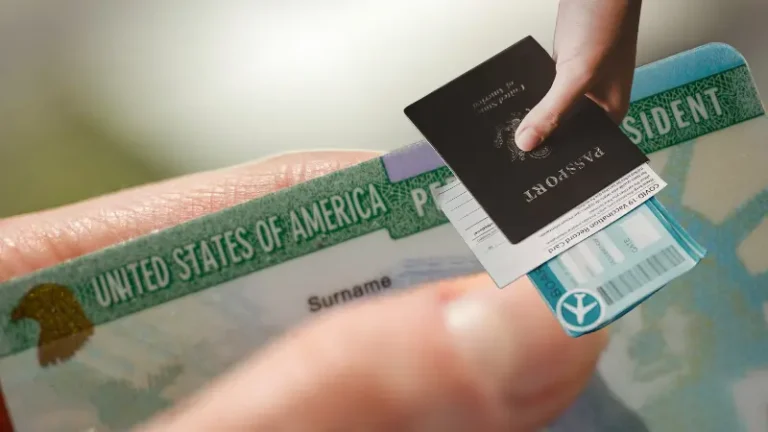
Nuevas normas para la tarjeta de residencia en EE. UU. buscan que la vía legal sea más complicada para reducir el número de inmigrantes, se emitió un memorándum que exige solicitar la residencia permanente conocida como ajuste de estatus, desde sus países de origen, en lugar de hacerlo dentro de Estados Unidos
El Servicio de Ciudadanía e Inmigración de Estados Unidos (USCIS) emitió un memorándum que exige solicitar la residencia permanente conocida como ajuste de estatus, desde sus países de origen, en lugar de hacerlo dentro de Estados Unidos, lo que ha generado incertidumbre para aquellos ciudadanos que buscan una vía legal de permanencia.
“Lo que preocupa es que este memorándum marque el ejercicio de la distinción de una manera particular que cause daño a muchas personas que están en este proceso”, dijo Jeff Joseph, presidente de la asociación estadounidense de abogados de inmigración, durante una sesión informativa realizada por American Community Media (ACoM).
Joseph, puntualizó que estos cambios son parte de la retórica que ha implementado Donald Trump, agregando, “cuando esta administración fue elegida, el mandato fue cerrar la inmigración ilegal y legal, su enfoque fue en la frontera, han implementado rápidamente un número de arrestos y se ha logrado no solo persiguiendo a los delincuentes sino también a los inmigrantes”.
El Servicio de Ciudadanía e Inmigración de Estados Unidos (USCIS) emitió el memorándum de política PM-602-0199, que establece cambios para el ajuste del estatus migratorio. Con estos cambios, los trámites de solicitud se deben realizar fuera del país en los consulados.
Lo que deja prácticamente sin posibilidades de llegar a una vía legal y segura, pues el memorándum contempla algunas excepciones para solicitantes con circunstancias extraordinarias, pero esta excepción queda a la interpretación y escrutinio del funcionario consular.
Xiao Wang, cofundador y director ejecutivo de Boundless Immigration, habló sobre los matrimonios, pues se realiza una investigación profunda para este tipo de situaciones, donde un turista llega al país por cierto motivo, pero se enamora de algún ciudadano y se casan, entonces solicitan ajustar su estatus.
“El gobierno debe entender que los planes y la vida cambian”, expresó Wang, agregando que aplicar desde fuera del país no es práctico, pues puede llevar años en dar una solución, entonces las personas deben cambiar su vida y la de sus familias
“Ahora no queda claro cuál será el futuro y cómo aplicar sus planes, pueden perder a personas valiosas que están calificadas con experiencia de años y el capital humano puede ser afectado”, comentó Wang al resaltar las consecuencias en el área laboral.
Julia Gelatt, directora asociada del programa de política de inmigración en el Instituto de Política Migratoria, expresó que cada año cientos de personas reciben tarjetas verdes por sus esposos que son ciudadanos americanos y este memorándum crea sospechas sobre si esto podrá continuar legalmente.
“Mientras entraban legalmente, podían cambiar su estatus, pero ahora, bajo el nuevo memorándum, a los oficiales de inmigración se les permite usar su discreción para analizar si se les puede aprobar su cambio de estatus”, comentó Gelatt.
Para Gelatt, los casos más complicados son para aquellos que llegaron por la vía legal y quieren permanecer, pues ahora deben regresar a su país de origen a realizar el trámite correspondiente, sumado a esto, “la visa para inmigrantes está pausada en unos 91 países y los que han pasado por lo menos un año sin tener un estatus, pueden llegar a la prohibición de por lo menos 10 años”.
“Este memorándum viene de muchas acciones realizadas por parte de la administración Trump y hace que sea casi imposible entrar de manera legal a Estados Unidos”.
Los expertos coincidieron en que esto, busca cerrar las opciones legales para los inmigrantes y dejarlos fuera, es un riesgo para todos los estatus migratorios pues queda a consideración de las autoridades, generando una incertidumbre entre los ciudadanos que desean buscar una vía legal de permanencia.
Redwood City prioriza vivienda y seguridad en su presupuesto recomendado para el año fiscal 2026-2027.
Redwood City presentó su presupuesto recomendado para el año fiscal 2026-2027, una propuesta que mantiene las inversiones en vivienda, seguridad pública, transporte y programas comunitarios, mientras la ciudad se prepara para un panorama financiero más desafiante en los próximos años.
El presupuesto será presentado al Concejo Municipal este 8 de junio y está programado para su adopción formal el 22 de junio.
“Este presupuesto mantiene el enfoque de Redwood City en los servicios, la infraestructura y las prioridades comunitarias que más importan a los residentes”, afirmó el administrador municipal Patrick Heisinger. “Aunque operamos en un entorno fiscal más restringido, Redwood City sigue siendo financieramente estable y está bien posicionada para el futuro”.
La propuesta contempla ingresos y transferencias por 213.7 millones de dólares para el Fondo General y gastos operativos por 226 millones de dólares. La diferencia se cubrirá parcialmente mediante recursos extraordinarios disponibles, mientras que la reserva del Fondo General, equivalente al 15 por ciento del presupuesto, permanecerá completamente financiada.
Además, el plan incluye 40.5 millones de dólares en inversiones de capital destinadas a instalaciones públicas, estacionamientos, parques, sistemas de alcantarillado, drenaje pluvial, transporte e infraestructura hidráulica.
La vivienda continúa siendo una de las principales prioridades de la ciudad. El presupuesto mantiene recursos para la Estrategia Anti desplazamiento, la Ordenanza de Protección a Inquilinos, programas de preservación de vivienda asequible, asesoría para propietarios e inquilinos, asistencia para reparaciones de viviendas y servicios para personas sin hogar.
En mayo pasado, el Concejo Municipal comprometió cerca de 13 millones de dólares para nuevos proyectos de vivienda asequible, una de las inversiones más importantes realizadas recientemente por la ciudad en este rubro.
La propuesta también mantiene inversiones en seguridad pública. Entre ellas destaca la restauración de fondos para dos plazas de oficiales de policía que anteriormente no contaban con financiamiento, así como recursos adicionales para capacitación del Departamento de Bomberos, mitigación de incendios en parques y espacios abiertos, y proyectos de ciberseguridad para proteger sistemas municipales.
En materia de transporte, el presupuesto impulsa proyectos enfocados en la seguridad vial y la movilidad, incluyendo iniciativas como Vision Zero y Complete Streets, mejoras para peatones y ciclistas, rehabilitación de pavimento y avances en proyectos como Vera Avenue Bicycle Boulevard, Broadway Complete Streets y la modernización del intercambio vial entre la autopista 84 y la U.S. 101.
Los programas para niños, jóvenes y familias también conservan un lugar central dentro del plan financiero. La ciudad continuará respaldando actividades recreativas, programas deportivos, servicios bibliotecarios, Project READ, centros comunitarios y la finalización de la renovación de Hoover Park.
Entre las nuevas iniciativas figura un programa piloto denominado Equipo de Respuesta Vecinal, que atendería problemas como tiraderos ilegales de basura, limpieza de campamentos, condiciones de deterioro urbano y violaciones a reglamentos municipales, con el objetivo de responder más rápidamente a las preocupaciones de los residentes.
Pese a las inversiones propuestas, las autoridades reconocieron que el panorama financiero se ha vuelto más complejo debido a la disminución de algunos ingresos, la pérdida de subvenciones y la falta de financiamiento estatal de reemplazo relacionado con las cuotas de licencias vehiculares.
Las proyecciones de la ciudad indican que el Fondo General podría enfrentar déficits anuales de entre 22 y 29 millones de dólares a partir del año fiscal 2027-2028.
Ante ello, Redwood City continuará evaluando estrategias financieras de largo plazo y colaborando con otras jurisdicciones del condado de San Mateo para recuperar recursos estatales que podrían representar aproximadamente 5 millones de dólares anuales para la ciudad.
A pesar de los desafíos, las autoridades sostienen que el presupuesto mantiene las inversiones necesarias para fortalecer la calidad de vida, mejorar la infraestructura y responder a las prioridades de una comunidad en constante crecimiento.
El futuro de una propuesta de control de rentas en Redwood City podría definirse hoy lunes 8 de junio. Foto: Pexels
El futuro de una propuesta de control de rentas en Redwood City podría definirse hoy lunes 8 de junio, cuando el Concejo Municipal vote si adopta la medida como ley local o la envía a las urnas para que sea decidida por los electores en noviembre de 2026.
La decisión llega después de que líderes comunitarios afiliados a Faith in Action Bay Area reunieran más de 7 mil 500 firmas de apoyo para la denominada Ordenanza de Vivienda Justa y Asequible de Redwood City, una cifra que superó ampliamente las 4 mil 500 firmas necesarias para calificar la iniciativa.
La certificación oficial fue emitida el pasado 19 de mayo por la Ciudad de Redwood City y la Oficina Electoral del Condado de San Mateo.
Antes de la sesión del Concejo, un grupo intergeneracional de líderes comunitarios ofrecerá una conferencia de prensa frente al Ayuntamiento para pedir la aprobación de la medida. Los organizadores prevén la participación de residentes de distintas edades que se manifestarán en inglés y español.
La propuesta surge en medio de la creciente preocupación por el costo de la vivienda en Redwood City, una de las ciudades más caras de la Península de San Francisco.
De acuerdo con los promotores de la iniciativa, los alquileres en edificios de apartamentos más antiguos han aumentado 57 por ciento durante los últimos 15 años. Asimismo, sostienen que aproximadamente 40 mil residentes tendrían una mayor estabilidad habitacional si la medida entra en vigor.
Los impulsores del proyecto afirman que el aumento de los alquileres ha sido impulsado en gran medida por propietarios corporativos y fideicomisos inmobiliarios, que poseen alrededor del 87 por ciento de los complejos de apartamentos de la ciudad.
Según los organizadores, la ordenanza busca fortalecer la estabilidad de los vecindarios, ayudar a que las familias permanezcan en la comunidad y reducir el desplazamiento de residentes de larga trayectoria, al tiempo que garantiza un rendimiento justo para los pequeños propietarios.
La conferencia de prensa está programada para las 17:30 horas frente al Ayuntamiento de Redwood City, ubicado en el 1017 de Middlefield Road. La reunión del Concejo Municipal comenzará a las 18:00 horas, cuando residentes y defensores de la propuesta tendrán oportunidad de presentar comentarios públicos antes de la votación.
La decisión de este lunes podría marcar un momento clave en el debate sobre vivienda asequible en Redwood City y definir si la ciudad adopta directamente nuevas reglas de control de rentas o deja la decisión final en manos de los votantes durante las elecciones de noviembre de 2026.
Entretenimiento de la Península, este verano llega música en vivo, juegos y actividades comunitarias en uno de los espacios más concurridos del centro de Redwood City.
Redwood City pondrá en marcha este verano la primera Zona de Entretenimiento de la Península de San Francisco, una iniciativa que busca impulsar la actividad económica en el centro de la ciudad, atraer visitantes y transformar la experiencia de quienes recorren el corredor peatonal de Broadway.
El programa piloto arrancará con tres activaciones especiales programadas para el 11 de junio, el 20 de junio y el 18 de julio, fechas en las que residentes y visitantes podrán disfrutar de música en vivo, juegos y actividades comunitarias en uno de los espacios más concurridos del centro de Redwood City.
“El centro de Redwood City ya es uno de los espacios públicos más vibrantes de la Península, y la Zona de Entretenimiento nos brinda una nueva manera de apoyar a los negocios locales, reunir a las personas y crear una experiencia acogedora en Broadway”, afirmó el alcalde Elmer Martínez Saballos.
La nueva Zona de Entretenimiento está ubicada en la cuadra 2000 de Broadway, entre Jefferson Avenue y Main Street, así como a lo largo de Redwood Creek hasta el estacionamiento de Main Street.
El Concejo Municipal aprobó oficialmente la creación de esta área el pasado 11 de mayo como parte de una estrategia más amplia para fortalecer la vitalidad económica del centro de la ciudad y aumentar el flujo peatonal hacia comercios, restaurantes y espacios públicos.
La iniciativa permitirá que personas mayores de 21 años consuman bebidas alcohólicas en espacios públicos designados durante horarios específicos y únicamente cuando la Zona de Entretenimiento se encuentre activada por la ciudad.
Las bebidas deberán ser adquiridas en negocios participantes y servidas en recipientes autorizados. Además, estará prohibido ingresar o retirar bebidas alcohólicas del perímetro establecido.
Las autoridades señalaron que la zona solo podrá activarse durante eventos especiales organizados por la ciudad y que los residentes y comerciantes serán notificados con al menos 72 horas de anticipación.
El 18 de julio, una de las activaciones coincidirá con las actividades previas a la transmisión del partido por el tercer lugar del torneo internacional de fútbol que se proyectará en Courthouse Square como parte del programa Soccer on the Square, creando una experiencia conjunta para visitantes y aficionados.
La ciudad informó que los eventos podrán realizarse cualquier día de la semana entre las 10 de la mañana y las 10 de la noche, siempre y cuando al menos un negocio ubicado dentro de la zona participe en la activación.
Funcionarios municipales señalaron que el proyecto busca aprovechar el creciente atractivo del centro de Redwood City, que en los últimos años se ha consolidado como uno de los principales polos gastronómicos, culturales y de entretenimiento de la Península de San Francisco.
Las primeras activaciones se realizarán el 11 de junio de 15:00 a 17:00 horas, el 20 de junio de 13:00 a 15:30 horas y el 18 de julio de 11:00 a 13:30 horas en el corredor peatonal de Broadway, en el corazón del centro de Redwood City.
– El autor y cineasta Curtin Chin habla de sus memorias ‘Todo lo que aprendí, lo aprendí en un restaurante chino’ y de cómo muchos inmigrantes de diversas comunidades se identifican
Curtis Chin dijo que sus memorias exploran la interrogante con la que luchan los inmigrantes, quedarse o irse.
Recién llegado de una gira de presentación por diez países sobre su libro “Everything I Learned, I Learned in a Chinese Restaurant” (en español Todo lo que aprendí, lo aprendí en un restaurante chino), Curtis Chin dijo que sus memorias exploran la interrogante con la que luchan los inmigrantes, quedarse o irse.
Basado en su propia experiencia al crecer como chino-estadounidense en el Detroit de la década de 1980, el restaurante familiar de Chin, Chung’s Cantonese Cuisine, sirvió como punto de encuentro para los residentes que lidiaban con tensiones raciales y económicas, así como con el primer crimen de odio registrado el asesinato de Vincent Chin en 1982, quien a los 27 años fue brutalmente golpeado hasta morir en Highland Park, Michigan.
“Personalmente conocí a cinco personas asesinadas cuando tenía 18 años, pero a pesar de eso, teníamos este fabuloso restaurante chino en el centro de la ciudad donde mis padres pudieron criarme a mí y a mis cinco hermanos, y tuve una infancia maravillosa”.
En una sesión informativa especial organizada por American Community Media (ACoM) para conmemorar el Mes de la Herencia de los Asiático-Estadounidenses y de las Islas del Pacífico (AAPI), Chin dijo que escribir el libro es un agradecimiento a sus padres pero también un homenaje a su ciudad natal de Detroit, porque considera que mucha gente todavía malinterpreta esta ciudad.
“El libro está dividido en tres secciones de ocho historias cada una, porque para muchos chinos, 888 es buena suerte, así que hay ocho historias en la escuela primaria, ocho en la secundaria, ocho en la preparatoria y ocho en la universidad”.
Explicó que empezó el prólogo hablando del viaje de su familia al Medio Oeste en el siglo XIX porque no cree que se pueda conocer la historia de una persona a menos que se conozca la historia de su familia.
“Bienvenidos a Chung’s. ¿Es para llevar? Armado con una sonrisa y una chaqueta roja de camarero con una mancha perpetua de salsa de ciruela, así era como mi padre saludaba a cualquier cara nueva que entraba al vestíbulo de nuestro popular restaurante chino en Detroit”, escribió Chin en su libro.
Comentó que curiosamente, su tatarabuelo Gong Li Chin se enfrentó a la misma pregunta a finales del siglo XIX, cuando estaba solo y con frío en un muelle destartalado de Guangzhou, China, tratando de decidir su futuro y el de su joven y empobrecida familia: quedarse aquí o irse.
“Al crecer, fue una pregunta que me hice a mí mismo, en la larga y abierta cocina trasera de nuestro restaurante, donde mi familia preparaba algunos de nuestros platos más populares, incluyendo el sabroso cerdo a la barbacoa y las galletas de almendras con el mejor aroma”.
El prólogo de su libro sigue el viaje de Gong Li Chen y cómo se mudó de Cantón, China, a Cantón, Ohio, antes de darse cuenta de que en realidad no había chinos allí; y se fue a Detroit donde la industria automotriz estaba empezando”.
Intentó conseguir trabajo en una de las fábricas, pero aquellos primeros inmigrantes sufrían mucha discriminación, así que no pudo encontrar trabajo allí, y entonces aceptó lo único disponible: lavar ropa a mano.
“Trabajó muy, muy duro, ahorró dinero y abrió su propia lavandería. Y la razón por la que este hecho es significativo es porque cuando Estados Unidos promulgó la Ley de Exclusión China, fue la primera vez que se prohibió la entrada al país a cierta población con dos excepciones para estudiantes y dueños de negocio”.
Dijo que dado que era dueño de su propio negocio, pudo patrocinar la llegada de su hijo y, más tarde, la de su nieto; y es precisamente por eso que su familia cuenta con una larga historia de inmigración a Estados Unidos.
“Abrieron su primera tienda de comestibles en la década de los veinte; en 1940 inauguraron Chung’s Cantonese Cuisine, el restaurante en el que yo crecí; esta trayectoria continuó ininterrumpidamente hasta la década de los sesenta”.
Dijo que en aquel entonces, Estados Unidos atravesaba la lucha por los derechos civiles, había mucha más violencia; ciudades enteras, como Detroit, ardían en llamas, la gente moría asesinada en plena calle, y fue necesario movilizar a la Guardia Nacional para sofocar la violencia.
“Como consecuencia, la ciudad entera de Detroit permaneció cerrada durante cinco días consecutivos. Mis padres tuvieron que buscar algo que hacer durante ese tiempo. ¿Y qué hicieron mis padres? Tuvieron relaciones sexuales y nueve meses después, nací yo: su «bebé de los disturbios”.
Señaló que la gente siempre le pregunta por qué habla tanto de justicia social, y responde que escribió un libro porque sin aquel incidente, probablemente no estaría aquí.
“El libro es una mirada humorística y alegre al hecho de crecer en una de las grandes ciudades estadounidenses, Detroit, durante una época crucial; no solo en la historia de la ciudad, sino también en la de Estados Unidos”.
Dijo que si pensamos en muchos de los problemas que estamos atravesando hoy en día, gran parte de las semillas se sembraron y pusieron en marcha precisamente en aquel entonces.
“Por eso creo que este libro resulta sumamente oportuno en el momento actual, ya que aborda muchas cuestiones relacionadas con la identidad racial y la convivencia entre distintas comunidades”.
Dijo que su frase favorita de todo el libro, habla sobre la experiencia de la inmigración, y la abordó desde la perspectiva de un momento en el que su familia se encontraba en el cementerio celebrando el Ching Ming (el Día de Limpieza de Tumbas), una festividad china muy tradicional, mientras conversábamos sobre nuestros antepasados.
Fue cuando pensó que su familia prosperó gracias a Estados Unidos, pero Estados Unidos también prosperó gracias a su familia.
“Para mí, eso lo resume todo. La realidad es que los inmigrantes llegan a este país y contribuyen enormemente a su riqueza. La gente afirma que vienen simplemente a aprovecharse, pero nada más lejos de la verdad, pues Estados Unidos no sería Estados Unidos y el éxito que ha alcanzado no estaría al mismo nivel si no fuera por la llegada de los inmigrantes”.
¿Dónde encontrar el libro?
Fue publicado por Little Brown, considerada una de las cinco grandes editoriales, pero pueden conseguirlo en cualquier lugar, Barnes & Noble o Amazon. Si prefieren apoyar a una librería independiente, pueden visitar bookshop.org.
¿Qué pueden aprender de esta obra otras comunidades, en particular, la comunidad latina o hispana?
No es más que la historia de una familia que trabaja unida en un negocio familiar, intentando ayudarse mutuamente y lidiando con las dificultades que los rodean. Se me ha acercado muchísima gente, incluidos muchos latinos para decirme cosas como ¡Oh, mi familia tiene un restaurante mexicano! ¡Es exactamente igual a mi propia experiencia!
Por eso creo que, en ese sentido, la historia posee un aspecto universal; y, en realidad, trata en gran medida sobre lo que significa encontrar tu lugar en el mundo.
De ahí esa frase inicial: ¿Es hora de irse? Es un tema recurrente en el libro y algo con lo que, como bien saben, con el que los inmigrantes que dejan su país para venir a Estados Unidos a menudo lidian, aunque, en realidad, es algo a lo que nos enfrentamos todos. Siempre llega un momento en la vida en el que te planteas esa idea ¿Es hora de irme?
Siento que esa fue precisamente la reflexión que tuve en Detroit; porque, por mucho que me encantara estar rodeado de mi familia y disfrutar de toda esa fantástica comida china.
Sencillamente, tuve que tomar una decisión personal y asumir que necesitaba seguir adelante. Y creo que eso es algo con lo que todo el mundo tiene que lidiar, especialmente los inmigrantes que dejan su país de origen para venir a Estados Unidos; pero, en realidad, creo que le sucede a cualquiera: siempre llega ese momento en la vida en el que te preguntas ¿Es hora de seguir adelante?
San José State University ha arrasado con la competencia en una evaluación nacional de habilidades técnicas y de informática, superando a Stanford, Caltech y UC Berkeley. Foto: Facebook San Jose State University
The Universidad Estatal de San José ha arrasado con la competencia en una evaluación nacional de habilidades técnicas y de informática, superando a Stanford, Caltech y UC Berkeley.
Desde 2021, la SJSU ha escalado 47 posiciones hasta convertirse en la segunda mejor universidad del país en programación basada en datos e ingeniería de software, justo detrás del Instituto Tecnológico de Massachusetts (MIT). La universidad ofrece una maestría en inteligencia artificial y cursos de programación avanzada, aprendizaje automático y robótica, lo que ha impulsado el conocimiento de sus estudiantes y el prestigio de la institución a la cima de la clasificación.
La presidenta Cynthia Teniente-Matson es una figura clave en la adopción de la IA por parte de la universidad para potenciar a profesores y estudiantes. La universidad adoptó esta tecnología emergente tras la inversión de 16.9 millones de dólares que la Universidad Estatal de California realizó en OpenAI para adquirir 500 mil licencias de ChatGPT.edu para estudiantes, profesores y personal administrativo de la CSU en 2025.
“Creo que debemos profundizar bastante en ello e integrarlo en todo lo que hacemos, incluidos nuestros procesos administrativos”, dijo Teniente-Matson en el podcast de IA de Nvidia. “Si estudias en nuestros programas de ingeniería e informática, están muy avanzados. Y eso representa una verdadera ventaja competitiva para nuestros estudiantes”.
Teniente-Matson no estuvo disponible para hacer comentarios.
Jorjeta Jetcheva, directora del Departamento de Ingeniería Informática, afirmó que los estudiantes se benefician de contar con profesores que trabajan en la industria tecnológica. La Universidad Estatal de San José ofrece licenciaturas centradas en software y hardware, y maestrías en ingeniería informática e inteligencia artificial. Añadió que la universidad se está adaptando y ampliando rápidamente su oferta académica para brindar un mejor apoyo a los intereses y oportunidades laborales de los estudiantes. Además, los estudiantes colaboran con el profesorado en la publicación de investigaciones sobre IA.
“Tenemos bastantes profesores que investigan en inteligencia artificial”, declaró a San José Spotlight. “Estamos en proceso de lanzar una subespecialización en inteligencia artificial para todos los estudiantes de la Facultad de Ingeniería. Ya contamos con una subespecialización en robótica. La estamos ampliando para incluir una especialización en algoritmos o software para estudiantes de pregrado”.
Además de asistir a eventos en el campus, Jetcheva afirmó que empresas colaboradoras como Nvidia, Apple, Microsoft, Amazon y Qualcomm contratan regularmente a graduados de SJSU.
“Recientemente organizamos un evento con la participación de unos 40 exalumnos y colaboradores de la industria. Hablamos sobre el futuro del plan de estudios de ingeniería de software y les pedimos su opinión”, comentó. “Esa es otra forma en que intentamos asegurarnos de que lo que enseñamos sea relevante y que podamos seguir actualizándolo”.
Incluso antes de que el sistema CSU se asociara con OpenAI, la Universidad Estatal de San José atraía a estudiantes de todo el mundo interesados en la tecnología más avanzada.
Anoushka Gade, originaria de la India y graduada de la Universidad Estatal de San José (SJSU) con una maestría en IA en 2023, dijo que sus cursos le enseñaron a aplicar la investigación a aplicaciones prácticas.
“En 2021, cuando el entusiasmo por la IA no era tan grande, teníamos proyectos relacionados con la generación aumentada de recuperación”, declaró a San José Spotlight. “Está muy por delante de su tiempo y se ajusta perfectamente a las necesidades del sector”.
Shishir Dongre, otro graduado de la India que obtuvo una maestría en informática en la SJSU, comentó que sus cursos avanzados en temas como inteligencia artificial le ayudaron a conseguir una pasantía y un empleo en Amazon. Añadió que, además de la oferta académica de la universidad, su cercanía a eventos como los hackatones fue un factor determinante, ya que le permitió establecer contactos y adquirir habilidades avanzadas.
“Cuando asistes a eventos organizados por empresas como Google o Amazon, aprendes muchísimo en muy poco tiempo”, declaró a San José Spotlight. “Es una gran ventaja, y aquí se celebran hackatones y eventos tecnológicos constantemente”.
La ubicación de la universidad en el corazón de Silicon Valley facilita la colaboración con las principales empresas del sector. Ahmed Banafa, profesor de la Facultad de Ingeniería Charles W. Davidson de la SJSU y experto en tecnologías de IA, afirmó que los ponentes invitados de Google y Nvidia brindan a sus estudiantes una perspectiva de lo que sucede en la industria, creando un vínculo entre el aula y el mundo tecnológico.
Banafa afirmó que la IA, el aprendizaje automático, la ciberseguridad, la computación en la nube, la tecnología blockchain, la computación cuántica y la robótica tienen una gran demanda en la SJSU. Añadió que, dado que los estudiantes reciben formación en las últimas tecnologías, lo que aprenden les resulta directamente aplicable al graduarse.
Según explicó, la Facultad de Ingeniería también cuenta con la ventaja de tener un consejo asesor de la industria, integrado por expertos de renombre, directores ejecutivos, ingenieros y altos directivos de diferentes empresas.
“Les mostramos lo que estamos haciendo… y nos dicen: ‘Esto está obsoleto’ o ‘Esto está bien’… y nos dan algunos consejos”, declaró a San José Spotlight.
Ethel Tshukudo, profesora adjunta de informática y didáctica de las ciencias en la SJSU, no se sorprende de que la universidad haya recibido una alta clasificación.
“Nuestros estudiantes… tienen mucha energía, tienen sed de conocimiento, quieren aprender informática, quieren aprender tecnología y… crecer”, declaró a San José Spotlight. “En lugar de evitar la IA, queremos encontrar la manera de integrarla en nuestras aulas”.
Francia llega al Mundial 2026, un análisis realizado con inteligencia artificial colocó a la selección francesa como la principal favorita para conquistar el torneo más grande en la historia del fútbol.
Mientras millones de aficionados afinan sus pronósticos para el Mundial 2026, los algoritmos ya emitieron su veredicto: Francia levantará la copa el próximo 19 de julio.
A pocos días del arranque de la Copa Mundial de la FIFA 2026 en México, Estados Unidos y Canadá, un análisis realizado con inteligencia artificial colocó a la selección francesa como la principal favorita para conquistar el torneo más grande en la historia del fútbol.
La predicción fue elaborada por ActionNetwork.com utilizando el modelo de inteligencia artificial Claude Sonnet 4.6, que procesó más de mil 200 puntos de datos y 25 variables relacionadas con las 48 selecciones participantes.
El resultado proyecta un camino exitoso para Francia hasta la final, donde derrotaría a Argentina en una reedición del duelo que definió el título mundial en Catar 2022.
Según el análisis, las cuatro selecciones que llegarán a las semifinales serán Francia, España, Inglaterra y Argentina, una combinación que reúne a algunos de los planteles más talentosos y valiosos del planeta.
Las herramientas tecnológicas han cambiado la manera de ver el mundo, la inteligencia artificial ha indicado que Francia llegará como la selección que los algoritmos consideran destinada a reinar nuevamente en el fútbol mundial.
Pero ¿por qué Francia?
La inteligencia artificial señala varios factores. El primero es el extraordinario valor de mercado de su plantilla, estimado en mil 480 millones de euros, el más alto entre todas las selecciones clasificadas. A ello se suma la experiencia de Didier Deschamps, quien acumula más de una década al frente de la selección francesa, además del peso de figuras como Kylian Mbappé, considerado uno de los futbolistas más determinantes del mundo.
Para construir su pronóstico, la IA no solo tomó en cuenta resultados recientes. También analizó el historial de cada selección en Copas del Mundo, campañas clasificatorias, desempeño en torneos continentales, estadísticas ofensivas y defensivas, valor de mercado de los jugadores, experiencia de los entrenadores e incluso factores logísticos relacionados con viajes y preparación previa al torneo.
En total, el sistema simuló los 104 partidos del campeonato, desde la fase de grupos hasta la gran final.
Sin embargo, el estudio también deja espacio para las sorpresas, uno de los ingredientes que han convertido a los Mundiales en una de las competencias deportivas más impredecibles del planeta.
Entre los llamados “caballos negros” del torneo, la inteligencia artificial destaca a Noruega como la selección con mayores posibilidades de romper los pronósticos.
La explicación tiene nombre y apellido: Erling Haaland y Martin Ødegaard.
La IA considera que la combinación entre el poder goleador de Haaland, la creatividad de Ødegaard y una sólida campaña clasificatoria podría convertir a los noruegos en una de las revelaciones del campeonato, en lo que será su primera participación mundialista desde Francia 1998.
La lista de posibles sorpresas incluye además a Austria, Bosnia y Herzegovina, Marruecos y la República Democrática del Congo.
El análisis llega en un momento de enorme expectativa para Norteamérica. El Mundial 2026 será histórico no solo por contar con 48 selecciones por primera vez, sino porque México se convertirá en el primer país en albergar tres Copas del Mundo, tras las ediciones de 1970 y 1986.
Además, el torneo reunirá a algunas de las mayores figuras del fútbol internacional en lo que podría representar la última Copa del Mundo para varias estrellas de la actual generación.
Por supuesto, los algoritmos no juegan partidos.
La historia de los Mundiales está llena de selecciones que desafiaron las estadísticas, derribaron predicciones y escribieron capítulos inolvidables. Nadie anticipó la irrupción de Croacia en 2018 ni la histórica campaña de Marruecos en 2022.
Pero si los números tienen razón, Francia llegará a Norteamérica con algo más que talento y experiencia: llegará como la selección que los algoritmos consideran destinada a reinar nuevamente en el fútbol mundial. Ahora le toca al balón confirmar —o desmentir— la profecía.
Medidas B y C en Condado de San Mateo, relativas a bonos escolares e impuestos, no alcanzan el umbral de votos necesario, mientras que la medida A parece encaminarse a su aprobación.
By Alise Maripuu. Bay City News. Peninsula 360 Press.
Los primeros resultados electorales no oficiales en el condado de San Mateo muestran que las medidas B y C, relativas a bonos escolares e impuestos, no alcanzan el umbral de votos necesario, mientras que la medida A parece encaminarse a su aprobación.
La medida A, que permitiría al distrito escolar de Ravenswood emitir bonos de hasta 70 millones de dólares para proyectos de infraestructura, recibió el 66 por ciento de los votos a las 00:30 horas de la noche de las elecciones. La medida necesita el 55 por ciento de los votos para ser aprobada.
El dinero ayudaría a construir aulas adicionales, necesarias según el distrito debido al aumento previsto de la matrícula tras el cierre de la escuela primaria. Esta escuela, gratuita y financiada por el multimillonario Mark Zuckerberg y su esposa Priscilla Chan, cerrará sus puertas este verano en East Palo Alto.
La medida B prorrogaría el impuesto predial vigente en el distrito escolar de Brisbane, que vence este mes. Los fondos se destinarían a bibliotecas escolares, programas educativos y a ampliar el acceso de los estudiantes a las tecnologías modernas.
Hasta el momento, la medida cuenta con un 66.22 por ciento de aprobación, ligeramente por debajo de los dos tercios requeridos, es decir, alrededor del 66.67 por ciento.
La Medida C propone un impuesto predial de 17.5 centavos por pie cuadrado de construcción al año para las parcelas ubicadas en el Distrito Escolar Primario de Redwood City. Los fondos generados por este impuesto se destinarían a atraer y retener maestros, consejeros y personal escolar calificados.
La medida C ha obtenido hasta el momento un 58 por ciento de aprobación, pero necesita dos tercios, o alrededor del 66.67 por ciento, para ser aprobada.
El distrito escolar de primaria de Redwood City también incluyó una propuesta de impuesto predial en la boleta electoral de junio. La Medida C autorizaría un impuesto de 17.5 centavos por pie cuadrado de construcción al año para las parcelas dentro del distrito. Las parcelas sin edificios pagarían 25 dólares al año.
La División de Registro y Elecciones del Condado de San Mateo aún necesita contar las boletas que se recibieron por correo o se depositaron en los centros de votación y buzones después del viernes 29 de mayo. La próxima actualización de los resultados se publicará el jueves antes de las 16:30 horas.
California fue reconocida como el estado líder de Estados Unidos en apoyo a la salud mental materna, de acuerdo con un informe del Centro de Políticas para la Salud Mental Materna. Foto: Pexels
California fue reconocida como el estado líder de Estados Unidos en apoyo a la salud mental materna, de acuerdo con un informe del Centro de Políticas para la Salud Mental Materna (Policy Center for Maternal Mental Health), que destacó las políticas públicas y programas implementados para atender a las mujeres durante el embarazo y el periodo posterior al parto.
La evaluación otorgó a California la puntuación más alta del país gracias a medidas como la ampliación de la cobertura de Medi-Cal hasta un año después del nacimiento, la detección sistemática de depresión prenatal y posparto, y una amplia red de organizaciones comunitarias dedicadas a la salud mental materna.
“California ha sido pionera en reconocer que apoyar la salud mental de las madres es fundamental para construir familias más saludables y comunidades más fuertes”, afirmó el gobernador Gavin Newsom.
La salud mental perinatal comprende la atención emocional y psicológica durante el embarazo y hasta dos años después del parto. Según datos estatales, una de cada tres mujeres en California experimenta algún tipo de afectación relacionada con la salud mental durante este periodo.
La primera dama de California, Jennifer Siebel Newsom, destacó que muchas mujeres enfrentan sentimientos de aislamiento y agotamiento durante la maternidad.
“A veces, lo más difícil de la maternidad es la sensación de aislamiento y agobio que puede generar”, señaló. “Aunque aún queda mucho por hacer, nos enorgullece que California demuestre lo que es posible cuando priorizamos la salud mental materna”.
En abril pasado, Siebel Newsom encabezó junto con la cirujana general de California, Diana Ramos, y la Alianza para el Bienestar Perinatal de California una reunión con especialistas y organizaciones para analizar nuevas estrategias destinadas a fortalecer la atención perinatal en todo el estado.
El encuentro se realizó en El Camino Health, en Mountain View, una de las únicas cinco unidades psiquiátricas perinatales para pacientes hospitalizados que existen en Estados Unidos.
Las autoridades destacaron que California también registra la tasa de mortalidad materna más baja del país y ha impulsado iniciativas como la ley AB 2319, que amplió la capacitación sobre sesgos implícitos para profesionales de la salud, así como el programa “Buen Comienzo y Más Allá”, cuyo objetivo es reducir la mortalidad materna en un 50 por ciento para finales de 2026.
El estado también ha fortalecido programas para beneficiarias de Medi-Cal, incluyendo la Ruta de Atención al Parto y el Programa Integral de Servicios Perinatales, que ofrecen atención médica, apoyo nutricional, evaluaciones psicosociales y educación para padres desde el embarazo hasta el periodo posterior al nacimiento.