By Joshua Karim. With information from Eduardo Paz and Paola Ricaurte. Peninsula 360 Press [P360P]
There are many people who still do not believe in SARS-CoV-2 or in the effectiveness of COVID-19 vaccines and, without thinking about the consequences, use social networks to spread false rumors without scientific support or evidence.
It was last August 11 when different media reported that Mexican actress and singer Paty Navidad had been admitted to the hospital, due to complications from the COVID-19.
According to a quantitative analysis of the social network Twitter, it was observed that from August 8 to 13, 2021, both the newspaper El Universal and El Heraldo de México were the main centers for the dissemination of news on this social network.
The Peninsula 360 Press investigation, in which journalists and data scientists Eduardo Paz -Mexico- and Paola Ricaurte -Ecuadorian with studies at Harvard- collaborated, identified that almost immediately, mainly on Twitter, different users noted that throughout the pandemic the actress had made statements undermining vaccination.
Paty Navidad is in the hospital for Covid, she had previously claimed that she didn't like to wear masks because it removed her makeup. https://t.co/6y1JYWY0XD
In addition, since the last U.S. elections, the host had already made false statements about the then presidential candidate Joe Biden, and even assured that members of the Democratic Party, including former President Barack Obama, participated in satanic cults that included pedophilia among their practices.
Once the pandemic caused by COVID-19 began, the presenter made controversial statements such as that the "supposed virus" was a fraud, or that the vaccine was intended to decrease the population, sterilize it and enhance diseases.
All this, as part of a plan aligned to a globalist, communist and satanic agenda, led by investor George Soros, billionaire Bill Gates, and joined by the president of Mexico, Andres Manuel Lopez Obrador, he assured.
Through her Twitter account, Paty Navidad also expressed that the serious illness caused by COVID-19 could be easily cured with "guava tea and aspirin," which earned her the suspension of her account.
Disbelief about COVID-19: a boomerang effect
Thus, from the moment the news of his hospitalization due to severe complications from the coronavirus broke, Twitter users recalled his statements and disbelief about COVID-19 and began to mock him.
Of all these messages the most popular on this social network was generated by a user who retweeted a video with the following comment: "I hope you can send it to our friend Paty Navidad and to all those who could get vaccinated but don't get vaccinated".
In the video, a middle-aged man can be seen claiming that his wife was unable to receive treatment for a chronic illness due to hospital overcrowding with COVID-19 patients.
The person questions why so many people don't believe in the virus or still have disbelief about the protection provided by COVID-19 vaccines as a preventative measure, but do trust that doctors can cure them when it's too late.
It is noteworthy that so far, the video has more than 23 thousand 600 retweets, six thousand 500 quotes, more than two thousand comments and 76 thousand 500 likes.
Meanwhile, recently, the actress posted through a story on Instagram that she was already recovering from the disease. "I've been trying to get rid of the virus for a while now," she said.
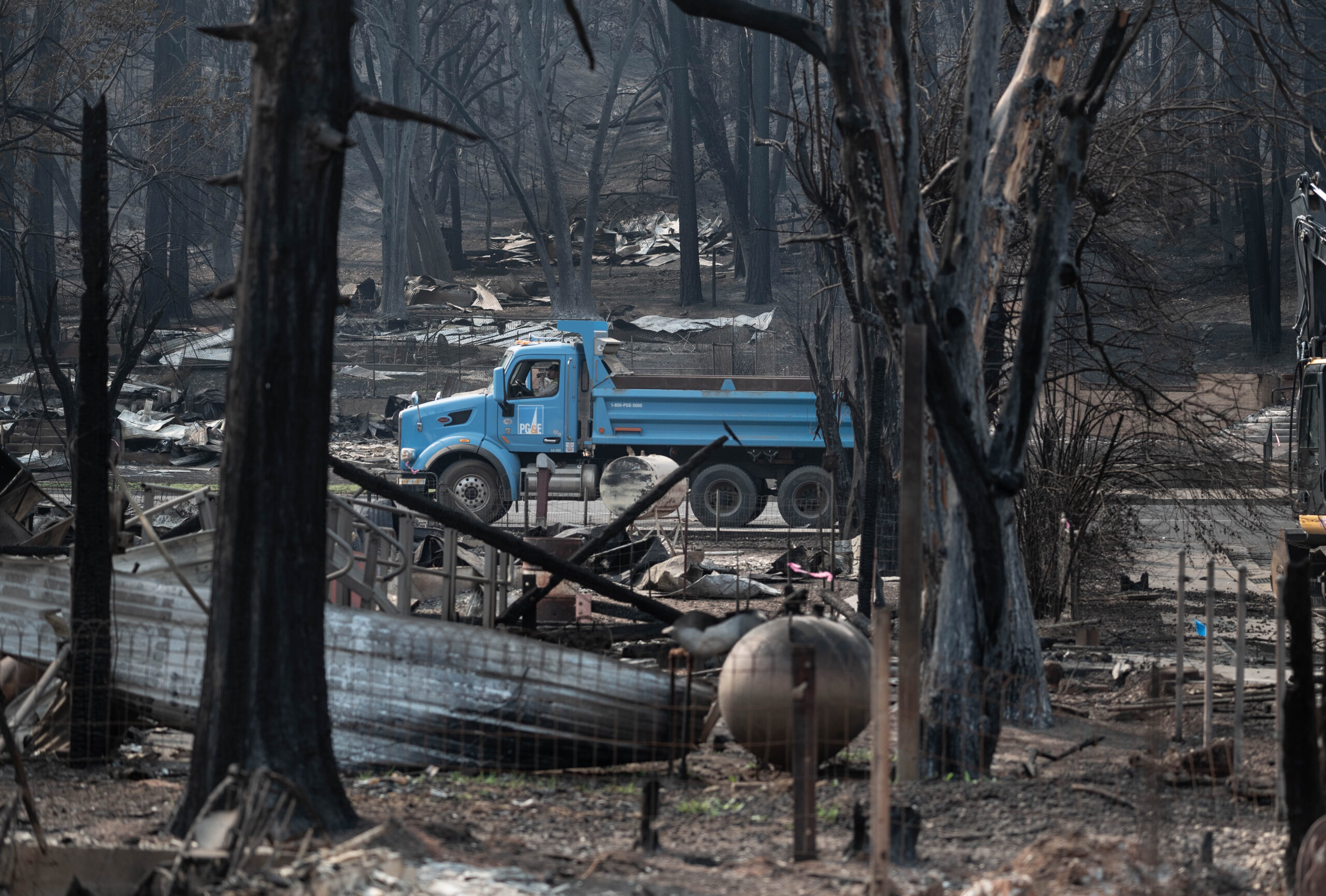
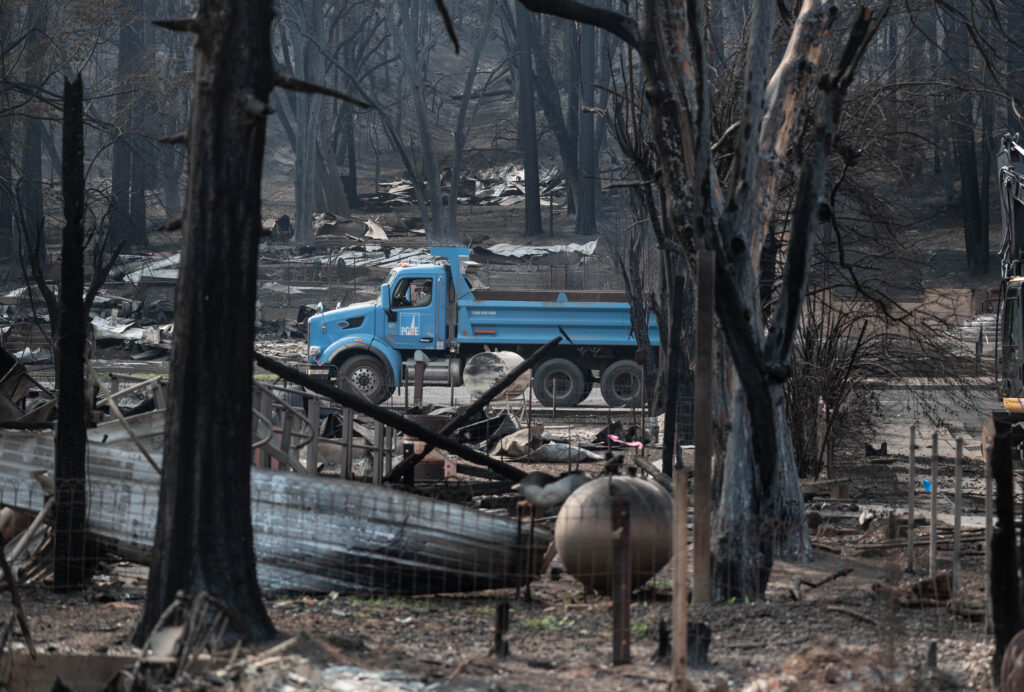
After Pacific Gas and Electric (PG&E) said in July that blown fuses on one of its utility poles may have caused the Dixie Fire, one of the largest in the Upstate, inspectors from California's largest utility company said they found no indication that power lines such as poles caused the blaze.
In cooperating with authorities to discover the source of the fire, known as the Dixie Fire, which has already been labeled the second largest in California history, he detailed in an inspection summary that his crews conducted routine inspections on May 13 of the two power poles located where the fire started and found no problems.
"These inspections found nothing that required corrective action at or between poles 908 and 909," PG&E said.
Although the last inspection was carried out in December 2016.
Authorities have so far believed that the massive fire may have started in a tree, however, PG&E said that according to a Jan. 14 inspection, it had no problem and was due to be re-inspected on Sept. 21.
In that regard, PG&E explained that on July 13, an employee saw a "healthy green tree" leaning against a conductor on a pole and a fire burning on the ground near its base, a situation that was made known to the California Public Utilities Commission.
PG&E is in the eye of the storm because of the Dixie fire, but the company said it has taken corrective action to prevent further fires at all costs, and has also invested in trimming tree limbs that could be considered dangerous.
Photo: Manuel Ortiz
However, this isn't the first time PG&E has been blamed for such phenomena. In 2018, a series of mega-fires, including the 2018 Camp Fire in Butte County, landed the company in bankruptcy court.
Just last year, PG&E emerged from bankruptcy, but it already faces other financial and legal charges for the 2019 Kincade Fire in Sonoma County and last fall's Zogg Fire in Shasta County.
While a federal judge in San Francisco has ordered PG&E to submit detailed information about the start of the Dixie Fire, the company has said it may cut power to residents in 16 counties because of the fire risk.
This, PG&E officials said, is due to the forecast of dry winds, which combined with the lack of rain and extremely dry vegetation increase the risk of these fires.
Thus, approximately 39,000 customers located in small areas within 16 counties could have a power outage, of which the majority - about 27,000 - are in Butte and Shasta counties, while the rest are in Humboldt, Tehama, Glenn, Trinity, Lake, Lassen, Sierra, Plumas, Yolo, Yuba, Mendocino, Napa, Solano and Sonoma counties.
PG&E said its meteorologists continue to monitor weather conditions from the utility's Emergency Operations Center in San Francisco and will provide updates as they become available.
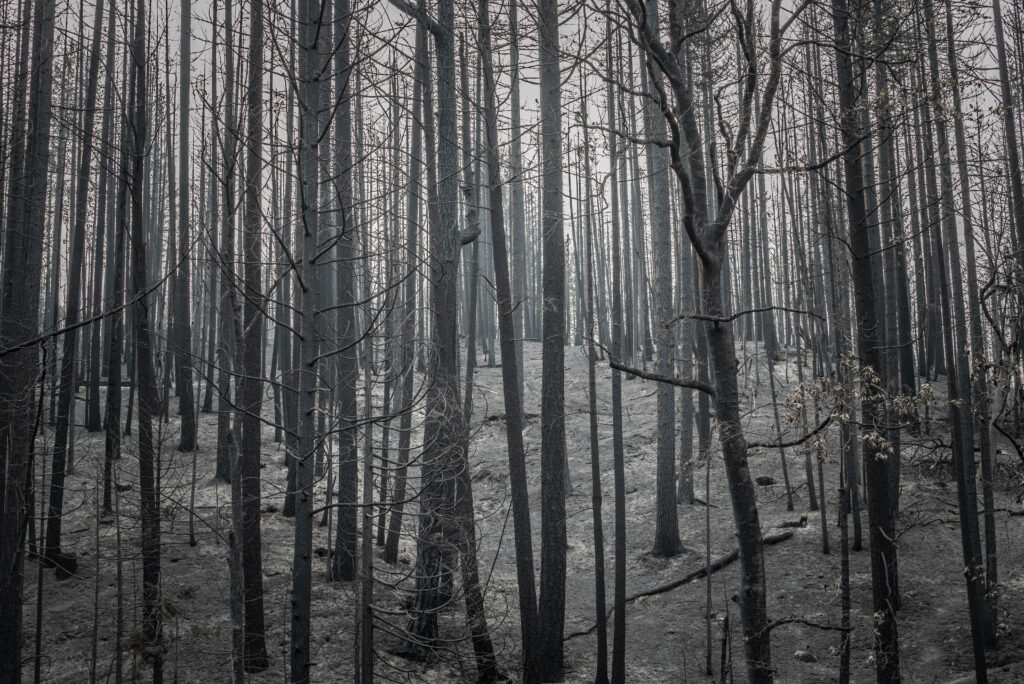
The Dixie Fire has been burning for more than a month, but only 31 percent of it has been contained. Thousands of people have been evacuated from at least eight counties, while counties like Plumas have been completely leveled.
According to CalFire, the Dixie Fire has grown to nearly 570,000 acres since it was parked in mid-July, making it the second largest wildfire in California's recorded history.
Also, he said, it has been an extremely destructive fire with more than 1,100 structures destroyed, making it the 14th most destructive wildfire in California history.
Critical weather in the area continues to challenge firefighters, while evacuation orders and warnings continue to change, so CalFire urged vigilance in staying informed of the latest evacuation directions, as orders can change at any time.
In anticipation of the start of face-to-face classes, the California Department of Public Health (CDPH) recently released its COVID-19 guidance for the 2021-22 school year, which applies to both public and private schools and follows the Centers for Disease Control and Prevention (CDC) guidelines.
The key message from both CDPH and the CDC is that schools can and should be open for students to receive full-time face-to-face education beginning in the fall.
The COVID-19 School Guide to the CDPH details safety standards for campuses, and includes vaccination protocols, testing, and health and hygiene principles.
Of note, the schools will continue to work with the San Mateo County Health Department and other health organizations to increase the number of vaccinations in the county.
Schools also have a variety of options for assessing students and staff and will be refining their assessment plans over the next few weeks. In addition, schools may expand health protocols such as hand washing and others from last year.
San Mateo County Superintendent of Schools Nancy Magee said, "Schools have become adept at implementing safety protocols and can extend many of those measures through the 2021-22 cycle."
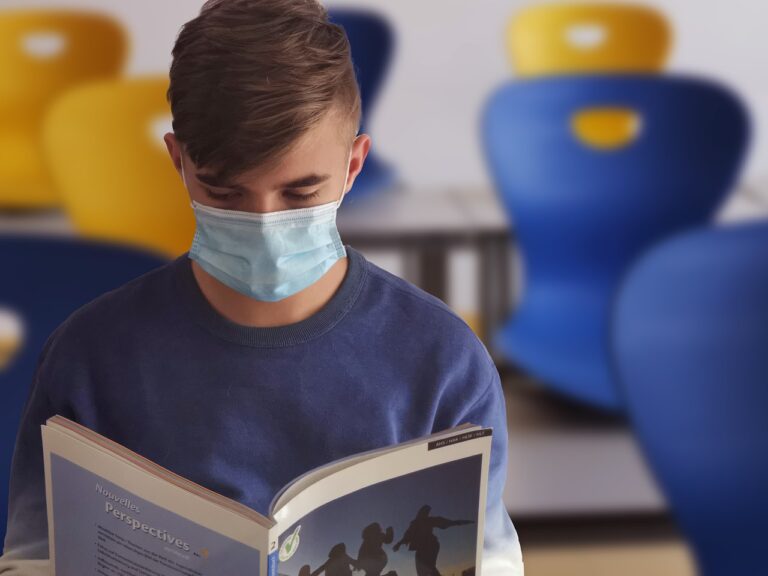
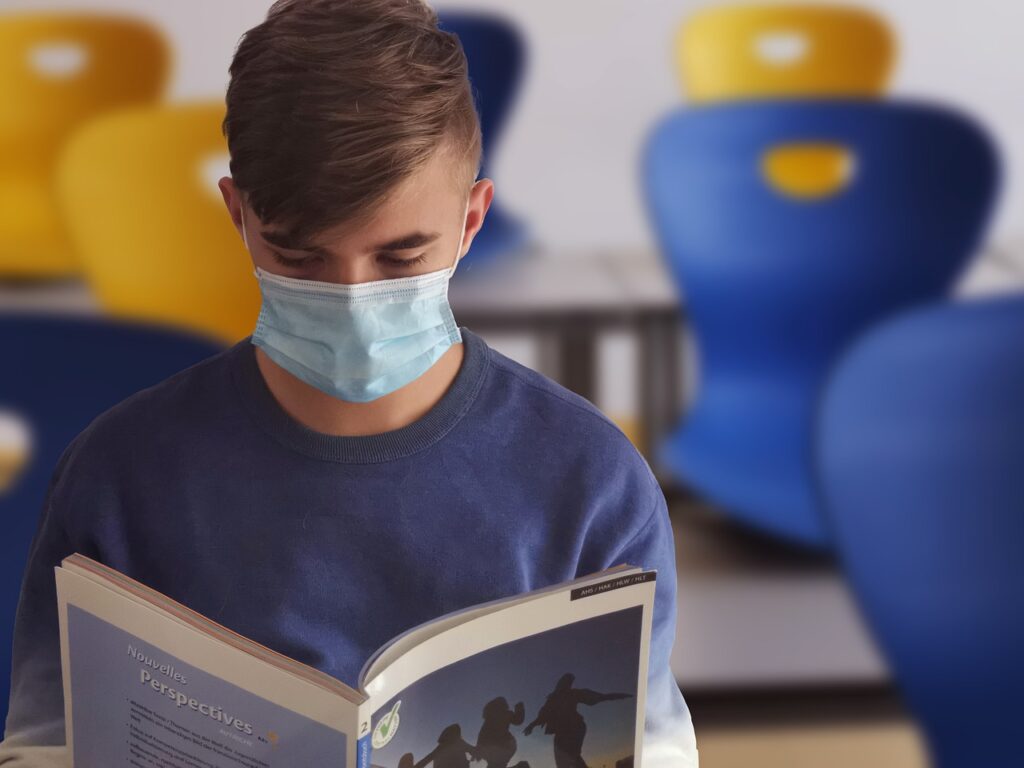
Unlike CDC guidance, CDPH requires all TK-12 students and adults to wear facemasks indoors when sharing spaces with students.
There will be exemptions for students who are unable to wear a mouth guard, and its use will not be required outdoors.
Given that the global pandemic is not over, the Delta variant remains a concern, and many students are still not vaccinated, CDPH stated that universal masking provides important and necessary protection and prevents children from feeling singled out because of their vaccination.
In a statement, the San Mateo County Office of Education said universal masking makes it possible for CDPH to eliminate physical distance requirements, which had been a key barrier to all students returning to full-time, in-person learning last year.
According to CDPH, "recent evidence indicates that face-to-face education can occur safely without minimum physical distance requirements when other mitigation strategies - e.g., use of face masks - are fully implemented.
Similarly, they noted that facemasks may not be required for the entire school year, however, CDPH said it will continue to assess conditions on an ongoing basis and will determine no later than Nov. 1, 2021, whether to update its face protection requirements.
"After a challenging year for student mental health, keeping students in classrooms to engage directly with teachers and staff are top priorities. Universal use of facemasks will help schools keep all students regardless of their immunization status in school. We need to start school strong this fall," said Superintendent Magee.
By Pamela Cruz. Peninsula 360 Press [P360P] / Bay City News
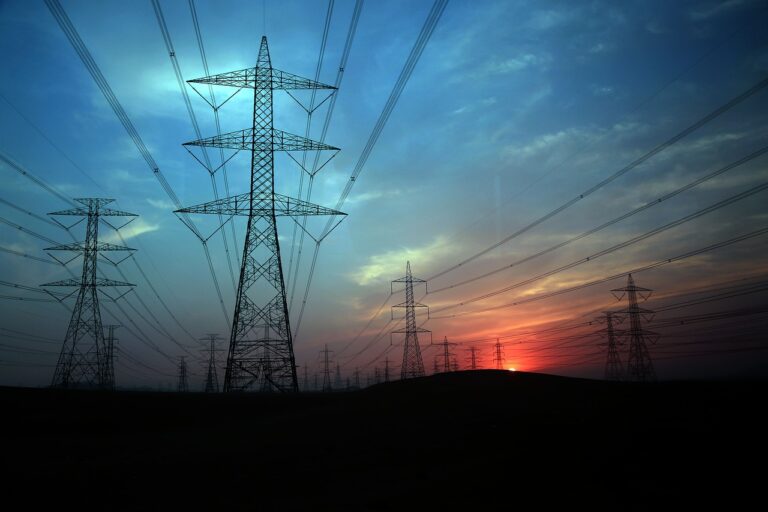
Pacific Gas and Electric Company (PG&E) officials said there could be power outages in small portions of 16 counties Tuesday night due to forecasts of possible dry winds and fires.
Because wind combined with dry atmospheric conditions and extremely dry vegetation increase the risk of wildfires, PG&E has issued 48-hour advance notices to customers in specific areas where power supplies could be affected.
Thus, of the approximately 39,000 customers located in small areas within 16 counties could have a power outage, the majority - about 27,000 - are in Butte and Shasta counties, while the rest are in Humboldt, Tehama, Glenn, Trinity, Lake, Lassen, Sierra, Plumas, Yolo, Yuba, Mendocino, Napa, Solano and Sonoma counties.
PG&E said its meteorologists continue to monitor weather conditions from the utility's Emergency Operations Center in San Francisco and will provide updates as they become available.
It should be noted that public safety power outages, also called PSPS, occur in response to severe weather.
"We turn off power to help prevent wildfires and keep communities safe. Multiple factors are at play when deciding to turn off your power and we take the decision very seriously," the company states on its website.
He detailed that power lines are not always connected by neighborhood, so the power could stay on, while a neighborhood across the street could go out.
For more information on possible power outages, residents and interested parties can check the www.pge.com/pspsupdates.
Officers with the Redwood City Police Department arrested a man for allegedly stabbing a co-worker last Friday night.
According to a release, on Friday, Aug. 13, at approximately 7:39 p.m., police officers responded to a call reporting that at the Donato Restaurant, located at 1041 Middlefield Road, a person had just been stabbed.
Upon arrival, officers made contact with the victim, who suffered two stab wounds to the back. He identified the suspect as a co-worker named Kenneth Holden, 34.
Holden, the victim said, entered the restaurant and stabbed him and then fled the scene in a black Honda Accord and was followed by a witness, who was able to take a photograph of the suspect vehicle and the license plate.
The victim suffered two non-life threatening stab wounds to the back and was transported and treated at a local hospital.
In response, an alert was sent out throughout San Mateo County and to law enforcement agencies within San Mateo County at approximately 1:20. The Daly City Police Department reported that they had made contact with the suspect during a traffic stop.
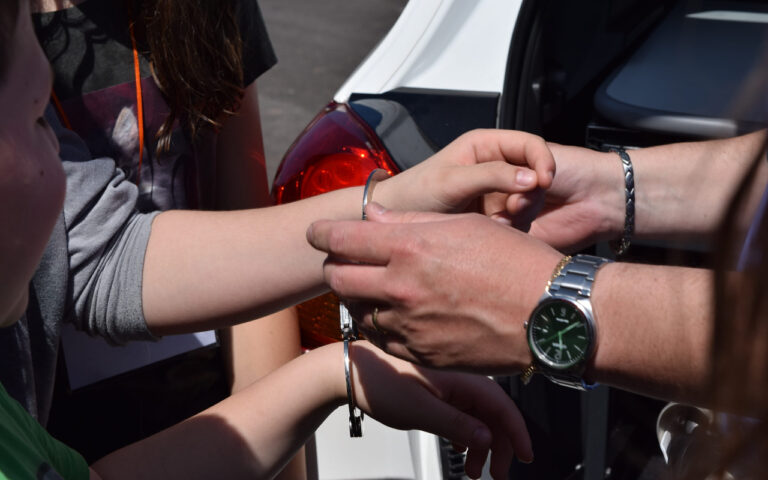
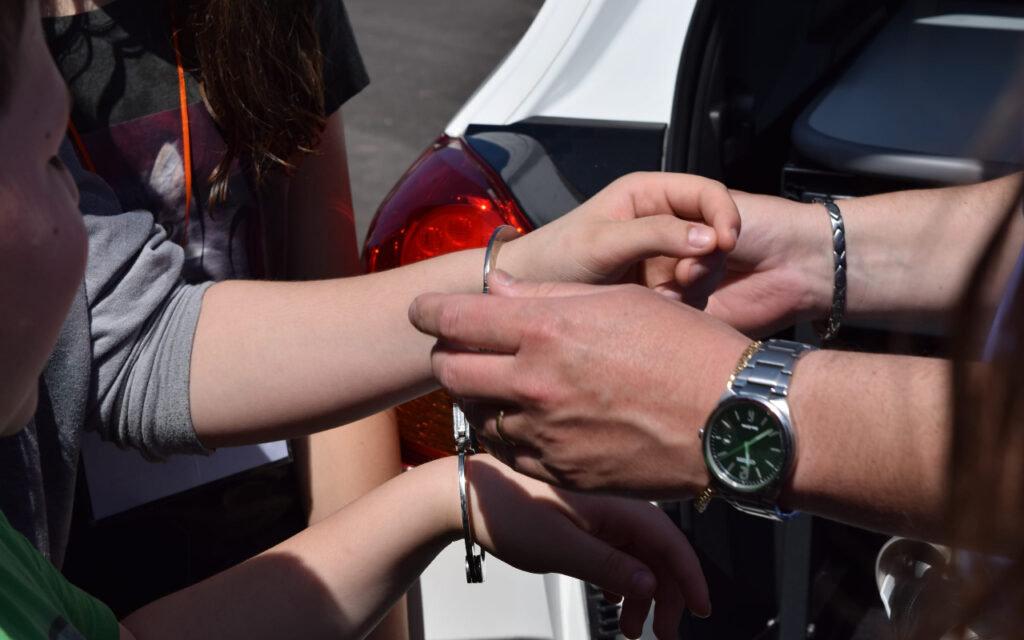
Redwood City officers responded to Daly City and took custody of the suspect who was eventually arrested, transported and booked into the San Mateo County Jail for assault with a deadly weapon.
The Police Department advised anyone who may have additional information about this incident to contact Detective Sergeant Nick Perna at 650-780-7672, or the Redwood City Police Department tip line at 650-780-7110.
After more than 10 months of waiting, the San Francisco 49ers will play again at Levi's Stadium in Santa Clara this Saturday at 5:30 p.m. Pacific Time against the Kansas City Chiefs as part of the National Football League (NFL) preseason.
It was November 5, 2020 when the 49ers played their last game at Levi's Stadium. Their last three home games were played in Arizona, due to the COVID-19 health order imposed by Santa Clara County banning contact sports.
So, for this first preseason game it is expected that quarterback Jimmy Garoppolo and the first team offense can play at least one series against Kansas City, while the third overall draft pick and future of the team, Trey Lance, could also make his debut in the league.
In a meeting with media, coach Kyle Shanahan said he will "try to get most of the starters going. Hopefully Jimmy will do just one series, and then we'll put Trey in hopefully he'll play the whole first half."
"Hopefully Lance will get around 30 - plays - but you never know how a game will go. If he doesn't get enough, then he'd probably start in the first series of the third quarter, too," he said.
With Kansas City's starters expected to play the entire first quarter, Shanahan could analyze Lance's progress on his first few plays at the helm of the offensive line.
"I'm excited to see him play like everybody else," Shanahan said. "It's fun to watch the quarterbacks come out for the first time," he noted.
It should be noted that people in the stadium will not be required to be vaccinated or show a negative COVID-19 test, but will be asked to wear masks while in the indoor areas of the stadium, according to the team.
After Saturday's match, the 49ers San Francisco will play two more preseason games, one in Los Angeles on Aug. 22 against the Chargers and another at home to host the Las Vegas Raiders on Aug. 29.
The regular season will begin with two away games, while the first regular season game at Levi's Stadium will be on September 26th against the Green Bay Packers.
By Pamela Cruz. Peninsula 360 Press [P360P] / Bay City News
The San Mateo County Sheriff's Office arrested a man in connection with several sex crimes.
Miguel Mendez-Marin, 21, was arrested on suspicion of rape, sodomy of a minor under 16, sex with a minor under 16 and obstructing and/or resisting an officer, officials said.
They also said detectives launched a sexual assault investigation in May when they learned that Mendez-Marin had been involved in a romantic relationship with a 14-year-old boy in September and October 2020.
Agents said Mendez-Marin had unlawful sexual intercourse with the minor and forcibly raped the victim against her will in a separate incident.
On Wednesday, detectives attempted to arrest Mendez-Marin at his home in San Mateo, but he resisted. He was eventually arrested and jailed.
This Thursday, the U.S. Food and Drug Administration (FDA) cleared a third dose of Pfizer-BioNTech and Moderna's COVID-19 vaccine for immunosuppressed individuals, specifically those who are recipients of the vaccine. (FDA) cleared the emergency use of a third dose of Pfizer-BioNTech and Moderna's COVID-19 vaccine for immunosuppressed individuals, specifically, those receiving organ transplants or those with immunosuppressive conditions.
The Centers for Disease Control and Prevention's (CDC) Advisory Committee on Immunization Practices is scheduled to meet today, August 13, to discuss specific clinical recommendations for immunocompromised persons.
"The country has entered into another wave of the COVID-19 pandemic, and the FDA is especially aware that immunocompromised individuals are at particular risk for serious disease. After a thorough review of the available data, the FDA determined that this small and vulnerable group may benefit from a third dose of Pfizer-BioNTech or Moderna vaccines," said FDA Acting Commissioner Janet Woodcock.
He added that Thursday's action allows doctors to boost immunity in these types of patients, who need additional protection against COVID-19.
"As we said previously, other fully vaccinated people are adequately protected and do not need an additional dose of COVID-19 vaccine at this time. FDA is actively engaged in a rigorous, science-based process with our federal partners to consider whether an additional dose may be needed in the future," he added.
Immunosuppressed people similar to those who have undergone organ transplantation have a reduced ability to fight infections and other diseases, and are especially vulnerable to infections, including COVID-19.
Woodcock advised these patients to maintain physical precautions to help prevent COVID-19. In addition, close contacts of immunocompromised people should be vaccinated, as appropriate to their health status, to provide added protection for their loved ones.
He recommended that immunocompromised people discuss monoclonal antibody treatment options with their health care provider in case they become infected or exposed to COVID-19.
The FDA has authorized monoclonal antibody treatments for emergency use during this public health emergency for adults and pediatric patients - aged 12 years and older who weigh at least 40 kilograms or about 88 pounds - with positive SARS-CoV-2 direct viral test results, and who are at high risk for progression to severe COVID-19 and/or hospitalization.
Of note, the Pfizer-BioNTech COVID-19 vaccine is currently licensed for emergency use in persons 12 years of age and older, while the Modern COVID-19 vaccine is licensed in persons 18 years of age and older.
Both vaccines are given as a series of two injections: Pfizer-BioNTech COVID-19 three weeks apart and Moderna COVID-19 one month apart.
The licenses for these vaccines have been modified to allow an additional or third dose to be given at least 28 days after the two-dose regimen of the same vaccine to people 18 years of age or older - 12 years of age or older for Pfizer-BioNTech - who have undergone an organ transplant or who are diagnosed with conditions that are considered to have an equivalent level of immunosuppression.
In California, less than half of the Latino and African American community eligible for the COVID-19 vaccine have been vaccinated. This puts those vaccinated and children under 12 at increased risk from the Delta variant, making closing the racial gap in vaccination rates an urgent priority to protect the nation's health, according to the Centers for Disease Control and Prevention (CDC).
"Unfortunately, there are dark spots in our fight against the pandemic. Older adults have accounted for a disproportionate number of COVID-19 deaths, particularly among the Latino community. There is a big gap in reaching this group and we want to make it happen," said California Department of Aging Director Kim McCoy Wade during a press conference held by the California Department of Aging. Ethnic Media Service.
Jorge Pingarrón, the representative of the organization All United, and who coordinates Stockton's low-income canvass, said that after completing 7,500 hours of canvassing in the community they have run into barriers such as extreme heat, the Northern California wildfires, which have also prevented some canvassing days, racism, physical altercations, and general harassment, all of which have worked against the effort to get the city vaccinated.
"We've gone above and beyond to address all these issues and continue our effort to try to get this city vaccinated. It's very difficult because of all the beliefs out there - a lot of people don't want to get vaccinated because they don't believe in the vaccine," she explained.
In that sense, he stressed that many people are simply anti-government, "there are people who are turning this into a political issue instead of seeing it as a human and health need.
Added to that, he said, are anti-vaccine groups and those who don't even believe COVID-19 exists, a situation that is exacerbated in a large number of underserved communities.
Pingarron said that of the 80,000 homes the organization has visited in Stockton, only 30 percent have been able to have a conversation, while of those only 1.0 percent have signed up to receive the vaccine.
"There is a lack of information from the government. It is necessary to provide it in the necessary languages to be able to cover all the populations that can be covered".
For Jorge, what has really worked so that more people opt for the vaccine, is the personal talk, because although it is not known which route to take the conversation "one must know how to respond appropriately and understand them, take the talk to a personal level so that they get vaccinated," he said.
He also explained that methods such as phone calls are difficult, because people perceive them as annoying and when they see the incoming number they relate them with advertising and do not answer or hang up quickly.
"But once you're there, they see you. And you're in your uniform, with the vaccine logo and the organization you represent with name badges. So it's a little bit easier to talk to them, try to engage them in conversation and convince them to get vaccinated, even though you run into different situations, but that's the best way," she stressed.
Fears and beliefs, the barriers to overcome among the Latino community
Irma R. Muñoz is the founder and executive director of "Mujeres de la Tierra", an environmental equity non-profit organization based in Los Angeles, California, which has reached out to the community of MacArthur Park, a majority Latino community to inform them and bring them closer to vaccination.
One of the main challenges in the area is that the Latino community is afraid to give information because of their immigration status, she said, which is why many did not initially come forward to get the COVID-19 vaccine because they were asked for identification.
"No one wants to provide their ID because they think the next thing they know immigration authorities are going to be knocking on their doors to take them away," he explained.
She added that it is a working class neighborhood and most people are not available for appointments Monday through Saturday, and unfortunately there were no places that gave vaccinations on Sundays until recently.
The next big problem the organization detected was a deeply religious Latino community that does not believe in COVID-19, much less vaccines.
In that sense, he noted that the people of this town argue that their religious leaders have told them that vaccines are poison, coupled with a great distrust in government and authority.
And while they have been very successful in getting people vaccinated, he said, there is also a lot of resistance for a variety of religious and political reasons and for being discovered by "la migra," which they call high-risk situations.
"Our successes have been because we have casual conversations with people. We don't open the conversation by saying, we're here to talk to you about how to get vaccinated. Everyone shows up, but we don't do a door-to-door."
In fact, he explained, only 20 percent of the organization's work is done door-to-door because MacArthur Park residents are not answering the knocks on their doors, unless they are family or friends.
"What we have mainly done is what is called "mass campaigns". We go to the areas where people are. We don't expect people to come to us. So we go to the bus stops, we go to the subway station, where the vendors are, we go into the stores, we go to the parks because there's a lot of activity," he explained.
He added that a large population of children and young people play soccer, which has made it possible to talk to parents about coming to the vaccination centers that are open on Sundays.
"Now we've had more success because there are vaccinations on Sundays when most people are free and then they come and get them. This is word of mouth, we encourage the people we talk to to talk to their neighbors, to other family members, and to their church members to get vaccinated."
"It's the fear of the unknown. So what we're trying to do is take the fear out of people's hearts and put the facts in their head."
Muñoz said that even people who previously said no to the vaccine leave them phone numbers in case they change their minds.
"Our approach is multicultural, we don't use the same method for everyone. We really take into account their background, their language, their struggles. A lot of people have difficulties in their day to day lives and you have to recognize that. So these conversations that we've had have been very effective because the women who do them and who work for us live in MacArthur Park."
Reaching out to the oldest in the family is extremely important to reach the whole family, she said, because many times it's these older people who make the ultimate decision. "If they say yes, then it's OK for everyone else to get vaccinated."
Muñoz recalled that "this virus has killed thousands upon thousands of people, no matter what their economic status, no matter what religion they believe in, no matter what their immigration status, it doesn't discriminate. And this new variant is highly contagious. I think when people take it seriously is when, unfortunately, they know someone who has been in the hospital or has died from the virus.
Finally, she noted that since Women of the Earth has been doing this work, vaccination rates in MacArthur Park have increased by four percentage points.
"We want to make sure that we are succeeding and so we have to change our script based on what is happening. Our script now is that children are getting the Delta variant and that we have to vaccinate for the sake of our children."
Rural communities, a critical link in the immunization chain
Esperanza Vielma, executive director of the Environmental Justice Coalition for Water and who is deeply rooted in serving disadvantaged and underrepresented communities in the San Joaquin Valley, highlighted the tremendous work being done with the most underserved communities, which have large Latino and Asian populations.
He explained that these places are sought to reach the community in different ways: either by visiting Mexican and Asian markets in the area, making surveys and knocking door to door to bring the information of vaccines, which often does not arrive due to lack of internet or devices to resolve their doubts about immunization.
He recalled that this area also suffers from the contamination that fires generate, which complicates the situation with COVID-19.
"We have to collaborate with all of our agencies so that we get the same message out and get people vaccinated because that's going to be the only solution in very hard-to-reach areas."
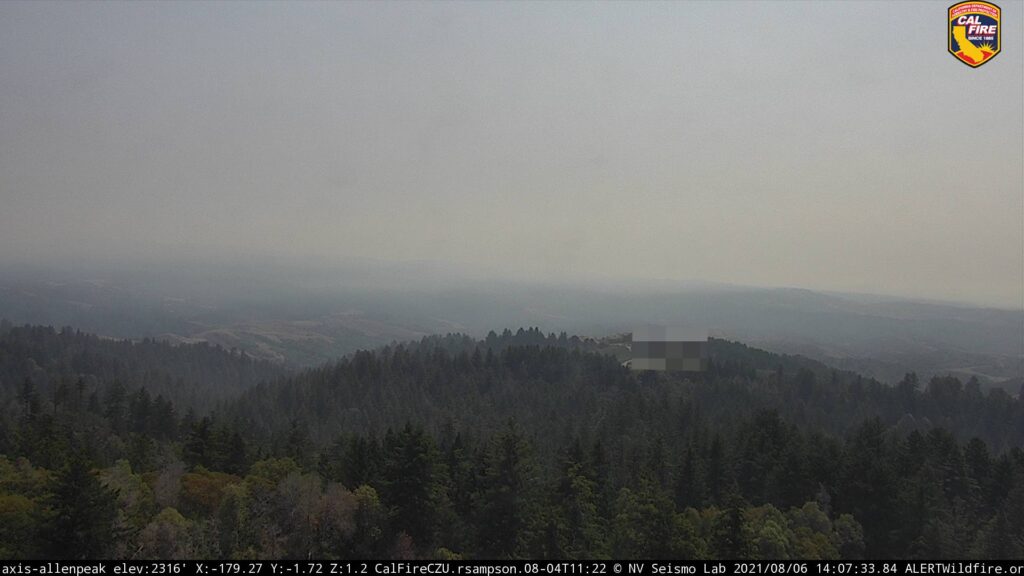
The Bay Area Air Quality Management District noted that the moderate air quality advisory extends through tomorrow, August 13, due to active wildfires and changing wind patterns.
In this regard, he added that cloudy and smoky skies are possible, while air quality throughout the Bay Area could be affected.
"The Air District will closely monitor air quality throughout the region for smoke impacts from the fires," he explained in a comunicado the agency.
If there is an odor of smoke, he said, it is important for Bay Area residents to protect their health by avoiding exposure. If possible, stay in their homes with windows and doors closed until smoke levels decrease, temperatures permitting.
It is also recommended that those affected by smoke set their air conditioning units and automobile ventilation systems to recirculate, to prevent outside air from moving in.
Smoke can cause eye and respiratory irritation, coughing, throat and sinus irritation. High airborne particles can cause wheezing in people who have asthma, emphysema or Chronic Obstructive Pulmonary Disease (COPD).
Older adults, children, and people with respiratory illnesses are particularly susceptible to elevated levels of air pollution and should take extra precautions to avoid exposure.