El nuevo México dirigido por una mujer académica de izquierda representa una luz de esperanza para el planeta agobiado por conflictos bélicos y por el colapso ecológico resultado de tantos siglos de rapiña y avaricia.
En estas horas de aflicción que vive el mundo debido a los actos de poder de un puñado de sociópatas que han dejado atrás la diplomacia e intentan normalizar todas las formas de violencia extrema, el ejemplo mexicano muestra que las sociedades, si se lo proponen, pueden ir frenando la generalización del caos y poner el poder público al servicio del interés colectivo.
México está mejorando sus índices de desarrollo humano obteniendo logros sobresalientes en el combate a la corrupción y el saneo de las instituciones, aunque restan todavía muchas batallas para desmantelar las redes que por muchas décadas se beneficiaron de los desastres derivados de poner la ley al servicio de las elites.
Las 100 acciones que anunció Claudia Sheinbaum en su toma de posesión, ayudarán a revertir los daños producidos por tres décadas de políticas neoliberales y tendrán impacto fuera de las fronteras mexicanas, especialmente en el área centroamericana y circuncaribe, aunque sea grande todavía la incertidumbre de lo que pueda suceder durante los próximos comicios en los Estados Unidos.
Lo cierto es que las lecciones mexicanas son un poderoso aliciente para la integración latinoamericana y para que se recupere la credibilidad en la eficiencia ejecutiva y empresarial del Estado.
No es exagerado anticipar que el despegue socioeconómico y político del continente dependerá de cómo le vaya a México y su esfuerzo por priorizar el acceso a la educación y la ciencia, así como la movilización de las energías sociales orientadas a desmantelar el conservadurismo socio racista y el poder patriarcal que aplasta a las mujeres.
Yes, dreams come true, but “you have to share the money,” says Sergio Rebolledo, video game artist and designer. For this Mexican, the path to a career in the industry took him to Canada, and perhaps staying in his home country was never part of the plan.
Sergio remembers that one Christmas, when he was little, he received a Playstation and that was how his imagination awakened a hunger that would not allow him to keep his feet still. It was the wonder of seeing stories like Resident Evil or characters like Marvel VS Capcom that called him to tell stories in the same way. Although he admits that without knowing English, the gaps that the language had were filled by imagination.
Fund commissioned to Sergio for the video game “The end is nahual: If I may say so”
So when it came time to choose a profession, he was determined to make video games, but the universities that advertised courses for the development of these digital media were private and therefore out of reach for him and his family. Noticing the young man's enthusiasm, his father told him: "Study something related and you'll get started."
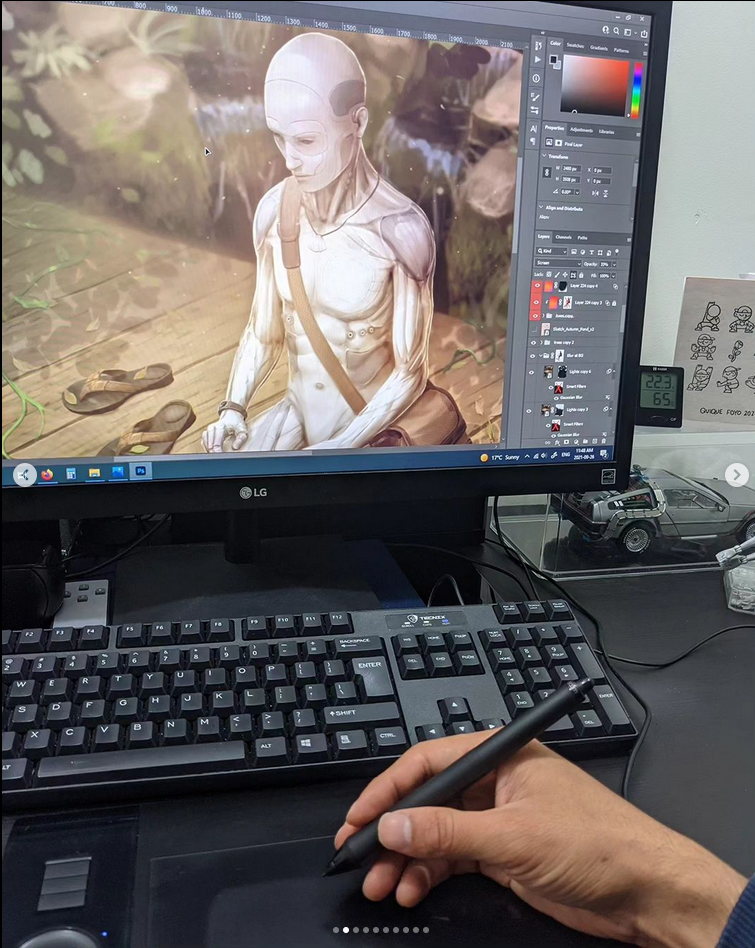
Sergio decided to study graphic design at the University of Guadalajara with the plan of getting involved in the video game industry later on, after all there is no video game that can be made without an artist or graphic designer. With great enthusiasm the young artist asked his teachers about how he could make illustrations for video games, to which they all responded “I don’t know anything about that, ask me the difference between RGB and CMYK or how to make logos and print.” That is why Sergio admits to being self-taught, he learned by searching on his own, with YouTube videos to fill the gap that formal school had left.
Of course, to achieve your goals it is not enough to learn, you also need to take action. Sergio then began to try to test his skills, asking here and there about video game projects where he could participate. Game jams and meet ups were where he found people with the same passion for video games and a special interest in creating. In one of them he also met Blas David Castañeda Martínez, with whom he would work on the game The end is nahual: If I may say so, whose development would last around 13 long years.
Main screen of the Castle Dracula video game.
With renewed energy and confidence in his abilities, the Mexican managed to find “Una Simple Idea”, a company originally dedicated to marketing that wanted to start participating in the mobile game industry and together with them he created Mucho Taco, a Mexican-themed clicker for mobile phones. As art director on this video game, Sergio was in charge of the colorful and cartoonish game that you can still find in the appstore.
Dreams take you far from home
It is sad to hear of talented people who dream of leaving their country due to lack of opportunities. Just like Felipe Falanghe, creator of Kerbal Space program, left his native Brazil or Ramón Zárate, who works with Blizzard veterans at Uncapped Games, left his Mexican homeland, Sergio also had his eyes set on the north to begin to seek the stability and development that his Mexico could not give him. As many countrymen can attest, the task of migrating is not an easy thing and involves a lot of work and sacrifice. For Sergio, this journey began by knocking on doors, sending emails and looking for opportunities in companies that needed a video game illustrator in the United States or Canada. He tells us that time and again he found himself in dead ends; employers simply were not interested or able to extend a work visa for foreign talent, but rather, they were interested in employing students from exchange programs who are already in the country.
Sergio working, photo taken from his Instagram: sergiorebolledo7
The second option for this designer seemed impossible at the time. If no one could help him migrate, he would have to pay for a degree in the northern country, but… Pay for the trip and the studies himself? Impossible, it's too expensive! This thought kept going around in his mind until, facing his fears, he began to do the math. With some savings, a loan from his family and a job in Canada, it could be possible, but he immediately realized the enormous task he was about to undertake.
Sergio shares with us the sacrifices he had to make to be able to pay for the adventure, saving on food, buying only what was necessary and above all, working constantly or as he describes it, “partir chayote.” He studied full time, working to save money and also studying Canadian immigration laws to be able to stay in the country. Stress was building up for the young student as the date approached when the three-year permit he was given to study a diploma in the country of the maple leaf would end. Fortunately, he got a stable job and that also allowed him to return to video game development in his free time.
The Michoacan boy who had dreamed of developing video games when he received a Playstation for Christmas achieved his dream. Through perseverance and hard work, he achieved what many fellow countrymen, brothers and sisters in Latin America long for when they leave their families in their native countries.
Sergio's story, like that of many talented Latin Americans who face the world and succeed, has a bittersweet tone. On the one hand, there are few stories more powerful than those of Latinos working and reaping the fruits of their efforts. On the other hand, it leaves a pit in my stomach to know that staying in the beautiful country of Mexico (or any other where talent is present) is not part of the plan of any of our fellow citizens. Lack of support, without a doubt, but also a lack of ambition on the part of different sectors condemns our artists and developers, especially in digital media, to leave their homeland, so that their art can flourish in more fertile lands.
Eli Bartra talks about Claudia Sheinbaum, una mujer que llega a marcar la diferencia conviniéndose en un faro de esperanza.
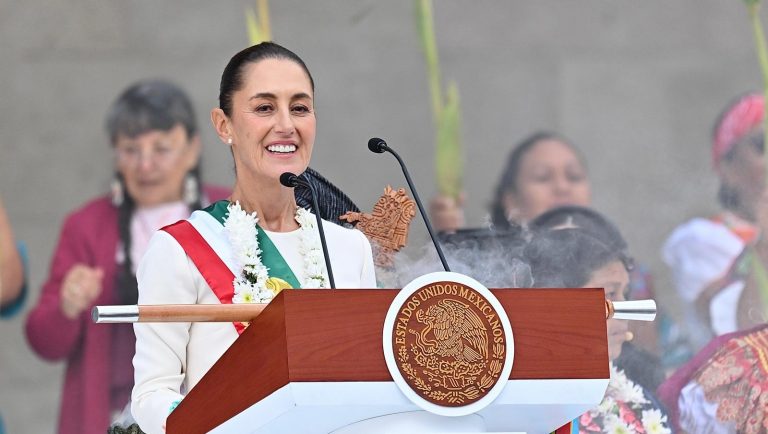
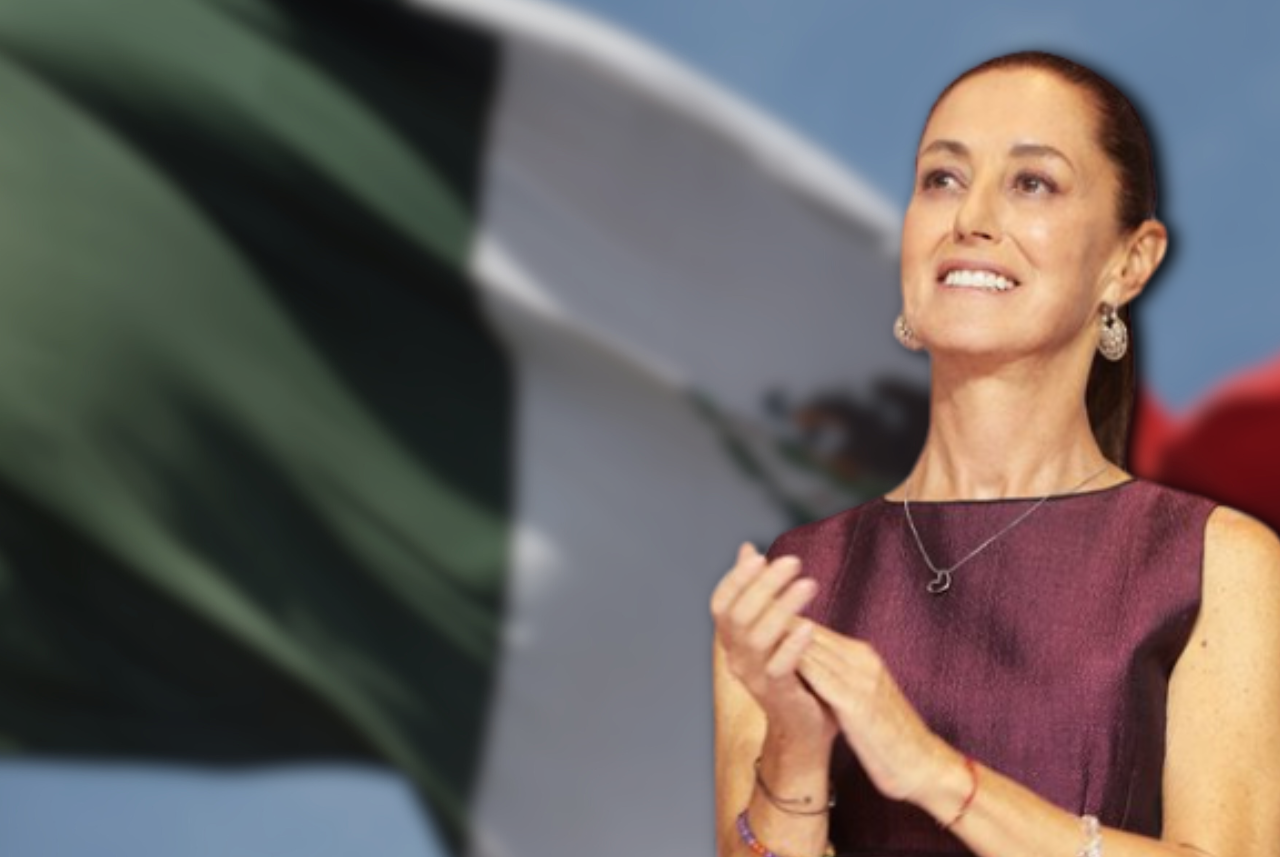
Claudia Sheinbaum se ha convertido en la presidente número 66 de los Estados Unidos Mexicanos, luego de que el pasado 1 de octubre rindiera protesta como titular del Poder Ejecutivo, y en su discurso dejará muy en claro que se convierte en Presidenta, sí, con “a” al final, porque como lo dijo: “solo lo que se nombra existe”.
El que llegara al poder se ha convertido en bandera de muchos para atacarla, y con ello a millones de mujeres a las que se les achaca que llegan a ocupar ciertos puestos por el apoyo y ayuda de un hombre, no por sus méritos.
En ese sentido, la doctora Elionor Bartra y Muriá, profesora distinguida de la Universidad Autónoma Metropolitana Unidad Xochimilco, señaló en entrevista con Manuel Ortiz para el programa Por La Libre que, Sheinbaum llegó a la presidencia porque se lo ganó y trabajó por ello, no por un hombre.
“Ella lo ganó por derecho propio, ha estado luchando y trabajando arduamente durante varias décadas y se lo ganó porque quería llegar a la presidencia. Ahora, ¿por qué quería llegar ahí? Porque cree que tiene un proyecto que puede transformar a este país y que puede transformar a las mujeres de este país”, dijo Bartra.
La también cofundadora y coordinadora del área de investigación “Mujer, identidad y poder” y de los posgrados Maestría en Estudios de la Mujer y Doctorado en Estudios Feministas en la UAM, resaltó que “cada vez que una mujer llega a un puesto destacado, a un puesto de poder, alguna cuestión así, siempre se dice que obviamente tiene que haber un hombre por ahí, ya sea porque se acostó con el jefe o porque el jefe la puso porque le gustaba o cualquier cosa así”.
Y si bien con Claudia Sheinbaum el caso es más sofisticado, señaló, viene a ser lo mismo.
“Dentro de la maquinaria política dicen que fue el señor López Obrador quien decidió quién iba a la presidencia de la República, sin tomar en cuenta, al afirmar esto, que hay millones y millones y millones de votos que superan incluso los votos que recibió el propio Andrés Manuel. Entonces, me parece que eso es un absurdo”, subrayó.
Si la presidenta es feminista o no lo es, dijo, se discutirá muy pronto; sin embargo, lo que es cierto es que dijo y anunció que impulsará muchísimas acciones en favor de las mujeres, entre los que destaca la política de remunerar a las mujeres que han hecho el trabajo invisible por toda la historia. “No se ha remunerado, no se ha reconocido, es más, no se ha visto ni siquiera como trabajo”, abundó la doctora Bartra.
Eli Bartra apuntó que Claudia, efectivamente y como ya lo ha mencionado, no llega sola porque “estamos en colectividad, en comunidad, y ella tiene una historia de luchas de mujeres en este país que lleva más de un siglo. No empezaron ayer”.
Y es que, explicó, todo el siglo XX fueron de luchas de mujeres. Primero la lucha por el voto, luego la lucha por la despenalización del aborto, que todavía no termina, luego aquellas contra la violación y el denunciar y proteger a las mujeres golpeadas, entre otras.
“Entonces, todas estas luchas, claro que han ido marcando a las mujeres, no solo a ella, a las mujeres que hoy en día tienen poder, diferentes poderes en este país, en las universidades, sin venir de una práctica de militancia, de activismo feminista, han sido marcadas, han sido selladas por las luchas feministas, las han sido impregnadas de esas ideas, de esas necesidades”, precisó.
“Yo creo que (Claudia Sheinbaum) es una mujer extremadamente valiosa en muchísimos campos y yo siento un enorme orgullo que le pusieran la banda presidencial, y es más, en ciertos momentos me emocioné tanto que casi lloró. Bueno, fue un momento muy emocionante, y no creo que sea solamente emocionante para México. Creo que abarca América Latina y América en general”, apuntó.
Apenas un par de días después de que Claudia Sheinbaum tomara el cargo de Presidenta, el actor mexicano Rafael Inclán hizo un comentario misógino contra la hoy también comandanta suprema de las Fuerzas Armadas de México.
“Vamos a tener una ama de casa seis años”, expresó Inclán ante medios de comunicación mientras se reía y estaba acompañado del también actor Luis de Alba.
A ello, la mandataria mexicana respondió en la mañanera del pueblo del jueves 3 de octubre: “Por ahí en las redes sale esta palabra que se usa de ‘sirvienta’, que es terrible (…) eso es del Porfiriato, de la Colonia. Son trabajadoras del hogar y hacen un trabajo digno, y tenemos que reconocerlas siempre”.
Este viernes, volvió a retomar el tema y dejó muy en claro que es lamentable que el trabajo domestico se vea como algo negativo.
“Lo que me parece más lamentable es que se utilice ‘ama de casa’ como algo peyorativo. Yo soy presidenta, abuela, mamá y ama de casa y con orgullo”.
Para saber más de lo que la doctora Eli Bartra contó en entrevista con Manuel Ortiz, no se pierda el programa completo de este sábado en “Por la Libre”, la radio comunitaria rodante de Península 360 Press.
Aumentará el salario mínimo en el condado de San Mateo a 17.46 dólares por hora en áreas no incorporadas a partir del 1 de enero de 2025, lo que significa apenas un incremento de 40 centavos respecto a este 2024.
Listen to this note:
As of January 1, 2025, the the San Mateo County Board of Supervisors aumentará a 17.46 dólares por hora el salario mínimo en áreas no incorporadas a partir del 1 de enero de 2025, lo que significa apenas un incremento de 40 centavos respecto a este 2024.
Este salario mínimo debe pagarse a los empleados que trabajan al menos dos horas a la semana, con pocas excepciones.
Así, los empleadores, independientemente del tamaño de la empresa, deberán pagar a los trabajadores al menos 17.46 dólares por hora, por todo el tiempo trabajado dentro de los límites geográficos del condado no incorporado de San Mateo.
La Junta de Supervisores estableció en noviembre de 2022 un salario mínimo por primera vez en las áreas no incorporadas, y este puede aumentar anualmente en función de una fórmula que incluye el índice de precios al consumidor.
El salario mínimo del condado se aplica a casi todos los trabajadores, independientemente de su estatus migratorio, en una amplia región geográfica que incluye North Fair Oaks, donde se encuentra el corredor de Middlefield Road, tierras agrícolas que se extienden desde el sur de Pacifica hasta Pescadero, Broadmoor Village en el norte del condado y otras áreas no incorporadas.
La Oficina Ejecutiva del Condado señaló en un comunicado que está trabajando para garantizar que tanto los empleados como los empleadores estén al tanto del nuevo salario mínimo.
Cabe destacar que será la Oficina del Comisionado Laboral de California quien está encargada de hacer cumplir el salario mínimo. Esto evita la creación de una nueva agencia de cumplimiento local y, al mismo tiempo, garantiza la coherencia entre las jurisdicciones.
El salario mínimo se aplica a los llamados trabajadores independientes, empleados que reciben propinas y tanto a adultos como menores.
Siguiendo los requisitos de salario mínimo del estado, existe una excepción para los “estudiantes”, que pueden ganar el 85 por ciento del salario mínimo durante las primeras 160 horas de empleo y luego los 17.46 dólares por hora.
California Attorney General Rob Bonta has filed a lawsuit claiming that AHMC must maintain health care services in Seaton Coastside.
La congresista Anna Eshoo y el supervisor del condado de San Mateo, Ray Mueller, aplaudieron la decisión del fiscal general de California, Rob Bonta, de presentar una demand seeking to hold AHMC Healthcare, Inc. accountable and reopen Seton Coastside emergency services.
En la demanda, presentada en el Tribunal Superior del Condado de San Mateo, el procurador general Bonta alega que el hospital AHMC violó las condiciones de la venta de Seton Coastside a AHMC, y afirmó AHMC nunca tuvo que cerrar sus salas de emergencia.
La demanda busca el cumplimiento específico y sanciones civiles y la restauración de ciertos servicios en el Centro Médico Seton en Daly City.
“Me complace enormemente que el Fiscal General de California haya respondido con firmeza a mi llamado para que AHMC rinda cuentas por sus flagrantes violaciones de la ley y sus violaciones del Contrato de Compraventa. La acción de hoy refuerza un mensaje importante: no se permitirá que los actores irresponsables jueguen con el bienestar de los pacientes”, dijo el representante Eshoo.
En su oportunidad, el supervisor Mueller señaló que el cierre de Seton Coastside por parte de AHMC fue más que un incumplimiento de contrato, una violación a la confianza que la comunidad depositó en ellos.
“AHMC deberá rendir cuentas por no cumplir con los acuerdos legalmente vinculantes destinados a proteger el acceso a la atención médica en la costa”, dijo.
Según la ley de California, cualquier transacción que implique la venta o transferencia del control de un centro de atención médica propiedad de una corporación sin fines de lucro debe contar con la aprobación o la exención de notificación y consentimiento del Procurador General.
Las condiciones impuestas por el procurador general el 27 de julio de 2020 exigían la continuidad de los servicios, según la demanda.
“No se trata solo de corregir un error, sino de enviar un mensaje”, explicó el supervisor Mueller. “Ninguna corporación puede anteponer el beneficio económico a las personas sin enfrentarse a todo el peso de la ley. Estamos comprometidos a restablecer el acceso a la atención médica y a salvaguardar el futuro de nuestra comunidad. Por sobre todas las cosas, cada miembro de la comunidad merece la atención médica que se le prometió”.
El fiscal general Bonta destacó que las condiciones que se establecieron con AHMC se implementaron específicamente para proteger a los pacientes, garantizar el acceso continuo a servicios de atención médica críticos y salvaguardar la salud y el bienestar de la comunidad; sin embargo, dijo, AHMC claramente no ha cumplido con sus obligaciones.
“Este incumplimiento de los estándares requeridos es completamente inaceptable y los hago totalmente responsables de poner en riesgo la atención al paciente y la salud pública”, subrayó.
La demanda también establece que AHMC ha permitido que la certificación de accidentes cerebrovasculares y la designación de STEMI caduquen en el Seton Medical Center y ha cerrado el SNF, el GACH y el ED en Seton Coastside desde abril de 2024, sin notificar ni solicitar una enmienda de las condiciones al Procurador General.
Estas reducciones en los servicios tienen consecuencias negativas para la comunidad, entre ellas, obligar a las personas a viajar más lejos para recibir atención, aumentar el volumen de pacientes en los hospitales vecinos que ofrecen esos servicios y aumentar las tarifas de los servicios en los hospitales que compiten.
Nuevas variantes de COVID 19, se encuentran presentes, tal es el caso de la híbrida XEC, la cual ha aparecido en 25 estados y se prevé provoque una oleada de casos este otoño.
Nuevas variantes de COVID-19 están presentes en Estados Unidos, tal es el caso de la híbrida XEC, la cual ha aparecido en 25 estados y se prevé provoque una oleada de casos este otoño. Ante las tasas bajas de vacunación expertos se muestran preocupados, pues la desinformación está ganando terreo poniendo en riesgo la salud de miles de personas.
Si bien ya están disponibles las vacunas de ARNm actualizadas de Pfizer y Moderna, junto con la reformulada Novavax, aún muchos dudan su eficacia y protección, mientras que otros se sienten tranquilos por vacunarse el año pasado pensando que hoy siguen protegidos.
El comportamiento de la nueva variante es muy parecido a las demás, sin embargo puede cambiar en cualquier momento, por eso es importante vacunarse, dijo el doctor Peter Chin Hong, especialista en enfermedades infecciosas de la Universidad de California, San Francisco, durante una sesión informativa realizada por Ethnic Media Services.
Este año se han presentado síntomas gastrointestinales, náuseas, diarrea, mucho más que otras ocasiones, por lo que es importante poner atención, pues la mayoría asocia el COVID-19 solo con la parte respiratoria.
La vacuna no representa un riesgo, por el contrario, permite cuidarte y prevenir una crisis respiratoria en caso de contagiarse de COVID-19, los síntomas más comunes en alrededor de 45 por cientos de las personas que se han vacunado es: dolor de brazo, fatiga, dolor muscular y fiebre temporal; se recomienda tener mayor cuidado con adultos mayores y bebes, sin embargo no representa ningún riesgo, comentó Chin Hong.
El doctor Benjamin Neuman, catedrático de Biología de la Universidad A&M de Texas refirió que las vacunas se deben actualizar al igual que los virus lo hacen.
“Es importante actualizar nuestros anticuerpos porque son los que nos brindan la protección necesaria para un periodo menor 6 meses, esto se debe a que el virus cambia, no es porque la vacuna no sea eficaz”, subrayó.
La recomendación, dijo, es vacunarse al menos 2 veces al año, de este modo la protección es mayor y segura, sin importar la temporada o las oleadas, los anticuerpos ya estarán preparados en el sistema inmunológico.
“No es como que te vacunas una vez en tu vida y puedas relajarte el resto del tiempo”, aseguró Neuman.
Además, comentó que muchas personas no aceptan la vacuna porque tienen problemas de tecnofobia pues existieron muchas teorías falsas cuando inicio el COVID-19 y la gente se quedó con esas ideas.
Por su parte, el doctor Daniel Turner-Lloveras, cofundador y director general de Salud con Tech y la Alianza Latina para la Innovación Sanitaria, explicó que la tasa baja de vacunación depende de muchas cosas, pues a veces no hay clínicas cercas que la apliquen; otra circunstancia que limita es el idioma y la desinformación.
“El acceso es un problema continuo pues existen muchas barreras, el costo se ha convertido en un problema más para aquellos que no cuentan con ningún servicio médico”, advirtió.
Asimismo, destacó que muchos niños no son vacunados por su ideas anti vacunas, en especial en California, donde los padres se niegan darle algo a sus hijos que consideren que es experimental para no tomar riesgos con ellos.
Añadió que se está viviendo un momento de desinformación, pues muchos buscan conocer o enterarse más sobre la información en redes sociales antes que en los médicos y expertos: “mucha gente salió a hablar y opinar sobre el COVID-19 y suelen tener mas influencia que los propios especialistas”.
Finalmente los expertos coincidieron en que la desinformación es la barrera mas grande para que la gente se vacune y también a sus seres queridos, así como el costo y el idioma; sin embargo, es necesario prevenir antes de que lleguen las oleadas de COVID-19 y estar preparados para cualquier circunstancia.
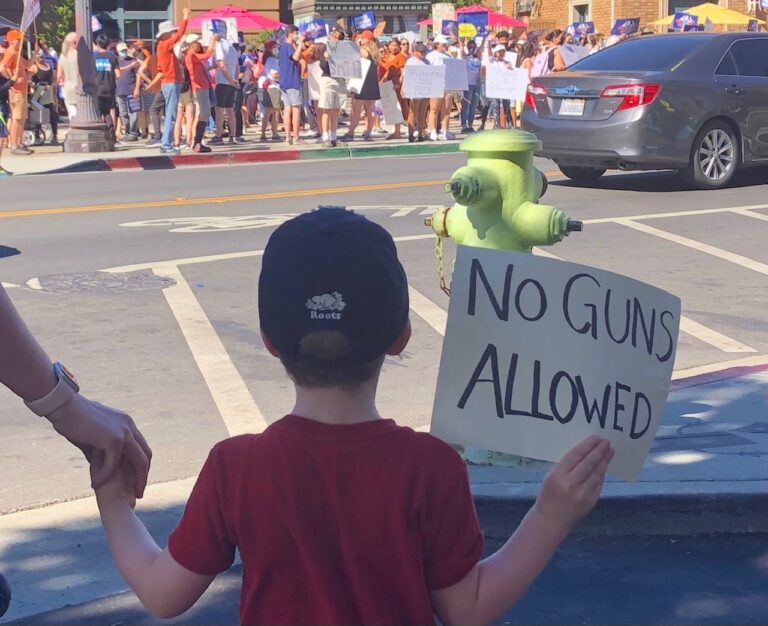
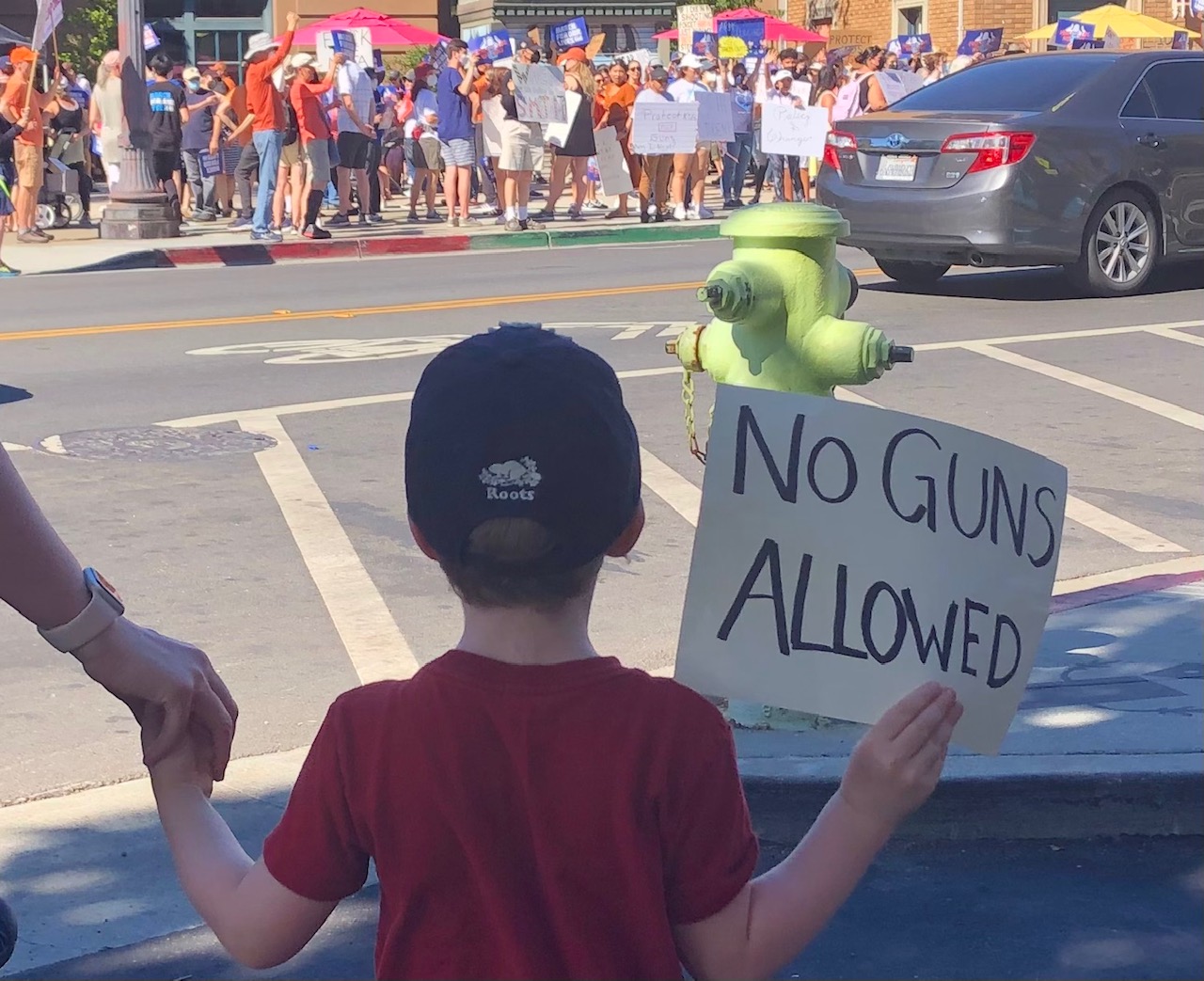
Redwood City ha tenido que declarar su compromiso contra la violencia armada y abogar por la prevención, luego de que el pasado 27 de septiembre, aproximadamente a las 22:43 horas, oficiales de policía respondieron a informes de disparos en la cuadra 1600 de El Camino Real. Foto: Noah Braunstein P360P
Luego de que el pasado 27 de septiembre, aproximadamente a las 22:43 horas, oficiales de policía de Redwood City respondieron a informes de disparos en la cuadra 1600 de El Camino Real, y si bien la trágica pérdida de vidas está bajo investigación, el incidente ha puesto a Redwood City a declarar y abordar la violencia con armas de fuego a través de medidas proactivas y asociaciones estratégicas.
“La seguridad de nuestra comunidad es nuestra máxima prioridad. Estamos profundamente comprometidos a abordar la violencia con armas de fuego en todas sus formas y seguimos centrados en la prevención mediante esfuerzos coordinados”, dijo el alcalde Jeff Gee.
“Nuestro mensaje es claro: seguiremos empleando todos los recursos a nuestra disposición para garantizar que Redwood City siga siendo un lugar seguro para todos los residentes”, subrayó.
La ciudad destacó que trabaja en estrecha colaboración con agencias locales, estatales y federales para abordar la actividad delictiva, en particular en casos que pueden involucrar pandillas.
Estas asociaciones, precisó en un comunicado, permiten compartir información, recursos y experiencia, lo que garantiza que el Departamento de Policía de Redwood City pueda responder con rapidez y eficacia.
En ese sentido, precisó que al colaborar con grupos de trabajo especializados y agencias regionales, la ciudad está mejor equipada para investigar casos complejos y prevenir futuros incidentes de violencia.
Redwood City dijo que herramientas como las cámaras de seguridad Flock, has sido invaluables para ayudar a las fuerzas del orden a identificar sospechosos y resolver casos. Estos sistemas de lectura automática de matrículas, dijo, proporcionan datos cruciales en tiempo real, lo que permite a los agentes rastrear vehículos sospechosos involucrados en actividades delictivas y responder a las amenazas.
Además de su papel en las investigaciones, el ayuntamiento puntualizó que dichas cámaras actúan como elemento disuasorio, reduciendo las oportunidades de delincuencia.
“Establecer relaciones sólidas dentro de nuestra comunidad es esencial para mejorar la seguridad pública. Estamos comprometidos a interactuar con los residentes, escuchar sus inquietudes y brindar recursos que aborden las causas fundamentales de la violencia”, explicó la jefa de policía Kristina Bell.
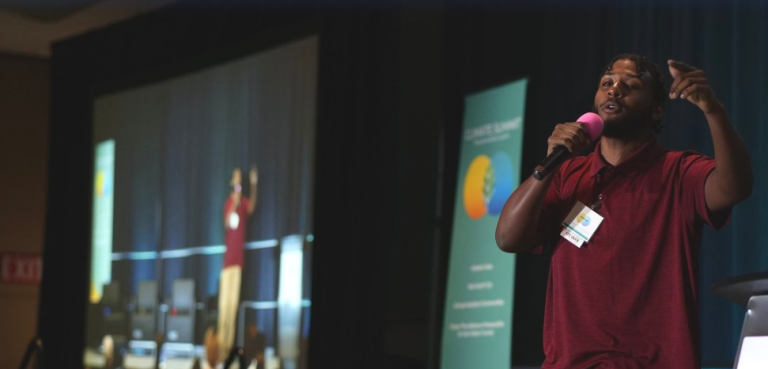
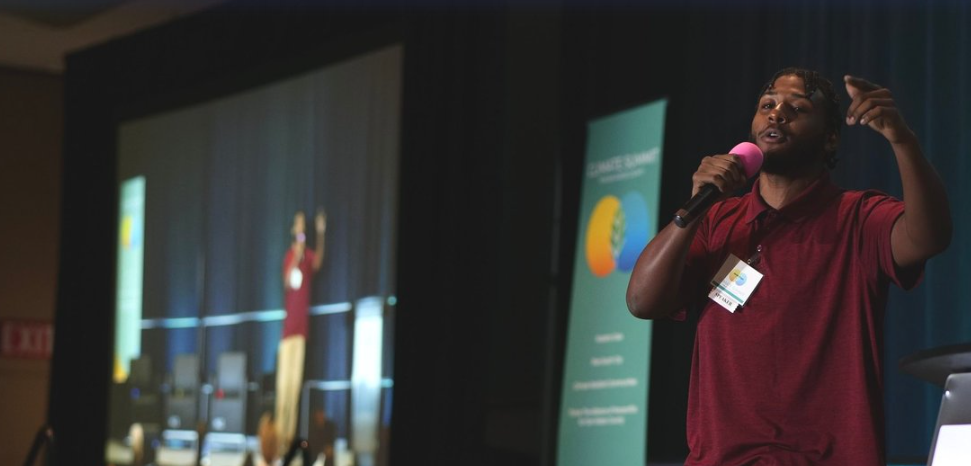
The stage is set for the annual San Mateo County Climate Summit to take place this coming October 8 at the South San Francisco Conference Center. Photo: Climate Summit SMC
Listen to this note:
The annual San Mateo County Climate Summit is set to take place this coming October 8 at the South San Francisco Conference Center. The summit aims to boost climate adaptation in the area, as well as to be a platform for underrepresented voices.
The third consecutive year-long event is being hosted by local organizations Climate Resilient Communities, Nuestra Casa, Rise South City, Thrive, and the San Mateo County Nonprofit Alliance and will take place from 9 a.m. to 4:30 p.m.
“Between 2022 and 2024, the Summit has redefined who is considered an expert in the field of climate change,” said Miriam Yupanqui, executive director of Nuestra Casa.
“We have increasingly prioritized amplifying the lived experiences of community members who have been disproportionately impacted by climate change, ensuring they are at the forefront of discussions,” she added.
The organizations noted in a statement that the 2024 Summit, which includes multiple sessions focused on environmental justice, comes at a crucial political moment for environmental and climate justice in San Mateo County, when several cities are incorporating environmental justice elements into their General Plans for the first time.
“These plans, when built with equitable community engagement at their core, offer an opportunity to acknowledge our collective history of racism and segregation,” said Violet Wulf-Saena, Executive Director of Climate Resilient Communities.
Rise South City Executive Director Julio Garcia said the Summit is an opportunity to raise awareness about the specific environmental and climate injustices facing South San Francisco.
“Air quality is one of the biggest impacts on our frontline communities. People living near the freeway suffer the consequences of traffic traveling to and from San Francisco, and pollution from the airport,” he stressed, explaining that air quality will feature prominently in one of the Summit’s afternoon sessions.
The organizations noted that South San Francisco Mayor James Coleman will deliver the opening remarks, followed by a performance by Danza Colibrí, a morning plenary session, and a first round of three breakout sessions from which attendees can choose.
Lunch will be followed by a performance by the Pacific Islands Youth Alliance, followed by a plenary session in the afternoon and a second round of three breakout sessions.
The Summit will conclude with remarks from climate mourning facilitator Ari Simon.
For more information, interested parties can visit the site www.climatesummitsmc.org; the last day to register is October 3 and scholarships are available.
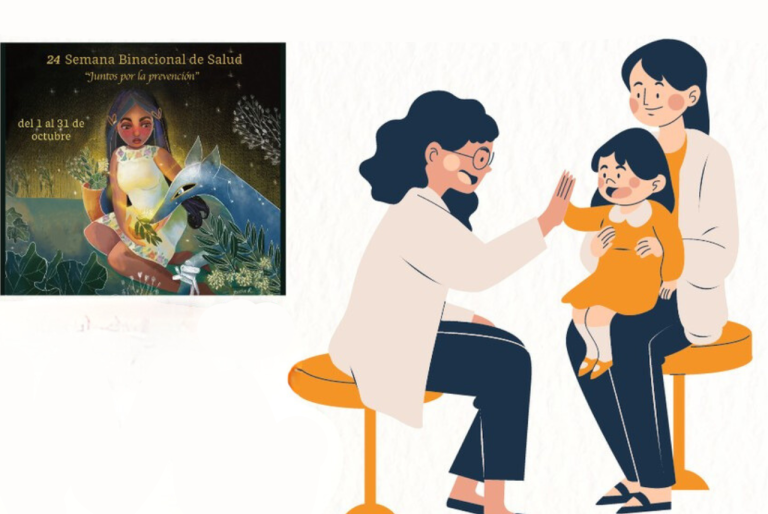
From October 2 to 31, the Consulate General of Mexico in San Francisco will hold the XXIV Binational Health Week 2024, a mobilization of community organizations, federal and state agencies, and volunteers who organize various activities to offer the migrant population medical care, guidance, disease prevention, and health promotion services.
From October 2 to 31, the Consulate General of Mexico in San Francisco will hold the XXIV Binational Health Week 2024
The event aims to provide access to essential health services and promote prevention to improve the quality of life of Mexicans in the Bay Area.
Under the motto “Together for Prevention,” this edition will feature 70 events spread across various cities in the Bay Area such as Belmont, Napa, Oakland, Redwood City, San Rafael, San Francisco, Santa Rosa and South San Francisco.
Throughout the month of October, the community will be able to participate in public meetings and events that will offer free health services, preventive check-ups, and informative workshops on key topics such as: chronic and communicable diseases, mental health and addictions, women's health, nutrition and comprehensive well-being.
Consul General Ana Luisa Vallejo will begin this series of activities, which also seek to strengthen the work of the consulate's Health Window (VDS) and reaffirm the community's commitment to health promotion and prevention.
“Binational Health Week is an opportunity for all of us to work together for the well-being of those who need it most. Thanks to the collaboration with various local organizations, health professionals and volunteers, the community will have access to vital resources both in person and virtually,” the consulate said in a statement.
Likewise, the Consulate General of Mexico in San Francisco invited all compatriots to follow the live broadcasts and actively participate through its Facebook platform. @ConsulmexSFCO.
Learn about the entire program for Binational Health Week 2024:
Claudia Sheinbaum tomará este 1 de octubre protesta como jefa del Ejecutivo Federal en México, un hecho histórico para ese país, toda vez que será la primera mujer en ocupar el cargo de presidente.
Claudia Sheinbaum tomará este 1 de octubre protesta como jefa del Ejecutivo Federal en México, un hecho histórico para ese país, toda vez que será la primera mujer en ocupar el cargo de presidente, para lo cual ya tiene su gabinete de gobierno, en el cual se conjuga la experiencia y la juventud.
“No solo es histórico el hecho de que México tendrá a la primera presidente mujer, sino que estamos también cerca de que Estados Unidos tenga a su primera presidente”, recordó Hans Leguizamo durante el programa de radio Por la Libre, la radio comunitaria rodante de Península 360 Press.
“Sería curiosísimo y muy importante para todos los libros de historia que dos mujeres estuvieran (en el cargo de presidente), en México y en Estados Unidos, pero estamos a nada”, subrayó.
En ese sentido, destacó que es extraño y desafortunado, pero no sorprendente, que ambas sociedades que se dicen democráticas y representativas, las mujeres no estén representadas en la mitad de los puestos de tomas de decisiones.
“Esta es una gran falla de nuestro sistema político y que poco a poco vamos construyendo y remendando, porque esa es otra chamba, hay que votar y ser votados y eso también implica la participación política de las mujeres que, junto con nuestro apoyo, si vemos y si acudimos a votar y vemos las propuestas no nos debería importar si es hombre o mujer, deberíamos votarles por igual”, destacó Leguizamo.
En el caso del gabinete de la presidente electa Claudia Sheinbaum, destaca que Ariadna Montiel, Rogelio Ramírez de La O, Marhat Bolaños, Zoé Robledo, permanecerán en sus cargos como secretaria del Bienestar, secretario de Hacienda y Crédito Público, secretario del Trabajo y director general del IMSS, respectivamente.
Mientras que Carlos Torres, Rocío Mejía, Lyndia Quiroz y Antonio Martínez Dagnino, permanecerán en sus puestos como secretario técnico de programas sociales de la Presidencia de la República, titulares del Fonatur y del SAT, respectivamente.
Cabe destacar que si bien permanecen algunos permanecerán en el gobierno, algunos pasarán de una secretaría a otra, tal es el caso de Rosa Icela Rodríguez que de Seguridad y Protección Ciudadana será ahora secretaria de Gobernación; mientras que Alicia Bárcena, dejará la cancillería para convertirse en la titular de la Secretaría de Medio Ambiente, Recursos Naturales y Pesca.
Raquel Buenrostro dejará la Secretaría de Economía y ahora encabezará la Secretaría de la Función Pública; en tanto que Edna Elena Vega abandonará el cargo en el Instituto de Vivienda para encabezar la Secretaría de Desarrollo Agrario, Territorial y Urbano; mientras que Lázaro Cárdenas dejó la jefatura de asesores de la Presidencia y se convertirá en el Jefe de la Oficina de la Presidencia; y Alejandro Zvarch es cambiado de la Cofepris para estar a cargo el IMSS Bienestar; en tanto que Octavio Romero pasará de Pemex al Infonavit.
Omar García Harfuch, será el secretario de Seguridad y Protección Ciudadana; Jesús Esteva, secretario de Infraestructura, Comunicaciones y Transportes; Rosaura Ruiz, titular del Consejo Nacional de Ciencias, Humanidades, Tecnología e Innovación; Claudia Curiel, secretaria de Cultura; y Luz Elena González, secretaria de Energía.
Por otra parte, Ernestina Godoy será la próxima consejera Jurídica; Carlos Augusto Morales, secretario particular; José Merino, titular de la Agencia de Transformación Digital y Telecomunicaciones; Martí Batres, director del ISSSTE; Iván Escalante va a la Procuraduría del Consumidor (PROFECO); Mariana Boy, procuradora federal y de Protección Ambiental; Rocío Bárcena, subsecretaria de Gobernación; Violeta Abreu al Servicio Postal; Renata Turrent a Canal 11; y Alfonso Millán titular de Canal 22.
Marcelo Ebrard, excanciller, será secretario de Economía; mientras que Juan Ramón de la Fuente, que quien fue embajador ante la Organización de las Nacionales Unidas será el próximo canciller; Mario Delgado será el titular de la Secretaría de Educación; Arturo Zaldívar será coordinador de Política y Gobierno de la Presidencia; Altagracia Gómez encabezará la Agencia de Relocalización de Empresas; Citlalli Hernández, será la titular de la Secretaría de La Mujer; y Rommel Pacheco encabezará la Comisión Nacional del Deporte.
Julio Berdegué será secretario de Agricultura; David Kershenobich, secretario de Salud; Víctor Rodríguez Padilla, encabezará Pemex; y Emilia Esther Calleja, será titular de la CFE.
Para conocer más sobre el tema y otros más, escuche el programa completo de For the Free.