In a draft investigative report, Pentagon officials presented a report claiming that aliens visit our solar system by launching hard-to-detect mini-probes from a mother ship.
The report published on March 7, which focuses on the physical limitations of unidentified aerial phenomena, was prepared by Sean Kirkpatrick, director of the Pentagon's All Domain Anomaly Resolution Office (AARO), and Abraham Loeb, chairman of the astronomy department at the Harvard University.
The AARO was established in July 2022 and is responsible for tracking objects in the sky and underwater.
“…An artificial interstellar object could potentially be a mother ship that releases many small probes during its close pass of Earth, an operational construct not unlike NASA missions,” the report reads.
It should be noted that the National Aeronautics and Space Administration ‒ NASA, for its acronym in English‒ has been responsible since 2005 for finding 90 percent of all near-Earth objects with a diameter of more than 140 meters, which has generated various advances such as the Pan-STARRS telescopes, according to the report.
On October 19, 2017, Pan-STARRS detected an unusual cigar-shaped interstellar object that appeared flat and propelled itself away from the Sun without leaving a cometary tail. This led scientists to believe it was artificial, and after further analysis, the object was named “Oumuamua,” or “scout” in Hawaiian.
"With proper design, these tiny probes could reach Earth or other planets in the solar system for exploration, passing the parent spacecraft within a fraction of the Earth-Sun separation, just as Oumua did," the authors wrote.
"Astronomers would not be able to detect the dew from the miniprobes because they do not reflect enough sunlight for existing survey telescopes to detect them," officials at the US Department of Defense headquarters (Pentagon) said.
The report shows that the possibility of being observed by other beings in the universe is real and research is key to acquiring more information about these strange events.
These are the local news from March 11 to 17 that you need to know to stay up to date.
A green wave swept across San Mateo County on Friday as celebrations began for St. Patrick's Day, a holiday that began as a religious holiday in 1631 when the church declared it a public holiday. However, the festivities have been marred by severe weather.
Rain and strong winds have not given residents throughout the Bay Area a break, as power outages and flooding have been a problem, so authorities have urged everyone to be prepared for rain forecasts this weekend. Keep yourself and your loved ones safe.
‒ 0 ‒
The St. Patrick's Day parade took place in San Francisco on Saturday, March 11, resulting in road closures and detours for downtown Muni services.
The parade took place along Market Street beginning at Second Street and ending at the San Francisco Civic Center.
‒ 0 ‒
The Pajaro River dam broke during the night of Friday, March 10, prompting evacuations.
The flood barrier breached around midnight, according to a news release from the Monterey County Health Department.
Crews from the county water resources agency and the state water resources department were on the scene at the time attempting to combat flooding.
Evacuations of most of the Pajaro community were ordered just before midnight and expanded shortly afterward to include all flooded areas in the area.
National Guard high water rescue vehicles were stationed in the area to assist in the evacuation effort, which included door-to-door checks by Monterey County sheriff's deputies, Cal Fire fire crews and North Monterey County firefighters.
‒ 0 ‒
The Chairman Joseph Biden He said this morning that, thanks to the swift action of his administration in recent days, "Americans can trust that the banking system is safe" and that "their deposits will be there when they need them" following the bankruptcy of SVB.
Following the collapse of Silicon Valley Bank's shares last Friday, which generated uncertainty in the country's financial system, Signature Bank also reported its collapse.
"Small businesses across the country that had deposit accounts at these banks can breathe easy knowing that they will be able to pay their workers and pay their bills. And their workers can breathe easy, too," Biden said at a press conference.
The president explained that last week, upon learning of the problems facing the banks and the impact they could have on employment, on some small businesses and on the banking system in general, he gave instructions to act quickly and protect those interests.
‒ 0 ‒
Approximately 16,000 residents were affected by warnings and evacuation orders due to the levee breach on the Pajaro River, Monterey County officials announced Monday.
Nearly 5,000 residents were also ordered to shelter in place in areas west of River Road from Interstate 68 south to Fort Romie Road, and Las Palmas 1 and 2 and Indian Springs.
They also encouraged residents who receive water from the Pajaro, Sunny Mesa and San Ardo water districts not to use tap water for drinking and cooking, as it may be contaminated.
‒ 0 ‒
Strong winds in the Bay Area on Tuesday caused delays in arrivals at San Francisco International Airport as the Federal Aviation Administration initiated a grounding program that delayed domestic arrivals by an average of 80 minutes.
‒ 0 ‒
In the wake of Silicon Valley Bank's tumultuous closure and a weekend of uncertainty that has dominated national headlines, the local impact of the financial institution's collapse in the tech-driven region was clear to the dozens of people who lined up outside the bank's Santa Clara branch Monday.
They all expected to access their accounts and keep the lights on in their businesses.
‒ 0 ‒
Meta CEO Mark Zuckerberg announced to his employees on Tuesday that he was laying off approximately 10,000 people and closing around 5,000 additional vacancies that have not yet been filled.
“This will be tough, and there’s no way around it. It will mean saying goodbye to talented and passionate colleagues who have been a part of our success. They have been dedicated to our mission, and I am personally grateful for all of their efforts. We will support people the same way we have before, and treat everyone with the gratitude they deserve,” Zuckerberg said.
The businessman explained that the American technology and social media conglomerate based in Menlo Park, California, said that in the next two months, the heads of the organizations will announce restructuring plans focused on reducing the size of their organizations, canceling lower-priority projects and slowing the pace of hiring.
‒ 0 ‒
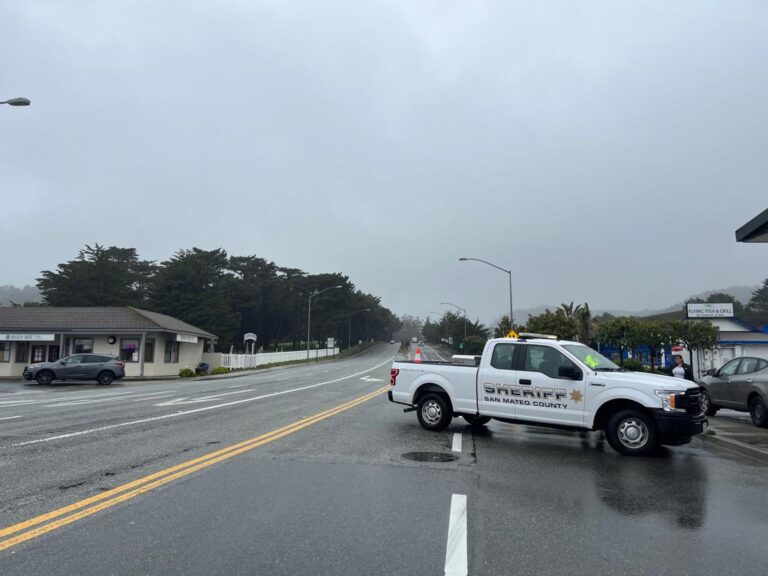
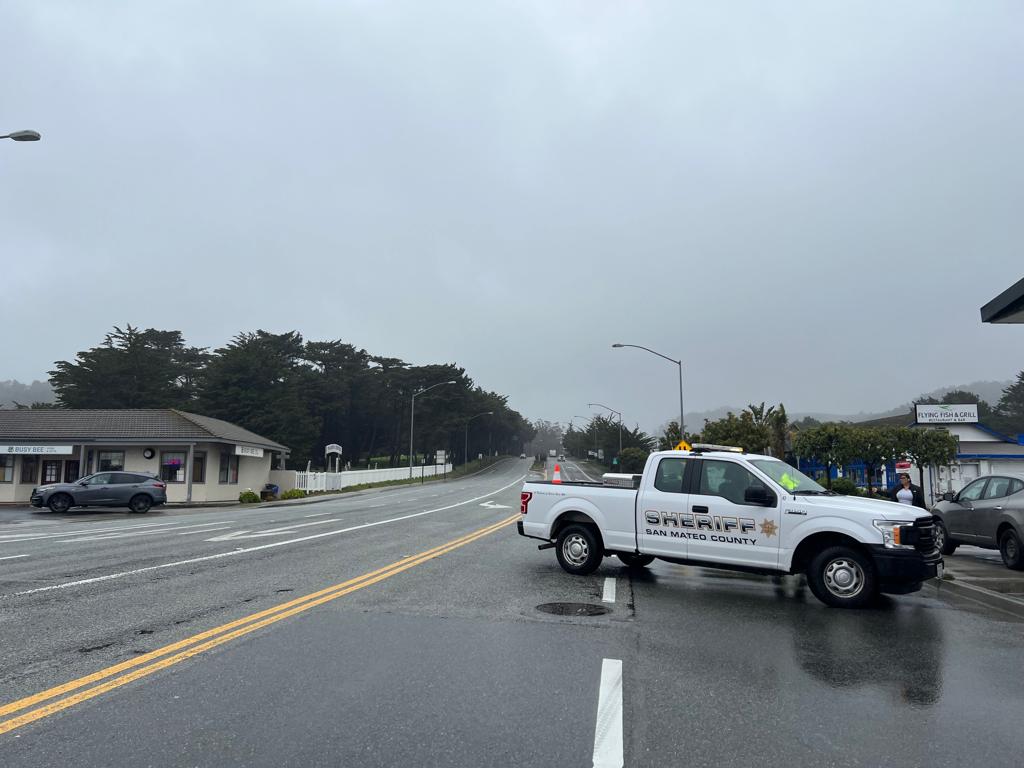
High winds in the Bay Area on Tuesday afternoon downed trees and power lines across the area, including Highway 92, which was closed near Half Moon Bay.
More than 155,000 PG&E customers in the Bay Area were without power early March 14 afternoon, most of them in the South Bay and East Bay.
At least 5,000 customers were also without power in Walnut Creek, as high winds downed trees and power lines in central Contra Costa County. Most of the damage is around Walnut Creek and Pleasant Hill.
‒ 0 ‒
As of Wednesday, March 15, more than 450,000 California residents were reported without power during high winds and rain a day earlier, PG&E officials said during a briefing.
In the Bay Area alone, about 108,000 people remained without power as of 4 p.m. Wednesday.
Officials said it was the 38th consecutive day that the company's emergency operations center has been active, pointing to an extraordinary winter season with high levels of rain, snow, flooding, mudslides and other storm-related emergencies across the state.
‒ 0 ‒
Three years after the first COVID-19 shelter-in-place orders, San Mateo County's investment during the pandemic was approximately $360 million in recovery initiatives focused on helping those most affected.
The total, the county said, includes $188 million for housing, $76 million for food security and more than $16 million in direct financial assistance for individuals and families.
In this regard, she said that financial support was also directed to small businesses, child care providers and youth programs.
‒ 0 ‒
San Mateo County officials are urging residents to prepare for more rain forecast for the weekend.
For Bay Area residents, it hasn't been easy during the seemingly endless cascade of storms that began late last year. With more rain in the forecast for the Bay Area, officials are urging people to stay alert and prepare for all kinds of things that could go wrong.
Natural disasters, particularly weather-related disasters, are becoming more frequent and more costly, both in terms of lives and losses. Extreme heat is now one of the deadliest types of weather incidents in the United States, causing more deaths than hurricanes, tornadoes or floods.
The best time to prepare for any potential disaster is now, not until the lights go out or emergency managers issue evacuation orders, San Mateo County officials said.
In response, authorities have issued a guide to key local information that could help you and your family overcome an emergency, whether floods, fires, tsunamis, earthquakes or other challenges.
The Governor Gavin Newsom en conjunto con líderes estatales y locales, anunció el lanzamiento de mil millones de dólares en fondos de la ronda 4 de asistencia, prevención y vivienda para personas sin hogar ‒HHAP, por sus siglas en inglés‒ para apoyar a las comunidades más necesitadas, entre las que se encuentra la ciudad de San José, en el condado de Santa Clara.
Y es que, Newsom anunció la mayor movilización de pequeñas casas en el estado para atender a las personas sin hogar, especialmente aquellas que viven en campamentos. La Guardia Nacional de California asistirá en la preparación y entrega de mil 200 casas pequeñas a Los Ángeles, el condado de San Diego, San José y Sacramento, sin cargo y listas para ser ocupadas.
«En California, estamos utilizando todas las herramientas, incluida la mayor implementación de casas pequeñas en el estado, para sacar a las personas de las calles y trasladarlas a viviendas. Estamos abordando este problema desde la raíz, al abordar la necesidad de crear más viviendas, más rápido en el estado», señaló el gobernador.
Estas pequeñas casas son rentables y se pueden implementar rápidamente para trasladar a las personas de los campamentos para personas sin hogar a la vivienda.
Las ubicaciones para la colocación de estas casas pequeñas serán responsabilidad de las jurisdicciones locales. Sin embargo, cuando sea necesario y cuando esté disponible, el estado proporcionará terreno excedente para usar como una opción para este tipo de viviendas.
Cabe destacar que los gobiernos locales serán propietarios de las unidades y brindarán todos los servicios, incluido el reclutamiento de residentes, aprovechando los fondos estatales proporcionados anteriormente.
Así, la comunidad de Los Ángeles recibirá 500 unidades; Sacramento 350 unidades; San José 200 unidades y el condado de San Diego 150 unidades
«Tenemos la obligación moral de tomar medidas urgentes para reducir el sufrimiento humano en nuestras calles», dijo el alcalde de San José, Matt Mahan. «Esta movilización masiva de hogares pequeños acelera los enfoques innovadores necesarios para resolver la crisis de personas sin hogar de nuestro estado. Como alcalde de San José, estoy desafiando a nuestra ciudad a sacar a mil vecinos sin refugio de campamentos no administrados a alternativas más seguras para fines de este año. Esta iniciativa nos ayudará a llegar allí».
Damas girando en vestidos rojos, azules y verdes con faldas completas, deslizándose por la pasarela con zapatos de tacón de buen gusto y bolsos a juego: el Museo de Historia del Condado de San Mateo está recreando la década de 1950 en un desfile de modas en el museo de Redwood City el sábado por la tarde.
Mientras las modelos caminan recatadamente al más puro estilo de los años cincuenta, la subdirectora del museo, Carmen Blair, brindará comentarios que describen los atuendos, así como una descripción general de lo que estaba sucediendo en el condado de San Mateo durante ese período de tiempo.
«En toda la península, desde Daly City hasta Redwood City, las casas estilo rancho se extendían hacia las colinas y hacia la bahía. Se crearon vecindarios completos», dijo Mitch Postel, presidente de la Asociación Histórica del Condado de San Mateo.
«Las Damas que almorzaban que vivían en las casas del rancho se ponían guantes blancos y perlas para reunirse en el centro, conduciendo grandes y viejos devoradores de gasolina, camionetas, autos con aletas, faros dobles y asientos de cubo», señaló Postel. «Los accesorios de los autos fueron tan meticulosos como los de las mujeres».
Seis jóvenes voluntarios modelarán alrededor de 20 atuendos retro en el desfile de moda, dijo Postel. El evento tendrá lugar en una sala utilizada para presentaciones en vivo en el museo, que se encuentra en el antiguo Palacio de Justicia del Condado de San Mateo de 1910.
Los atuendos provendrán de ropa vintage perteneciente al museo.
«Tenemos dos colecciones aquí para vestuario. Una está protegida y nunca la usaríamos para desfiles de moda, son piezas históricas importantes para la historia del condado de San Mateo», subrayó Postel.
La ropa protegida incluye un atuendo de lacayo de antaño. «Nunca permitiríamos que ese atuendo se use para eventos públicos como este. Hay un montón de desgaste para los textiles cuando se usan de esa manera», destacó.
La estrella de telerrealidad Kim Kardashian se enteró de eso por las malas después de usar un vestido ceñido de color nude que anteriormente usó Marilyn Monroe, lo que provocó furor público en mayo de 2022 cuando Kardashian lo usó en la Met Gala.
«Eso es exactamente lo que evitamos al tener dos colecciones», precisó Postel.
Los atuendos que se exhibirán en el desfile de modas del sábado se extraerán de la segunda colección, conocida como la Colección Millie: prendas de varias épocas que no tienen una conexión directa con la historia del condado de San Mateo.
El espectáculo comenzará a la 13:00 horas en el museo ubicado en el 2200 Broadway en Redwood City. El evento es gratuito con la entrada al museo, que cuesta 6 dólares para adultos, 4 dólares para personas mayores y estudiantes y gratis para niños menores de cinco años.
Apenas unos días después de que una importante diócesis católica del Área de la Bahía se declarara en bancarrota frente a cientos de posibles demandas por abuso sexual, la Diócesis de Oakland anunció que está considerando seriamente hacer lo mismo.
En una carta a los feligreses que también se envió a los medios de comunicación este jueves, el obispo Michael Barber dijo que «está considerando seriamente la posibilidad de declararse en bancarrota del Capítulo 11».
La carta de Barber llega solo tres días después de que la Diócesis de Santa Rosa se declarara en bancarrota del Capítulo 11 ante más de 200 posibles demandas por abuso sexual.
En ambos casos, los líderes de la iglesia citan una ley estatal que abrió una ventana de tres años que permite que las demandas por abuso sexual infantil avancen a pesar de las normas de prescripción que habían impedido demandas anteriores.
«Desde el cierre de la ventana de presentación el 31 de diciembre de 2022, se nos ha informado que puede haber aproximadamente 330 demandas presentadas contra nuestra diócesis», señaló Barber.
«Después de mucha oración y consejos bien pensados, creo que la bancarrota puede proporcionar una forma de apoyar a todos los sobrevivientes en su viaje hacia la curación de una manera equitativa e integral», destacó Barber. «También permitirá a la diócesis reorganizar nuestros asuntos financieros para que podamos continuar cumpliendo la sagrada misión que Cristo y la Iglesia nos han encomendado».
En una sección de preguntas frecuentes en el sitio web de la diócesis, los líderes de la iglesia dijeron que la posible decisión de declararse en bancarrota no tiene la intención de minimizar sus responsabilidades con los sobrevivientes de abuso sexual.
El proceso del Capítulo 11 es transparente y «permite a todos los reclamantes un acceso equitativo y una participación equitativa en los activos disponibles para pagar las reclamaciones», al mismo tiempo que permite que la iglesia continúe con su «misión como Iglesia Católica en los condados de Alameda y Contra Costa», según el sitio web.
La iglesia tiene «reservas de efectivo limitadas», pero el seguro y la posible venta de activos infrautilizados también podrían ayudar a pagar algunos de los reclamos, según el sitio web.
Un abogado de una firma que representa a casi 100 personas con reclamos de abuso sexual contra la Diócesis de Oakland dijo que la posible declaración de bancarrota es una estrategia para eludir la total transparencia y responsabilidad.
«Desafortunadamente, es otra puñalada para ocultar información sobre los perpetradores y los crímenes cometidos por y a través de la iglesia, así como sus bienes e información financiera, en beneficio de la iglesia a expensas de aquellos que han sido gravemente dañados cuando eran niños», subrayó Jennifer Stein de Jeff Anderson and Associates.
Stein dijo que es una táctica que han utilizado más de 20 diócesis en todo el país porque, en parte, cambia el enfoque legal lejos de los hechos de los casos y lo pone en la capacidad de la iglesia para mantenerse a flote financieramente.
Stein dijo que espera ver más declaraciones de quiebra de este tipo en un futuro próximo.
«Estas son instituciones que han agraviado a los niños durante décadas y han puesto sus propios intereses y sus propias finanzas por encima de la seguridad de los niños una y otra vez», dijo.
Un portavoz de la diócesis dijo que aún no hay un cronograma sobre cuándo se tomará una decisión sobre la declaración de bancarrota.
El Departamento de Policía de Oakland informó el jueves que ha visto un aumento en los robos residenciales donde los sospechosos involucrados son ladrones disfrazados de repartidores Amazon.
La policía dijo que se han reportado varios casos en los que presuntos ladrones, vestidos con chalecos de conductor de entrega de Amazon, se acercan a una residencia y tocan el timbre para determinar si la residencia está ocupada o no.
Luego, los sospechosos ingresan a la fuerza a la casa, toman varios artículos y se van en un vehículo.
La policía está investigando estos robos y cualquier persona que tenga información sobre ellos debe llamar al (510) 238-3951.
For Bay Area residents, it hasn't been easy during the seemingly endless cascade of storms that began late last year. With more rain in the forecast for the Bay Area, officials are urging people to stay alert and prepare for all kinds of things that could go wrong.
Natural disasters, particularly weather-related disasters, are becoming more frequent and more costly, both in terms of lives and losses. Extreme heat is now one of the deadliest types of weather incidents in the United States, causing more deaths than hurricanes, tornadoes or floods.
The best time to prepare for any potential disaster is now, not until the lights go out or emergency managers issue evacuation orders, San Mateo County officials said.
In response, authorities have issued a guide to key local information that could help you and your family overcome an emergency, whether floods, fires, tsunamis, earthquakes or other challenges.
Regístrese para recibir alertas de emergencia
Local emergency officials say the best first step you can take is to sign up for SMC Alert, una herramienta de mensajería que envía información de emergencia concisa y procesable a correos electrónicos, teléfonos celulares y otros dispositivos y teléfonos fijos.
La alerta es totalmente gratuita y está disponible en todas las ciudades y pueblos del condado de San Mateo.
MyShake está catalogado por el estado como «el primer sistema de advertencia estatal disponible públicamente en el país que podría dar a los residentes de California unos segundos cruciales para ponerse a resguardo antes de que se inicie un temblor». MyShake está disponible en las tiendas Apple App and Google play.
La Agencia Federal para el Manejo de Emergencias ‒FEMA, por sus siglas en inglés‒ ofrece una aplicación que le permite recibir alertas meteorológicas en tiempo real, enviar notificaciones a sus seres queridos, ubicar refugios de emergencia en su área y más.
stay connected
Nueve de cada 10 residentes del condado de San Mateo viven en una de las 20 ciudades. Muchos tienen sus propios sistemas de alerta y canales de redes sociales. Regístrese en el sitio web de su ciudad ‒encuentre una lista aquí‒ y siga a su gobierno local, policía y departamentos de bomberos en las redes sociales, que a menudo son los primeros en hacer sonar la alarma sobre una emergencia cerca de usted.
Los administradores de emergencias han dividido la península en más de 300 zonas en un mapa en línea disponible públicamente respaldado por Zonehaven, una empresa con sede en California bajo contrato con el condado de San Mateo.
A cada zona se le asigna un código corto. Todos los residentes pueden ingresar una dirección para encontrar your zone.
En caso de emergencia, los primeros en responder emitirán órdenes de evacuación u otras órdenes y avisos según las zonas. Esta información se difundirá a través de los medios de comunicación, redes sociales como Twitter, notificaciones de alerta de emergencia y otras plataformas.
Advice: Considere empacar un mapa de papel en su automóvil o bolso de mano. ¿Por qué un mapa de papel en estos días de GPS y sistemas de navegación? Simplemente porque muchos de nosotros tendríamos problemas para llegar a un refugio, hospital o punto de encuentro en un vecindario o ciudad desconocidos sin un teléfono encendido o un GPS a bordo, especialmente de noche.
Cortes de energía
Para mantenerse actualizado sobre cortes de energía y posibles apagones durante la temporada de incendios, consulte el Pacific Gas & Electric outage map, que sirve a la mayor parte del norte de California. También puede encontrar dónde sign up to receive your alerts.
Condición de carreteras
511.org proporciona información actualizada sobre las condiciones de las carreteras y los cierres.
Caltrans offers a search tool of the current conditions in the california highways. También puede llamar al 1-800-427-7623 para conocer las condiciones actuales de la carretera.
Haga un kit de emergencia para el hogar, el trabajo y su automóvil o viaje diario
The website ready.gov ofrece numerosas listas de verificación sobre preparación y consejos sobre qué empacar en una bolsa de viaje para cualquier tipo de emergencia. Y lo que es igual de importante, todos deben preparar un kit de estancia con los elementos esenciales que puedan necesitar para usted y su familia si se quedan sin electricidad, agua o calefacción.
Culture and language are among the barriers that prevent many Asian-American teens from speaking openly about dating violence with their parents.
When Angela Kim fell in love for the first time at 16, teenage dating violence was the last thing on her mind. Her boyfriend showered her with love, and she was smitten with their whirlwind romance.
But then, she recalls, things suddenly began to change: name-calling, manipulation tactics and eventually physical violence escalated into a three-year abusive relationship.
“All these compliments started turning into insults. And all the great times we had together were now being overshadowed by his violent outbursts of anger,” she recalls. “The signs of abuse, the signs that my relationship was not healthy, were pretty quick to surface in the relationship.”
Kim is not alone, nor are her experiences unique. According to Youth.gov, 69.5 percent of women and 54 percent of men reported experiencing intimate partner violence before age 24. As many as 76 percent of teens reported experiencing emotional and psychological abuse in relationships.
Today, Kim is turning her “pain into passion,” devoting her professional life to domestic violence prevention work at the Los Angeles County Department of Public Health and other community organizations. Many people she speaks to, she says, don’t understand the nature of abuse and how abusers can keep victims under their control.
“I’ve heard questions like, ‘How do you stay with someone who hurts you like that? ’” she says. “And my answer has always been that an abuser is incredibly good at changing your logic to the point where your reality is no longer your own.”
According to activists, the extensive use of social media among teenagers creates unrealistic images of what a “perfect” romance is and enables some manipulation tactics, such as forcing the victim to unfollow all other people of the same gender. Pop culture frequently romanticises violence in films such as 365 Days.
Depictions of domestic violence are limited, often to white adult women suffering physical abuse, preventing teens from recognizing signs of abuse in their own lives. And most schools have minimal courses that teach students red and green flags in relationships, signs of abuse, and consent.
"There's a reason coercion, intimidation and degradation work together... in an abusive relationship."
AsAmNews spoke with advocates and experts, including those on an Ethnic Media Services panel with youth activists, to understand teen dating violence in the Asian American community, its signs, and how to ultimately prevent it.
These signs of abusive relationships are often not discussed in families or taught to youth, preventing victims from recognizing that their relationship is abusive. And many other factors affect the prevalence of dating violence specifically in teens.
The COVID-19 pandemic only worsened these existing problems. Armaan Sharma, a student activist with Safe Alternatives to Violent Environments (SAVE), observed that quarantine and isolation caused significant increases in mental health issues and social media use among teens, changing the ways in which dating violence manifests.
“Just as COVID has evolved with all its new variants, so has teen dating violence,” she says.
"We are fighting for a vaccine, so we should be fighting for more prevention."
Open and respectful dialogue about dating and relationships between parents and teens is key to keeping kids safe in their relationships, says Armaan Sharma.
Kim’s abuser, she said, used common abusive manipulation tactics to keep her trapped in the relationship. These included “love bombing,” or showering the victim with overwhelming amounts of affection; controlling the victim through violence, anger and jealousy; monopolizing the victim’s time, preventing them from having non-romantic relationships with others; or calling them names.
The result is a complete collapse of the victim's self-esteem, self-worth and confidence.
"What people don't understand is that manipulation tactics work. There's a reason coercion, intimidation and degradation go together... in an abusive relationship," she says.
These tactics culminate in a “domestic violence cycle” that often keeps victims trapped in abusive relationships, she says. The cycle begins with a tension-building phrase, where the victim feels like they are walking on eggshells to avoid angering the abuser.
But inevitably a violent incident happens. Afterwards, however, the abuser will apologize and reconcile with the victim. This honeymoon phrase reminds the victim why they fell in love with the abuser; the abuser will also show remorse and responsibility, such as giving gifts or promising to go to therapy. Instead, however, the cycle repeats itself.
As a result, the victim will remain with the abuser, convinced that the violent incident was a one-time event. And even if the victim decides to leave, Kim says, she will be in danger, as the abuser will try to maintain the relationship.
“Parents… need to understand that dating is something that could potentially be unavoidable.”
Asian American teens face additional barriers to opening up discussions about dating, consent, and intimacy.
Many Asian American teens who are children of immigrants may find it especially difficult to report dating violence. They may feel especially pressured to succeed and show the positive parts of their lives. The problems their parents faced when coming to the United States seem to “overwhelm” their own relationship issues.
Immigrant parents may also be unfamiliar with where to report teen dating violence when it occurs. And language differences can make it difficult for teens to even explain what's happening.
“How do you translate terms like domestic violence or love bombing or gaslighting into this language? It’s difficult,” Kim says. “It’s already such a sensitive topic, and you don’t know how your parents are going to react.”
This lack of discussion is also prevalent among cultures with dating taboos, such as the South Asian community, Sharma notes. He notes that while Indian parents in the US are generally more open to dating, there is still a “lack of dialogue” about relationships and dating violence among teens.
“Parents, especially South Asian parents, need to understand that dating is something that could potentially be unavoidable,” Sharma said. “That’s where relationship education and team dating violence comes in, because I’m sure parents would rather have… children in safe relationships rather than unsafe relationships.”
The broader environment of anti-Asian racism also plays a significant factor. East and Southeast Asian women, for example, are often hyper-fetishized and seen as submissive to violence and abuse.
However, the foundations for teen dating violence and abuse are also laid within the home. Many Asian elders do not display intimacy or discuss romantic relationships at all. But Kim notes that domestic violence, especially against women, is normalized and little discussed. And when abusive tactics are seen as a natural part of romantic relationships, they can be especially difficult to unlearn.
"Many women who grow up seeing their own mothers abused think it's normal because they never go away," Kim said.
“So when you’re experiencing something — like an abusive relationship — you think, ‘This must be normal. This is what love is. This is what marriage is, what a relationship is.’ And a lot of the responsibility to undo the damage … falls on women.”
All of those factors make it difficult to start essential conversations about intimate partner violence. Kim says the Asian-American community is one of the hardest for her to engage in conversations with. A central reason was judgment: When she shared her story, for example, it was often used as gossip or as an example of why children should avoid relationships or sex before marriage altogether.
“Instead of treating my story with compassion and care, my story was this example of why not to engage in various behaviors,” she recalls.
«Teen dating violence takes over a town. It is not the teenager's burden to bear.»
Megan Tanahashi, communications director for the California Partnership to End Domestic Violence, says teens understand their peers' experiences better than adults, making them excellent advocates for violence prevention.
Advocates say the key to combating teen dating violence is prevention.
Parents play a critical role in intimate partner violence prevention efforts. Kim recommends that parents begin teaching children about healthy boundaries and consent as early as they can. Middle school is the ideal age to begin conversations about relationships and intimacy. Doing so ensures that teens feel comfortable talking to their parents about any harm they experience.
However, Kim emphasizes, parents are not the only trusted adults who can intervene in cases of teen dating violence.
"It's not just about parents, but also about other adults, educators, teachers, relatives, football coaches: all these people have a very important role to play because teenage dating violence takes over a village. It's not the teenager's burden to bear."
Educators and schools are key to teaching young people about healthy and abusive relationships. But current curricula rarely cover these skills. Sharma recalls that only one class at her high school covered relationships; sex education classes typically focus on sexually transmitted diseases and related topics. As a result, young people may not be able to recognize signs of abusive relationships in themselves or their peers.
“Relationships are relevant to every person. I couldn’t say the same about calculus,” Sharma says. “So while teaching about relationships may not fall into conventional schooling norms in the United States, let alone anywhere else, those norms need to change.”
Meanwhile, workshops like the “Building Healthy Relationships” training that Kim teaches in schools bridge that gap. “Building Healthy Relationships” covers red and green flags in relationships and teaches teens to recognize healthy and unhealthy behaviors. This allows them to not only recognize those flags in their own lives, but also help their friends and peers.
A key part of the training, Kim says, is learning about consent and boundaries. Many teens don’t know that consent still exists, even if they’re in a relationship. As a result, they may feel pressured to do things they’re not comfortable with. But because consent isn’t taught in schools, Kim says, many teens she worked with didn’t learn these important facts until they attended the training.
“There’s this ideology where a lot of teenagers believe that if you’re in a relationship, you have a right to the other person’s body. And what they don’t realize is that even in a relationship, you own your own body,” she says. “Consent doesn’t just come freely.”
Education is not only important to prevent teens from entering into violent relationships, but also to prevent abusers from learning violent behaviors in the first place. Teen dating violence is often framed as a “cycle of violence” in which hurt people hurt other people in turn. But Kim says the rhetoric detracts from the accountability of abusers and the real causes of violent behavior.
According to her, a more accurate phrase is: "Violence is learned."
“They see their parents being abusive, they see peers bullying each other, they see depictions of violence or domestic violence in the media… and they learn that,” she adds. “And they may not see a lot of repercussions… so they take those behaviors and replicate that violence, that cycle, on other people in their lives.”
The causes of teen dating violence are multifaceted, as are the ways to prevent it. In addition to education, Sharma emphasizes the importance of investing in mental health care and funding targeted programs, especially in disadvantaged communities. However, she also notes that it is critical for everyone — not just youth, women, or people who identify as LGBT who are disproportionately affected by dating violence — to be involved in prevention efforts.
“We can’t just sit back and watch our youth get hurt by these platforms and say, ‘Oh well, there’s nothing we can do about it now,’” she says. “No, there literally is. It’s called prevention.”
If you or someone you know is experiencing domestic abuse or intimate partner violence, you can contact the National Domestic Violence Hotline by calling 1-800-799-7233, or by texting “START” to 88788. The Hotline also offers education and support for young people ages 13-26. They can be reached via live chat at www.loveisrespect.org, by phone at 1-866-331-9474, or by texting LOVEIS to 22522.
This article was originally published by AsAmNews.
This publication was supported in whole or part by funding provided by the State of California, administered by the California State Library.
The days continue to accumulate and there is no trace of the whereabouts of lawyer Ricardo Lagunes and professor Antonio Díaz, who disappeared on January 15 in the town of Cerro de Ortega, Colima, after their participation in a meeting of community members in San Miguel Aquila, the municipal seat of the same name in one of the largest municipalities in Michoacán, which is located near the border between these two states.
The situation in that community is characterized by the division of its communal assembly. Ever since the mining company Ternium – of Italian-Argentine capital – bought its predecessor Las Encinas, from the company Hylsa. Around 2005 and up to the present, there have been a series of problems regarding non-compliance with agreements to which both the community and the company have signed.
Especially from 2012, at which point the mine decided to make public the royalties it paid to each community member, leaving the population at the mercy of extortion, particularly at a time when the criminal group Knights Templar controlled almost all of the economy and politics in the region.
The links between this group and the support received from the mine to illegally exploit some of the mountains and extract iron.
Today, after more than 4 years of not having legally elected agrarian authorities – as established by the Agrarian Law in force in Mexico –, Aquila continues to demand that the Unitary Agrarian Tribunal #38 call for the election of new authorities, a procedure that, according to some members of the legitimate assembly, they commented in an interview for Peninsula 360 Press, has been obstructed by a minority group allied to the mine.
DCIM101MEDIADJI_0061.JPG
«The company caused this division, it suits them, because if we got together we would get them out of the place, because of the anomalies they have been doing. Seeing the problem they have caused, we would have already kicked them out of here. This minority group are former commissioners who, during their time there, did shady, crooked things in favor of the company, not the community, because they have always left to fill their pockets with money, based on the fact that they work for the company and the company gives them their money,» explained Eduardo Sandoval, a recognized community member of Aquila and member of the legitimate assembly.
"They have not contributed to the community, to all the community members who make up the entire group, and this division has been very damaging to the community," he added.
Ternium is committing serious breaches of the land occupation agreements and is being held responsible for the disappearance of the two figures representing the majority of the community assembly. Reyes Cisneros, also a recognised member of the Aquila community, comments that: "It was a deception by the company, they negotiated, made the community sign and we really do not agree with what they did. They were looking for an extension of the land, although they really did it for exploitation, and we do not agree, that is why we are holding information meetings and the call to action so that we can define why things are happening.
Reyes Cisneros. Photo: Heriberto Paredes.
"In this framework of criminal acts, Professor Antonio Díaz Valencia assumed the leadership of the majority of the recognized community members, and to legally defend them in the agrarian courts and wherever necessary, in 2019 he hired attorney Ricardo Lagunes Gasca, a recognized defender of Human Rights and with great experience in agrarian justice," they announced in a statement. released statement last February 28.
This legal mess is just the tip of the iceberg of what is perhaps one of the most representative examples of collusion between mining companies and armed criminal groups, using intermediaries from the community itself, who until now have been pointed out by the community members themselves as allies of the mine's interests.
It is not that it has not happened before, in the region and in Mexico, that the economic interests of a natural resource exploitation company divide the community in which it is located, bend the law to its convenience and, if necessary, remove from the path those people it considers an obstacle.
Nothing good has left Ternium
Eduardo Sandoval. Photo: Heriberto Paredes.
Wearing a hat and with a soft voice, Eduardo Sandoval, originally from Aquila, agrees to sit down with us to talk about what is happening after the arrival of Ternium: "What they are doing is polluting, our river had a lot of fish, a lot of jackals and all kinds of little animals, now there is nothing because they dug it up."
«There is nothing – he continues without fuss despite the increasing heat – that is restoring us. We agreed to a reforestation agreement, but there is nothing, they don't do it, they do it elsewhere, in San Juan, in Ojo de Agua, and they report that they do it in the community, but here there has been nothing. There is deforestation, yes, the thousand-year-old trees that we had were cut down and they left just sunbathing where they are and that is where they are digging.»
Indeed, the devastation is visible to anyone who visits this municipal capital, and even more so when comparing this town and its surroundings with other neighbouring areas where there is no mine. The mountains are completely bare of trees in considerable parts, and the image of the large gash is as if a monster had torn off a piece of the hill with sharp teeth. We managed to see the image of this giant bite and we could also perceive that the wound is expanding and threatening other parts of the mountain range surrounding Aquila.
Sandoval's statement about the river is also one of the most visible consequences when arriving at the community from the coast. The road passes over a bridge over what was once a mighty river and is now just a trail that holds foam and a white liquid. Between this scene and the bitten mountains, the burning sun and the few trees to protect it, the municipal seat of this municipality is the epicenter of a conflict that has already taken lives before and left others in suspense, but with the disappearance of Ricardo Lagunes and Antonio Díaz, it once again attracts attention.
«They came with a huge pile of machinery, they said they were going to move this hill and if they wanted, they would move that one too. In a short time they had a tremendous drop and there was a lot of mineral, they had a small crusher but then they changed to a bigger and more agile one, which moved a lot more mineral and as a result of that they began to make very large and very deep excavations and there they uncovered aquifers and made a spill of water everywhere and the contamination of the water and so many things», adds Eduardo Sandoval as the only moment of the interview arrives in which he seems distressed.
For his part, Reyes Cisneros says that they have carried out inspections and have discovered that Ternium has violated the agreements and contracts regarding the use of the lands that the community has provided, specifically because instead of using them for operations, they are using them for mining exploitation. Once again the monster is trying to bite off more than allowed.
"Now we realize that they are exploiting there, that they are exploiting here, from all angles of the temporary occupation of the mine."
Divide and conquer
Don Eduardo points out that Ternium began to meddle in the organizational affairs of the community and also began to control the decisions of the magistrates in the TUA #38 and, in addition, favored a group that agreed to work with them, a group of around 40 people.
Photo: Heriberto Paredes.
This is what is known as the minority group, which wanted to have its own commission, above the law and the interests of the majority of the community members. They even had a different headquarters from the Communal Auditorium, "a private house, in Zapotán, in what they called the Communal House, which they themselves formed, which was not formed by an agreement of the community members."
Among the main interests that this small group has together with the mining company is a point known as “La Colmena”, a place that has the largest amount of iron, according to Don Eduardo. “That group had already given the green light to the company to move there. They wanted to do it the way the other group wanted, they were going to earn a fortune.”
"We do not want division," adds Don Reyes, "but to unify the community, but to unify it in a peaceful manner. We want, if negotiations are held in the future, the benefits to be shared among all those who prove to be community members. It saddens us greatly that the agrarian courts, especially that of Colima, decide things with which we do not agree."
Given this background, on January 4, 2023, a meeting took place in Aquila, attended by officials from Morelia and the federal government, the municipal president, José María Valencia, and all legitimate community members. It was there that the threats that Ternium had made against the representative of the Communal Assembly, Antonio Díaz, and his lawyer, Ricardo Lagunes, were revealed.
"Teacher Toño was the one who represented us in all the trials or all the places we went to, in Mexico, Morelia, and Mr. Lagunes was the one who conducted the trials, before the courts, such as the 38th in Colima. He had a very strong battle against the minority group and many threats from them," said Mr. Eduardo Sandoval.
"I have been there on many occasions, going to hearings and such things, and there you could see the anger that they have for the lawyer, for Don Toño, for us. Threats of all kinds. The threat was made on January 4 and was carried out on the 15th, there is no more reason to doubt here, it is the opposition group and the company that agree on this," he stressed.
Photo: Heriberto Paredes.
According to these two community members who agreed to be interviewed, the majority group of community members are at latent risk and fear that the disappearances and/or murders will continue as long as the mining company Ternium and its allies within Aquila do not achieve their economic and political objectives of profits and control.
The suspicions we have, through the threats and all that, are about Ternium and the people who work with them, that is, the minority group. We have to be very careful with these businessmen, so they don't find us there and they come down with the guillotine on us, otherwise we'll have to deal with it."
criminal strategy
Far from the aforementioned disappearances and attacks on the Aquila community members being isolated incidents, in the Sierra-Coastal region of Michoacan, the criminal group Cartel Jalisco Nueva Generación has also attempted to destabilize other communities, particularly Santa María Ostula, a territory neighboring the municipal capital and one of Ternium's main interests for expanding its exploitation areas.
Pedro, a member of the Ostula community, also agreed to be interviewed by Península 360 and shares some events that have occurred since the beginning of 2023:
«First, on January 6, they ambushed the Communal Guard on the border with Aquila. There have been constant attacks and on January 12, the death of three comrades, Isaúl, Miguel and Rolando, occurred. They were at a strategic control point to stop the CJNG from advancing into our communities.»
Pedro, community member of Ostula. Photo: Heriberto Paredes.
«They were ambushed there, during the shift change, and a commando of about 20 hitmen surprised the colleagues and killed them. Later, a few days later, the disappearance of the lawyer Ricardo Lagunes and the professor Antonio Díaz occurred. It was in Cerro de Ortega, they shot at the truck and some individuals dragged one of them out, according to witnesses.»
According to investigations by the community itself and its Communal Guard, these acts were committed by the same armed group that is allied with the mining company and the minority group that operates illegally.
According to a confidential source who asked to remain anonymous, three well-known figures in the region are involved in this triangle: Agustín Villanueva, a former self-defense force and apparent opponent of the same Ternium company, which is now accused of being an ally due to shared economic interests; Cemeí Verdía, expelled from the community of Ostula for being linked to the CJNG; and José Luis Arteaga Olivares, former municipal president of Aquila (2015-2018).
«They want to control the municipal seat of Aquila now, that is why they hit the majority organized group, to decapitate it and so that no one wants to be its representative, in this way the small but armed group will now be able to pretend a conciliation and will try to impose a candidate for the next elections in 2024, someone from the PRI, surely it will be Cochelo [José Cortés Ramos, former mayor (2008-2011) disqualified for a period from holding public office in Michoacán]».
According to this source, the CJNG is beginning to operate as the Knights Templar did before, that is, they are trying to have territorial control and impose quota collection, therefore, "we must think - he continues - like a cartel thinks, in order to counterbalance it, it does not matter what name you give it if in the end the strategies and the people who comprise it are criminals, that is what must be fought, that is why Ostula defends its territory a lot, to prevent this group from advancing and ending the peaceful life that we have, which has cost so much to achieve."
For Pedro, the CJNG is trying to enter the communities of the mountain-coast, "I think they are looking to reach the port of Lázaro Cárdenas, to have control, because as far as I understand they only control Manzanillo and the route of the chemical precursors for methamphetamines, for drug trafficking, is key, but also in this area there is the collection of fees, a clear example of this is Chinicuila [municipality bordering Aquila], since the CJNG has been settled there, they charge all businesses 2 salaries a day."
"All businesses. Apart from the exploitation of the mines. When the Knights Templar were there, they went all out and the people who betrayed the communities, what is their purpose? To exploit the mines."
In this context, many pains are added to the fear in which the population of the region lives, not only due to the constant shootings that occur almost daily but also to selective attacks, such as those of the communal guards of Ostula who were murdered by members of the CJNG, who recorded videos of this event and spread them on social networks in a mocking tone.
"It affected the community a lot, because they are brothers from the community, they were comrades who supported us with security. They were containing the cartel so that we could live well, comfortably, and instead of the bullets being here, the bullets being there, where the cartel members are. As long as the Communal Guard is there, the community will be fine, Ostula is alert but it doesn't give us a hard time, but rather a hard time," Pedro concludes the interview conducted at one of the security checkpoints that his community has established to maintain order and security.
The search institution that does not search
19 days after the disappearance of Ricardo Lagunes and Antonio Díaz, security and agrarian authorities peacefully detained a convoy made up of various federal institutions: the Navy (SEMAR), the Natural Defense Secretariat (SEDENA), the National Guard (GN), the Interior Secretariat (SEGOB) and the National Search Commission (CNB).
Photo: Heriberto Paredes. P360P
The Nahua community authorities decided to wait for this convoy to pass through their security filter, in what seemed to be the end of an operation carried out without prior notice, without authorization for these authorities to enter the communal territory and without clarifying the objectives of the operation. After the 10 vehicles stopped and representatives of the aforementioned federal institutions got out, a meeting was held where these and other questions were posed to them.
After only one representative from the CNB and one from the SEGOB were accredited, the latter commented that the reason for the operation was the search for lawyer Lagunes and teacher Díaz, according to Cristian de la Rosa, who also stated that the search was being carried out "based on the information that the families gave them."
- Were the families the ones who gave you the points to search? Within our community? asked a community member, a member of the Ostula Security Commission.
-Yes, that was the case, said Erick Herrera Nieves, representative of the CNB.
-I don't think so. We are in contact with the families and they have not said this. Furthermore, if the comrades were in our territory, we would have already handed them over to their families. There are no missing persons in Ostula.
-…
Later in this dialogue, both officials acknowledged that it was not the families but the leaders of the Attorney General's Offices, both in Michoacán and Colima. In the video that we present with this report, we show a bit of the unfortunate conversation held by the public officials and the authorities of Ostula, who without further filters were categorical in their pointing out the collusion that has historically existed between the State security institutions and criminal organizations, specifying that the latter have been the Knights Templar and currently, the CJNG.
«They say that people who don't know their history - Pedro points out - are condemned to repeat it, in a certain way, in our homes. This is the conversation, at least once a week, about the whole situation. Our parents tell us, our grandparents tell us how they lived. We are living it these days. How can we not be aware of so many things? We have to tell everything that has been lived, the process of struggle that the community has lived through, which has cost deaths, disappearances, and that security here is the responsibility of the people, of the community itself. In Ostula, the fight for security is permanent.»
At the time of writing, there is still no trace of the whereabouts of lawyer Ricardo Lagunes and professor Antonio Díaz. Their families continue the search, while the institutions, in this case the Attorney General's Offices of Michoacán and Colima and the CNB, have not only failed to produce any results, but are also carrying out alleged searches in places that do not correspond to the real information that has been provided to them.
Beyond a committed and honest effort, it is the Mexican State that opts for a performance-based search, instead of actually looking for the missing persons. In this case, the lack of results has left not only two families battered and in deep pain, but also a community – that of Aquila – in a permanent division and the majority group of community members at the mercy of their opponents, allies of a mining company that does everything possible, day after day, to increase its profits and reduce its economic losses.
About 44,000 homes remained without power in the Bay Area Thursday morning following Tuesday's storm, according to PG&E. About half of those homes are in the South Bay.
According to reports just before 10 a.m. Wednesday, just over 14,000 customers are without power on the Peninsula and about 7,200 are without power in the East Bay.
Meanwhile, in San Francisco and the North Bay, fewer than 200 have no power, PG&E officials said.
Tuesday's storm caused the most storm-related power outages since 1995, company officials said. Between Tuesday and Wednesday morning, PG&E crews restored power to about 435,000 customers in Northern and Central California.
It's worth noting that the Bay Area may not dry out before the next rain storm arrives on Friday, according to a forecast "advisory" from the National Weather Service.
Forecasters have forecast light showers likely to begin Friday and last into Sunday, perhaps a bit heavier on Monday and potentially lasting into Thursday.
However, nothing is certain. The forecast is tentative and acknowledges a lack of confidence in the timing and intensity of the storm.
Because conditions may change in the coming days, the alert urges the public to monitor forecasts as the storm approaches.