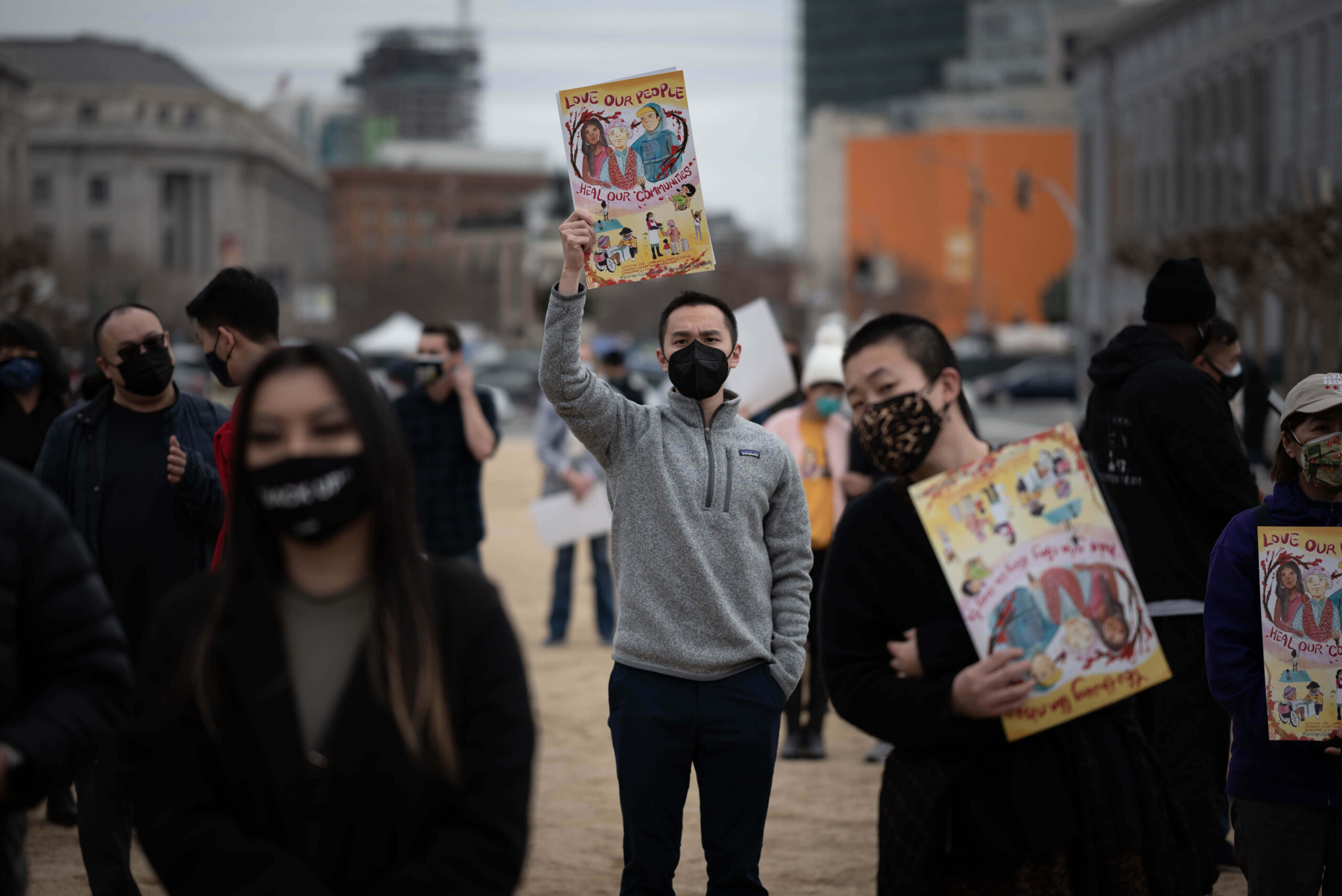
Mazie Hirono, D-Hawaii, introduced a bill in March aimed at speeding up hate crimes prosecutions of ethnic Americans in response to the growing violence in the United States against the Asian-American community.
The bill passed with 94 votes in favor and 1 vote against. Sen. Josh Hawley, R-Missouri, was the one who opposed the bill.
The legislation covers the digital spectrum, where it will also force authorities to investigate hate speech on the Internet.
Additionally, it will compel institutions to disseminate information on awareness raising against discriminatory and racist practices against ethnodiverse communities in the US.
The law is expected to direct the attorney general and the Department of Health and Human Services to issue guidance on how to mitigate racist and discriminatory language used to describe the COVID-19 pandemic, such as in previous speeches where former President Donald Trump referred to the new SARS-CoV-2 coronavirus as "the China virus.
The process for the bill to move forward remains in the hands of the House Judiciary Committee. House Speaker Nancy Pelosi, D-California, said it would receive a floor vote. The House and Senate will ultimately have to reconcile the bill with a similar bill in New York, pushed by Grace Meng, to pass a single version that can be signed by President Joe Biden.
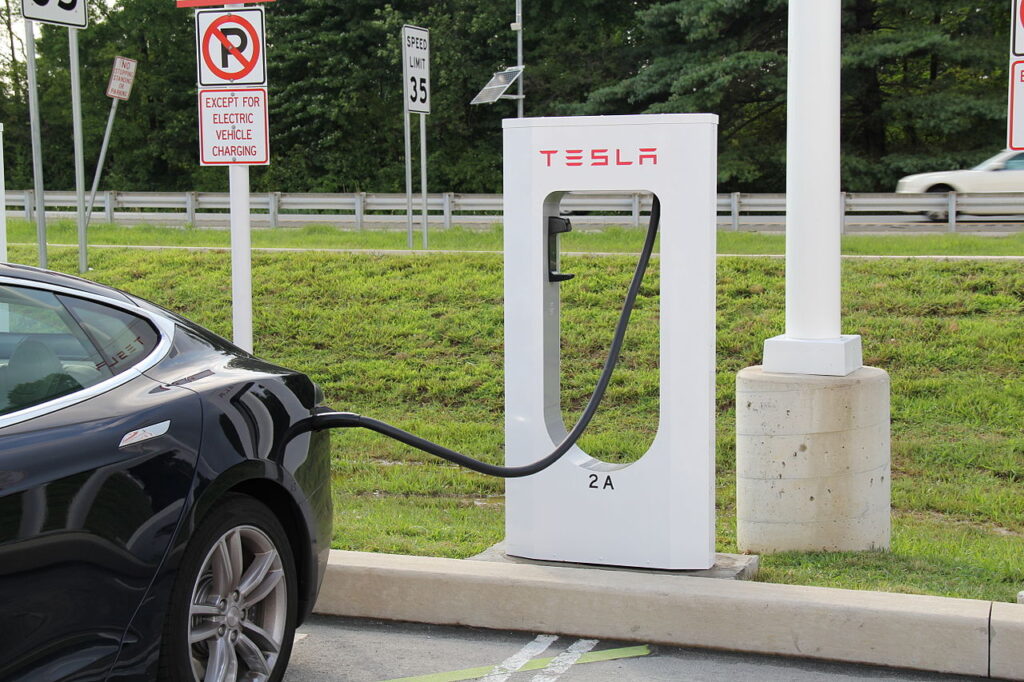
San Mateo's official electric provider, Peninsula Clean Energy will provide up to $248,000 to the county to install 124 electric vehicle charging ports in a new local government parking structure.
The funding is the first, and will likely remain one of the largest for any single project, under Peninsula Clean Energy's EV Ready program, which aims to install 3,500 charging ports in San Mateo County over the next four years.
So said the energy company, who said that the 124 electric vehicle charging ports will be available to county employees, and it is possible that in the future also will be available to the general public during evenings and weekends.
The above, he said, as part of the new parking structure at the county's government center in Redwood City, which is expected to be open this fall.
The structure, he said, is built to incorporate next-generation green design and technology, including the ability to install potentially hundreds more electric vehicle chargers, thanks to the technical and other assistance Peninsula Clean Energy has provided.
"The county is committed to achieving carbon neutrality of its operations by 2035," said David Canepa, chairman of the San Mateo County Board of Supervisors.
"The installation of electric vehicle chargers is one of many investments that will need to be made to transition our vehicles from polluting gas to clean electric vehicles. The partnership with Peninsula Clean Energy is helping the county achieve deep emissions reductions," he added.
Through a press release, Jan Pepper, executive director of Peninsula Clean Energy, explained that "this is a fantastic example of public agency leadership and just one example of the potential for electric vehicle charging deployment in San Mateo County."
"Electrifying our vehicles is critical to reducing our transportation-related emissions and our broader mission to mitigate harmful climate change," he said.
After much of western California experienced drought conditions for the second consecutive year, Gov. Gavin Newsom on Wednesday ordered state agencies to take immediate steps to strengthen drought resiliency.
During a speech this morning, he also called on agencies to prepare for impacts on communities, businesses and ecosystems if dry conditions extend into a third year.
The governor also proclaimed a regional drought emergency for the Russian River basin in Sonoma and Mendocino counties, where reservoirs are at historic lows after two critically dry years.
In that regard, it was felt that accelerated action may be needed to protect public health, safety and the environment.
"California faces a very familiar reality in drought conditions, and we know the importance of acting early to anticipate and mitigate the most severe impacts where possible," said Governor Newsom.
He also noted that climate change is intensifying both the frequency and severity of dry periods.
"This "new normal" gives urgency to building drought resilience in regions across the state and preparing for what could be a prolonged drought on our doorstep," the governor added.
The governor noted that such drought conditions can lead to degradation of water quality, fallowing of productive farmland, setback of vulnerable and rural communities through loss of jobs and more lasting recoveries.
As well as significant impacts on tribal, commercial and recreational salmon fisheries, limited access to traditional fisheries, loss of aquatic and terrestrial biodiversity, and ecosystem impacts.
In that regard, Governor Newsom directed state agencies to partner with local districts, water districts and local utilities to make all Californians aware of the drought, and encourage actions to reduce water use by promoting the Department of Water Resources' "Save Our Water" campaign - https://saveourwater.com- and other water conservation programs.
Similarly, he directed that to continue coordination with partners across the State for the potential for prolonged drought impacts, the Department of Water Resources, the State Water Resources Control Board, the Department of Fish and Wildlife, and the Department of Food and Agriculture will work with regional and local governments, including groundwater sustainability agencies.
This, he said, to identify watersheds, communities, public water systems and ecosystems that may require coordinated state and local actions to address problems resulting from continued drought conditions, ensure water is available, and protect people, natural resources and economic activity.
In the proclamation, Newsom said that, to continue partnership and coordination with California Native tribes, state agencies will commit to consult, collaborate and communicate with California Native American tribes to assist them in preparing for and responding to drought conditions on tribal lands and potential impacts to cultural and traditional resources within ancestral lands.
He added that, to prioritize drought response and preparedness resources, agencies should accelerate funding for water supply improvement, as well as funding for water supply improvement, water conservation or species conservation projects.
Peninsula Humane Society & SPCA staff are looking to place a golden pheasant for adoption after it was found as a stray in San Mateo.
PHS/SPCA rescue personnel brought the adult male bird to their shelter after a Good Samaritan reported that a bird in his front yard was injured and unable to fly.
An examination showed that the bird was missing most of its tail feathers and that several of its primary wing feathers were broken, preventing it from flying.
Judging by his injuries, they believe he may have been attacked by another animal, but managed to escape.
"A golden pheasant is an extremely rare animal for our shelter, and it's actually very exciting to have such a beautiful bird available for adoption," said PHS/SPCA Communications Director Buffy Martin Tarbox. They called the golden pheasant Lord Pheatheringtoninspired by the popular TV series Bridgerton.
Since arriving at the shelter on April 13, no one has come forward to claim the golden pheasant, so PHS/SPCA is putting him up for adoption.
Although Lord Pheatherington's age is unknown, the golden pheasant is looking for a new home that includes an outdoor, predator-proof, fully-covered enclosure to feel safe.
Persons interested in meeting Lord Pheatherington may call PHS/SPCA at (650) 340-7022.
A study conducted by the Spanish University Miguel Hernandez de Elche -UMH- suggests that daily consumption of more than two cups of coffee a day reduces by 44 percent the risk of death from all medical causes, including cancer.
The document published in the journal Nutrients, refers that moderate consumption of this drink, particularly that with caffeine is associated with lower mortality, according to the analysis of 1,567 people over 20 years, with data collected during six, 12 and 18 years, in a community of Valencia in southwestern Spain.
The conclusions of the study also revealed that "coffee consumption could be promoted as part of a healthy Mediterranean lifestyle", however, more long-term studies should be conducted to collect information on the amount and type of coffee, which would provide valuable information on its beneficial effects.
The research carried out indicated that 78 percent of the adult Valencian population drinks coffee daily and that its regular consumption is significantly associated with lower mortality from all causes and mortality from cancer.
Participants provided information about their diet, health status and lifestyle, as well as their coffee consumption, which were thoroughly analyzed.
Meanwhile, the vital status and cause of death of the participants was verified from the National Death Index of the Valencian Community, according to a statement from the UMH.
The results showed that, as a benchmark for total mortality among non-coffee drinkers, those who drank up to one cup of coffee a day had a 27 percent lower risk of death, and those who drank more than one cup a day -- 2 to 6.5 cups every 24 hours -- had a 44 percent lower risk.
Notably, in the case of cancer mortality, those who drank more than one cup of coffee had a 59 percent lower risk of dying from cancer than non-drinkers.
Meanwhile, in the case of cardiovascular diseases, a lower risk was also observed, although this was not really significant.
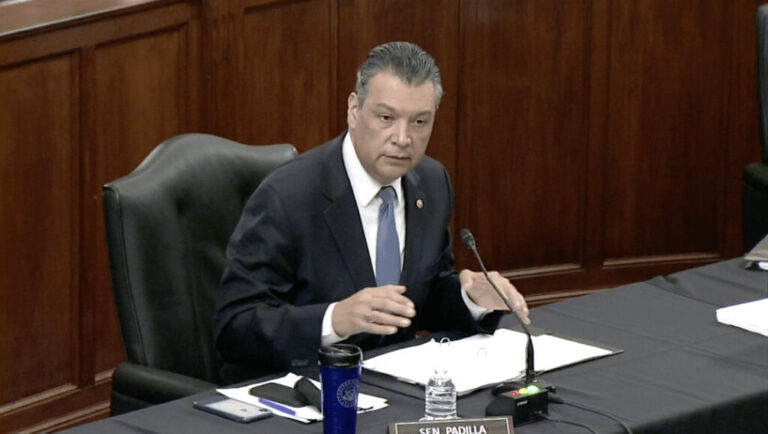
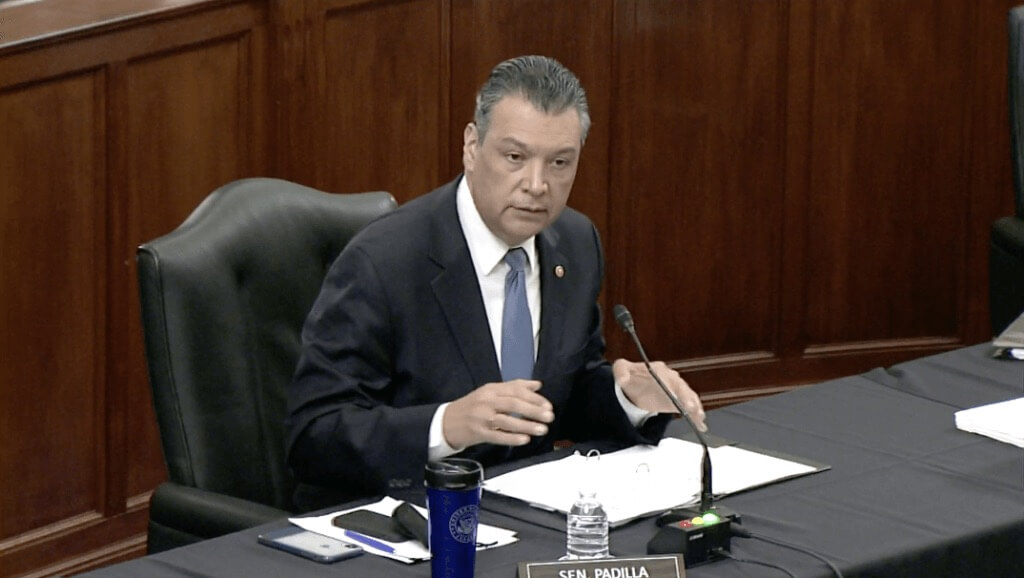
For Senator Alex Padilla, millions of immigrants, who have become essential workers, deserve U.S. citizenship, because, thanks to them, communities can stay healthy and the economy keeps moving, at the cost of putting their own health and that of their families at risk, so achieving immigration reform "is personal".
The first Latino to represent the state of California in the U.S. Senate said, "So I think it's time that we honor them in their work and in their service, with more than just our words.
During a briefing held by Ethnic Media Services, the federal official detailed that there are more than five million essential workers - as defined and recognized by the federal government - "but one of those five million frontline workers are not just immigrants, but undocumented immigrants."
And is that, he asserted that those essential workers, despite the pain and risk continued to work every day to help put food on the tables of everyone in the country. "They have helped us.
In that sense, he noted that all those essential workers who labor in hospitals, restaurants, homes and offices, "have earned the opportunity to become citizens of the United States, a country that improves every day thanks to their work and their contributions, in the most extreme circumstances.
"These workers remind me of my own parents. As I mentioned, my father worked as a cook and my mother cleaned houses. She was a domestic worker. And those job classifications are considered essential workers today, so we owe them dignity, respect and a path to citizenship," she added.
"Yes. It's personal for me. But it's also in the best interest of our nation. We are at a pivotal moment in our nation's history as we begin to rebuild the economic impact of the COVID-19 pandemic."
Senator Padilla said that, for him, relief for COVID-19 is not only addressing health impacts, but also rebuilding the economy in a more inclusive way, which would mean granting frontline workers a pathway to citizenship.
"We know it's also a strategic and key way to stimulate economic recovery and that's why this past week, along with Congressman Joaquin Castro, we sent a letter to President Biden urging him to include this piece of legislation, the pathway to citizenship for essential workers as part of his infrastructure package."
In that sense, he referred that according to a 2016 study by the Center for American Progress, undocumented workers contribute $4.7 trillion to the U.S. GDP, in addition to contributing an estimated $11.7 billion in state and local taxes, in addition to other contributions.
He added that future labor force growth, which at less than 1.0 percent per year is very slow by historical standards, will be covered by immigrants and their children.
"And so, I firmly believe that we can't just rely on the people who work hard to keep our nation afloat and keep our community safe in times of crisis and then turn our backs on them as soon as the pandemic is over. That would be a mistake.
"I know we can no longer ignore the contribution of the more than 11 million people who have been living in this country in the shadows, but who work and pay taxes. They, too, deserve a path to citizenship. So I look forward to helping the president move forward with a comprehensive immigration reform package," he added.
And, he said, in terms of public support, we are in a race against time to pass immigration reform because of the political calendar.
"We're in a race against time because of the political calendar... I've learned that the closer we get to the next election, Republican members are going to want to go beyond their comfort zones in supporting immigration reform. I hope to get as much as we can as soon as we can before we get too close to the manager of the 2022 election cycle."
On the other hand, the senator said he was disappointed by President Joseph Biden's announcement not to increase the cap on refugee admissions, yet, he said, more resources have been put at the border for all the families and unaccompanied minors who are arriving from the south.
"We have added capacity, immigration judges and facilities to house asylum seekers humanely and process them expeditiously, but we are in a transition and our job is to hold the administration accountable for these improvements, and we hope that the ability of asylum seekers to apply from their home countries can be restored so they don't have to make that long, expensive and often dangerous trip to the border."
Armed violence, how to stop it?
Gun violence is at an all-time high and continues to grow. In that sense, Senator Padilla explained that one of the reasons why there are no gun reforms is due to filibustering or obstructionism.
"This is another reason why the filibuster, at a minimum, should be reformed. If it were eliminated, a lot of common-sense measures could move forward," he said of it.
"It's increasingly dramatic to see incidents escalate...So we have a lot of work to do, but I think there are models for reforming specific local law enforcement policies and practices carried out by police departments," he abounded.
In that sense, he said he is eager to continue the conversation in the Senate and in Congress about improving the training and education of police departments, the relationship between the police and the community, as well as having non-police personnel, who often know better how to deal with and respond to situations where a police officer is not the best option.
Through the broadcast of Apple's spring event, from Apple Park in California, announced the redesign of the iMac. This desktop computer had not received any redesign in its form since 2012.
It's hard to fully describe the iMac's redesign without seeing it firsthand. It's still made of aluminum, but now, with an absolute thickness of just 11.5 millimeters. Inside that space is housed the motherboard that contains Apple's new M1 chip currently found in the new MacBook Air, MacBook Pro, and Mac mini.
Includes a 1080p HD front-facing camera for video conferencing with the same image processing as iPhone. Professional-quality microphones and speakers. Now available in 7 colors to choose from, harkening back to the Steve Jobs era when the vibrantly colored iMac was launched in 1999. Will this be the next step for MacBooks?
"The M1 is a giant leap forward for the Mac, and today we're thrilled to introduce the new iMac, the first Mac designed around the revolutionary M1 chip," said Greg Joswiak, Apple's senior vice president of Worldwide Marketing. "With its striking design in seven stunning colors, immersive 4.5K Retina display, the best camera, microphones and speakers ever in a Mac, and Touch ID, combined with the incredible performance of M1 and the power of macOS Big Sur, the new iMac takes everything people love about iMac to a whole new level."
The new iMac will be available for pre-order starting April 30 and will begin shipping in the second half of May of this year.
Today, Apple, from Apple Park in California, announced the next generation of its streaming device -streaming–.
The origins of Apple TV date back to 2006 when it was introduced by Steve Jobs in September of that year as a "hobby". Since then, the Apple TV has received five renovations, the last one was presented more than three years ago.
This announcement could be quite thoughtful on Apple's part, as due to the COVID-19 pandemic, all people with broadband internet access have consumed some form of streaming video or audio. And is that, the version that precedes this new announcement fell short due to the rapid advancement of technology in terms of content transmitted in real time; for example, the ability to watch videos in 4K at 60 frames per second or the incorporation of new versions of HDR, such as Dolby Vision.
In addition, the Siri Remote, the remote control that debuted with the fourth-generation Apple TV that included, for the first time, a navigation touchpad, Lightning port for charging, Bluetooth for communicating with Apple TV, and a microphone for talking to Siri, was reintroduced.
"Apple TV 4K is in a class of its own, leveraging deep integration of Apple hardware, software and services that delivers a massive upgrade to any TV for the ultimate movie experience," said Bob Borchers, Apple's vice president of Worldwide Product Marketing. And he noted that "with A12 Bionic and the new Siri Remote, Apple TV 4K lets customers enjoy their favorite shows, movies and more at the highest quality with simple, intuitive controls. And of course, Apple TV 4K offers easy access to Apple services, along with thousands of apps in the App Store for even more entertainment options.
New Apple TV 4K gives TV lovers a break during COVID-19 quarantine.
Today, Apple argued, via video streaming -streaming- an event to announce new features that fit the new reality. For the past year, Apple has decided to put live events with the public and press present on hold, so this spring's Apple Event could be seen through its website, YouTube and, of course, through Apple TV+.
One of the accessories accompanying Apple's ecosystem software update due next week, AirTags, small button-shaped accessories that promise to respond with sound using the iPhone 11 and iPhone 12's sensors, were announced.
On its site updated a few minutes ago, Apple says that the "AirTag helps you find your stuff really easily. Put one on your keys or your backpack so you can always see its location in the Find app. The app also lets you locate your Apple devices and stay in touch with family and friends.
The service is part of iCloud and works similarly to Apple's existing "Find My iPhone" service, which is now simply called "Find" within iOS, watchOS and macOS devices. They will have a user-replaceable battery and use a version of Bluetooth Low Energy to communicate not only with your iPhone, but with all the iPhones around it to estimate its location.
"The AirTag is splash, water and dust resistant [...] with an IP67 rating [...] (up to 30 minutes at a maximum depth of 1 m)".
"We are thrilled to bring this incredible new capability to iPhone users with the introduction of AirTag, leveraging the vast Find network, to help them track and find the important items in their lives," said Kaiann Drance, Apple's vice president of Worldwide Product Marketing for iPhone. "With its design, unparalleled search experience and built-in privacy and security features, AirTag will provide customers with another way to harness the power of the Apple ecosystem and enhance the versatility of iPhone," she said.
Today, Apple's spring event was held, where they announced a change in Podcasts and, since the birth of iTunes in 2004, Podcasts has been one of the sections that has driven Apple in the area of online radio, not only making the company a leader in the market and selection of podcasts.
With that, Apple has made the announcement of Apple Podcasts Subscriptions. And it's described as "a global marketplace for listeners to discover premium subscriptions offered by their favorite creators".
Apple is now focusing on podcast subscriptions with exclusive or additional content to traditional platforms. While it is true that subscription podcasts are not something new and that, for the most part, they are found on independent platforms, it does not have the scope if they cannot put on sale a service that, until now, Apple did not offer and that they had to do it via third-party applications, which was not attractive to the customer.
"Fifteen years ago, Apple introduced podcasts to the marketApple Podcasts, giving creators a world-class, open platform to inform, entertain and inspire hundreds of millions of listeners around the world," said Eddy Cue, Apple's senior vice president of Internet Software and Services. "Today, Apple Podcasts is the best place for listeners to discover and enjoy millions of great shows, and we're proud to lead the next chapter of podcasting with Apple Podcasts Subscriptions. We're excited to introduce this powerful new platform to creators around the world, and we can't wait to hear what they do with it," he added.
The first Apple Podcasts subscriptions are expected to arrive in the second half of May available in the US. Subscriptions to the shows will include free episodes and, to access the new service, will require the latest version of iOS, macOS, tvOS and watchOS software. And although the price of subscriptions was not specified, it is likely that these will be comparable to those existing in own or independent platforms.