U.S. companies fear they will not be able to produce next-generation electronics to meet the growing demand for COVID-19 telework due to semiconductor shortages.
Earlier this week, U.S. President Joe Biden held a virtual summit - organized by The White House- to discuss the issue with global tech leaders to talk about the semiconductor shortage that has the tech industry in turmoil, when most tech companies are based in the U.S., specifically in California's Silicon Valley.
At the summit, the U.S. president said urgently that "China and the rest of the world can't wait" and stressed the importance of the use of semiconductors in a bid to boost technology.
At the summit, there were high-level executives from Alphabet, Google itself, Dell, General Motors, Intel, Stellantis and Taiwan Semiconductor Manufacturing Company -better known as TSMC- which is one of the largest manufacturers of microchips and processors used in Apple products, such as the iPhone.
Joe Biden made the case that now is the time for "government, industry and communities to work together to ensure that America is prepared to compete globally. He also urged that businesses cannot "lose ground" to China.
Recall that, at the end of March this year, the Biden agenda called for an ambitious $2 billion investment plan to improve the infrastructure of the US Congress, where the use of semiconductors plays a big role.
The semiconductor shortage in technology is not only going to be greatly affected in Silicon Valley if the government doesn't offer alternatives to the U.S. market; economies like Japan and Korea are beginning to cancel key electronics launches or are delaying high-demand products.
For example, Samsung - of Korean origin - has cancelled early the release of its smartphone -smartphone- Apple has confirmed that only the production of the new 12.9-inch iPad Pro will be limited, but not because of the issue of semiconductor shortage, but because of the incorporation of miniLED panels; for Apple, the issue of semiconductor shortage is a problem that it saw since last year and knew how to overcome the challenge that all technology giants face.
Another case, for example, is that of the hoarders of the star product of the Japanese Sony: the PlayStation 5, which is impossible to find in the formal American market and is that, since it became known that its system could be used for mining cryptocurrencies, the aforementioned hoarders use bot farms to buy in full any lot for sale on the legal market and resell it for up to three times its original value.
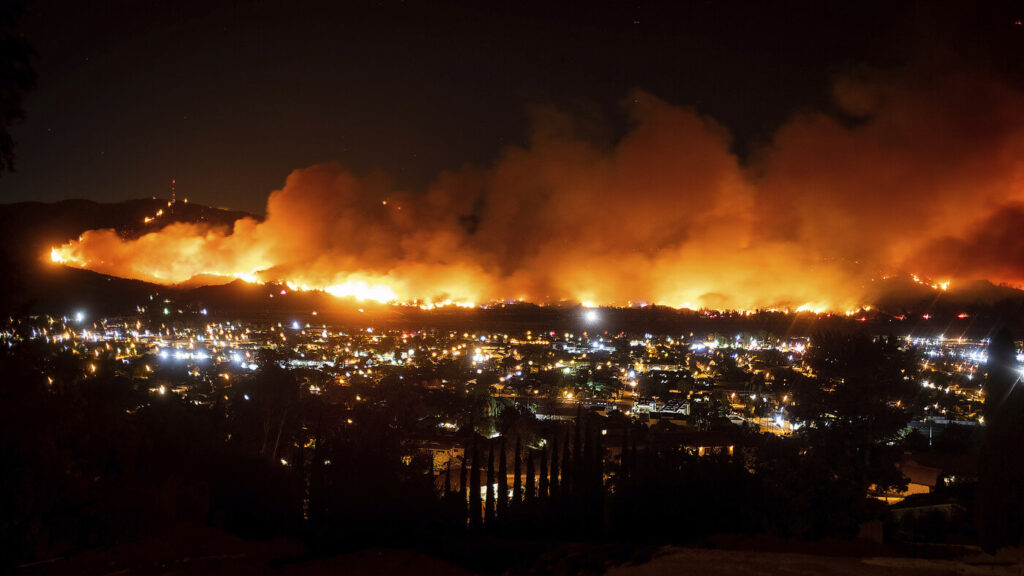
The National Weather Service has issued Red Flag Warnings and Fire Alerts to fire departments of the onset or possible onset of critical, dry weather conditions that could increase the potential for wildfires.
In light of this, a red flag warning has been issued for weather events that may cause extreme fire behavior within the next 24 hours.
A fire weather watch has also been issued for weather conditions over the next 12 to 72 hours.
"A red flag warning is the highest alert. During these times, all residents should use extreme caution, as a single spark can cause a large wildfire. A fire weather watch is one level below a warning, but the fire danger is still high," said the California Department of Forestry and Fire Protection.CAL FIRE–.
Through a statement, he said the type of weather patterns that can cause an alert or warning include low relative humidity, high winds, objects that could serve as fuel, the possibility of dry lightning or any combination of the above.
"During a fire danger warning, CAL FIRE will place additional firefighters on duty, fire trucks and equipment ready 24 hours a day to respond to any new fire," the authority said.
In turn, CAL FIRE urged Californians to be extremely cautious, especially during periods of high fire danger.
"It's important for all residents and visitors to take steps to prevent wildfires. One less spark could mean one less wildfire," he said.
Recommendations that could help prevent a fire
Never mow or trim dry grass on a red flag warning day. -Mow your lawn before 10 a.m. on a day when it is not hot or windy.
Never use mowers on dry vegetation.
Spark arresters are required in wilderness areas on all gasoline-powered portable equipment.
Before starting a campfire, make sure you have a campfire permit and that they are allowed on the land you are visiting, and then make sure your campfire is properly extinguished.
In the case of homes or open spaces, CAL FIRE suggests that residents have 100 feet of space around structures; they also advise removing weeds and dead vegetation, removing leaves and needles from gutters, and branches should be 6 feet off the ground.
For those who drive: never stop in dry grass, make sure the trailer chains are not dragging on the ground, check that your vehicle is properly maintained and that the tires have adequate pressure to avoid driving on the rims, and check that the brakes are working properly.
Finally, ensure that cigarette butts are properly extinguished, never burn debris -such as leaves or branches- on restricted burning days, when it is windy or in areas where it is not allowed; fire only in approved areas and never at metal objects. The population is urged to report any suspicious activity to avoid fires.
Public pools will reopen to San Francisco residents in mid-June as COVID-19 positives continue to drop, which has led to more activities continuing to reopen, San Francisco Parks and Recreation Department officials said.
So far, only the Mission District's Mission Community Pool, the city's only public outdoor pool, has reopened.
However, next week, on April 20, the Martin Luther King Jr. Pool in the Bayview District and the Sava Pool in the Sunset District will reopen.
They will be joined by the newly renovated Garfield Pool, also in the Mission District, and North Beach Pool and Coffman Pool in Visitacion Valley, which will reopen May 1 and May 17, respectively.
By June 1, Balboa Pool will be back in business, Hamilton Pool in the Western Addition neighborhood will open on the 7th, and by the middle of that month, Rossi Pool in the Richmond District, which is currently undergoing a renovation project, will be ready to open its doors.
For now, only Mission Pool, Martin Luther King Jr. Pool and Sava Pool will welcome back swimmers and those interested in taking drowning prevention classes, but only by reservation, Rec and Park officials said.
In that regard, swimmers 14 and older interested in signing up for one-hour lap swim sessions or drowning prevention classes can visit www.sfrecpark.org/register.
Please be aware that visitors to these centers will be given temperature checks before entering the building and will be required to wear masks when swimmers are out of the water.
The city entered the orange level of the state's reopening guidelines last month, the measure allowed outdoor pools to reopen at 50 percent capacity and indoor pools at 25 percent capacity.
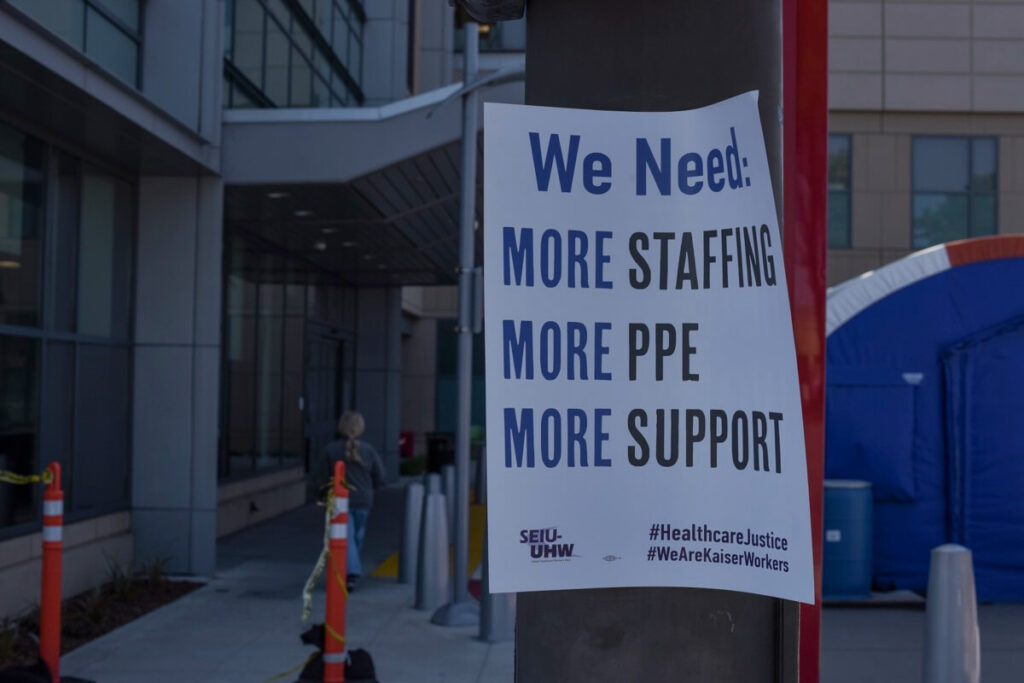
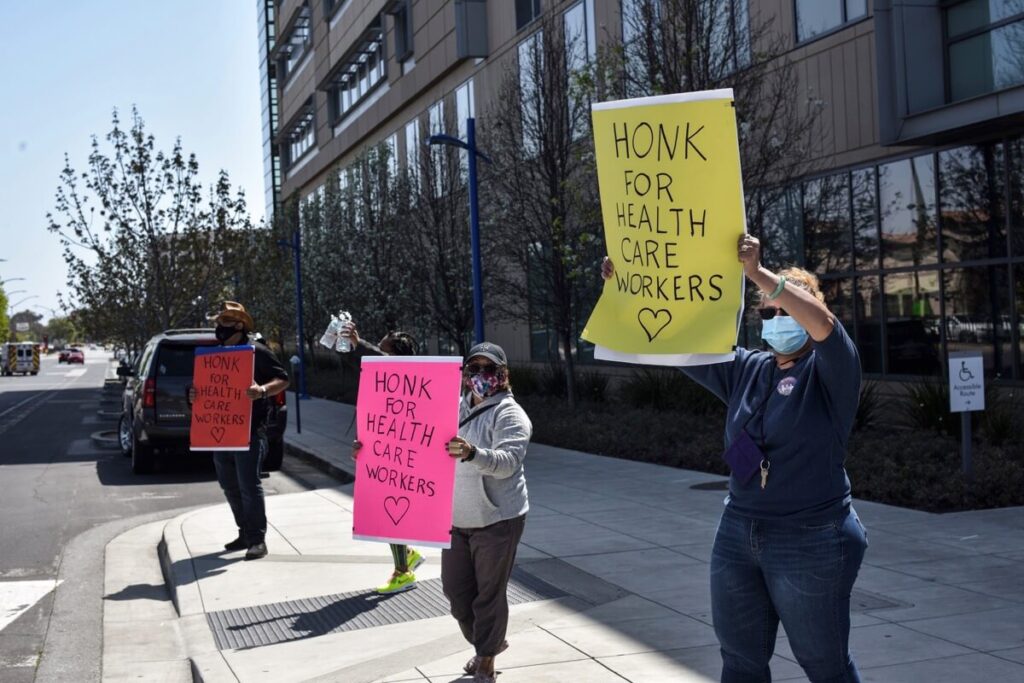
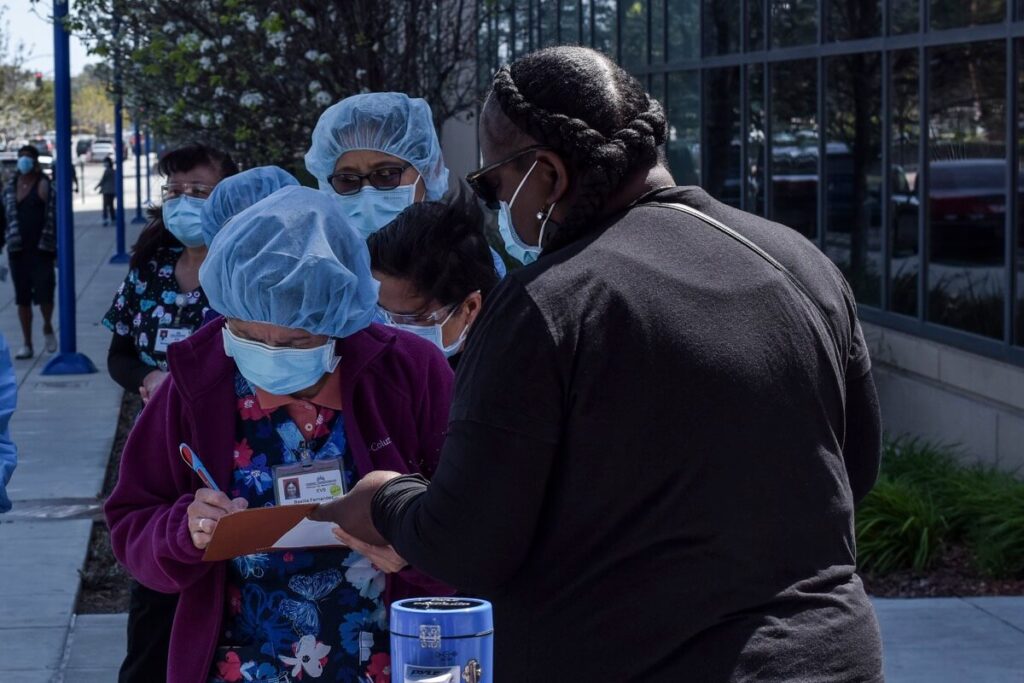
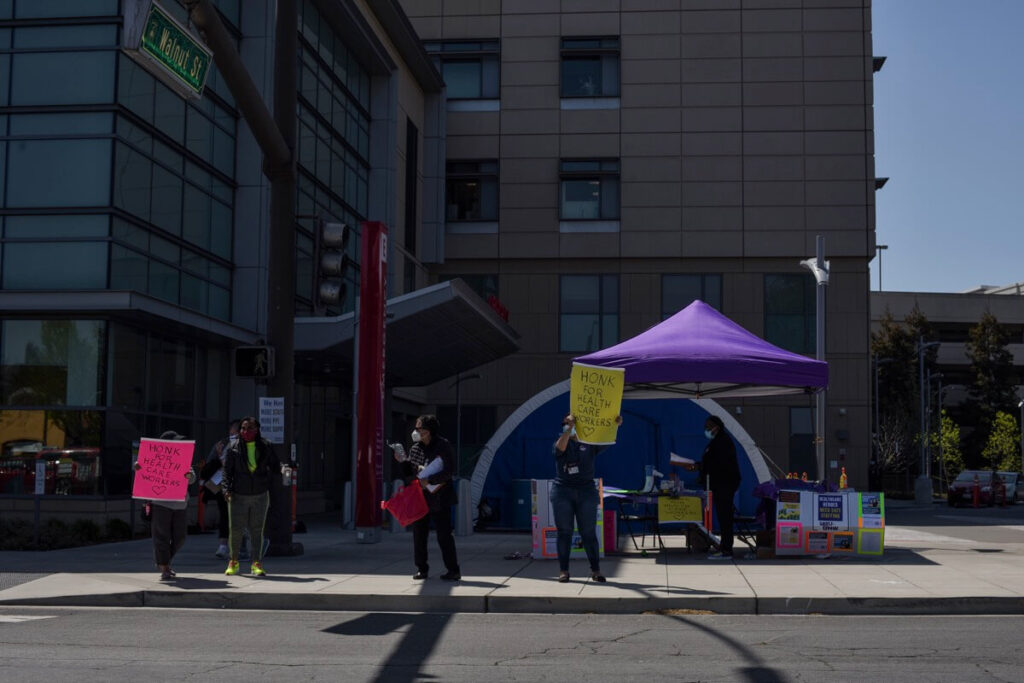
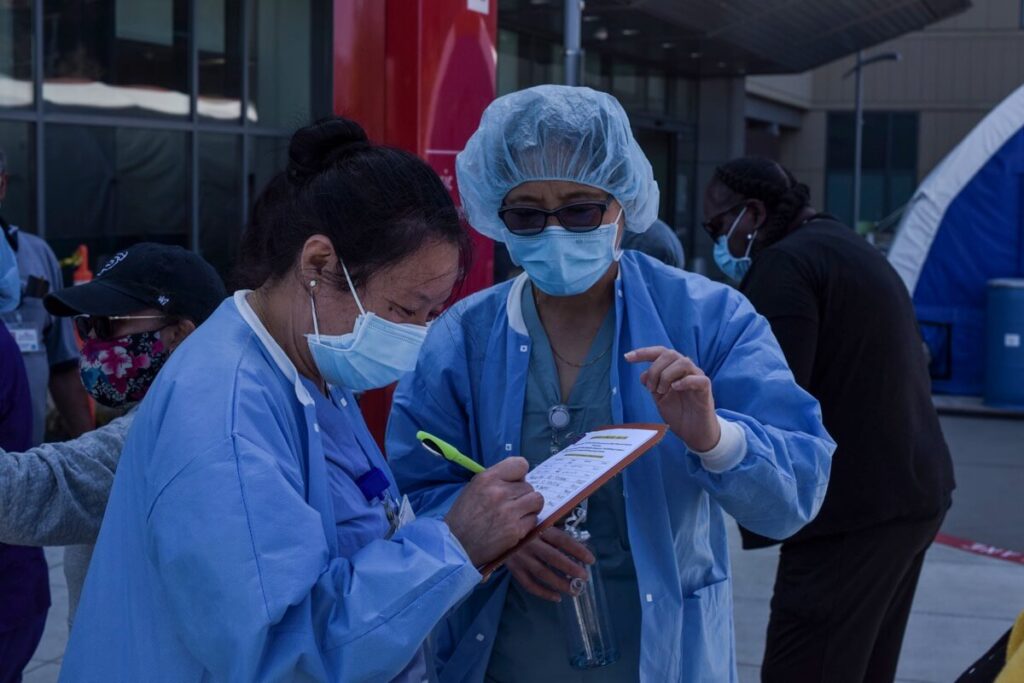
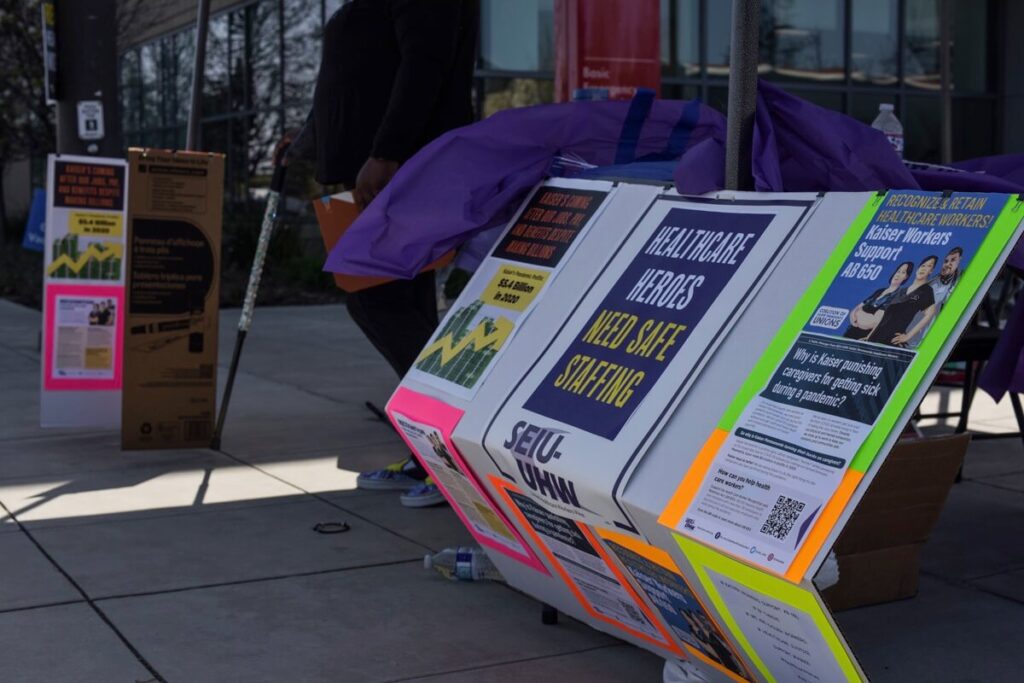
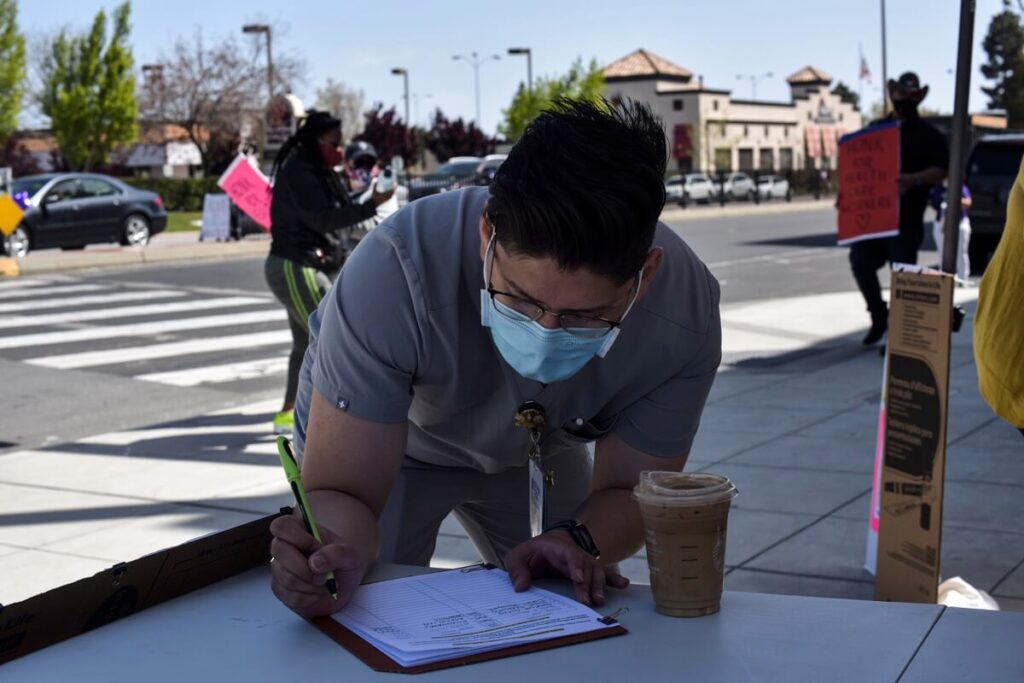
A group of unionized health care workers at Kaiser Permanente Medical Center in Redwood City protested outside the facility today to demand better working conditions, adequate medical supplies, staffing and bonuses owed to workers even though the facility has made about $6.4 billion in profits during the 2020 COVID-19 pandemic, according to the protesters.
The Coalition of Kaiser Permanente Unions, which protested this morning and was led primarily by women, denounced through its spokesperson and hospital nutritionist Stephanie Archie that "throughout the Bay Area, the needs of workers to care for themselves and their families have not been respected so that they can return and care for patients in the hospital.
Michele Kyles is a lab worker who has been working for 17 years and one of the reasons for participating in the protest and supporting the workers' demands, she says, is that "she wants to be treated fairly and for her co-workers to be treated equally."
Stephanie also denounced that the Kaiser Permanente Medical Center hospital has maintained the United States Department of Labor's provision of 80 paid hours for workers who contract the disease, "but this has not been enough, since the disease does not develop equally in all patients and sometimes they need more time to recover from the COVID-19 disease; besides, this right is only for full-time workers.
"I have seen our co-workers come into conflict with each other, as many of them call in sick to assist patients so as not to be penalized by the medical institution and not to put their job at risk, but this situation puts other workers and the patients themselves at risk and that time is simply not enough," Stephanie commented.
The federal paid leave provisions established by the Department of Labor, effective December 31, 2020, are found in the Families First Coronavirus Response Act: Employee Paid Leave Rights, which provides that full-time employees qualify for 80 hours of paid leave, while part-time workers qualify for paid leave for the total hours of a normal two-week workday.
The Redwood City Council voted Monday night to require large grocery stores and pharmacies to pay their workers an additional $5 an hour in hazard pay.
The urgent proposal requiring the payment of risk allowances came into force immediately and will expire on 11 July.
Under the proposal, part-time or full-time employees of grocery stores and pharmacies with 750 or more employees nationwide would be eligible for the hazard pay.
Some of the stores that would have to comply and would be required to pay the hazard pay are Costco, CVS, Grocery Outlet, Safeway, Target and Whole Foods Market, according to a staff report.
Other cities in San Mateo County that have passed a proposal on hazard pay are Millbrae, South San Francisco, Daly City and the City of San Mateo.
For details of the proposal, the meeting agenda and video recording of Monday's meeting, visit https://www.redwoodcity.org/city-hall/city-council/city-council-meetings-agendas-and-minutes.
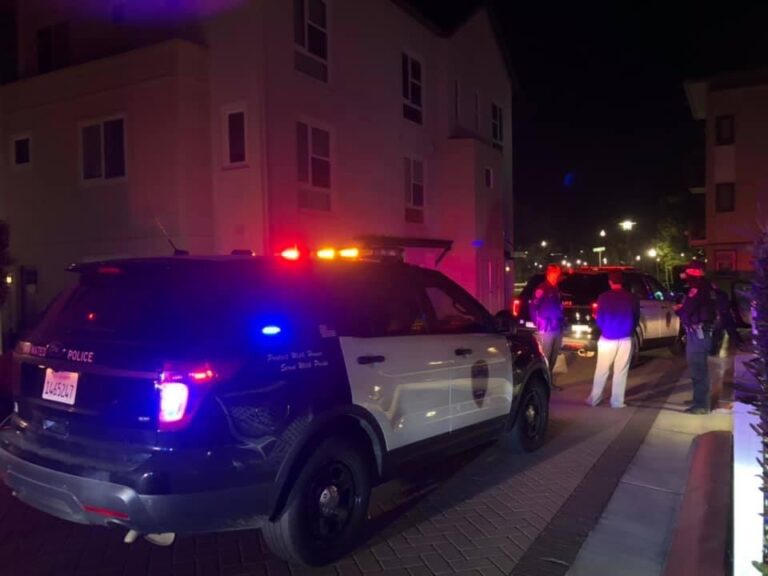
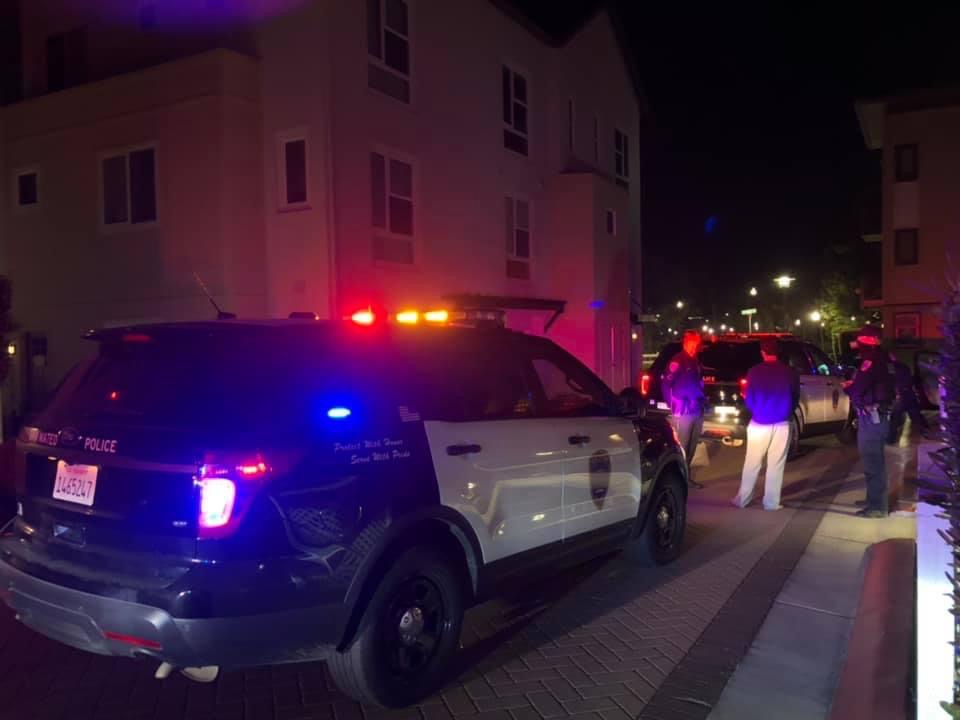
A crime spree that began with a purse snatching Saturday night in San Mateo ended about 14 hours later with the arrests of two men who police say committed multiple burglaries and a theft, stole a car and used stolen credit cards to make multiple fraudulent purchases.
San Mateo police are searching for a third man involved in the crimes; 20-year-old Richard Farries and 18-year-old Okusitino Tau were arrested shortly before 10 a.m. Sunday. Both men are San Mateo residents and were arrested on suspicion of multiple crimes, including burglary, criminal conspiracy, possession of stolen property and possession of burglary tools.
Farries was also arrested on suspicion of being on probation and Tau was also arrested on suspicion of multiple felonies, including possession of a firearm, possession of a large capacity ammunition magazine, possession of a firearm with altered serial number, possession of a short-barreled rifle and committing a felony while out on bail.
Police said Tau was out on bail for two street robberies he committed in October 2019.
The crime spree began around 7:45 p.m. Saturday when the suspects were in a vehicle on Laurel Avenue and pulled up next to an elderly pedestrian and snatched her purse, police said.
The vehicle then fled eastbound on Seventh Avenue. The woman was unharmed.
Later that evening, the woman contacted police to report that her credit cards had been used in Belmont, San Carlos and Hayward.
Officers obtained security video footage from the businesses where the credit cards were used and were able to obtain descriptions of three individuals and the suspect vehicle, a gold minivan.
The next morning at 7:20 a.m., police issued an alert for a car burglary and theft in a vehicle matching the description of the thieves.
At 8:27 a.m. Sunday, police responded to a report in Ridgecrest Terrace of the theft of a vehicle belonging to the daughter of the woman whose purse was taken the night before. Police later learned that a spare key to the daughter's Honda was in the stolen purse.
Images from a private surveillance camera recorded the same gold minivan involved in the carjacking.
At 9:13 a.m. a report came in of a carjacking in San Mateo with the same gold minivan involved, and 23 minutes later another carjacking was reported in Millbrae with the same car.
The gold minivan was spotted by police shortly before 10 a.m. and, along with officers, initiated a traffic stop, but the vehicle continued into the 300 block of North Idaho Street.
Police arrested the two men in the car, in possession of several bags and burglary tools in plain view. The purse belonging to the first victim in the crime spree was located inside one of the two houses occupied by the suspects.
During the search, officers also found property that likely belonged to more victims, a handgun with an altered serial number and a short-barreled AR-15 handgun with an extended magazine.
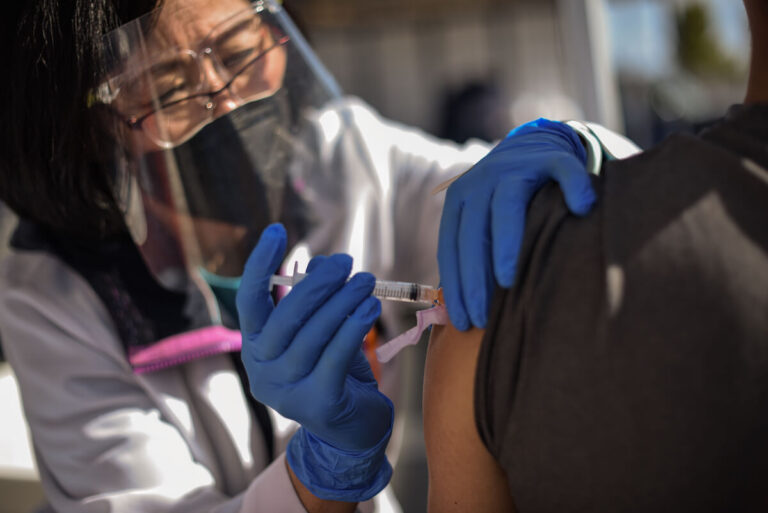
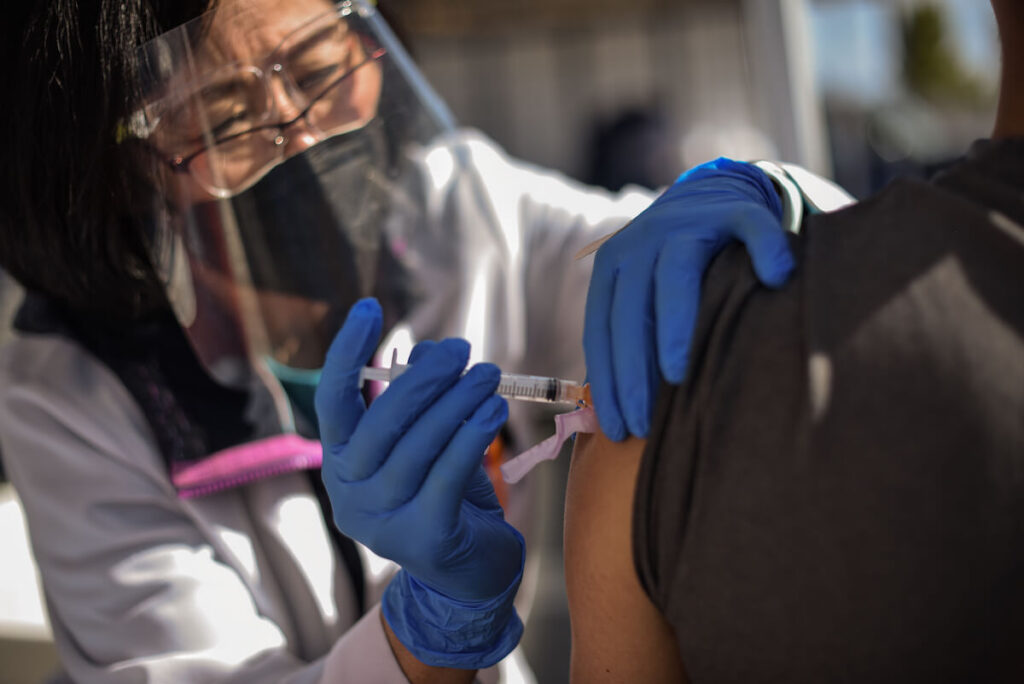
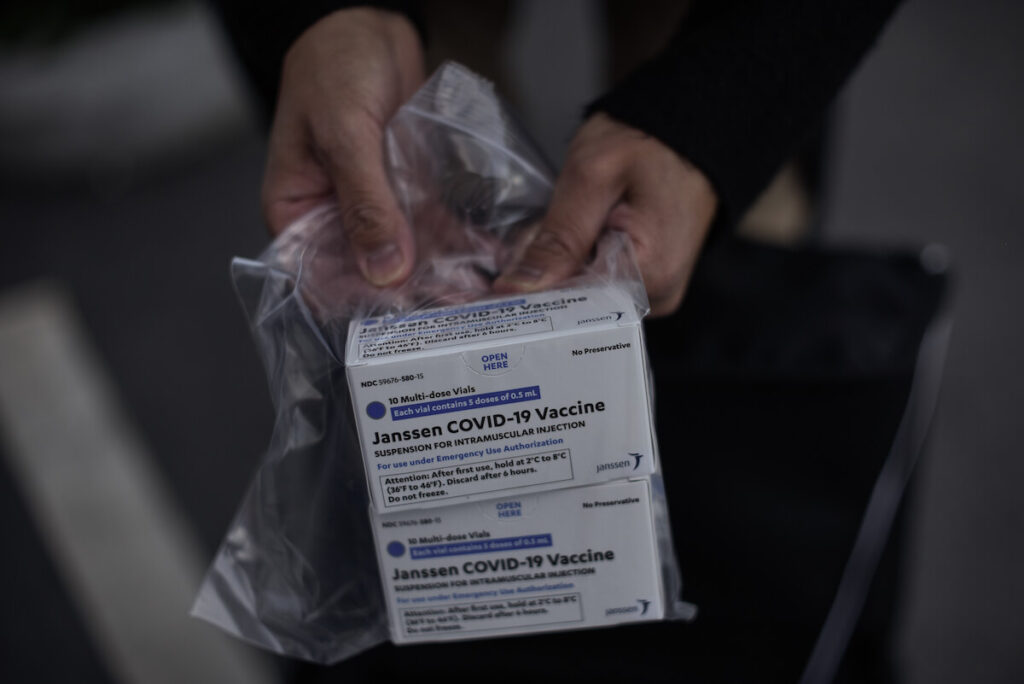
San Mateo County on Tuesday paused administration of Johnson & Johnson's COVID-19 vaccine after six isolated cases of people nationwide developed a reaction to the immunization within days of receiving the inoculation.
"With the announcement by the Centers for Disease Control (CDC) and the Food and Drug Administration (FDA) of concerns about cerebral venous sinus thrombosis (CVST) in combination with low blood platelet levels in a small number of recipients of the Janssen-Johnson & Johnson vaccine, San Mateo County Health is pausing the use of the Janssen vaccine in all of its operations."
This was reported by Dr. Anand Chabra, Chief of COVID-19 vaccination in San Mateo County, who in a statement said the local Health Department ordered its vaccination partners, including local hospitals and clinics, to suspend use of the Janssen vaccine until it is officially approved by the CDC/FDA.
Prior to the announcement of the J&J vaccine pause, a total of 564,367 COVID-19 vaccine injections have been administered in San Mateo County by County Health, health care providers and hospitals, pharmacies, community clinics and other partners.
Of the total, 22,306 injections are of the Janssen vaccine, representing 3,952 percent of the total vaccines administered in San Mateo County, the others being Pfizer and Moderna immunizations.
"County Health and its providers have used more than 5,700 doses of Janssen in community and mass vaccination events for all eligible residents, for homeless and homebound populations, and in other settings," the document states.
San Mateo County Health received 500 doses from Janssen this week, which will be held pending further state and federal guidance, officials said.
They also said that community clinics with planned use of Janssen will be switched to Pfizer or Moderna, and other initiatives using J&J immunization will be reevaluated, including vaccination of homebound residents, patients discharged from hospitals, and new stockpiles in correctional facilities.
While the county had some specific events planned with J&J this week, these may be swapped out for Pfizer and Moderna doses so that those events can still take place in the same number of inoculations as planned.
San Mateo County is joined by at least three other San Francisco Bay Area counties - Alameda, Contra Costa and Marin - which also announced they would temporarily suspend use of the vaccine, developed by J&J's pharmaceutical subsidiary, Janssen.
The state Department of Public Health also issued a statement today, urging a temporary pause in administration of the vaccine while state and federal officials determine whether the clotting incidents are significant.
Nationwide, more than 6.8 million doses of Janssen's vaccine have been administered nationwide.
Health officials have confirmed cases of rare and serious blood clots in just six women aged 18 to 48 who received the J&J vaccine, with symptoms appearing six to 13 days after vaccination.
Both the CDC and the FDA have advised states to suspend administration of the Janssen vaccine to allow for an investigation of the clots to determine if a causal link to the vaccine can be established.
In light of the isolated cases, health officials have asked anyone who recently received the Janssen inoculation and has symptoms such as severe headaches, leg pain and shortness of breath to contact a health care provider as soon as possible.
The international press and organizations such as the World Bank point to a phenomenon focused on multi-billion dollar companies that, unlike the working class, along with the owners of small and medium-sized businesses, did not resist the onslaught of two waves of SARS-CoV-2 infections; however, multi-billion dollar companies are amassing more capital as the COVID-19 pandemic unfolds.
The COVID-19 disease was declared a pandemic by the World Health Organization on March 11, 2020 -more than a year ago-. This meant extreme measures of care in the population, which led to stop large-scale economic activities; which, in turn, resulted in unemployment, hyperinflation, instability in the stock market and, more recently, exports.
For a while, it was believed that Asian countries would be the first to see the strongest effects of the pandemic because the focus of SARS infection-CoV-2, the new coronavirus that causes the disease COVID-19-was found in the central city of Wuhan, China, an economic giant in Asia; however, the Asian economy began to recover rapidly during Q3 of 2020.
Meanwhile, economists early on predicted rising unemployment rates, business closures and the bankruptcy of small and medium-sized companies, which ended up happening in Europe - mainly in the UK, France, Spain and Italy - in Q3 2020. The same scenario was on the horizon for the Americas in Q4 2020.
Recently, Business Insider points out that billionaires increased their capital by 44 percent, while 80 million Americans lost their jobs - a figure as of February 2021. Notably, according to the report, just over 600 people have a fortune of more than $1 billion.
Most of the world's largest companies are not only headquartered in the U.S., but are located in the heart of Silicon Valley, which seemed "immune" to the effects of the new coronavirus.
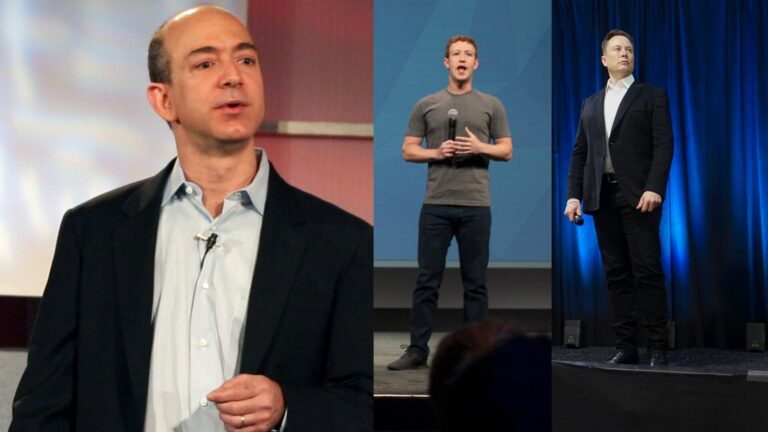
Jeff Bezos, creator and CEO of Amazon, increased his fortune by 79 percent during the pandemic; that is, 90 billion dollars; with this, several media estimate that his net worth is around 200 billion dollars.
He is followed by Elon Musk, CEO of SpaceX and Tesla Motors, who recently invested in Bitcoins -cryptocurrency founded in January 2009-, increased his net worth by 277 percent; that is, during the pandemic, his capital increased by more than 68 billion dollars.
Despite the criticism that Facebook has received in the last two years due to its lack of privacy practices, the co-founder and CEO of the social network, Mark Zuckerberg, increased his fortune by 85 percent; that is, 46 billion dollars more before the pandemic by COVID-19, totaling approximately 101 billion dollars.
While Daniel Gilbert is a real estate mogul, it should be noted that the owner of the Cleveland Cavaliers increased his fortune by more than 656 percent, leaving him with an estimated total of $49.2 billion.
Mackenzie Scott, who owns 4 percent of Amazon's stock, saw his fortune increase by more than 82 percent when the company's stock cost more than $3,400 in Q4 2020, giving him a total, after the ravages of the COVID-19 pandemic, of $65 billion.
Steve Ballmer, former Microsoft CEO and owner of the Los Angeles Clippers, saw his fortune begin to grow in the midst of the pandemic by just over 42 percent, leaving him with an estimated net worth of $75 billion.
People who managed to keep their jobs are being forced to work remotely - telecommuting - so cloud platforms are becoming increasingly popular. And so capitalized the co-founder and CEO of California-based Oracle Corporation, which grew more than 36 percent during the height of the COVID-19 pandemic; its net worth is estimated at more than $80 billion.
After Bill Gates disposed of most of his shares, he eventually kept 1 percent of Microsoft's stock; however, a $20 billion increase - that's 20 percent - leaves his net worth at an estimated $118 billion.
Alphabet, Inc., a subsidiary of Google, had an important growth during the worst months of the COVID-19 pandemic; this was reflected in the fortunes of Larry Page -CEO- and Sergey Brin -co-founder-, whose average increase was 37 percent, which means that both saw their capital increase by 19 billion dollars; both have a net fortune estimated at 140 billion dollars.
As you can see, the tech giants - Amazon, Google, Facebook - did not suffer the effects of the pandemic, unlike the tens of millions of Americans who lost their jobs a year after the health emergency began.
Economists, however, could not predict that they would encounter a 270 percent-plus increase - as in the case of Elon Musk - in the fortunes of the already billionaires. Nor could they have predicted the independence of stocks like $GME -GameStop - to the hands of individual shareholders, which would cause a clear instability on Wall Street. And finally, the Bitcoin fever, which is positioned, for the third time, as the cryptocurrency of choice after having the backing of Tesla and Elon Musk.
But foreign companies such as Sony, Nintendo and Samsung, begin to go through difficult periods as a result of telework: the overdemand of semiconductors; and, on the other hand, Apple -giant of American origin-, has cornered the market of the same to prepare the launches of its products scheduled for Q4 2021.
While internet services are, in a way, unlimited, the electronics to carry out these tasks are about to become limited access goods due to the shortage of semiconductors. This would explain, for example, the null availability of recent generation video game consoles manufactured by Sony: the PlayStation 5, whose price is set at 399 and 499 dollars, but whose processing capacity is not precisely to run video games, but is used as a cheap way to mine different cryptocurrencies.
The phenomenon of why companies like Apple, Amazon, Google and Facebook remained on the rise during the COVID-19 pandemic is explained by the migration to telecommuting and, with it, the transfer of many people's lifestyles to their homes, which led to increased consumption of internet-connected goods and services.
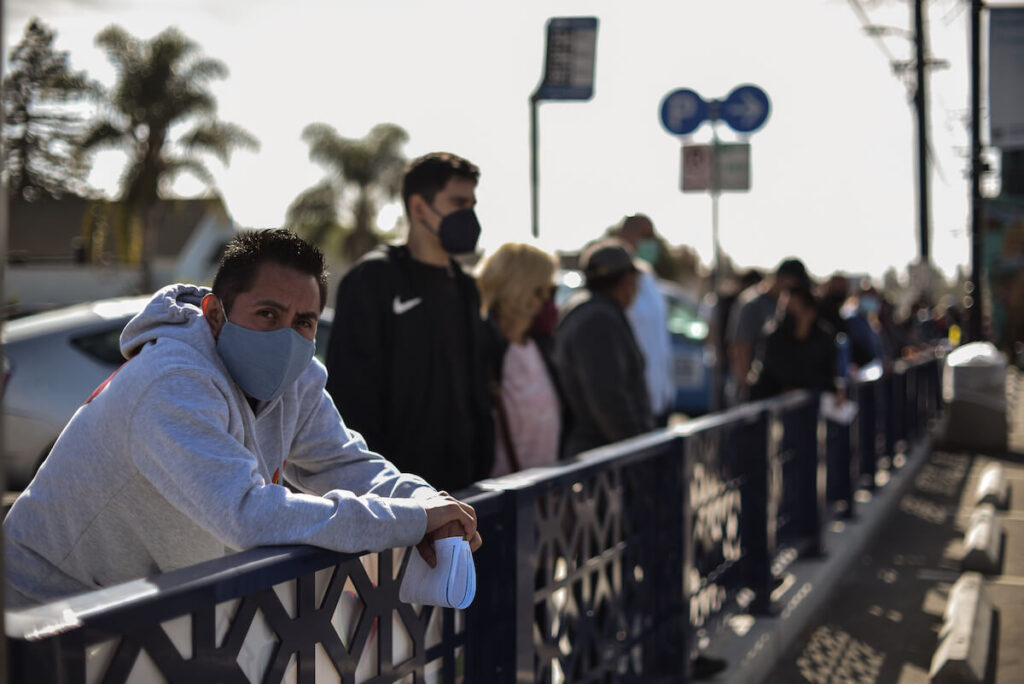
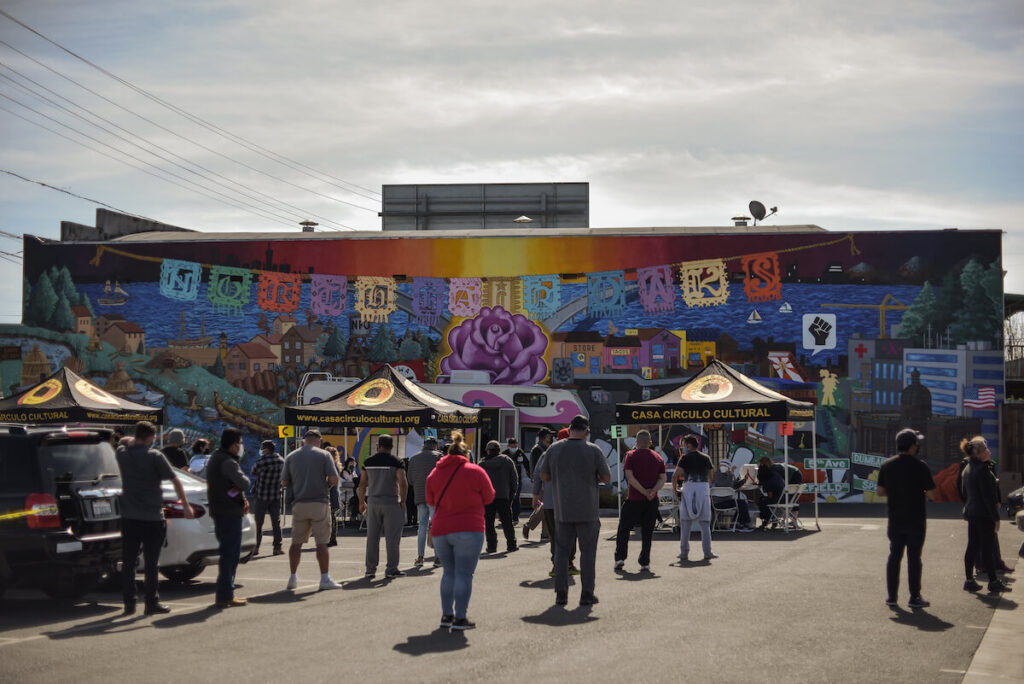
Fernando arrived at 8 a.m. and was one of the first participants to receive the first vaccination as part of a "Vaccination Clinic" held last Sunday at the Mural Parking Lot in Redwood City in San Mateo County.
The vaccination day secured nearly 200 doses for Redwood City residents and is part of an effort between Dignity Health, Sequoia Hospital and Casa Circulo Culturalfrom a community perspective to slow the spread of COVID-19 and allow people to spend time with loved ones or work," according to Dr. Dieter Bruno, Sequoia Hospital's chief medical officer.
The COVID-19 pandemic has had a great impact and Fernando's case has been no exception; Fernando is a construction and restaurant worker and, although he has not been sick, his work has been affected, since materials have gone up in price, which has made it difficult to send the economic support he usually sends to his parents in Morelos, Mexico, according to his testimony.
Casa Círculo Cultural, led by Verónica Escámez, is a very well integrated group in their community that, thanks to the support of San Mateo County, in October 2020, began their partnership with Dignity Health, Sequoia Hospital to conduct COVID-19 testing, and "because of the good organization in conducting the tests, they decided to undertake in Redwood City this first of 7 that they have scheduled throughout the North Fair Oaks region," commented Dr. Bruno.
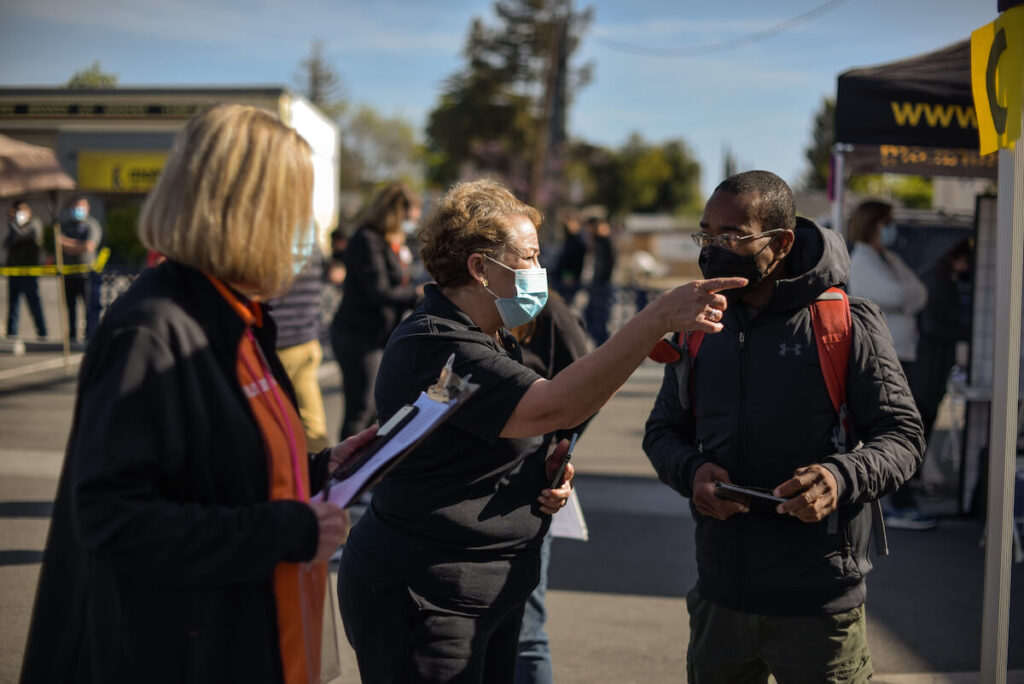
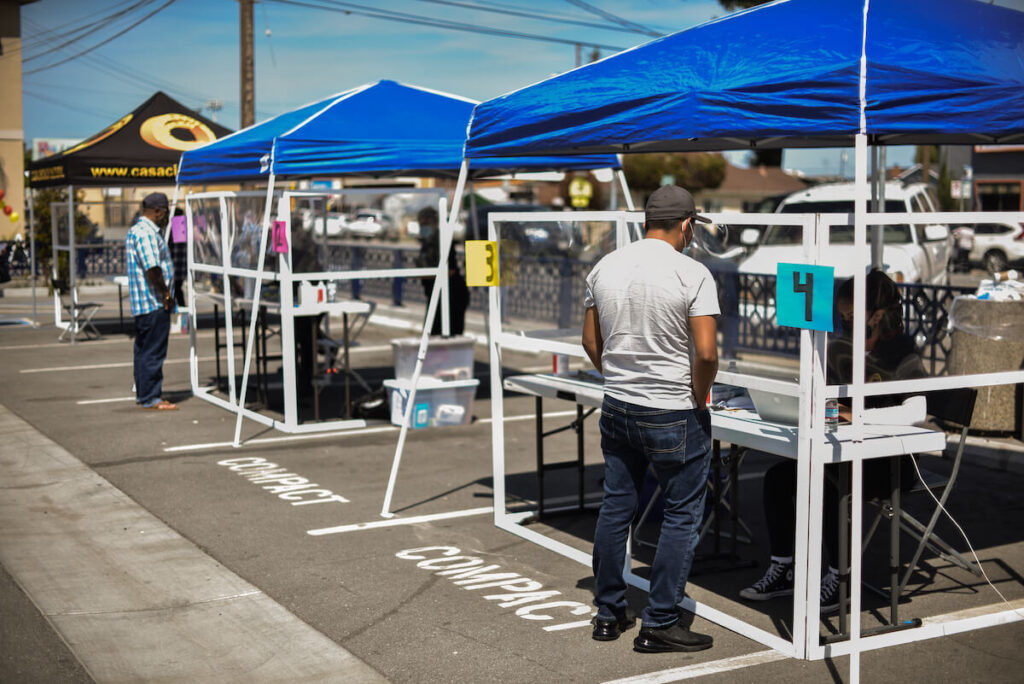
The Vaccination Clinic started at 10 am with the participation of about 35 volunteers, including medical staff, nurses and Casa Círculo Cultural distributed in 6 registration tables, 6 for vaccination and a monitoring tent to address possible reactions to the vaccine, and although it was scheduled to end at 3 pm, it ended half an hour earlier than scheduled because the vaccines were finished, as there were no barriers of any kind to prevent the participation of people.
According to Dr. Bruno, the protocol for the Vaccination Clinic was based on California Department of Public Health guidelines that took into account their health history and checked that their system was not immunosuppressed, did not suffer from lung disease, diabetes, etc., all in order to provide the greatest safety and confidence to get vaccinated.
The New England Patriots wide receiver decided to hang up his uniform after the Foxborough team cut him this afternoon after he failed physical tests.
BY MIGUEL ENRÍQUEZ
Gratitude to the legends in sport is less and less valued every day. The great athletes who spend their entire career in a team, despite the bucks from other places, the losing streaks or how little they can play, are endangered species and today one more has decided to put an end to his career.
While it is true that Julian Edelman contemplated a possible retirement since last season, when his friend and passer, Tom Brady, left to play for the champion Tampa Bay Buccaneers, now it has become a reality that the step aside that gave the born in Redwood City, California.
The "Squirrel," as the 34-year-old former player is also known, forged the dynasty that led the Patriots to become the winningest team in history. NFLEdelman has been a part of three of the six championships the Northland franchise has won. As recently as 2019, Edelman signed a two-season extension and more than 15 million dollars, now with his departure, the salary cap will have a cushion of 3.5 million for the blue and red.
In 2009, he began his adventure in the American football league, when he was drafted as quarterback of the Kent State UniversityHowever, he changed his position as he was demonstrating his skills as a receiver; the California native commented on his social networks that the decision to retire comes from thinking about family and the injury that kept him away from the field last season, the same one that still can not recover one hundred percent.
Julian Edelman will be able to collect, despite retirement, more than two million dollars, because the collective bargaining agreement for NFL players says that athletes cut for failing physicals, will have a kind of insurance to ensure their departure on good terms.