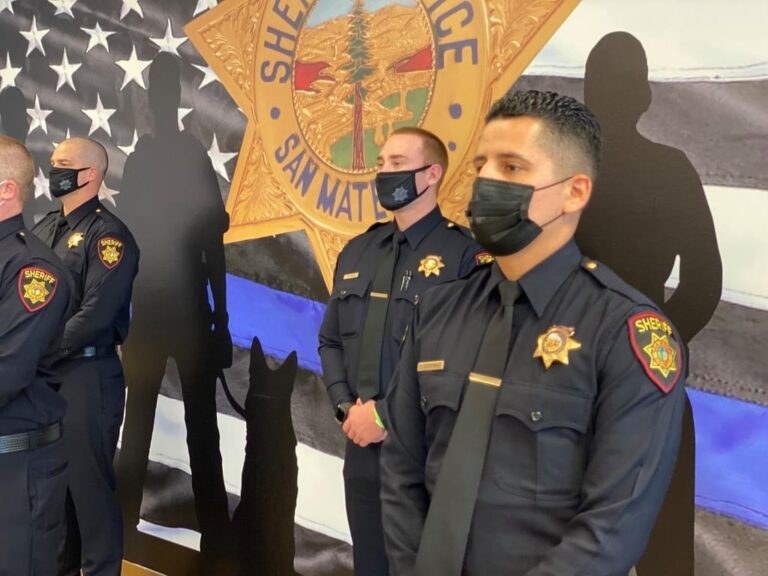
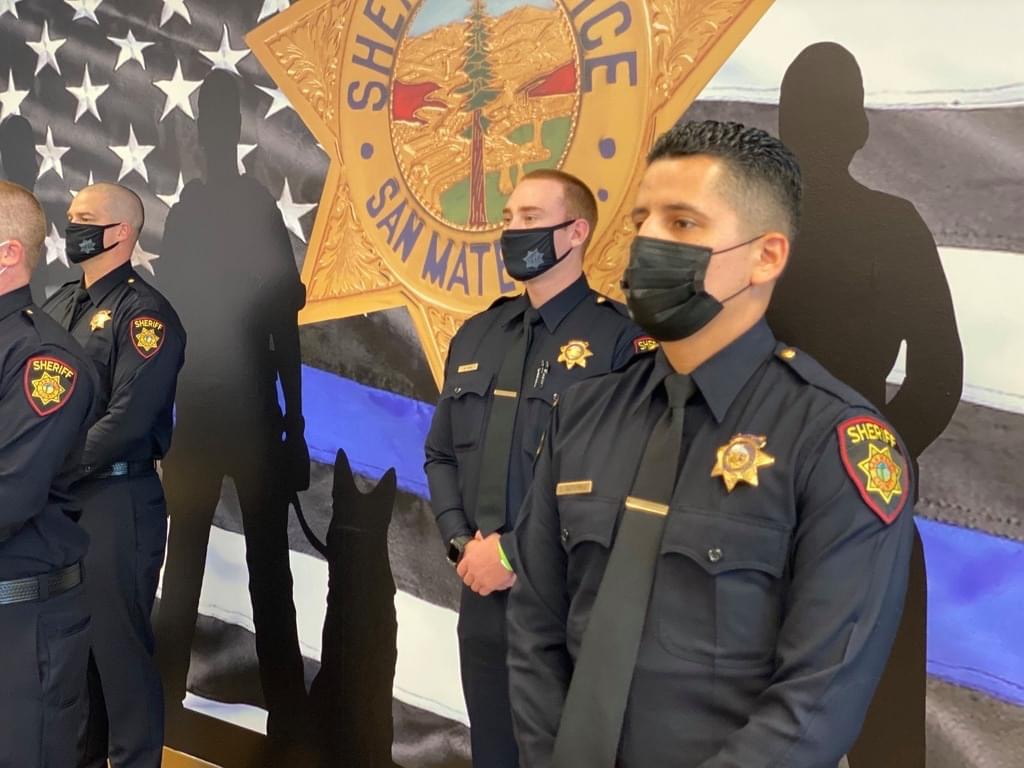
The input of San Mateo County citizens will be crucial in the Santa Cruz County Superior Court's decision on an order to allow 69-year-old Michael Thomas Cheek, who was convicted as a violent sexual predator by a jury in 2009, to reside in Redwood City as part of his re-entry into society.
"Residents have a choice as to whether they want this person to come forward. We are passing information about this on social media from the county sheriff's office and the Redwood City Police Department because we want to let the community know that they have the right to have a say in this order and the return of this sex offender to the community," said Salvador Zuno of the San Mateo County Sheriff's Office.
In an interview with Peninsula 360 Press, he noted that both the San Mateo County Sheriff's Office and Redwood City Police agree that this "sexually violent predator" should not take up residence in the community they protect.
"We do not agree with this order because, for us, the safety and well-being of our community is the most important thing," he said.
For Redwood City and county residents to provide input on the attempted order, they can send an email to SVP_publiccomments@smcgov.org or call (650) 304 22 04, where they will be heard and listened to.
He also called on anyone concerned about Mr. Cheek's possible arrival in the community to appear on March 1 at 9:00 a.m. in Courtroom 66 of the Santa Cruz Superior Court, 701 Ocean Street, Santa Cruz, where the hearing will be held.
In 1980, Michael Thomas Cheek was convicted in Santa Cruz County, California, of kidnapping, raping and oral copulation of a 21-year-old woman, for which he was sentenced to 20 years in state prison.
In 1981, he was also convicted in Lake County for the forcible rape of a 15-year-old boy with the use of a firearm.
By August 13, 1997 he was committed to the Department of State Hospitals in Coalinga, CA. And in 2009, a jury found Cheek to be a sexually violent predator under the Welfare and Institutions Code.
Whereas, Santa Clara County Superior Court Judge Stephen Siegel ordered Cheek's conditional release on Oct. 7, 2019, to begin treatment and outpatient supervision as part of the final phase of the relapse prevention program administered by the Department of State Hospitals in Coalinga.
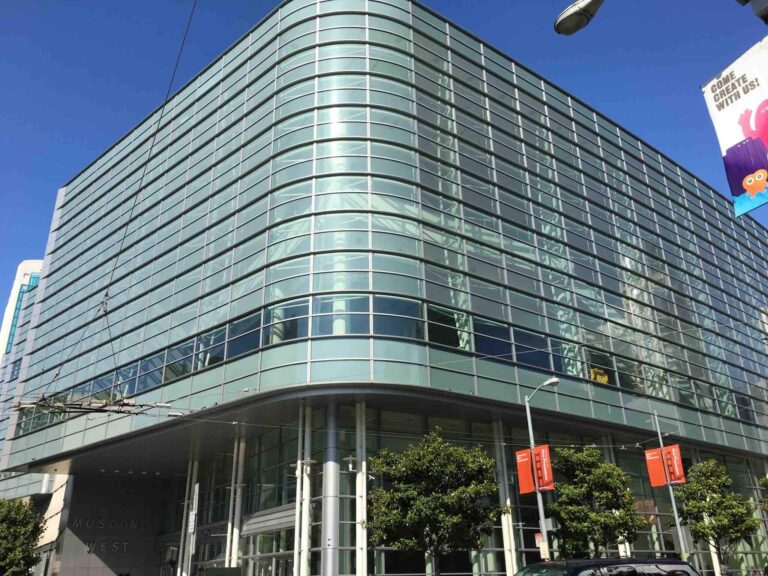
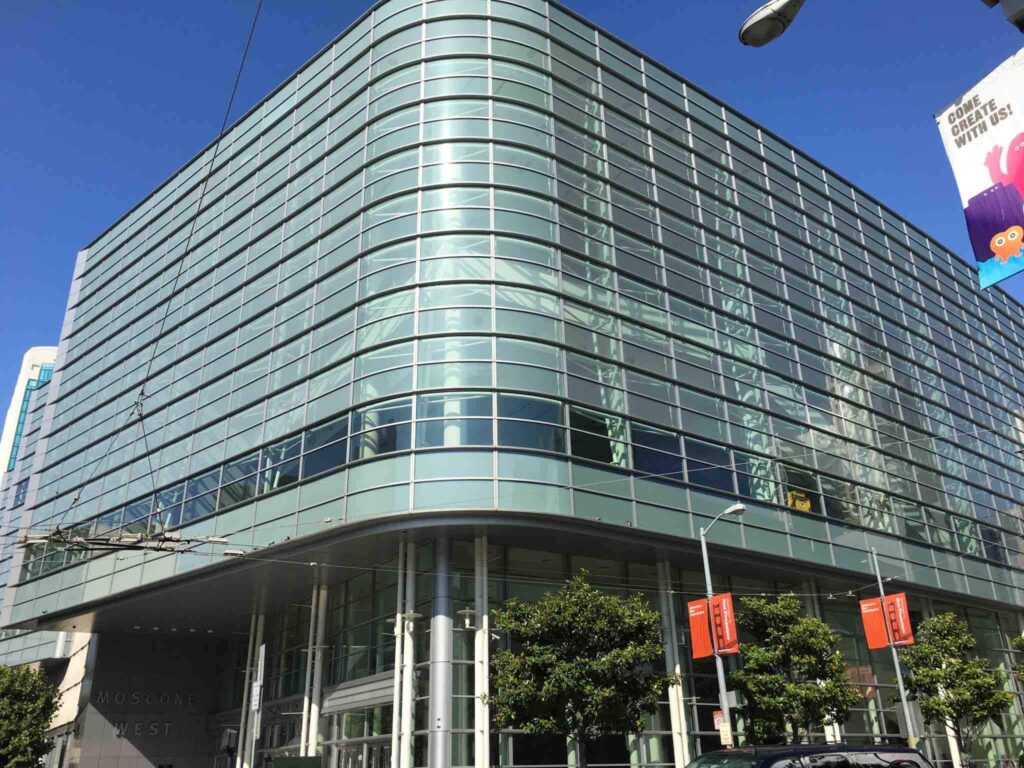
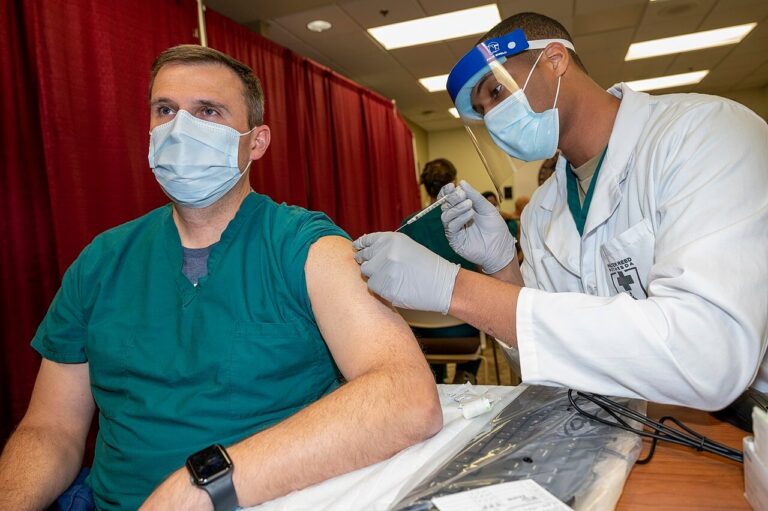
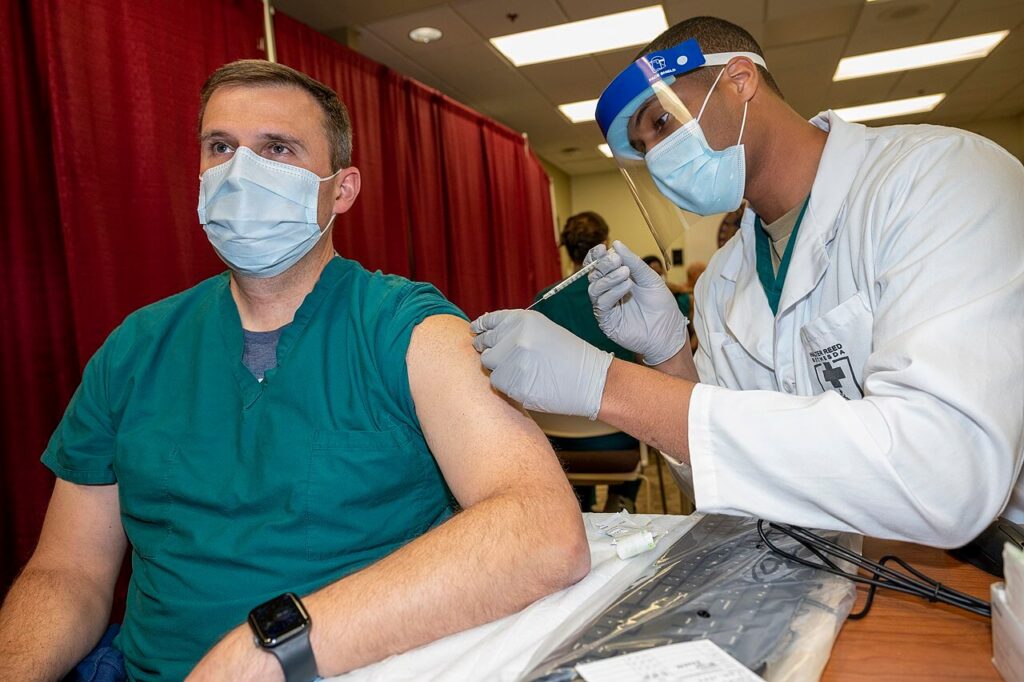
Starting Friday, the Moscone Center in San Francisco will open its doors as a mass vaccination center, where the goal will be to administer 7,000 to 10,000 doses of COVID-19 vaccine daily, provided the state is able to send the necessary supplies.
It should be noted that an appointment is required for the vaccine, and at this time it is only available to people 65 and older, as well as health care workers and those who work in nursing homes.
While a limited supply of vaccine is planned to begin this Friday, it is expected to increase as the state sends more supplies to the city.
The opening of the mass vaccination center is a partnership between the City of San Francisco and Kaiser Permanente Medical Center.
According to the latest report from the city and county of San Francisco, as of Feb. 3, at least 75,275 residents had received one dose of SARS-CoV-2 vaccine, while 20,475 people have already received the required two doses of the immunization.
Meanwhile, according to providers, as of yesterday, February 4, they reported having administered a total of 3 million 984,752 doses of vaccines throughout the state.
The Centers for Disease Control and Prevention (CDC) reported that, as of last night, 6 million 438,225 doses have been delivered to entities within the state of California.
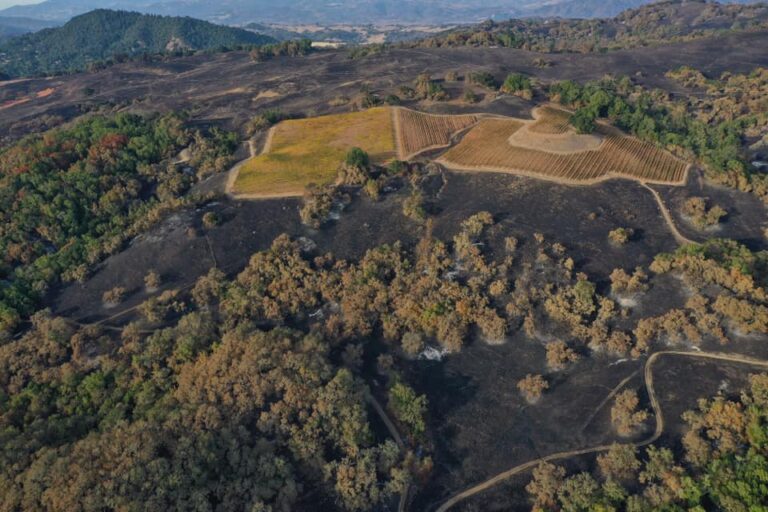
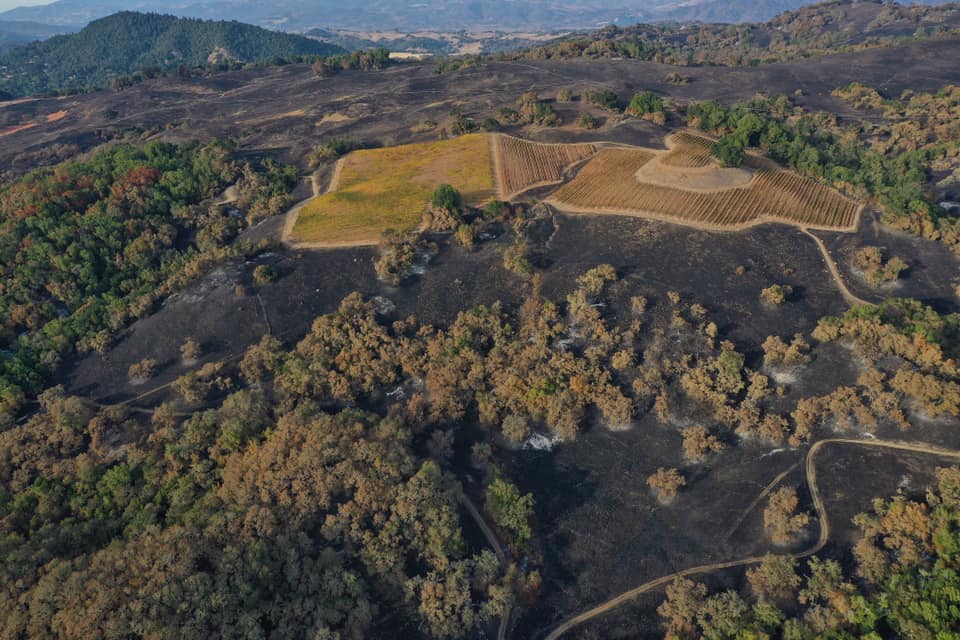
Climate Change is also taking its toll on the United States. Northern California fires are getting more intense every year for this reason, according to researchers like Daniel Swain of the University of California, Los Angeles. In the picture, a vineyard area in Healdsburg, Sonoma. Photo: Manuel Ortiz Escámez
The San Mateo County Board of Supervisors adopted the Government Operations Climate Action Plan (GOCAP), a comprehensive strategy that will seek to address the climate crisis and enable significant reductions in greenhouse gas emissions with the goal of achieving carbon neutrality by 2035.
Officials said the action places San Mateo County as a regional climate leader with a strong plan for government operations among Bay Area counties.
"San Mateo County is taking bold steps to reach carbon neutrality by 2035, 10 years ahead of the deadline set by the state."
Dave Pine, Supervisor.
The official stressed that the commitment to the ambitious target is also a call to action for cities and public agencies, businesses and local organizations to make a rapid transition to a low-carbon future and a green economy.
And, people in San Mateo County are already experiencing the impacts of climate change, including rising temperatures, wildfires, dangerous air quality, extreme storms, sea level rise and coastal erosion.
These impacts have most affected children, seniors, people with medical conditions, communities of color, and residents with unstable economic or housing situations.
Given that, "it is important to protect county residents, especially those most vulnerable to the impacts of climate change," said County Board of Supervisors Chairman David Canepa.
Thus, the GOCAP outlines a path for the county to reduce emissions from government operations by 80 percent by 2030 and achieve carbon neutrality entirely by 2035.
The primary sources of greenhouse gas emissions generated by government operations are natural gas combustion in buildings and facilities - 44.5 percent - and gasoline use in employee commuter vehicles - 41.8 percent - in addition to the county's vehicle fleet - 12.7 percent, officials said.
That is why GOCAP will focus on reducing emissions in the energy, water, transport and waste sectors.
The plan includes actions that support the transition to all-electric buildings powered by renewable energy, as well as establishing actions to reduce emissions from employee commuting, including programs to increase the use of electric vehicles, public transportation, telecommuting and bicycles.
The county also plans to phase out gas-powered vehicles from its fleet and replace them with zero-emission vehicles. And finally, any emissions remaining after these steps are taken will be captured and stored through carbon sequestration techniques, including the use of compost.
In the last two decades, the total number of people diagnosed with cancer nearly doubled from an estimated 10 million in 2000 to 19.3 million in 2020, according to the World Health Organization (WHO), and the numbers continue to rise.
Currently, one in five people worldwide will develop cancer in their lifetime and projections suggest that the number of people diagnosed with cancer will increase further in the coming years and will be nearly 50 percent higher in 2040 than in 2020.
As part of World Cancer Day, the organization also noted that the number of deaths due to this disease has also increased, rising from 6.2 million in 2000 to 10 million in 2020. More than one in six deaths is due to cancer.
Late Diagnosis and Lack of Access to Treatment Exacerbated by COVID-19 Pandemic
The COVID-19 pandemic has exacerbated the problems of late-stage diagnosis and lack of access to treatment, WHO said.
This occurs worldwide, however, low- and middle-income countries are the most affected, as in addition to facing disruption of services, people living with cancer are also at increased risk of serious illness from COVID-19 and death.
A WHO survey conducted in 2020 indicated that cancer treatment had been interrupted in more than 40 percent of the countries surveyed during the pandemic.
The findings have been supported by published studies indicating that delays in diagnosis are common, while interruptions and discontinuation of therapy have increased significantly, and clinical trial enrollment and research production have declined.
Breast Cancer Numbers Exceed Lung Cancer Figures
And if that wasn't enough, the global cancer landscape is changing, as breast cancer has now overtaken lung cancer as the most commonly diagnosed cancer in the world, according to statistics released by the International Agency for Research on Cancer (IARC) in December 2020.
Therefore, on this World Cancer Day, WHO will host the first in a series of consultations to establish a new global breast cancer initiative, to be launched at a later date.
This collaborative effort between WHO, IARC, the International Atomic Energy Agency and other sectoral partners will seek to reduce breast cancer deaths by promoting breast health, improving early detection of cancer and ensuring access to quality care.
"WHO and the cancer community are responding with renewed urgency to address breast cancer and respond to the growing global cancer burden that is putting pressure on individuals, communities and health systems," the organisation said in a statement.
World Cancer Day
On 4 February, as every year since 2000, World Cancer Day is commemorated, this year 2021 the theme is "I can and I will", where WHO will show its commitment to other important programs on cervical cancer and childhood cancer.
In this regard, and with the aim of accelerating the elimination of cervical cancer as a public health problem, three targets have been set for 2030: 90% of girls fully vaccinated with the HPV vaccine; 70% of women screened; and 90% of women identified with cervical cancer receiving treatment.
Cancer is also a leading cause of death for children and adolescents, with an estimated 400,000 children diagnosed with cancer each year.
On International Childhood Cancer Day on 15 February, WHO will publish a practical guide for policy-makers and programme managers on strengthening childhood cancer programmes.
Such a tool will enable assessment to facilitate harmonized data collection and achieve rapid, real-time interpretation of data collected on cancer among children; and a clearinghouse of information from the online community of practice on childhood cancer.
It should be noted that breast, cervical and childhood cancers have a high chance of being cured if diagnosed early and treated appropriately.
It is easier to bend the body than to bend the will. Chinese proverb.
Hundreds of years ago, there, amidst candles and incense, the "zhezhi"When paper folding first appeared in China, paper folding became present at ceremonial events; so special did it become to fold a piece of paper over and over again that it became art.
Japan is typically credited with the origin of "origami", however, Chinese culture showed, almost parallel to Japanese traditions, examples of paper folding, where artistic minds experimented with various shapes and techniques.
From fibres to paper
It is well known to historians that the invention of paper is attributed to Cai Lun around 105 AD, an official of the imperial court during the Han dynasty, who created sheets of paper from mulberry leaves, bast bark fibers, old rags, fishing nets, and hemp waste.
Although the earliest forms of paper had existed in China since the second century B.C., its standardization of the process and improvements in the overall composition over the years helped paper become widely used as a writing medium, and could become what we know today.
Such was Cai Lun's achievement and advancement, that by 114 A.D., he was bestowed great wealth by Emperor He and made a marquis, including the erection of a temple in his honor in Chengdu after his death in 121 A.D.
The art of paper folding in Chinese culture
The vast majority of people have one word in mind when they think of paper folding, "origami", which is a Japanese term from the union of the words oru -to fold- and kami -paper-.
However, in China it took the name "zhezhi" - in Chinese: 摺紙; pinyin: zhézhǐ-, almost poetic, because with a slightly different accentuation, that same word means massage, an art that also involves the hands.
Thus, the zhezhi was first used in China for ceremonial purposes. Texts detail that at funerals, people burned representations - on folded paper - of gold nuggets, which were used as currency until the 20th century. It was believed that these paper nuggets would accompany the deceased on their journey.
Similarly, it is specified that even small replicas, made of folded paper, of the most precious articles of the deceased were made, which were included in the tombs and altars that were created in his name and for prayer for his soul.
And, unlike origami, which opts for figurines of living beings such as flowers or animals, paper folding in China, focuses on inanimate objects.
So much so that history mentions the Chinese as creators of various paper toys, especially for children. The most famous is an inflatable paper balloon, which was filled with water and used to throw it between children or against the ground, gradually, and in its new version, became the plastic balloon.
Golden Venture
Golden Venture folding, also known as 3D "origami", were models developed and created by a group of Chinese refugees in the early 1990s after they were detained in a U.S. prison for attempting to illegally enter the country on a freighter named "Golden Venture".
They invented a style of paper folding that involves joining hundreds of identically folded triangular units to make swans, pineapples, and other shapes. Refugees spent many hours folding these patterns, which were given as gifts to those working for their freedom or sold at charity fundraisers to help pay their legal fees while they applied for asylum.
From dubbing to literature
Maying Soong published "The Art of Chinese Paper Folding" in 1948. The book helped popularize paper folding in the 20th century and helped the difference in technique and nuance with its Japanese counterpart to be understood.
Among the most important models included in the publication are a love knot, a paper cup, a Dutch hat, a dustpan and a grinder.
Stories like this and more, you can find out more at Peninsula 360 Press' virtual celebration of Chinese New Year 2021 on February 20th at 5 PM, where we will celebrate the arrival of the hardest working animal symbol of the zodiac, the Ox. Don't miss it.
The Santa Clara County notes that it currently does not have sufficient doses of COVID-19 vaccine. for all eligible persons; however, he assured that all those who want to receive the immunization will eventually be able to do so.
And, a shortage of SARS-CoV-2 vaccine throughout the Bay Area has prompted local health officials to prioritize doses for older adults due to the high case fatality rate due to coronavirus within that group.
Pending an increased number of vaccine doses, the San Mateo County Health Department has remained aligned with California state guidelines and continues to vaccinate residents 65 years of age and older who receive care through clinics or have no other access to immunization.
In addition, eligible health care workers continue to be immunized as part of Phase 1 of the national immunization campaign, as well as Home Support Services workers and long-term care residents.
Notably, the County Health Department has launched two new dashboards for vaccine data. The first reports total immunizations performed and locations, while the other details the demographics of vaccine recipients.
If testing for SARS-CoV-2 is required, it is necessary to go to the College of San Mateo and to the rotating sites identified at the site. https://www.smcgov.org/testing.
Finally, it is important for county residents to access the site https://smchealth.org/covidvaccine/ to be notified about vaccine clinics for their groups and to be contacted by health care providers.
People from the Latino and Afro-descendant communities have been the most affected during the last year due to the COVID-19 pandemic, the deaths are progressing and the light at the end of the tunnel that could provide vaccines against the virus seems increasingly distant, as immunizations to these sectors are advancing at a very slow pace.
This means that these groups, as well as the Asian group, represent a much lower proportion in comparison to the Caucasian race -white- in terms of being able to receive the vaccine.
The various Centers for Disease Control and Prevention (CDC) reported that more than 60 percent of those vaccinated were white, while only 11.5 percent were Latino, 6 percent were Asian and just over 5.0 percent were of African descent.
This information is part of data obtained by the CDC during the first month of the COVID-19 vaccination campaign in the United States, where about 13 million people have been immunized.
And the numbers of people in these communities who could die from SARS-CoV-2 could grow increasingly because many of their jobs are considered essential and many may have pre-existing conditions.
According to the head of the Joe Biden administration's Health Equity Task Force, Dr. Marcella Nunez-Smith, an equitable vaccination program cannot be assured without data to guide policymakers, after it was learned that of the 13 million people vaccinated, the race and ethnicity of just under half are known.
"CDC will soon release additional data regarding race and ethnicity and vaccine uptake. But I'm concerned about how far behind we are," she added recently.
In response, Dr. David Hayes-Bautista, director of the Center for the Study of Latino Health and Culture at the UCLA School of Medicine, said in an interview for the nonprofit organization, "I've heard that the Latino community has a lot to learn from the Latino community. Democracy Now that "what we're seeing illustrated is approximately 150 years of medical malpractice".
The specialist stressed that "these disparities did not appear suddenly nine months ago at the beginning of the pandemic, as they have been built, decision by decision".
Given the 1,000 percent increase in Latino deaths due to COVID-19 reported in Los Angeles, the specialist noted that all populations of color have much higher mortality rates than non-Hispanic whites, "which tells us a lot about where the medical resources are and where they are not.
He added that the coronavirus struck the Latino sector quickly because as essential workers who have kept the state going - the farm workers who kept the state fed, truck drivers, packinghouse workers, food industry workers, etc. - they worked during the early days of the pandemic and were not provided with personal protective equipment. "They rarely have health insurance anyway, with very low wages."
"It's not because they're Latino that the rates are so high. It's because they're in those occupational and living arrangement spaces that the coronavirus loves. A lot of exposure, a lot of people, boom, there it is. And we've been seeing this for nine months," Dr. Hayes-Bautista noted.
Through a virtual interview, the prominent professor said that "unfortunately, Latinos and other populations of color are paying the price for this maldistribution and limited access to medical resources, in any case. So it's just making a bad situation worse.
In that regard, he explained that the vaccination rate is "very, very low" in California among Latinos and most populations of color.
"Overall, between Oct. 27 and Jan. 27, the overall state death rate for Latinos has doubled. However, it started in October five to six times higher than white. And in January, it's still five to six times higher than white. So compared to whites, yes, the death rate is absolutely huge," he said.
Dr. Hayes-Bautista cautioned that the peak in Latino infections and deaths may not yet have been reached.
On the other hand, he noted that the lingering effects of the Trump administration still need to be dealt with - as recently as last Sunday, at a vaccination event at Dodger Stadium, a group of anti-vaccine supporters of the former president disrupted and shut down that effort for more than an hour as they tried to persuade people not to get vaccinated.
For the Latino population that is undocumented, Hayes-Bautista said access to the vaccine is confusing because, as many times, the information is only in English and many of them are not fluent in the language.
"The message, again, is terribly confusing. Is it free? Is it not? Are you going to a county facility? Are you going to a private facility? Will you get a bill? Will you have insurance? Will you be considered to have used public facilities if you get a vaccine? The messages are very, very confusing."
He also noted that Immigration and Customs Enforcement (ICE) has been sending COVID-19-positive refugees back to their countries of origin - Mexico and Central America - thus seeding the pandemic in countries with fewer resources to respond to the pandemic.
As every year, the first Sunday of February becomes almost "sacred" for those who like American football, the party to know who will be the winner in the final game of the National Football League (NFL) championship is big in the United States.
However, this year, the COVID-19 pandemic has limited the meetings and even the very match so eagerly awaited by the audience.
It should be noted that at the beginning of the season the uncertainty of whether there would be a superbowl with or without audience was on everyone's mind; so far it is known that the LV edition will be attended by 22 thousand people, of which 7,500 places have been reserved for health personnel who have fought and fought on the front line against the SARS-CoV-2 virus, so they will be the guests of honor.
The number of fans who will witness the superbowl represents only 30 percent of the capacity of Raymond James Stadium in Tampa, Florida.
The NFL reported that the 32 teams in the league were responsible for making the selection of medical personnel to attend the long-awaited game, which, it should be noted, will already be vaccinated against COVID-19.
For the rest of us who won't be able to attend the game, the Centers for Disease Control and Prevention (CDC) recommended getting together virtually or with people you live with, "it's the safest way to celebrate the Super Bowl this year.
He added that if you have a small gathering with people who do not live in the same household, the outside is safer than the inside.
Host a virtual superbowl party
The CDC calls for wearing clothes or decorating your home with the logo or colors of your favorite team, preparing snacks or refreshments with the people you live with to enjoy while watching the game, and sharing recipes with friends and family.
Also, call start a text group with other fans to talk about the game while watching, or attend an outdoor party where spectators can sit six feet or more away.
In addition, he suggests using a projection screen to broadcast the game and keeping the spaces between seats at least six feet apart, especially with people outside the household.
He also suggested avoiding singing or shouting, since both can launch viral particles and spread them through the air, so making noises with the foot, clapping or using rattles is ideal for expressing euphoria.
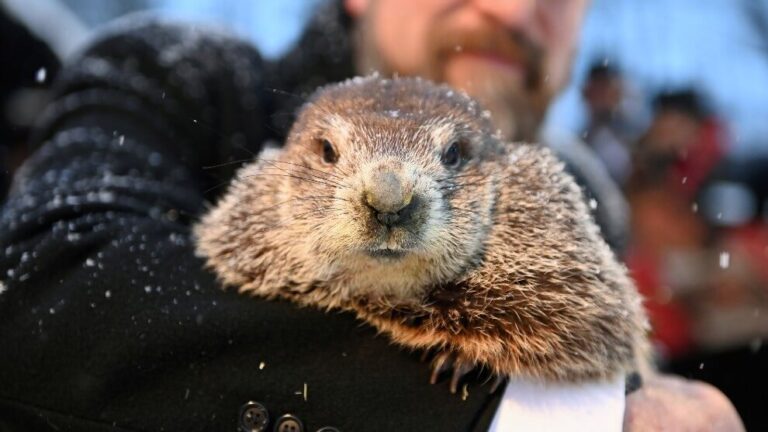
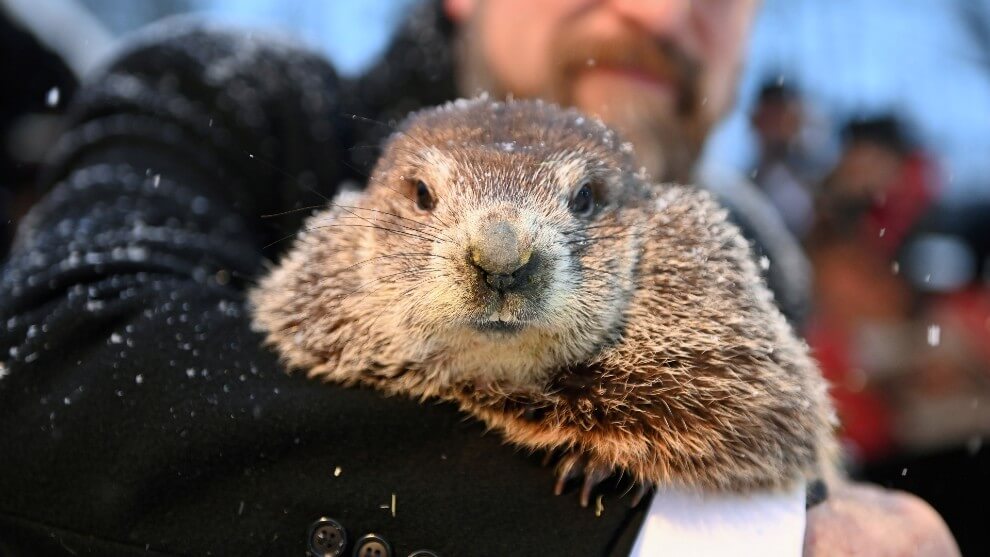
Do you trust the weather predictions of a groundhog? If so, don't put away your coats and umbrellas, because according to "Punxsutawney Phil" winter will be six weeks longer.
This Tuesday, at 7:25 a.m., and for the first time without a live audience due to the COVID-19 pandemic, the groundhog emerged in Punxsutawney, Pennsylvania, and saw his shadow, which, according to tradition, will extend the frigid temperatures into spring.
Since 1887, Phil has made predictions - despite the average lifespan of a groundhog in captivity being less than a decade - and in 134 years only 20 times has he predicted an early spring, just as he did in 2020.
While the winter season has seen temperatures well above average in the northern and central U.S., and near normal in the South, there are also areas that have recorded the warmest winter in history, with up to seven degrees above normal.
According to the Washington Post, from Monday's snowstorm in the Northeast, which blanketed the city of Punxsutawney and brought up to 30 inches of snow near New York City, there are signs that support colder and stormier times ahead.
Thus, a second storm could hit the Northeast this weekend, or that could be followed by frigid air surging southeastward over the Great Lakes and Appalachians next week, where temperatures could drop suddenly.
According to the National Weather Service's Climate Prediction Center, during February, temperatures will be milder than average in the eastern part of the country, with below-average temperatures expected only in parts of the Pacific Northwest and the Columbia River Basin in the northern Rockies.
It should be noted that Phil's predictions are dubious, as in the last 10 years only 50 percent of the time he has been right. Although its agents announce it as a 100 percent sure omen, the National Oceanic and Atmospheric Administration -NOAA, for its acronym in English- points out that the announced by the "immortal" groundhog, is as accurate as a random guess.
Groundhog Day dates back to the 1700s, when German settlers came to the United States, bringing with them a tradition known as Candlemas Day, a celebration between the winter solstice and the vernal equinox.
Nearly a century later it was reinvented as Groundhog Day. "According to superstition, sunny skies on that day signify a stormy and cold second half of winter, while cloudy skies indicate the arrival of warmer weather," explains the website the NOAA.
Today, it has been 40 days since I had the opportunity to participate in phase 3 studies of the Ad5-nCoV vaccine, developed by the Chinese laboratory CanSino Biologics Inc. and whose trial was carried out in several countries: Argentina, Chile, Pakistan, United Arab Emirates and Mexico. According to the most restrictive specifications, in theory, the deadline has been met for my body to have generated immunity to SARS-CoV-2, the new coronavirus that causes the disease COVID-19 whose origin, it is believed, was found in a market of wild species for human consumption in the central city of Wuhan, in China and that 329 days after the World Health Organization declared a pandemic situation, it is estimated that it is a disease that has affected 1.5 percent of the world's population.
50/50
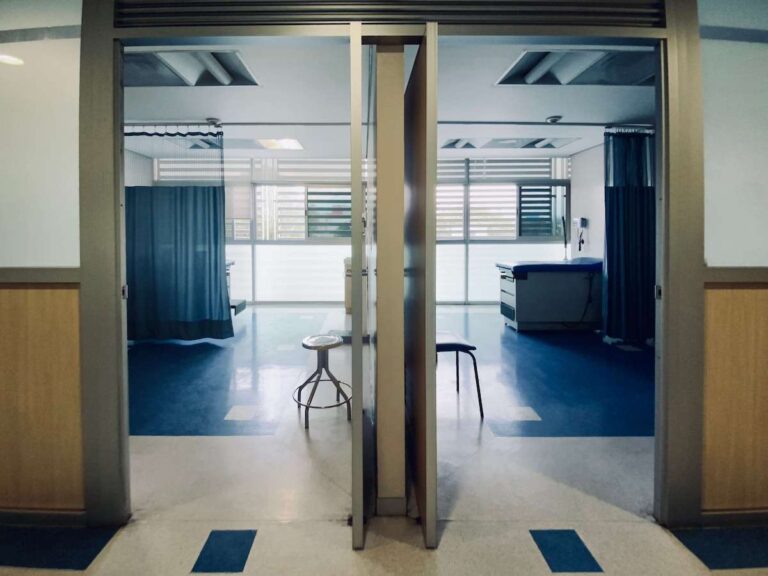
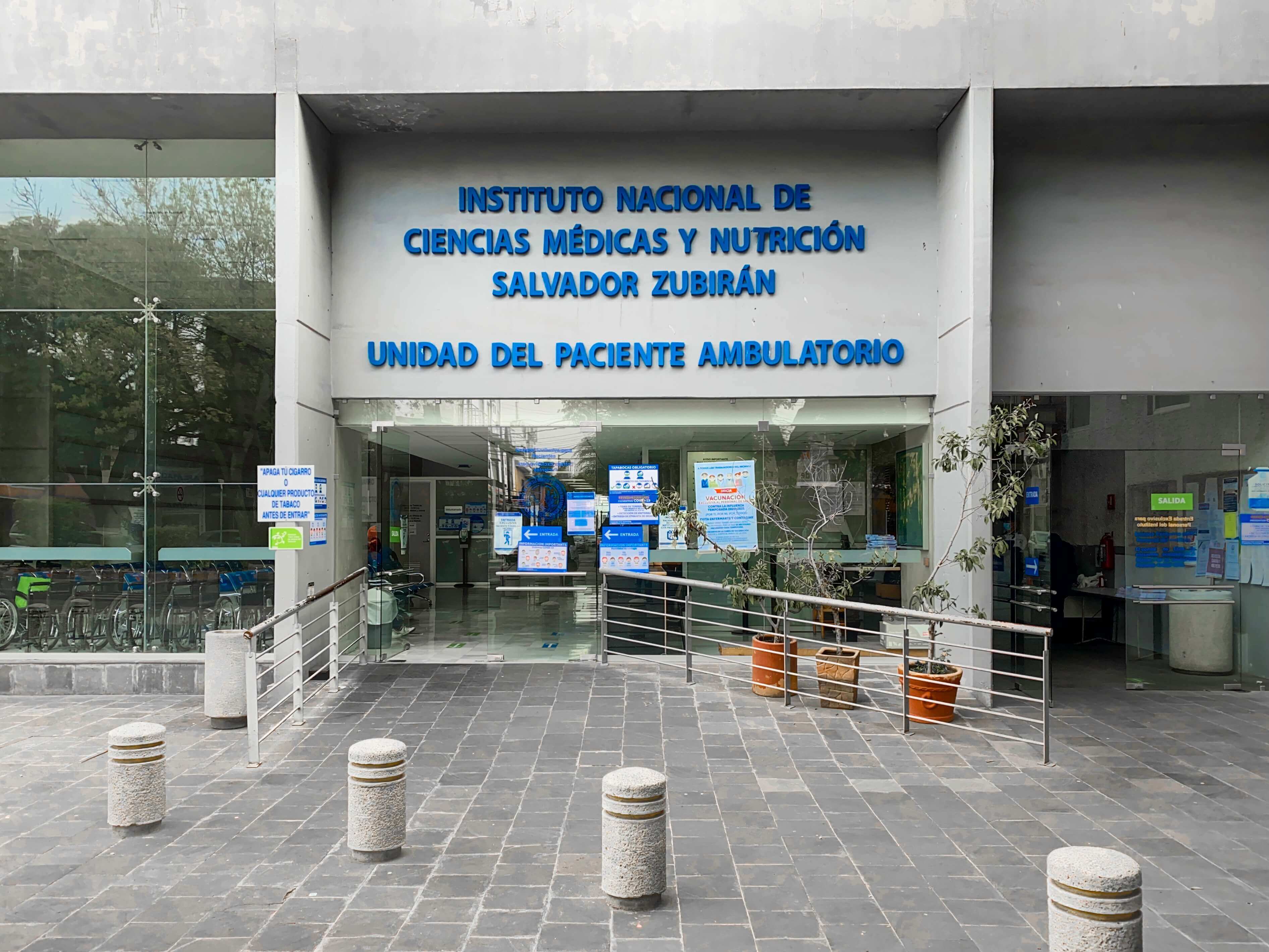
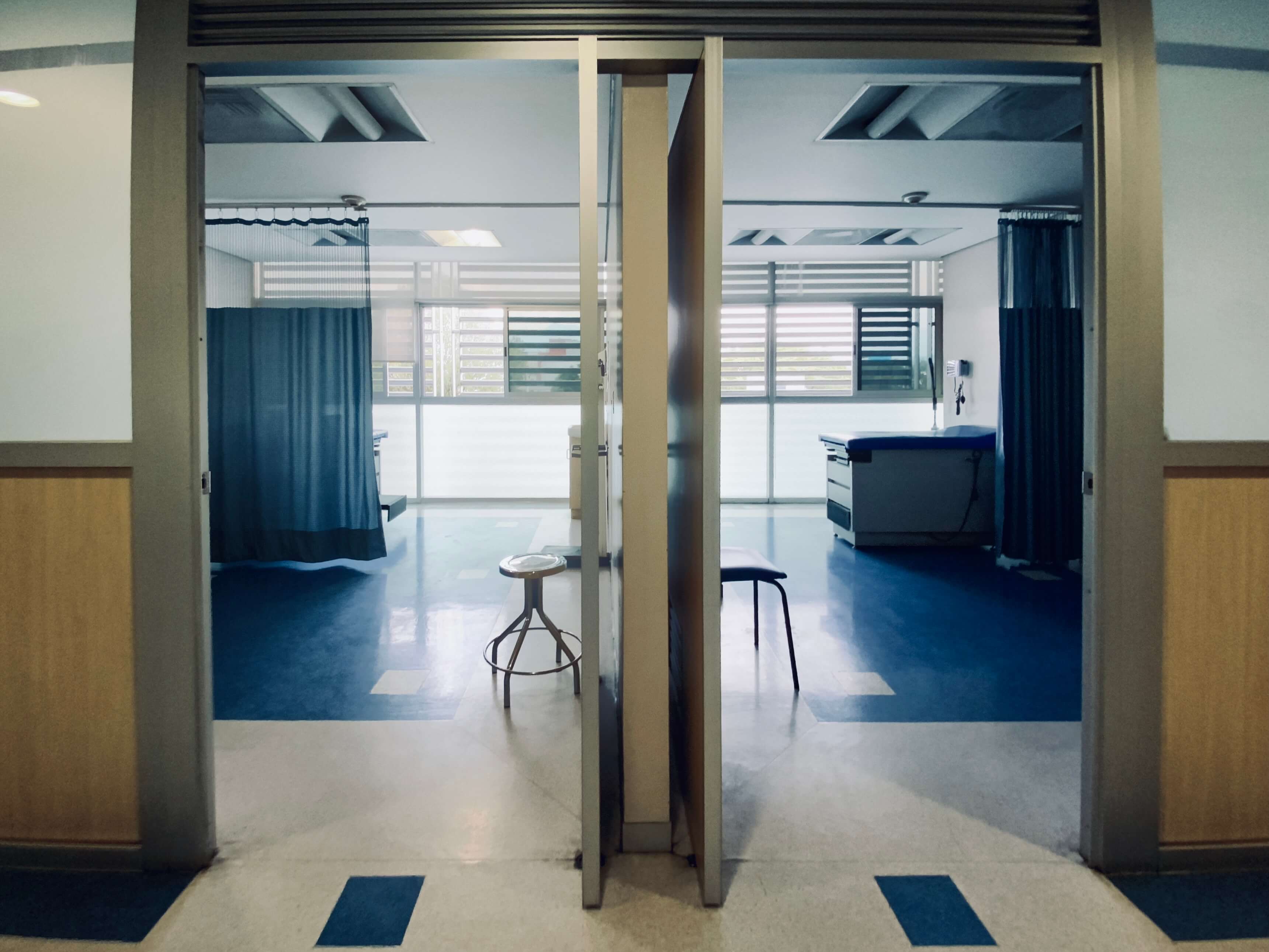
Offices of the National Institute of Medical Sciences and Nutrition Salvador Zubirán, Mexico City. Photograph: Cristian Carlos.
"Your chance of being assigned to one of the groups (...) is 50 percent," the document attached to the email notification warned.
It is possible that, on the day of the test, what I was given was either the Ad5-nCoV vaccine or a simple placebo - a substance with no effect for trial control purposes. The likelihood of getting the placebo or the Chinese vaccine was 50 percent, according to the lead research physician, Dr. Guillermo M. Ruiz-Palacios y Santos of the Instituto Nacional de Ciencias Médicas y Nutrición Salvador Zubirán in Mexico City, who explained to a group of participants 10 points ranging from the purpose of the research - to learn about the vaccine's effectiveness in a group of people - to the benefits or risks of participating in the trial - from the side effects of the vaccine (if given) to infection with COVID-19.
They have contemplated most of the possible scenarios. The fact that we had the opportunity to know, in writing, the specifications of the study and to have the personal attention of Dr. Ruiz-Palacios y Santos to answer any questions, were positive factors that gave me confidence to continue with the process.
It is important to note that, although I was selected a day before and notified via email about my participation in the clinical trial of the CanSino Biologics Inc. vaccine, at any time during the process it is possible, with complete freedom, to drop out of the clinical trial. In case of dropping out of the trial, in any of its stages, said Dr. Ruiz-Palacios y Santos, no person will be compromised in any of its situations -legal or health care.
Procedure
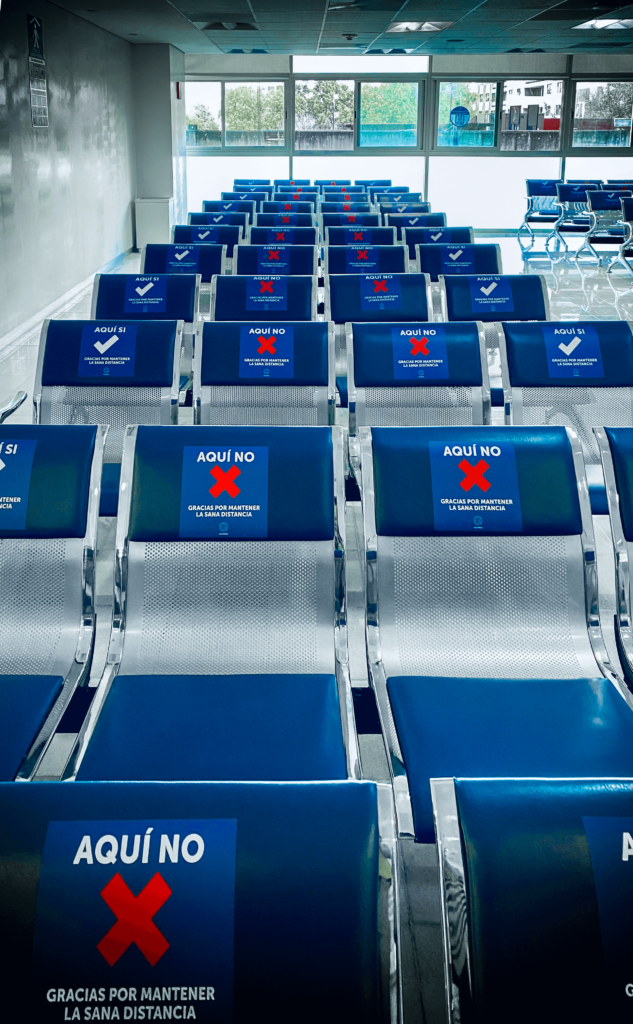
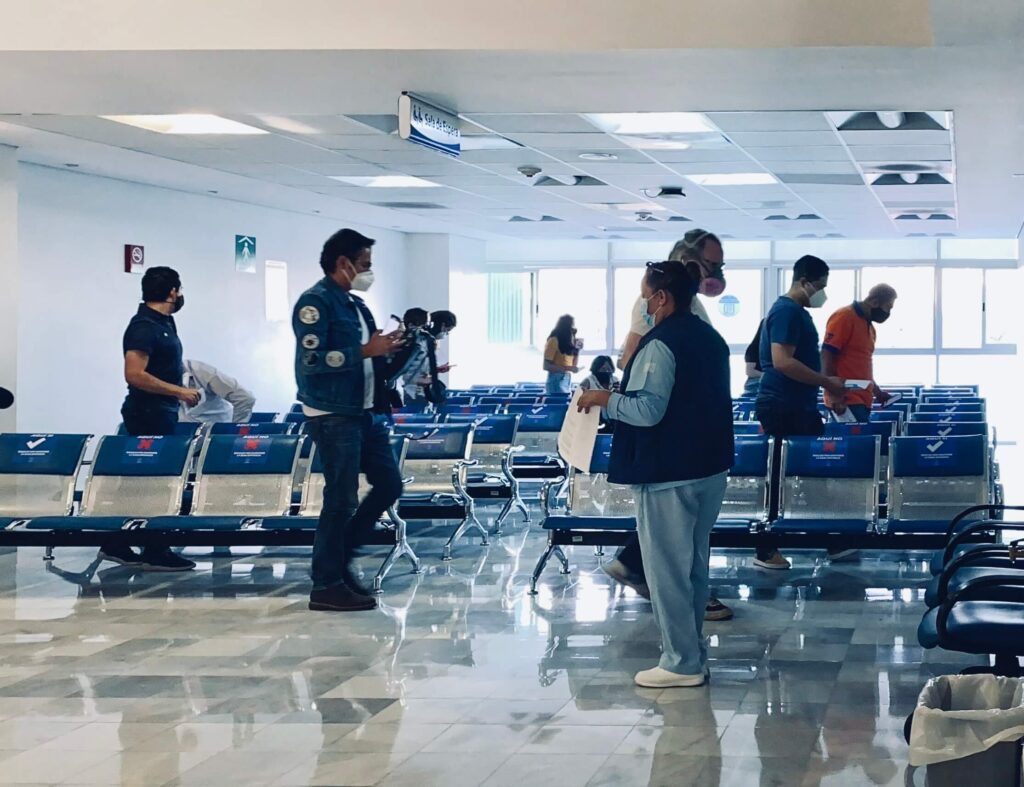
Waiting room with "healthy distance". National Institute of Medical Sciences and Nutrition Salvador Zubirán, Mexico City. Photograph: Cristian Carlos.
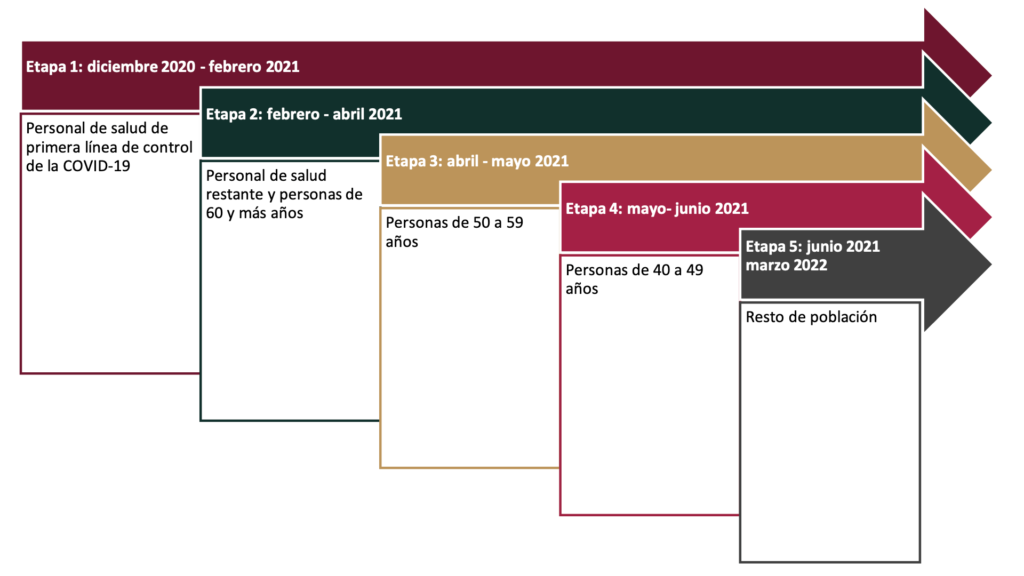
Suddenly, when the email arrived notifying me of my participation in the clinical trial, my chances of getting the vaccine against the disease that has taken away my family and friends had suddenly increased by 50 percent. That is to say, the next day, my chances of getting the vaccine against COVID-19 were 50 percent and, subsequently, zero percent in who knows how many months because, according to the "National Guiding Policy on Vaccination against SARS-CoV-2 for the prevention of COVID-19 in Mexico" states that, according to my age - 28 years old - I could only be immunized with any of the vaccines available at the moment until the month of June of this year and before the month of March of 2022.
So all of a sudden, I could accelerate that process, almost immediately, with a 50 percent chance.
CanSino Vaccine Requirements
To be of legal age; in Mexico, the age of majority is reached at the age of 18, the age at which one acquires the capacity to determine the effectiveness of his or her legal acts and is identified by the full independence of the person and the acquisition of full capacity to act (Tobeñas, 2000).
Being generally healthy was also one of the requirements for eligibility to participate in the clinical trial. The age limit was not a restriction for participation in the trial; the study also noted that "adequate contraception" was required 90 days after receiving treatment.
Suffering from illnesses caused by other viruses that compromise the body's immunity, such as the HIV virus, which causes AIDS, was an impediment to being eligible for treatment.
Side effects and symptoms
Being a vaccine that, up to that moment, only phases 1 and 2 of the vaccine had been completed in China and the results of phase 3 are being analyzed, it causes uncertainty; however, the use of the CanSino Biologics vaccine would have received the green light in that country to immunize medical and defense personnel.
This was the point that kept me awake last night, as the sample included just over 600 adults. Perhaps this was also the highest point of concern for all the participants because, according to the informative document, it was pointed out that the most common adverse effects occurred in a population equal to or greater than 10 percent, including symptoms of a common cold and pain at the injection site for a period of no more than 3 days. However, other adverse effects such as cough, sore throat, and joint pain were included in 10 to 1 percent.
"The evidence from these two studies - the phase 1 and phase 2 studies - shows that the vaccine is safe," the informed consent letter says.
Day of the visit
On that day alone, we would have received an email total of about 50 people; however, upon investigation, I had found that groups of people like ours had already visited the Institute on previous days to take part in the trial, so that suggested that we would not be the first or the last to participate in the vaccine trials.
The appointment was set for 1 p.m. at the National Institute of Medical Sciences and Nutrition Salvador Zubirán; at that time, Mexico City was in orange traffic light -the high risk level within the "risk traffic light" approved by the federal government- which meant gathering 50 people for the test plus the administrative staff, cleaning staff and health professionals on site; however, the entrance, as well as the first waiting room and sanitary filters met the highest standards established for the new normality: the correct and obligatory use of mouth covers at all times, maintaining "healthy distance" - a concept in Mexico to designate physical distance - of at least 1.5 meters -4' 11"-, cough or sneeze etiquette, the extensive use of hydroalcoholic solution or antibacterial gel, and open windows so that air could circulate in the most enclosed spaces where more than 20 people congregated.
I must point out that, in these 300 days of confinement, INCMNSZ is the place where I have seen how these measures have been complied with 100 percent.
There I met people visibly younger and older than me who were coming for the same reasons I was, to get a 50 percent chance of being immunized with the vaccine. Not having a known person, Ariel, a young man, served as a witness on the "informed consent letter" that we had to read, understand and sign to participate in the process, in which we both agreed to be nervous about the method of randomization.
Randomization method
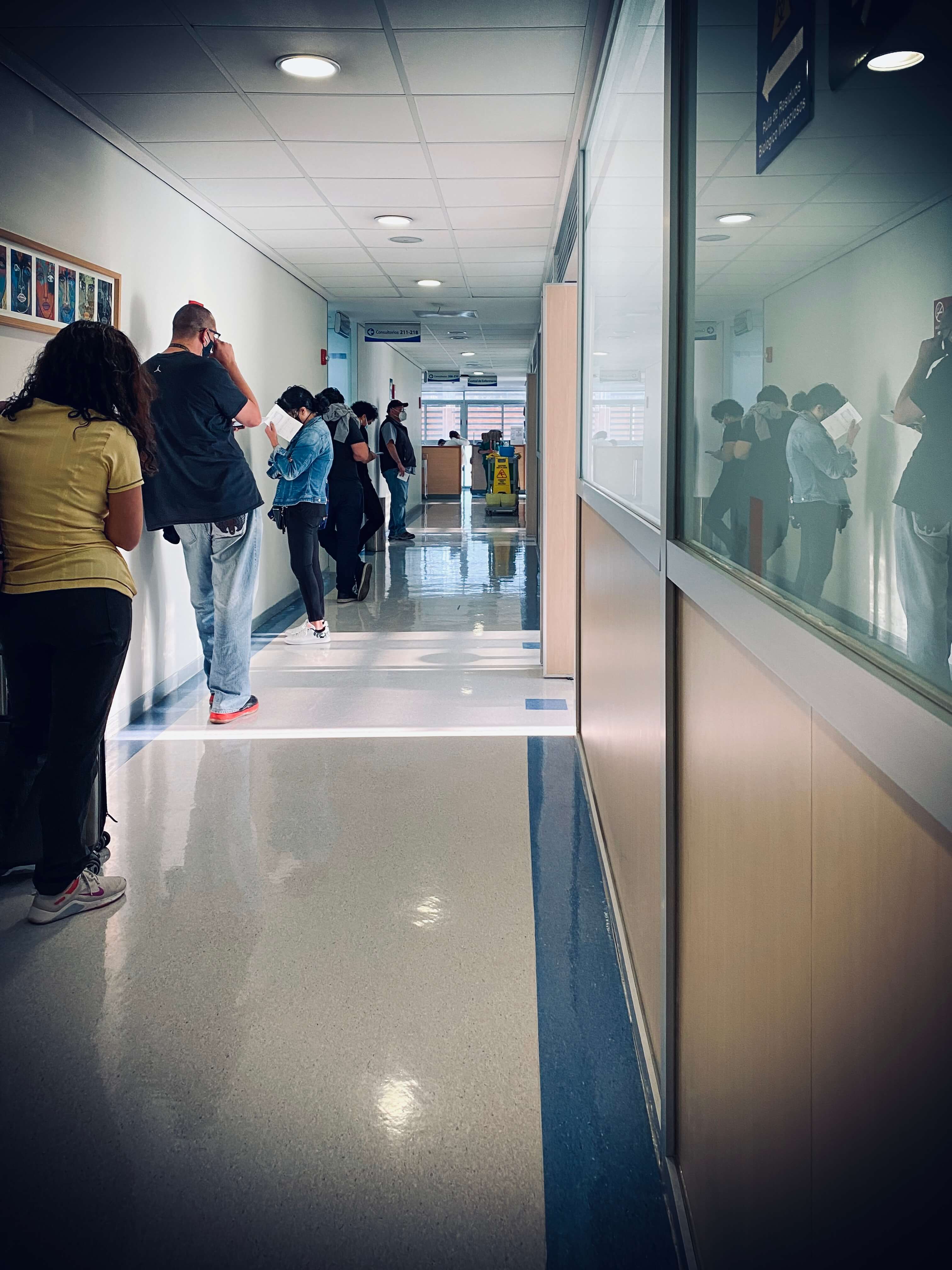
Group 2 of the day of the trial. Salvador Zubirán National Institute of Medical Sciences and Nutrition, Mexico City. Photo: Cristian Carlos.
According to the explanation given by the research director, Dr. Guillermo M. Ruiz-Palacios y Santos, the randomization of the two possibilities, receiving the Ad5-nCoV vaccine or the placebo, was carried out by a personal identifier assigned to the initials of our name to the CanSino Biologics Inc. systems and back to INCMNSZ via email where the unique identifier linked to our initials would also be linked to a unique identifier of the Ad5-nCoV vaccine doses or to the placebo doses. and back to INCMNSZ via email where the unique identifier linked to our initials would also be linked to a unique identifier for the Ad5-nCoV vaccine doses or the placebo doses - both of which were already at the Institute - without being able to distinguish, at the time, which one had been finally assigned to both the health professionals and the trial participants. If neither the staff administering the vaccine nor the trial participants know what our outcome is, the clinical trial is called "double-blind".
Ariel and I agreed that this procedure was like flipping a coin, "un volado," as we call it in Mexico.
No clinical study would be complete without a sample of our blood of 25 ml, this to inform us if we were at risk for any other disease caused by any other virus, such as HIV, if so, they would contact us to let us know if there was any abnormality in the studies and, in any case, guide us to follow an appropriate treatment.
Application of the CanSino vaccine
Vaccine application. Salvador Zubirán National Institute of Medical Sciences and Nutrition, Mexico City. Photo: Cristian Carlos.
Unlike the Pfizer-BioNTech and Moderna vaccines that require a two-dose application to ensure a maximum of 95 percent effectiveness, the vaccine developed by CanSino Biologics Inc. requires a single application to achieve 97 percent effective immunity in 28 days.
During blood sampling, the randomization process takes place - the one that links the initial letters of our full name and either a dose of the CanSino Biologics Inc. vaccine or a placebo injection. In addition to the randomization process comes a brief questionnaire from the physicians conducting the clinical trial process - who are not allowed to participate in the trial - where, perhaps for the last time, individual questions can be answered.
The letter of informed consent does not state any restrictions other than what they call adequate contraception for both men and women; the letter stipulates that heterosexual men must abstain from penile-vaginal intercourse, sperm donation and blood donation 90 days after the dose is administered.
At no point does the letter contemplate restricting any other activity. However, in China, drug trafficking is a felony punishable by death, so I assumed that, for that reason, the use of drugs or alcohol would be implicitly limited. According to the doctors conducting the process, there is no restriction on substance use; however, we were warned that we must give notice if our habits put our lung capacity at risk, for example, smoking tobacco.
Next comes the application of the dose in the "non-dominant arm" -in my case, the right arm because I am left-handed-. For safety reasons, according to the protocol proposed by the Beijing Institute of Biotechnology and CanSino Biologics Inc. -sponsors of the study-, photographs of the doses should be avoided.
The doses come in a white box, inside the box, a glass syringe with the dose already prepared that you have to remove the plastic protection from the needle. It's not a multi-use vial like the Pfizer-BioNtech vaccine - a 5-dose vial - or a vial. It is similar, they say, to the doses provided in Mexico's health sector for other vaccines.
Ariel. Salvador Zubirán National Institute of Medical Sciences and Nutrition, Mexico City. Photograph: Cristian Carlos.
"Seen and unseen," said Ariel who, at all times, remained ahead of me. I hadn't seen such discipline since high school, to tell the truth, everyone was numbered and preserved the order we were assigned from the beginning, even in the use of elevators. Also, we talked the least among ourselves; keeping conversations to a minimum is one more recommendation to avoid the dispersion of aerosols that can spread the coronavirus and preserve the life of mouth covers and masks.
Two nurses were in charge of dosing. One unpacked the syringe, removed the safety seals, and exchanged it for administration. The syringe had a small print inscription on it where I could identify the name of the vaccine "Ad5-nCoV", a serial number that I could not identify, and the unique identifier that was linked to our initials. I was more focused on what the application looked like than on the application itself: a liquid that, at first glance, looked clear and disappeared after application in less than five seconds.
Follow up
After application, the protocol incubates a 30-minute waiting time - the same that is now expected in the application of vaccines that have already been approved - in order to rule out immediate adverse effects, such as an allergic reaction to the vaccine components.
Whether what Ariel and I were injected with was the Ad5-nCoV vaccine, from CanSino Biologics, we didn't know immediately; although, with a quick survey of the people in the waiting room we were able to make it evident that people with persistent injection site pain after 20 minutes had been injected with a dose of the vaccine and not the placebo.
"Whose arm hurts?" was heard from a young man who dared to ask us given the seriousness of the protocol. The pain in my arm was evident and, a few minutes later, I began to feel a constant tingling in my non-dominant arm.
Ariel, for her part, said she didn't feel anything else.
After 30 minutes, we went back to our assigned shift to return to the pair of nurses who administered the dose; after a brief questionnaire - which included general discomfort - and an inspection of the injected area with the needle of the syringe, if there was no major problem, we could go home. After a 4-5 hour process.
I'm immune thanks to CanSino's vaccine
An "antibody test" or "the presence of cold symptoms" are indicators of having been injected with the Ad5-nCOV vaccine; however, as Dr. Ruiz-Palacios and Santos mentioned, the first indicator eliminates one of the purposes of the clinical trial: blinding. The second may be subject to suggestion.
An antibody test done 25 days after the vaccine was given would show a high immune response. In conjunction with the symptoms I had during the early morning hours following the day of administration.
In the middle of the night, a headache, muscle and joint aches and pains strong enough to wake me up. We were advised to try to alleviate these symptoms with the usual medicines prescribed in advance according to our family doctors; if we did not have them, we had to call the number on our identity card.
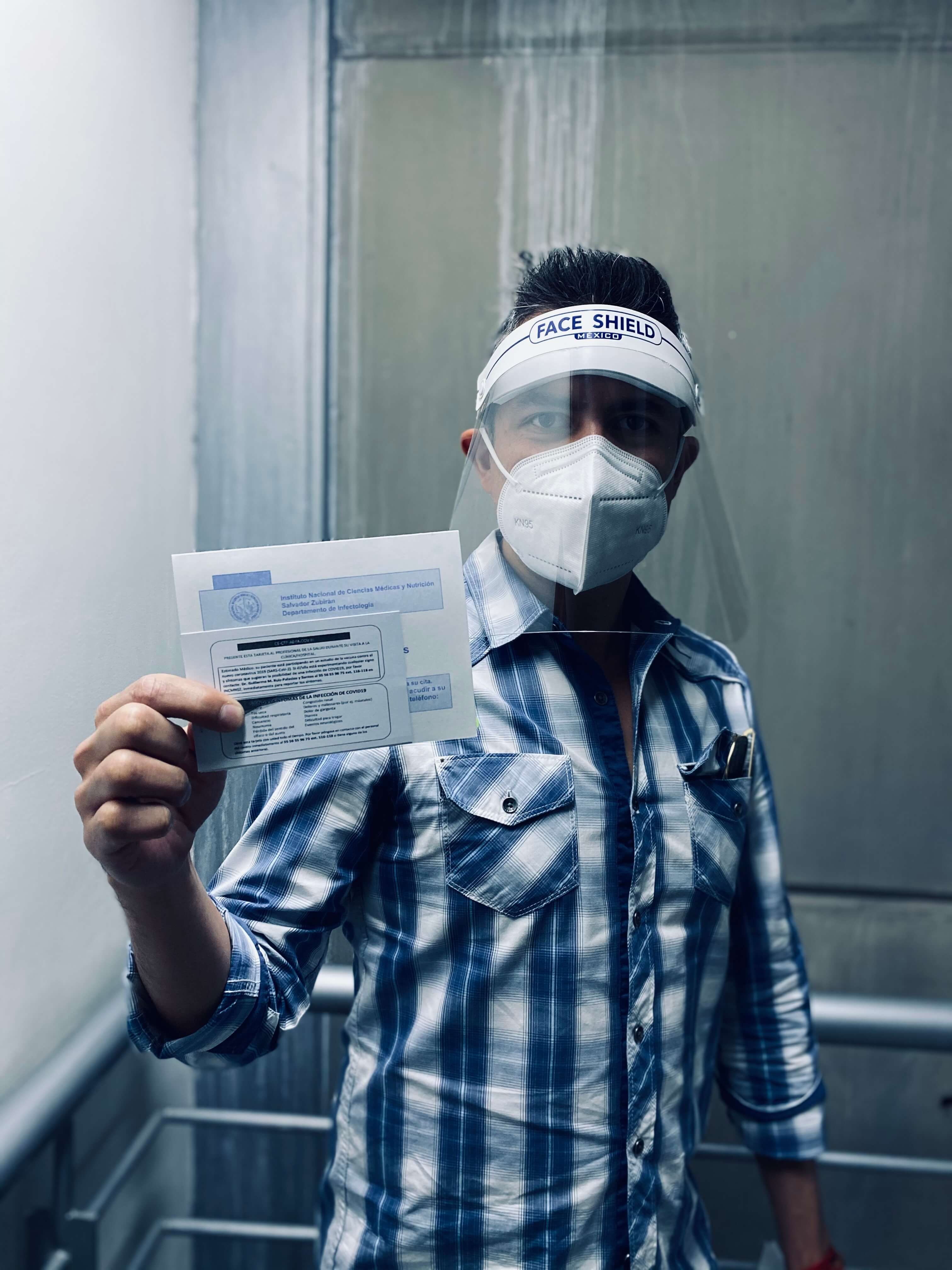
An INCMNSZ ID card with instructions on what to do in case of serious adverse effects was provided to us upon departure. Along with a card that we must carry at all times in case of an emergent event specifying who to call and who to contact. The card specifies that we are part of a clinical trial of the COVID-19 vaccine. It is also an identifier that could be used to check our probable immunity to SARS-CoV-2.
We were additionally provided with a digital thermometer to check our body temperature at any time in case of a suspected fever that could be an early sign of COVID-19. I activated the thermometer upon awakening, but my body temperature was not a red flag - and even if it was, I should treat it as a side effect. Ibuprofen 600 mg and Paracetamol 500 mg. "That should do it," I thought. And it did. The next morning, the only thing that persisted was a slight general weakness - more accentuated in the arm of the injection.
The headache, muscle and joint pain disappeared for the rest of the night. My body temperature remained normal.
INCMNSZ offered us 24-hour medical care for the next 12 months in case we needed it.
The vaccine is new and safe; however, its long-term effects have yet to be studied. It is important to note that, inevitably, COVID-19 positive cases - even if they were administered with placebo or the CanSino Biologics vaccine - are expected within a year, asymptomatic or with the presence of symptoms; however, people administered with the Ad5-nCoV vaccine are expected to reduce their mortality and case fatality rate to 0 percent.
Conclusion
As Dr. Guillermo M. Ruiz-Palacios y Santos of the Instituto Nacional de Ciencias Médicas y Nutrición Salvador Zubirán explained, people who test positive for the new SARS-CoV-2 coronavirus eliminate the risk of having severe symptoms of COVID-19 and even eliminate the risk of dying from the disease altogether if they take the SARS-CoV-2 vaccine.
That is why it is important to administer the vaccine. In principle, by believing in the advancement of science.
-Despite being sociologists, science is still the same," said Manuel Ortiz, sociologist and professor at the Faculty of Political and Social Sciences (FCPyS) of the National Autonomous University of Mexico (UNAM), and continued: "We are scientists. We do science, and in science is the search for truth.
"That's right," I thought.
-Science is synonymous with truth. Science is to prove what exists, not to prove what does not exist. Using science to prove what does not exist is nonsense," said Sandra Oceja Limón, also a professor at the FCPyS, UNAM.
Secondly, to honour the 159,533 people who have died in my country because of the pandemic and because, worldwide, 2,236,454 people have died. People who lost their lives and who died, with the most serious complications of COVID-19, waiting for a solution to the pandemic.
One solution is to protect yourself from the coronavirus by getting the vaccine that is available.
Thirdly, to reduce by up to 97 percent - in the specific case of the CanSino Biologics vaccine - the chances of contracting the new coronavirus; which, in turn, means that we are not carriers of SARS-CoV-2 and, therefore, eradicate its transmission.
Transmission of SARS-CoV-2 - the new coronavirus that causes COVID-19 disease - can be eradicated by vaccination.
Unfortunately, the vaccine is not 100 percent effective; however, should we fall into the remaining three percent and become infected with the new coronavirus - SARS-CoV-2 - it is very likely that we will be asymptomatic patients with a low viral load and not suffer from the disease - COVID-19 - thanks to the vaccine.
In the event that vaccinated persons become ill with COVID-19, the effects of the disease as well as its complications are reduced.
Getting a COVID-19 vaccine, according to Dr. Ruiz-Palacios y Santos, eliminates the risk of dying from this disease.