Anna Lee Mraz and Manuel Ortiz. Peninsula 360 Press [P360P].
An avalanche of lies and misinformation about the COVID-19 vaccine is spreading across major socio-digital platforms like Facebook, Instagram, Twitter, YouTube and Google, without these coorporations doing enough to stop it, the Center for Countering Digital Hate (CCDH) reported in a recent report.
The report titled "Anti-Vaxx Playbook", published by the CCDH, notes that "even when users report disinformation to platforms, less than 1 in 20 disinformation posts were removed. Why? In part, because the audience for anti-vaccine misinformation is worth up to a billion dollars a year.".
The organization, based in London and Washington, explained that the strategy of those who profit from lies and misinformation about vaccines is "simple" and is based on "taking advantage of the predictability of social media algorithms for controversial and attractive content to convey three messages that lie: that COVID-19 is [supposedly] not dangerous, that vaccines [according to fanatics] are harmful, and that doctors, scientists and health authorities are distrusted. Despite the variety of styles, tones and themes employed by the anti-vaccine movement, each meme they share serves one of these three messages.
For his part, Dr. Peter J. Hotez (Twitter: @PeterHotez), a renowned scientist and dean of the National School of Tropical Medicine argues in a research article ruled and published in Plos Biology (January 28, 2021), that as of 2019, "a confederacy of anti-vaccine groups occupies more than 500 websites, amplifying in social media and e-commerce and dominating on the Internet."
According to Hotez, who is also a professor of pediatrics and molecular virology and microbiology at Baylor College of Medicine:
"Feeding medical freedom ideologies was an active and blatant anti-science disinformation initiative by the White House [during Donald J. Trump's administration]that resembled similar approaches by Brazilian President Jair Bolsonaro and Philippine President Rodrigo Duterte."
Peter J. Hotez, M.D., Baylor College of Medicine
"These government-led anti-science campaignsknown since then as "medical populism"They combined multiple strategies," says Hotez: concealing the severity of the pandemic of COVID-19, dismiss the seriousness of COVID-19, exaggerate miracle cures, and inflate or spectacularize the abilities of Presidents Trump, Bolsonaro, or Duterte to combat the disease."
In this regard, the CCDH document points out the importance of ".vaccinate against misinformation ignoring the publications generated by the anti-vaccine industry and instead focus on communicating our core message, one that has the advantage of being true:
Doctors, scientists and public health professionals chose these professions because they want to help people and better understand the world.
What comes next, concludes Dr. Hotez, "is to develop a series of vaccines against COVID-19 and other biomedical interventions. But ultimately, biomedical solutions will not be enough to stop the spread of COVID-19. We must simultaneously dismantle anti-science”.
Evacuation orders in San Mateo County were reduced to a warning, so people, who may have been affected by thunderstorms and debris flows due to heavy rains forecast in the area, can return to their homes.
San Mateo County officials said in a brief statement that traffic flow may be disrupted because utility workers are still operating in the area.
The evacuation areas reduced to warning only are:
South Coast Zone SMC-E019, which includes Coastanoa and Año Nuevo State Park, including Whitehouse Canyon Road and areas south of Gazos Creek Road.
In addition to the communities of Loma Mar and Dearborn Park in the SMC-E018 Zone.
South Coast Zone SMC-038, which includes Butano State Park and the Barranca Knolls Community, west of Cloverdale Road, and the Butano Canyon Community in Zone SMC-E-098.
The Corruption Perceptions Index (CPI), released Thursday by the civil society organization Transparency International, revealed that corruption is undermining health systems and contributing to democratic backsliding in the midst of the HIV/AIDS-19 pandemic.
This index revealed that countries with good scores invest more in health, are more able to provide universal health coverage and are less likely to violate democratic norms and institutions or the rule of law.
"COVID-19 is not just a health and economic crisis: it is a crisis of corruption. And we are not overcoming it.
As far as memory serves, no year has tested governments as much as the past one, and those with the highest levels of corruption have shown the least capacity to meet the challenge. But even the countries at the top of the index have an urgent obligation to acknowledge their role in perpetuating corruption at home and abroad".
Delia Ferreira Rubio, Chair of Transparency International.
The 2020 edition of the Corruption Perceptions Index ranks 180 countries and territories according to the perceived level of corruption in their public sector, based on thirteen assessments and surveys of experts and business people.
In the list, which uses a scale from zero - high corruption - to 100 - no corruption - the top-ranked countries were Denmark and New Zealand, with 88 points each.
At the other end of the scale, however, were Syria with 14 points and Somalia and South Sudan with 12 points each.
The index showed significant changes from previous years, as since 2012, the first year included in the comparisons according to the current index methodology, 26 countries have significantly improved their scores, including Ecuador -39-, Greece -50-, Guyana -41-, Burma -28- and South Korea -61-.
On the other hand, those who decreased notably in their anti-corruption performance were Bosnia and Herzegovina -35-, Guatemala -25-, Lebanon -25-, Malawi -30-, Malta -53- and Poland -56-.
The paper notes that nearly half of the countries have been stuck in the same position in the index for nearly a decade, suggesting that their governments' efforts to get at the root causes of corruption have stalled. While more than two-thirds score below 50.
COVID-19 Pandemic is Added
Corruption is a very serious threat to the lives and livelihoods of citizens, especially when combined with a health emergency, and there is a correlation between the absence of corruption in a country's public sector and higher health spending.
For example, Uruguay, which has the highest score in Latin America - 71 - invests heavily in health and has a good epidemiological monitoring system that has been a great help in dealing with COVID-19 and other infectious diseases, such as yellow fever and Zika, the report says.
At the other end of the scale, however, Bangladesh scores only 26 points and its investment in health is minimal, while corruption thrives during the pandemic, with cases ranging from bribery in clinics to embezzlement of aid funds.
Corruption is also pervasive in health procurement, as countries with the highest levels of corruption also tend to be the most prone to abuses of the rule of law and democratic institutions during the COVID-19 crisis.
One of the countries with such problems is the Philippines - 34 - where the government's response to the pandemic has been characterized by attacks on human rights and press freedom.
U.S. USA
THE U.S. CONTINUES ITS DOWNWARD TREND WITH 67 POINTS, ITS WORST SCORE SINCE 2012. The U.S. continues its downward trend with 67 points, its worst score since 2012. For according to the global organization that has been fighting corruption for more than 25 years, aside from alleged conflicts of interest and abuses of authority at the highest levels, alarm bells have been ringing in 2020 over weak oversight of the trillion-dollar anti-COVID-19 effort in a country with a long history of democratic norms that promote government accountability.
Studies conducted by Transparency International's Global Health programme in the past found that corruption deprives the global health sector of $500 billion a year.
Unlike the reflex camerasIn the case of mirrorless cameras, which use - as their name suggests - a mirror that reflects the image to the viewfinder in order to obtain a preview of the sensor, the so-called "mirrorless" cameras do not use, either electronically or physically, a mirror because they do not incorporate an optical viewfinder that shows, at the same time, the image obtained by the sensor, but whose preview is processed digitally through a screen; Therefore, the space saving mechanism makes these cameras with interchangeable lens system, take more popularity in the last decade due to its small size compared to SLRs.
Top mirrorless cameras 2021
Here, we present the top best cameras mirrorless that are available in 2021, according to the average opinion of those who have already purchased one.
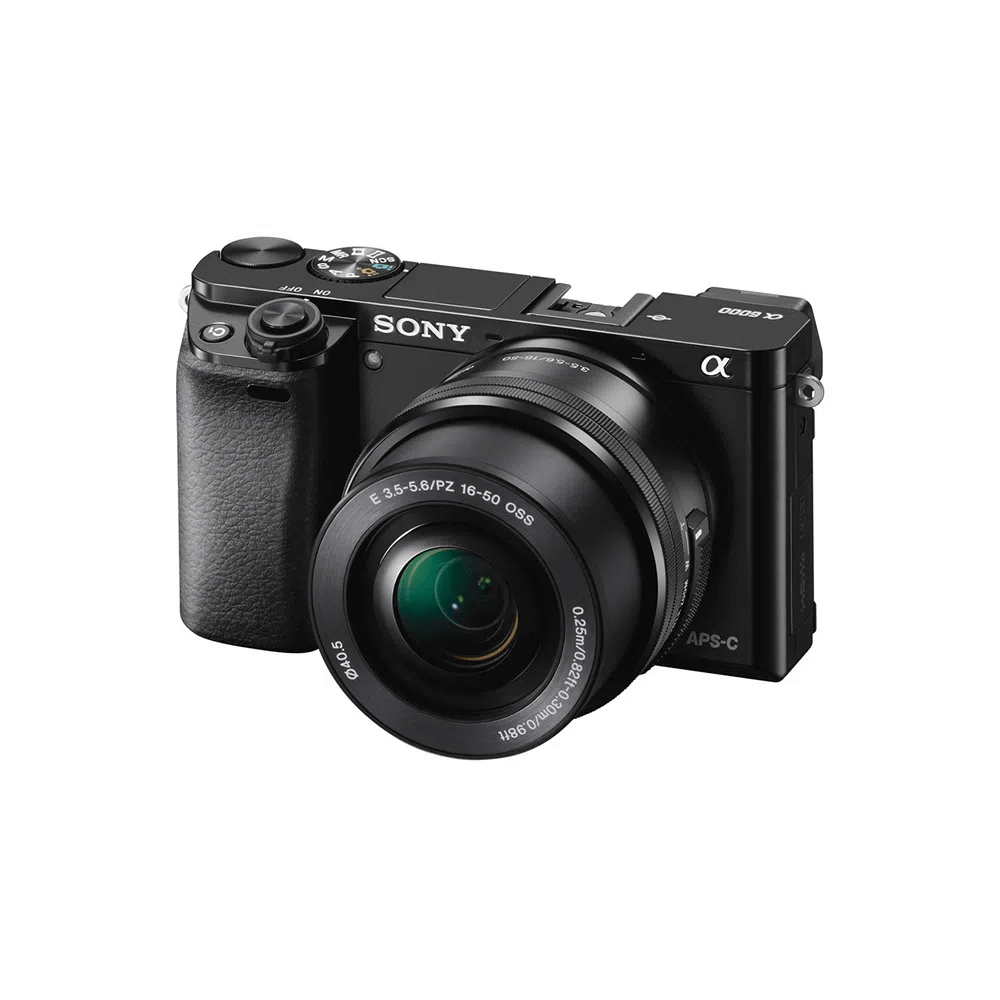
10. Sony Alpha A6000.
This could be the best-selling compact mirrorless camera since its introduction in 2014. With a 24.3-megapixel Exmor APS HD CMOS sensor and Bionz X processor, it achieves seven times the sensitivity of the Japanese company's NEX-7 series, with an ISO range from 100 to 25,000 and a burst of 11 frames per second. It features a 3.0-inch flip-up screen with viewing angles of up to 90 degrees.
Unfortunately, with the use of smartphones, this camera can only process 24 frames per second video at 1080p resolution. This camera will be able to be mirrorlessThe camera has an electronic viewfinder that makes use of an OLED screen that displays 100 percent of the sensor. Another advantage is that, via HDMI connection, you can capture video at a high transfer rate in case its incredible Blu-Ray quality selection doesn't satisfy you when it comes to shooting video. It is compatible with any Sony proprietary E-mount lens.
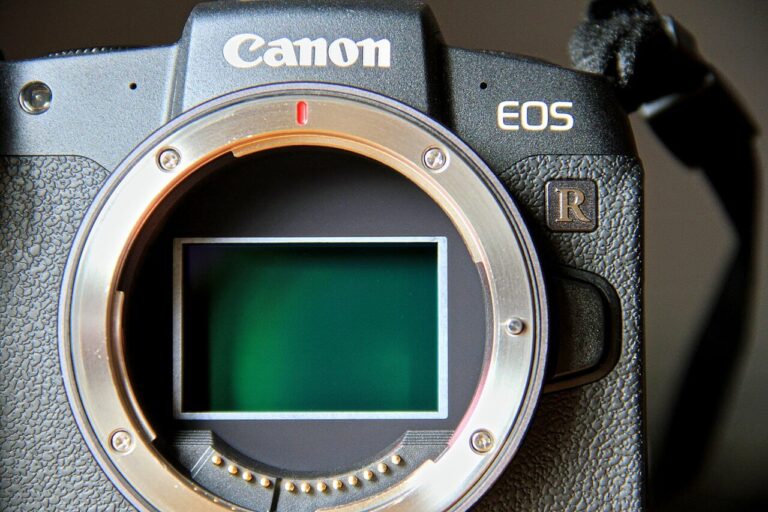
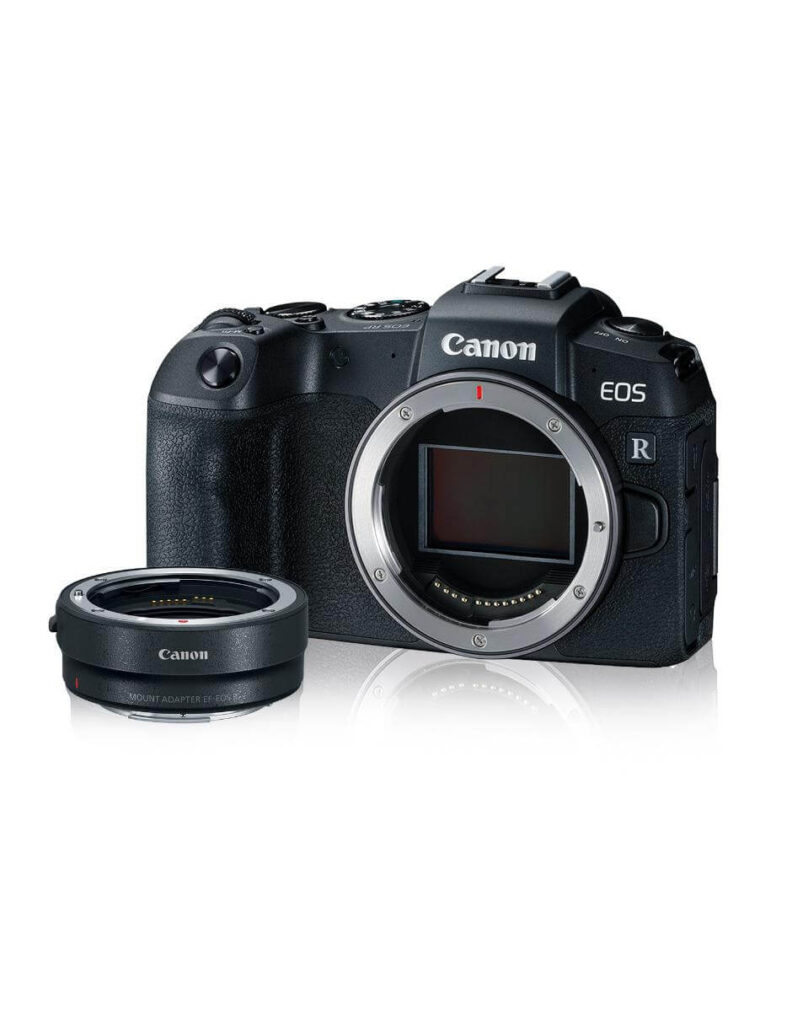
9. Canon EOS RP.
Since its launch in February 2019, Canon provided, for the first time, the camera. mirrorless more compact full photographer or full frameThe EOS 6D Mark II has a sensor equivalent to the 35mm sensor of the classic 3:2 film format with 26.2-megapixel CMOS technology and an 8th generation DiGiC processor. Equivalent to the EOS 6D Mark II model, this version weighs only 440 grams; it features a 3-inch touchscreen and 4K video recording at 24 frames per second and continuous shooting at 5 frames per second.
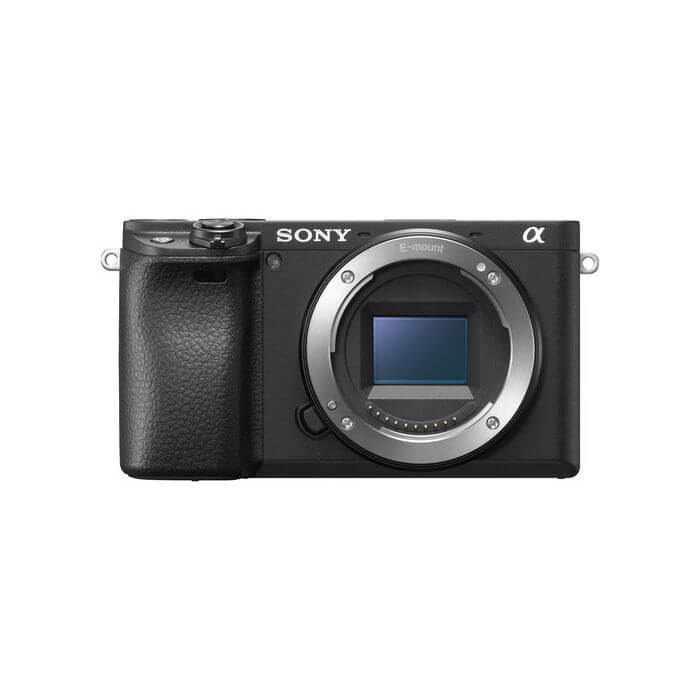
8. Alpha A6400, by Sony.
It is an update to Sony's 2014 release. This version, incorporates a touch screen, Wi-Fi, NFC and Bluetooth connectivity. Approved by Apple to work with Final Cut Pro. It records video at an average rate of 100 Mbps and 35mm format -larger than 4K- at 30 frames per second.
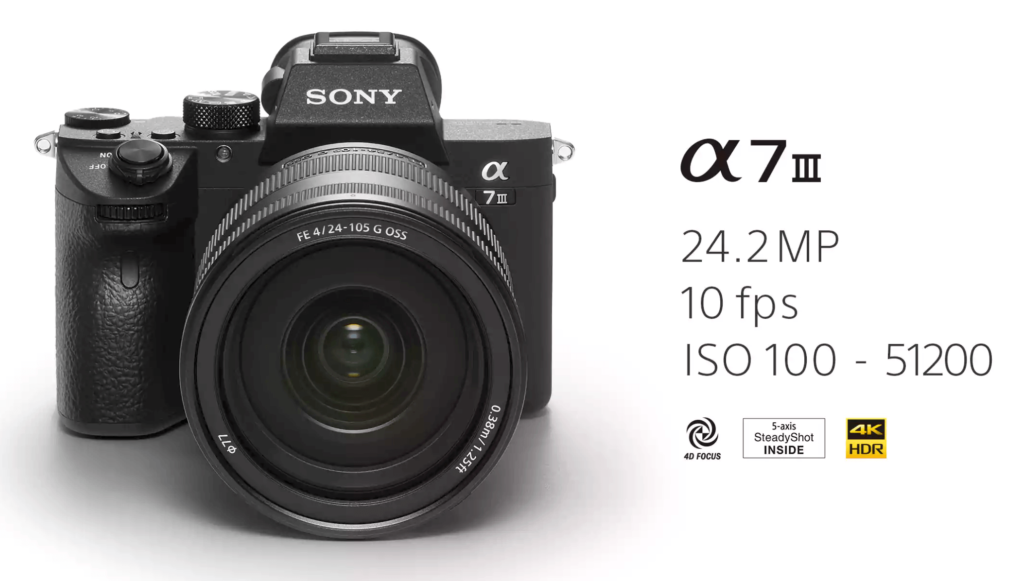
7. Sony Alpha A7 III.
Sony's a7 series is perhaps the current benchmark for compact interchangeable lens cameras. Launched in 2018, the "base" model features a full-frame sensor -full frame- Exmor R, 24.2-megapixel Bionz X that achieves 10 frames per second in a single shot and whose 5-axis stabilization is on the sensor and not on the lens, an ISO sensitivity of 100 to 51,200. 693 focal points. 4K recording at 30 frames per second with standard H.264 encoding and HDR-HLG.
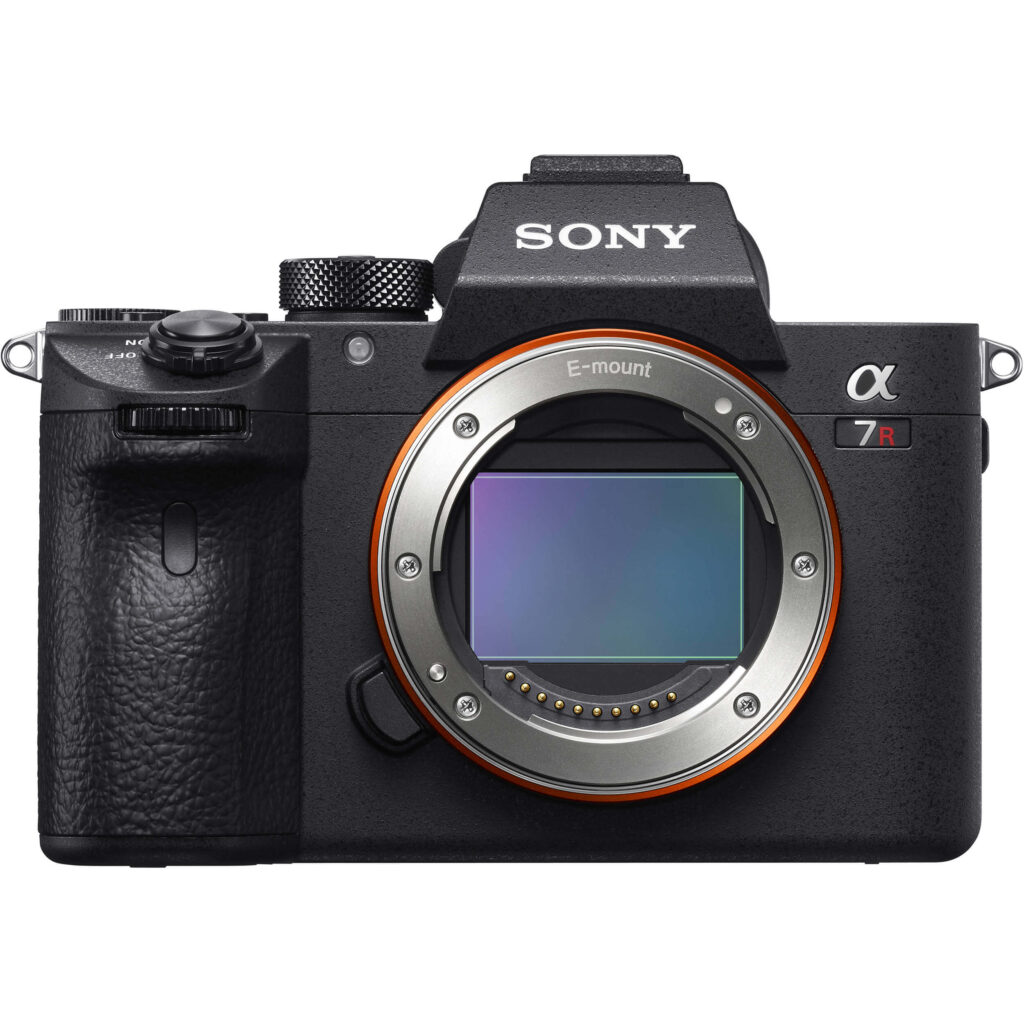
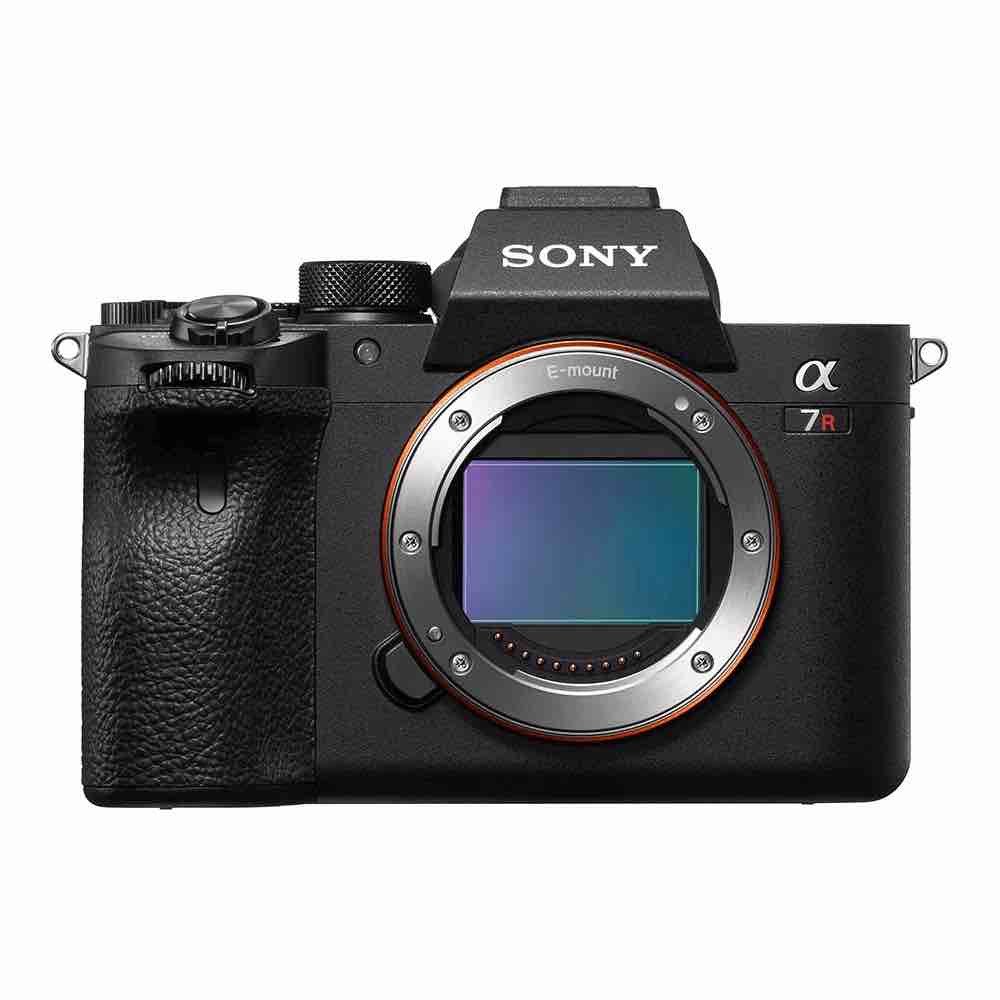
6. Alpha A7R III, by Sony.
If only we were talking about another manufacturer, or at least another series. However, the a7 line - and its variants - dominate sales in full-frame, interchangeable-lens compact cameras. With a sensor that promises double that, 42.2 megapixels, the novelty of its sensor is that it's back-illuminated, so in challenging light conditions it can capture up to 10 images per second in a single shot and 76 in a continuous shot. ISO sensitivity ranges from 50 to 102,400. There are no improvements in terms of video encoding.
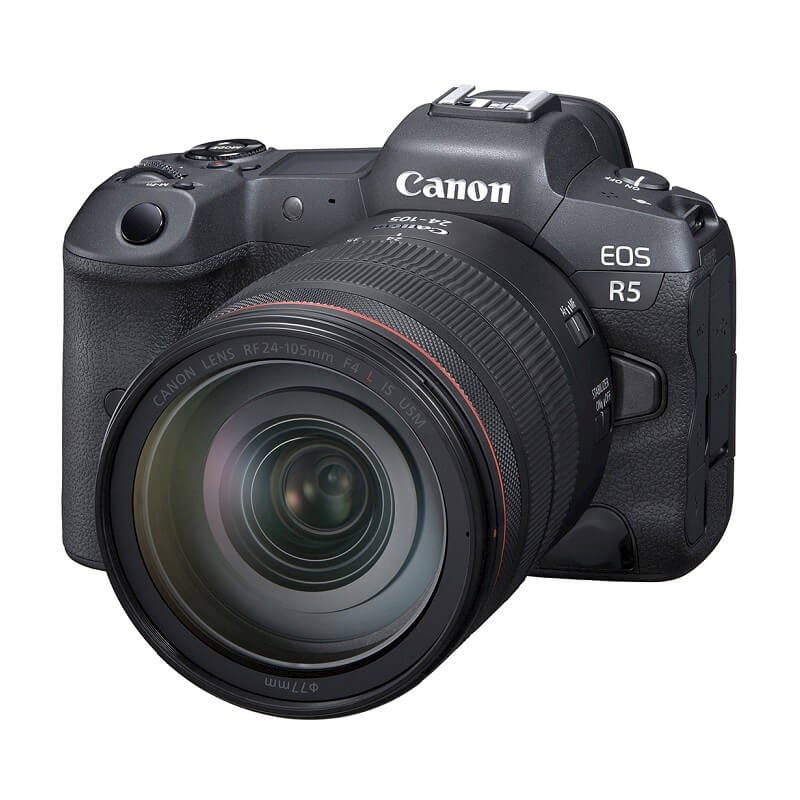
5. Canon EOS R5.
Canon is also one of the manufacturers leading several places on this list. This camera, in particular, stands out for its 8K video recording at 60 frames per second with 35mm equivalent resolution and a 45-megapixel full-frame sensor with 1,53 thousand 53 autofocus zones that can shoot up to 12 frames per second and 14-bit color depth.
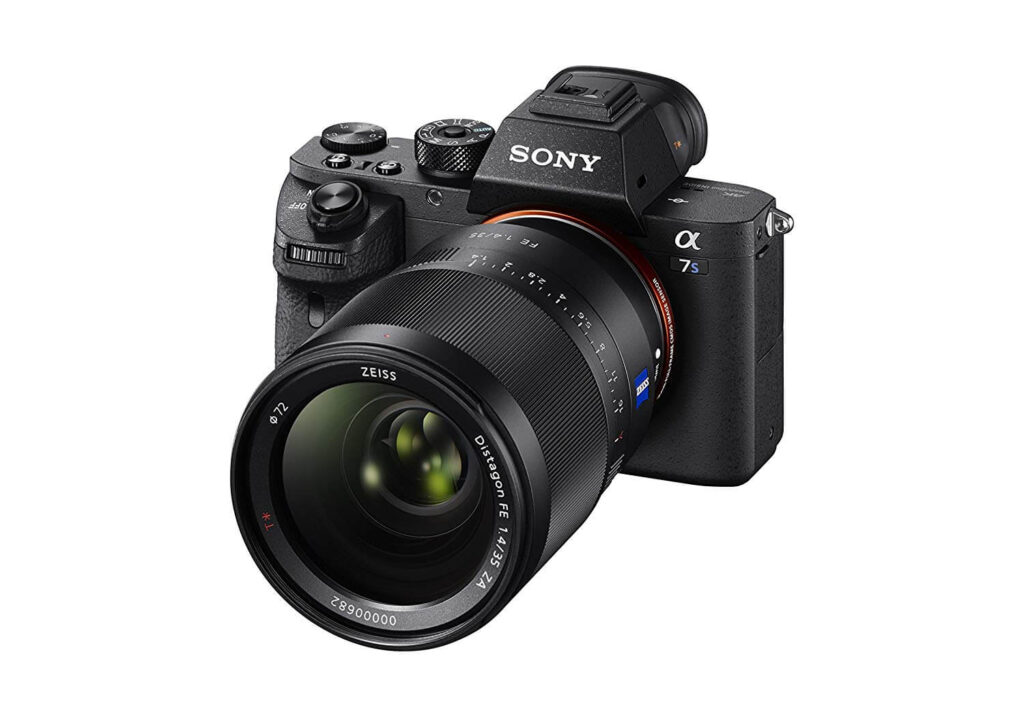
4. Sony Alpha A7S III.
Sony is proud to present the new Sony Alpha 7S III capable of recording 4K video at 120 frames per second as a major feature. This is made possible by its new H.265 encoding; however, Sony has ditched standard storage and opted for CFexpress instead. It features a 12.1-megapixel full-frame sensor for high dynamic range and high sensitivity, resulting in an ISO sensitivity of 80 to 102,400 for stills and up to 409,600 for video. It promises impressive 16-bit color depth output via HDMI, but falls short in its first-generation HGL HDR mode and RAW stills with a proprietary Sony file type.
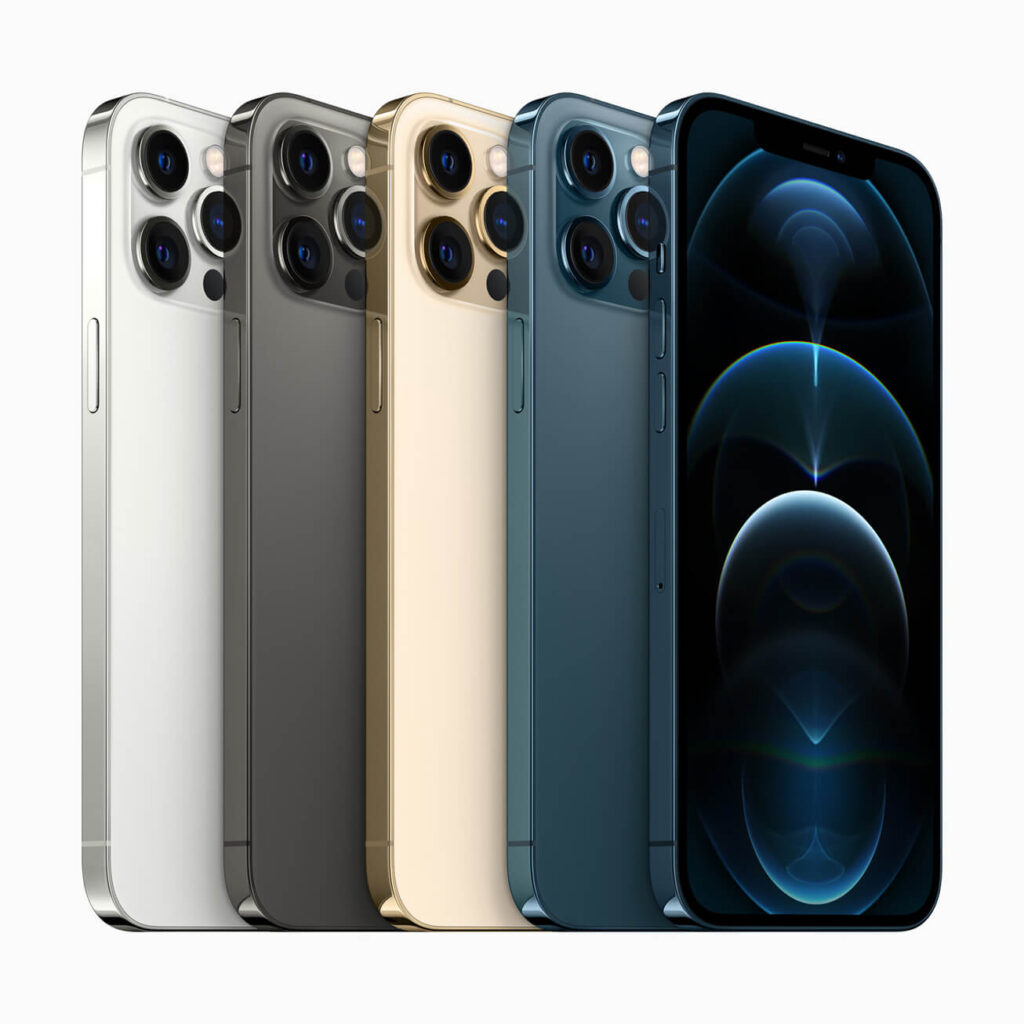
iPhone 12 Pro Max
"The best camera is the one you carry with you"; in this day and age, this phrase takes on more relevance when it comes to having the best camera within reach of your pocket. While the iPhone isn't a camera with interchangeable lenses, for over four years now, Apple has been making sure you carry not just one camera with you, but three.
The latest-generation iPhone has three 12-megapixel iSight cameras, with each pixel being 1.7 µm - creating 63-megapixel panoramic photos - plus the LiDAR scanner that "measures an object by calculating the time it takes for light to reach it and return, then creates a depth map of space"; in short, the iPhone measures the depth of objects even in complete darkness.
The processor that controls the cameras in the iPhone 12 Pro Max is also the fastest on the market and is at least years ahead of processors from Nikon, Sony, Canon and all Android devices: the A14 Bionic.
The iPhone Pro Max features stabilization from its sensor - it can move up to 5,000 times per second. It is also the only camera that, due to its flash storage speeds -limited in other cameras to SD card speeds-, is capable of capturing hundreds of photos per second, video recording in 4K resolution at 60 frames per second, the only one with third-generation HDR Dolby Vision certification, superior to HDR-10 and HDR-HGL second and first generation of Sony cameras. Next-generation H.265 encoding - which produces higher quality, smaller file sizes - and sampling rates in excess of 400 Mbps, achieved with specialized video recording applications. And photo capture with 12-bit color depth thanks to Apple's ProRAW format, which translates to 14-stops of dynamic range.
It features a 6.7-inch multi-touch display with a pixel density of 458 pixels per dot capable of reproducing a wide range of P3 colors. It has Wi-Fi 6 connectivity - all Wi-Fi enabled cameras mentioned above have Wi-Fi 4 - Bluetooth 5.0, NFC and 5G cellular connectivity.
2. Sony Alpha A7R IV.
It was named Camera of the Year 2020 by Japan's Camera Grand Prix 2020. And no wonder, it features a 61-megapixel full-frame back-illuminated CMOS sensor and 5-axis stabilization. A RAW output via HDMI with 14-bit color depth. It has two standard memory slots. This camera incorporates a new Sony technology called Eye AF, which tracks the eye on animals to adjust its focus even if the animal is moving, such technology can also be applied for portraits.
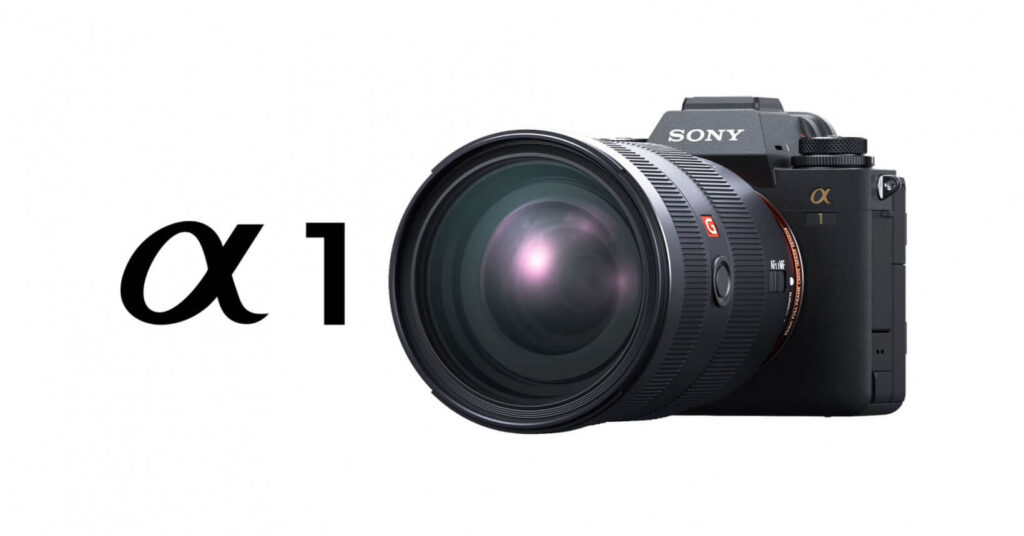
1. Alpha A1, by Sony.
"The chosen one", acclaims Sony. This model is chosen to head the top "mirrorless" cameras 2021. Although it is not on sale yet, it is expected to arrive from March. It has a 50-megapixel sensor, a shooting speed of 20 frames per second. It can shoot 199-megapixel images with a repeat of 16 images in a single shot. Its electronic viewfinder reaches a frame rate of 240p.
To move that amount of pixels it uses the latest generation Bionz X processor that moves the Exmor RS sensor, also of the latest generation. It allows bursts of 30 full frames of 50.1 megapixels. It features 5-axis optical stabilization from the sensor. It is able to adjust its focus by following even the eye of a bird in flight.
It promises 8K recording at 30 frames per second and 4K recording at 120 frames per second; however, if you choose 4K recording at 60 frames per second, a sampling rate of 600 Mbps is achieved. The point to note is that its HDR mode is still HLG; however, it compensates with a RAW output via HDMI with 16-bit color depth, "easily," Sony says.
San Mateo County District Attorney Stephen M. Wagstaffe on Thursday urged San Mateo County residents to be on the lookout for COVID-19 vaccine distribution scams.
And that's because, he said, fraudsters may try to exploit the uncertainty and anxiety associated with emergencies like the COVID-19 pandemic to take people's money or steal their identities.
The scams, so far detected by county authorities, include someone offering, for a fee, to place you in a group of people who are already being vaccinated so they can also receive the immunization.
Also, try to sell you a spot on the waiting list for the COVID-19 vaccine, or try to sell it to you through websites, social media, or by knocking on your door.
Receiving calls, text messages or emails about the vaccine, where a person asks you for personal or financial information, is also part of the strategies used by these types of scammers.
In view of the latter, the authorities request that NEVER share information such as your social security number, bank account or credit card.
Another form of quackery is all those advertisements for bogus vaccines or "miracle cures" using vitamins or other dietary supplements, which are promoted by scammers even though they have not been proven to work.
The U.S. Food and Drug Administration (FDA) has sent warning letters to many companies for selling products that claim to prevent, treat or cure COVID-19.
The county also states that if a doctor, health care clinic, pharmacy, or so-called county health program, which is not well known in your area, offers you a vaccine, "think twice and consult your doctor"..
"Residents and businesses can protect themselves from becoming victims of COVID-19 scams by relying on vaccines and other medical information only from trusted sources, such as their personal health care providers and county, state and federal public health officials," San Mateo County said in a statement.
It is important to know that if you want to report a COVID-19 scam in San Mateo County, you should contact the District Attorney's Office at (650) 363-4651, https://da.smcgov.org/consumer-and-environmental-protection or your local police department.
It should be emphasized that the use of masks, social distancing and frequent hand washing remain important in combating the spread of the COVID-19 virus.
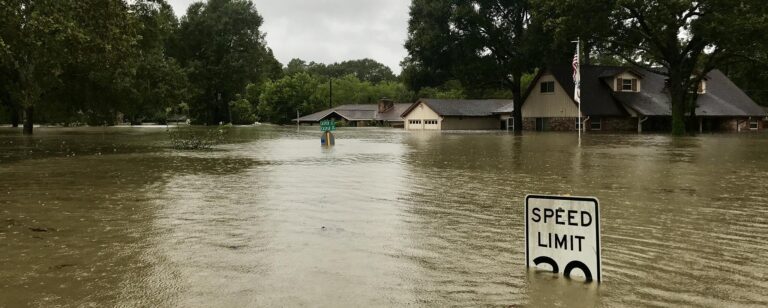
The National Weather Service (NWS) in San Francisco issued a flood warning for possible flooding near Carmel Lagoon and Carmel River State Beach due to heavy rains that are causing the Carmel River to rise rapidly. He added that an extra one to two inches of rain is possible in the warned area. He called on residents to turn back if they encounter flooded roads, as most flood deaths occur in vehicles, and suggested staying away from the area and avoiding riverbanks and culverts, which tend to become unstable and unsafe places. The NWS in San Francisco said rain will continue throughout the Bay Area region, mainly in the south and central coast, while scattered showers have appeared over the ocean and will move into the North Bay and San Francisco, so rainy conditions are forecast for much of Thursday.
After several tests in experimental laboratories in France and the U.S., it was shown that plitidepsin, an antiviral drug produced by the Spanish company PharmaMar, could reduce SARS-CoV-2 viral loads by up to 99 percent.
According to a publication presented Monday in the journal Science, in vitro and in vivo experiments that have already been conducted in animals with this drug, used as an antitumor, have shown promising antiviral efficacy and toxicity profile.
Thus, the authors of the study have concluded that plitidepsin is "by far" the most potent compound discovered so far against SARS-CoV-2, so they have proposed that the drug should be tested in expanded clinical trials for the treatment of COVID-19.
Similarly, they have determined that "the antiviral activity of plitidepsin against SARS-CoV-2 occurs through the inhibition of a known target -the eEF1A-" and have ensured that the drug has demonstrated, in vitro, a strong antiviral potency compared to others against the virus, and also with limited toxicity.
The assay, conducted in two different types of animals, demonstrated a reduction in viral replication, with a 99 percent decrease in viral loads in the lung of plitidepsin-treated specimens.
And while toxicity is a concern with any antiviral targeting a human cell protein, the safety profile of plitidepsin is well established in humans, the paper notes.
The researchers also noted that the well-tolerated doses of this drug used in the COVID-19 clinical trial are even lower than those used in these experiments.
In this sense, the publication concludes that plitidepsin acts by blocking the aforementioned protein -a eEF1A-, which is present in human cells, and which is used by SARS-CoV-2 as a vehicle to reproduce and infect other cells.
"We believe that our data and the initial positive results from the PharmaMar clinical trial suggest that plitidepsin should be strongly considered for expanded clinical trials for the treatment of COVID-19," the researchers said.
In the same note, the Spanish company stressed that the group of researchers who reached these conclusions, was the first to draw a comprehensive map of the genome of COVID-19 and to discover that the virus interacts with 332 proteins in human cells.
The Spanish biopharmaceutical company PharmaMar is currently in negotiations with various regulatory bodies to commence Phase III trials of the drug.
Over the past three decades in the U.S., flood damage due to climate change has cost the country $73 billion, and it will continue to rise as long as we don't do what is necessary to help the environment.
So said a study funded by Stanford University, which details that climate change accounts for one-third of the estimated $199 billion in losses generated by flooding in the country between 1988 and 2017.
"If we apply the empirical analysis to historical rainfall and flood damage, we estimate that about one-third - 36 percent - of the cost of flood damage between 1988 and 2017 is the result of historical changes in rainfall," the paper refers.
The study, which used more than 6,600 state-level flood damage reports to quantify the historical relationship between rainfall and flood damage in the U.S., says that human impact on the environment has increased the likelihood of exceeding precipitation thresholds, which are responsible for most flood damage.
In that sense, he points out that climate models project a continued intensification of wet conditions over the next three decades, although a trajectory consistent with the objectives of the Paris Agreement of the United Nations Organization (UN) significantly slows that increase.
"Given the importance of assessing the costs of climate change against the costs of mitigation options, empirical quantification of losses due to changing natural hazards provides critical information to assist in policy and decision making," he says.
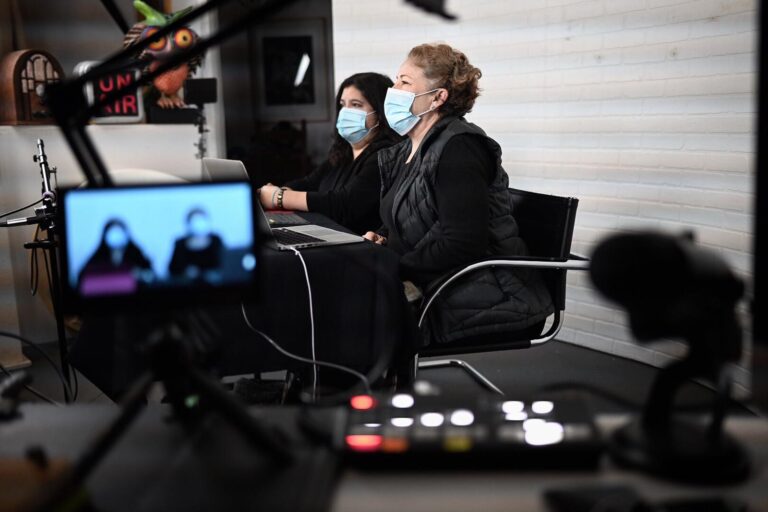
La Voz de Nuestras Raíces is a program aired every Wednesday in production by Peninsula 360 Press. Hosted by Iris Merle and Verónica Martínez Escámez, La Voz de Nuestras Raíces discusses a topic of general interest that crosses the culture and society of events that have marked important milestones for the history of mankind.
Join the conversation and follow Casa Círculo Cultural at Twitter and Facebook every Wednesday, at 1 p.m. (PST).
In the style of the fictional series "Black Mirror", Microsoft has patented a technology, created by its developers, which would make it possible to have a virtual conversation with a person who has died, or so it is believed.
The patent, filed with the U.S. Patent and Trademark Office, details a method for creating a "chatbot" to converse with a specific person: a "past or present entity ... such as a friend, family member, acquaintance, celebrity, fictional character or historical figure."
In theory, the tool would make it possible to chat about music with David Bowie, or politics with Winston Churchill. However pregnancy, this technology will not see the light, at least for the moment, because the company does not plan to turn the technology into a real product, CNN said in a news release.
Microsoft's general manager of artificial intelligence programs, Tim O'Brien, said in a tweet last Friday, "confirmed there is no plan for this."
According to the patent, the tool would select "social data" such as images, social media posts, messages, voice data and written letters from the chosen person, which would be used to train a chatbot to "converse and interact in the specific person's personality."
These interactions could also rely on external data sources, in case the user asked the bot a question that could not be answered based on the person's social data.
"Conversing about a specific person's personality may include determining and/or using the specific person's conversational attributes, such as style, diction, tone, voice, intent, sentence/dialogue length and complexity, topic, and coherence," as well as using behavioral attributes such as interests and opinions and demographic information such as age, gender, and profession, the patent states.
Similarly, in some cases, the tool could even be used to apply facial and voice recognition algorithms to recordings, images and videos to create a tone and a 2D or 3D model of the person to enhance the chatbot.