

Tuesday, June 16, 2026
Home Blog Page 185

Farmworkers face uncertain future as they age in the United States

Farmworkers face uncertain future as they age in the United States
In California, the average age of agricultural workers is 41 years old, which means that there are workers who are 60, others 62 or older, and they continue working in the fields harvesting vegetables, with salaries that are not sufficient to guarantee a retirement.

Many farmworkers who come to the United States from other countries face appalling living conditions, for example sharing a living space with 10 to 15 people. In addition, their income is not sufficient to provide for a retirement, funeral or medical plan, leaving older people helpless.

Agricultural workers are not valued by the employer and are considered "disposable," said a 71-year-old man who has worked 38 years of his life in the fields to Manuel Ortiz during the program Península 360 Radio, in collaboration with Marcos Gutiérrez of "Hecho en California“.

"We ask that we be valued, we are the ones who leave our 'skin' and blood on the wire, as the saying goes. Here the boss really doesn't value us, when you grow up they don't give you work anymore, here we are disposable.”, said the farm worker who preferred to remain anonymous.

On this subject, The New York Times published an article called “Retirement without a safety net: The plight of America's aging farmworkers”, Of which, Anna Lee Mraz, sociologist and CEO of Peninsula 360 Press, commented that it addresses how migrants who have worked for years on American farms, when they are reaching retirement age, face a difficult life without Medicare or social security.

The article tells stories of different farmers from Florida, California, and other states, where similarities were noted, for example: currently there is a decrease in workers due to the danger they face in reaching the United States, it indicates that the number of people who come to work in the fields has decreased by an average of 150 thousand per year.

This is mainly due to the barriers that have been imposed at the border, to the point that many workers who decided to stay since 2006 are now aging and creating a community of older people.

In California, the average age of agricultural workers is 41 years old, which means that there are workers who are 60, others 62 or older, and they continue working in the fields harvesting vegetables, with salaries that are not sufficient to guarantee a retirement.

The average salary of farm workers in the United States is $14.62, around $20,000 a year, which prevents them from covering other expenses, while their access to health care is limited, so any medical service is at their own expense.

"This article highlights that the few savings that the workers have are being saved for their funeral expenses. There is even a lady who mentions: I will surely die in the countryside and she has her savings there so that they can bury her., added Anna Lee Mraz. 

In California, Oregon and Washington, undocumented farmworkers are entitled to health care and overtime pay. But most states offer them no benefits.

For decades, retirement was not an issue — farmworkers would cross the U.S.-Mexico border for the harvest and then return home until it was time to start the next season again. But this kind of circular migration became increasingly risky and costly as successive U.S. presidents, starting in the 1990s, implemented barriers, placing technology and agents along the border to stem illegal entries.

In the article of The New York Times, it is stated that In interviews last year in California, Oregon, Georgia and Florida, many workers said they had no retirement plan and needed to work to make ends meet.

In most cases, workers pay income taxes by filing tax returns, but this is not enough to benefit them, as more than 40 percent of the country's farmworkers do not have legal immigration status, according to estimates by the Department of Agriculture.

Farmworkers in 2020 earned an average of $14.62 per hour, according to the Economic Policy Institute.

There is an H-24 visa program for seasonal agricultural workers in the country, so they can come to work and return to their country each season, however, this type of contract does not apply to a retirement plan either.

In addition to not having access to or the possibility of having sufficient income to plan for retirement and a peaceful future, they face very deplorable housing conditions, where 10 or 15 people live in the same house, sharing a bathroom, kitchen and other common areas; the employers do not support the maintenance of these spaces, much less provide them with amenities.  

Manuel Ortiz commented that Península 360 Móvil, a studio on wheels, reaches vulnerable communities such as those of farmers, and as part of its projects it has worked with farmers in the Pacific coast area such as Half Moon Bay, among other places, seeking to reach rural communities, which are the least served, and will be traveling to Northern California, to continue telling their stories.

Manuel Ortiz explained that “the fields in California are the most difficult to access. It seems that the workers live in concentration camps. As soon as you set foot in the field with a camera, the bosses immediately attack you, because they do not want to expose the working and living conditions of the peasants.”.

He added that it is very complicated to document what happens in agricultural fields and very difficult to gain people's trust, but he is working to create a relationship of friendship as happens in community journalism.

The farmers are very afraid to talk, when you approach the farmers, they will say that they are fine, that everything is fine and that they are better than in other places, said Manuel Ortiz. However, he added that as you go deeper and gain confidence, they really tell you how things are.

Manuel Ortiz said that, in a meeting he had with people from Mexico and other countries who are in the United States, someone said that after spending 2 or 3 years in the United States, Mexicans have few economic problems being on “this side.”

"I commented that it depends on which community we are talking about, because the peasants who are the ones who work the most, can be like the man interviewed, who after 38 years of working lives in very deplorable conditions., added Manuel Ortiz, while highlighting that very little is known about this topic.

Finally, Anna Lee Mraz He commented that on one of his visits, he had the honor of entering a house to heat tortillas, a place where 15 people live, where the joints between the roof and the walls could be seen tilted, which puts them at risk: "Homeowners should pay more attention to the living conditions of their workers.


 You may be interested in: Trees and parks add longevity to the most vulnerable communities

Low-interest loans offered to small businesses impacted by salmon season closure

companies impacted by closure of salmon season
Federal loans are available in 31 California counties for small businesses impacted by salmon season closures.

By Bay City News.    

Low-interest federal loans are now available in 31 California counties to assist small businesses affected by the decision to cancel this year's commercial Chinook salmon season.

The Pacific Fishery Management Council canceled the 2023 fishing season in April, and on Nov. 29 the U.S. Small Business Administration declared a disaster, allowing the government to offer financial assistance to small businesses that have suffered economic hardship as a result of the cancellation.

“Sonoma County small businesses that rely on salmon fishing for their livelihood were devastated when the fishery was closed,” said Sonoma County Supervisor Lynda Hopkins. “This disaster declaration will provide loans to these local businesses to help them recover.”

Loans with a 4 percent interest rate are for small businesses, while there are 2.375 percent loans for private nonprofit organizations.

The loans have terms of up to 30 years and are restricted to small businesses without the financial capacity to offset the adverse impact without hardship, according to Sonoma County officials.

Business owners are encouraged to schedule an appointment at a California Small Business Development Center for free recovery guidance. Individuals can visit https://www.californiasbdc.org/find-your-sbdc/ to do it.

Disaster loan applications can also be found online by visiting SBA.gov/disaster and business owners can also call (800) 659-2955 or email disastercustomerservice@sba.gov for more information about SBA disaster assistance.  

The application deadline is August 29, 2024.

You may be interested in: Protect your money from new forms of scams and know the risk of cryptocurrencies

Santa Clara County and SJ Earthquakes Partner to Build Soccer Fields at Fairgrounds

Santa Clara County and SJ Earthquakes Partner to Build Soccer Fields at Fairgrounds
The San Jose Earthquakes soccer team is partnering with Santa Clara County and the City of San Jose to build new soccer fields at the Fairgrounds.

By Thomas Hughes. Bay City News.

The San Jose Earthquakes soccer team is partnering with Santa Clara County and the City of San Jose to build new professional soccer fields and a training facility at the County Fairgrounds.

The plan was announced at a news conference at the fairgrounds on Wednesday with city and county elected officials and representatives of the Earthquakes, who detailed a plan to install eight fields that could be shared by the Major League Soccer team and the public.

Earthquakes midfielder Edwyn Mendoza, 17, said the fields will give young people in the community the opportunity to train alongside professionals and see their practice routines up close.

“I grew up in San Jose, so this facility will be a game-changer, not only for the Earthquakes players, but also for the kids in my community who have a great time playing the sport they love,” Mendoza said. 

“For them, having the opportunity to play on courses right next to the professionals they admire will serve as a visual reminder that they can follow their dreams and make them a reality one day,” he added.

The proposal would have the county lease 30 acres at Umbarger and Monterey roads. Four public fields would be built on 16 acres, the team would lease the other 14 acres and build a 35,000-square-foot training facility that will house locker rooms and weight rooms, a dining hall, a theater, a medical treatment center, offices and more.  

Santa Clara County Supervisor Cindy Chavez, who spearheaded the project, said at the news conference that the new fields would further connect the community to the fairgrounds as a public resource.

“Putting this project here is very important because it shows the public that this area really belongs to everyone and the neighborhood that surrounds this community, how important it is to have recreation that is safe and healthy for our children,” Chavez said.

San Jose Mayor Matt Mahan said finding fields for youth teams to play on is a persistent challenge in the city, and that up to 50 fields would have to be built to meet demand.

“This is a community resource that is desperately needed in San Jose,” Mahan said. He said he hoped the facility would become a regional destination for youth soccer and for residents to enjoy the sport.

Earthquakes head coach Luchi Gonzalez took time to run heading drills with some of the kids who attended Wednesday's event. He said the team was committed to training and recruiting local players.

“I have worked across the country, and as soccer continues to grow in the United States, I have witnessed firsthand how important it is for community fields to be connected to their local professional clubs,” Gonzalez said.

San Jose City Councilmembers Dev Davis, Bien Doan, Peter Ortiz and Omar Torres also attended the news conference, along with Santa Clara County Supervisor Susan Ellenberg and Earthquakes President Jared Shawlee.

The team, county and city have until October 2024 to finalize negotiations for the project under an agreement reached in April.

You may be interested in: Trans students will be able to play on teams that align with their gender identity: Biden proposes

Palo Alto to test emergency alert system

Emergency alert system to be tested in Palo Alto
Authorities announced that a test of the emergency alert system will be carried out in Palo Alto next Thursday, December 14 at noon.

The City of Palo Alto announced that it will conduct a test of its emergency alert system on Thursday, December 14 at noon to ensure that residents who have signed up receive emergency notifications as defined in their account settings. 

According to a statement from the city, the test is also intended to raise community awareness about the city's emergency alert system, as only one-third of Palo Alto residents are currently registered to receive such alerts.

The City uses AlertSCC, a Santa Clara County emergency notification system used by all cities in the county, to alert the public about floods, wildfires, or other public safety events. 

The alert system is an approach used to communicate and keep the public informed during an emergency to share the community's impacts and risks to public safety.   

AlertSCC is free to everyone and quick and easy to set up, with users able to select whether alerts are sent directly to their mobile device, landline and/or email address. 

To register for the city's emergency alert system, interested parties can visit the site www.alertscc.com.   

The City of Palo Alto said it plans to conduct a test of the emergency alert system annually each December. The emergency notification will indicate that the message is only a “test.” If you already have an account, you will receive the “test” alert as a call, text message, and/or email message, depending on your account preferences. 

Local officials asked that people refrain from calling the city's 24-hour dispatch center (either 9-1-1 or (650) 329-2413) after testing to ask questions or obtain additional information. 

“Our public safety dispatchers are not involved in this test and have no way to control their alert preferences,” they said.

In addition to Palo Alto's emergency alert system, there are other ways for the community to stay informed before, during and after an emergency, public safety incident or other event that poses a risk to the public safety of residents.

These include: 

You may be interested in: Bay Area health officials call for action to stay healthy during the holidays

Dog dies in house fire near Redwood City

Dog dies in fire near Redwood City
Puppy dies in house fire near Redwood City, according to the Menlo Park Fire Protection District.

By Bay City News

Un perro murió en un incendio en una casa cerca de Redwood City la madrugada de este miércoles, según el Distrito de Protección contra Incendios de Menlo Park.

Crews responded at 12:50 p.m. to a fire reported at 560 Beresford Ave., a home in an unincorporated part of San Mateo County.

Las llamas estaban inicialmente en la terraza trasera de la casa, pero se extendieron al interior. Todos los residentes escaparon ilesos y los bomberos impidieron que el fuego se propagara a las casas adyacentes, pero el perro de la familia murió, dijeron funcionarios del departamento de bomberos.

La causa del incendio está bajo investigación. Los funcionarios del departamento de bomberos dijeron que la propiedad estaba valorada en 3.2 millones de dólares y que el incendio causó daños por más de 1.2 millones de dólares.

You may be interested in: San Mateo County Sheriff's Office announces therapy dog program

Supervisors present resolution for sustained ceasefire in Gaza

San Francisco Supervisors Dean Preston and Hillary Ronan Introduced Resolution for Gaza Ceasefire
San Francisco Supervisor Hillary Ronan cried while speaking on behalf of a resolution for a ceasefire in Gaza, December 5, 2023 (SFGovTV)

By Ruth Dusseault. Bay City News.

Fighting back tears as they spoke Tuesday, San Francisco Supervisors Dean Preston and Hillary Ronan introduced a resolution calling for a ceasefire in Gaza, joining the cities of Richmond and Oakland in publicly condemning the conflict.

The resolution calls for a sustained ceasefire, an influx of humanitarian aid, the release of all hostages and the condemnation of anti-Semitism, Islamophobia and anti-Palestinian hatred.

Since the Hamas attack on Oct. 7 that killed more than 1,200 Israelis, more than 15,000 Palestinians have been killed and an estimated 1.7 million have been displaced, according to the United Nations Relief and Works Agency.

Preston said he intended to add the city's voice to the chorus of international human rights and humanitarian organisations, countries, cities, trade unions and city residents calling for an end to the violence, destruction and death taking place abroad.

His performance was followed by 40 seconds of applause and cheers from a packed room. Audience members shouted, “You got it, Dean!” as he struggled to speak.

“Just this morning I heard from a Palestinian-American friend here in San Francisco who informed me…” Preston said, pausing to wipe away tears. “Seven more members of my family have been killed overnight, and at least 100 have already been killed since October 7. Meanwhile, Jews are still in shock because the October 7 massacre fulfilled the worst fears and nightmares of so many of us.”

Ronan was equally passionate.

“I must, I must! It is in my blood,” she said, recalling seeing the numbers tattooed on the forearm of her great-uncle as a child, who survived Auschwitz. “I must speak out against the overwhelming killing of innocent lives in Gaza, including nearly 7,000 children.”

“The resolution doesn’t actually condemn anyone,” said Samer Araabi of the Accountability Council, a nonprofit that helps small communities affected by international development projects. He spoke ahead of the meeting on behalf of the Arab Resource and Organizing Center.

“Ceasefires require a high degree of cooperation, so they lead to a kind of mutual trust-building process that allows for de-escalation,” said Araabi, who studied ceasefire dynamics at the London School of Economics.

Passionate public comments came from a variety of community groups and members of San Francisco’s Palestinian and Jewish community who wanted the resolution adopted. Many wore T-shirts reading “Cease Fire Now” and “Jews Say Stop.”

“When elected leaders join the call for peace, the city becomes safer for everyone,” said one Palestinian speaker.

You may be interested in: Activists will demonstrate this Saturday in SF to demand a ceasefire in war between Israel and Hamas

High School Rodeo: Antidote to Bullying in Rural Northern California

By Peter Schurmann. Ethnic Media Services. Translation by Pamela Cruz.

High school rodeo participants say the patience and courage that comes with caring for and training horses can help curb the impulses that lead to bullying.

High School Rodeo: Antidote to Bullying in Rural Northern California
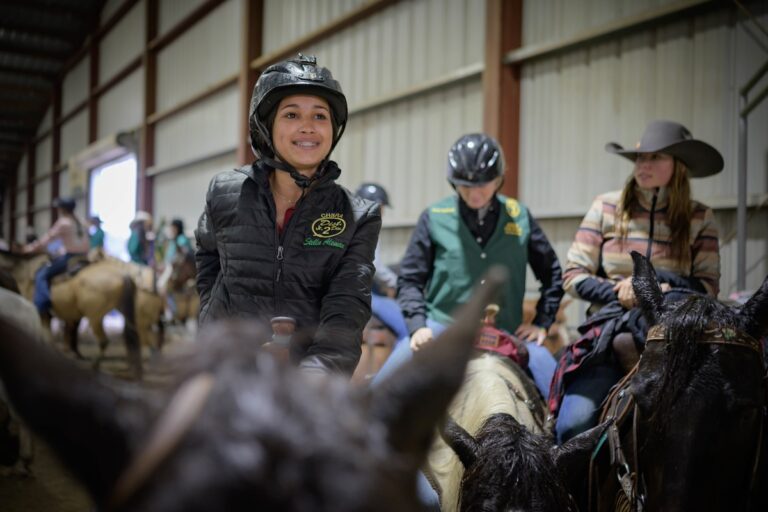
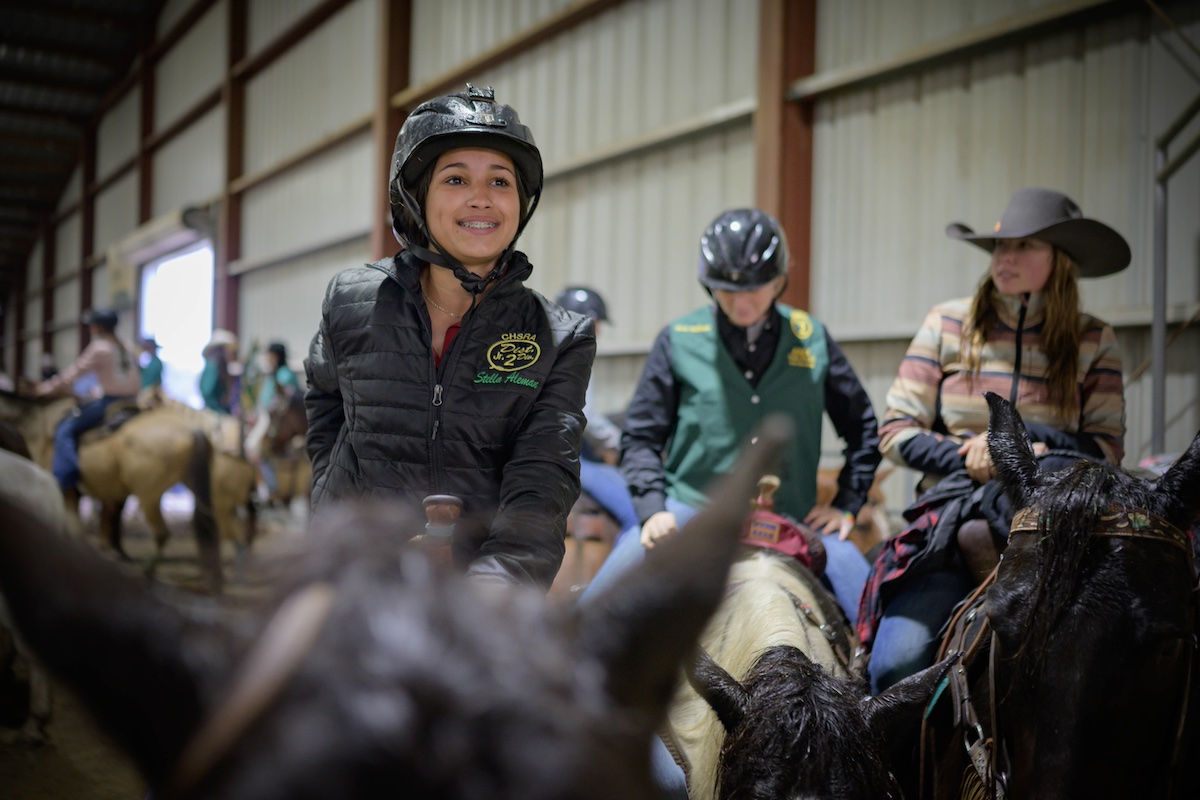
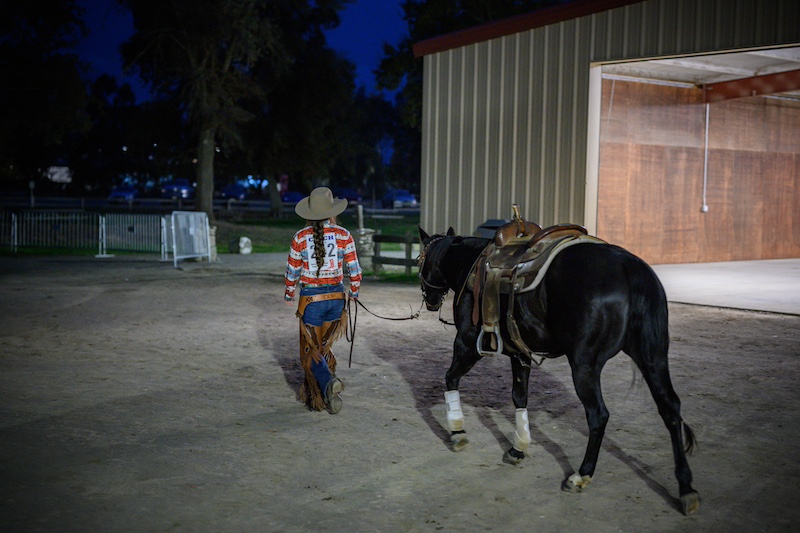
Above: Stella Aleman, 13, on her horse, Ice Baby, during a high school rodeo tournament in Corning, CA. Stella says the high school rodeo world provided her with a supportive community after being bullied at school. (Credit: Manuel Ortiz)

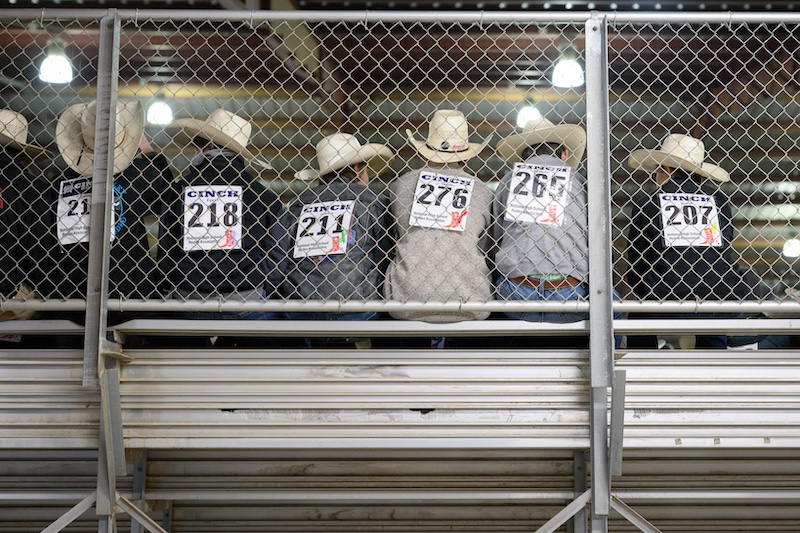
It’s tournament day in Corning, a small town about an hour north of Sacramento. Helmets and boots squelch through the mud on a rainy Saturday as more than 100 competitors prepare for a series of events, from roping to cutting, pole bending to cattle braving.

Thirteen-year-old Stella Aleman smiles and her eyes sparkle as she rides her horse, Ice Baby, amid a group of giddy cowgirls.

Radiating confidence, you’d never guess that just weeks earlier she’d been the target of a cruel bullying campaign. “I was being bullied for riding horses, people calling me horse girl or cowgirl. People were yelling ‘yee haw’ around me, thinking it was funny,” she recalls. “It made me feel like I wasn’t normal. It made me not want to do this anymore.”

Stella’s mother, Andrea Aleman, is a registered nurse in Clear Lake, a town 60 miles south in Lake County. “It was very, very difficult,” she says with tears in her eyes as she describes her daughter’s struggle over the past few months. The threats became so constant that Stella had to be pulled out of school and placed in independent study. Local police eventually stepped in. “My daughter is very young … they were threatening to beat her up.”

Bullying can leave lasting scars for both victims and perpetrators, affecting grades, graduation rates, and even future employment and career opportunities. At its worst, it can lead to severe depression or suicidal thoughts.

More than 30 percent of California students reported having been victims of bullying ​​at least once between 2016 and 2020, according to data from the California Healthy Kids Survey. And although race or sexual orientation are often triggering factorsIn Stella's case it was for her participation in the rodeo.

High School Rodeo: Antidote to Bullying in Rural Northern California
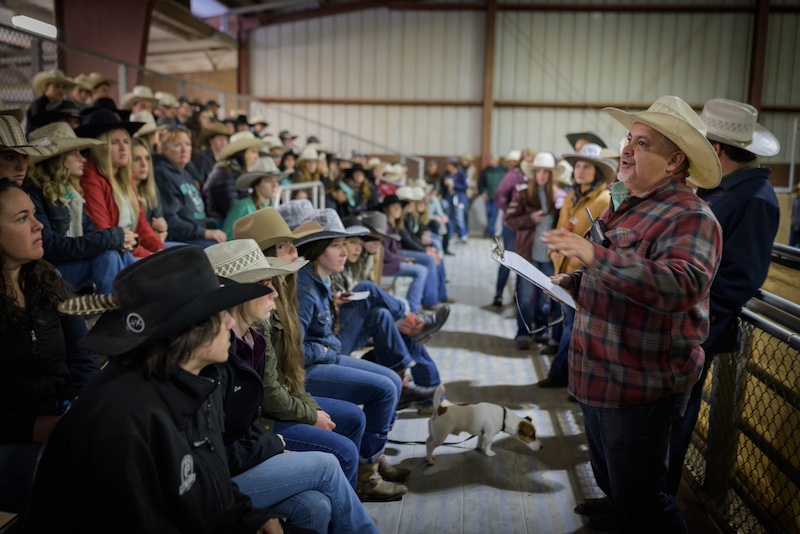
More than 100 teens gathered over a recent November weekend to compete in the California High School Rodeo Association (CHSRA) District 2, which spans counties from Marin and Sonoma, just north of San Francisco, to Humboldt and Del Norte in the far north. There are nine districts across the state. (Credit: Manuel Ortiz)

A year-round lifestyle

Despite its popularity (43 million Americans identify as rodeo fans, according to the Professional Rodeo Cowboys Association), the equestrian sport remains niche among California youth. The California High School Rodeo Association (CHSRA) has about 800 members statewide.

The cost (up to $10,000 per year per horse in California), the commitment and time required to properly care for and train the animals, and the travel involved in participating in state and national tournaments are just some of the limiting factors.

Yet if their immersion in rodeo sets them apart, the irony is that the high school rodeo community sees itself rooted in a tradition that grew out of the cattle ranches that have long been a mainstay, even a defining one, of much of California’s rural economy, especially in the north. Far from being outliers, people here — young and old — will tell you they’re holding on to something precious, a bulwark against a hyper-digitized and increasingly encroaching urban world.

For the past 10 years, Marco Luna has served as the president of CHSRA District 2, which stretches from the Bay Area-adjacent counties of Marin and Sonoma to Humboldt and Del Norte in the far north (there are 9 districts total in California). A retired police officer and son of Mexican immigrants, he spends his time tending to his ranch in Humboldt when he's not shepherding rodeo families to and from competitions.

High School Rodeo: Antidote to Bullying in Rural Northern California
Marco Luna, president of CHSRA Dist 2, sets the rules for the tournament. He says rodeo is a “lifestyle” that is practiced year-round and requires commitment and dedication. (Credit: Manuel Ortiz)

Unlike seasonal sports like basketball or baseball, he says, rodeo is a year-round “lifestyle” that requires commitment and dedication.

There’s the daily feeding, the grooming, the training, the bonding. The horses “have to be your friends,” she stresses, a relationship Luna describes as “therapeutic” for the young people involved. Recognizing its value, universities such as Cal Poly Humboldt are now considering adding rodeo to their sports program, Luna says.

“Some kids struggle in school, in life, in their family environment, and this is their outlet,” he continues. “These kids build those bonds with these animals and then go out and compete.”

A culture of care

California is rife with efforts to reduce or prevent bullying, many of them centered on education and awareness about the harms bullying can cause. For Luna, the magic of high school rodeo comes through the connection kids share with their horses and the values that spread from there — values he believes can help curb the impulses that lead to bullying in the first place.

Competitors sign codes of conduct, as well as social media contracts, and must keep their grades up. If they fail to meet any of these, they will not be able to compete. “We want them to go out and become good public citizens,” Luna says.

It’s that culture of attention that prompted 16-year-old Gracelyn Minic-Hayes to headline a Blue Up Day tournament in honor of National Bullying Prevention Month in October. “I was cyberbullied by anonymous accounts, meaning I have no idea who they were,” says Minic-Hayes, this year’s District 2 queen, adding that she was targeted because of a minor speech impediment.

High School Rodeo: Antidote to Bullying in Rural Northern California
Gracelyn Minic-Hayes, 16, this year's District 2 queen, helped organize the Blue Up Day event in October, in recognition of National Bullying Prevention Month. (Credit: Manuel Ortiz)

Things got so bad, she says, that she started feeling anxious walking into school, not knowing who was attacking her. “But I knew when I walked into the rodeo, everyone just loved you. There was no bullying here.”

Minic-Hayes is aware that kids like Stella are being bullied for their rodeo involvement. “We’re different, we’re weird, and our views don’t match up with theirs,” she says, which is partly why she pushed for the Blue Up Day event. “At the end of the day, bullies are just trying to tear you down. But here you can learn, grow, and be yourself. And I thought some of our kids in our district might need a reminder.”

“My best friends”

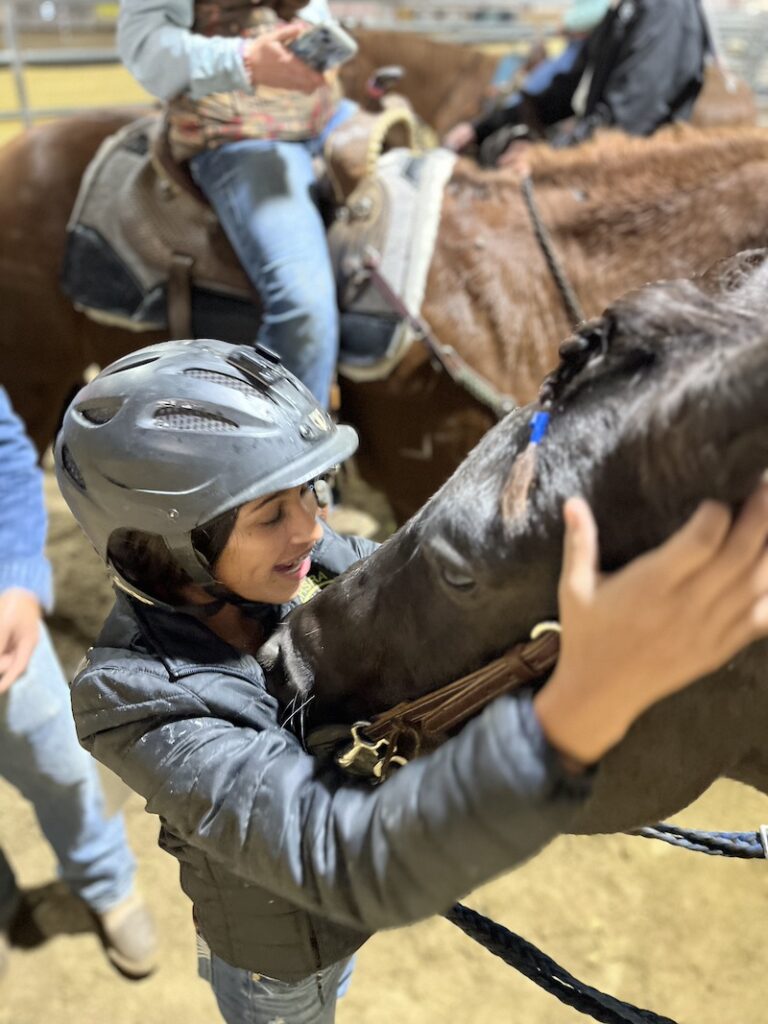
Stella and her horse, Ice Baby. (Credit: Peter Schurmann)

Stella jumps off Ice Baby and takes his front paw in her hands. The contrast is striking: this powerful animal towers over a tiny teenager who, with practiced confidence, gently rubs her before taking his muzzle in her hands and planting a kiss on it. Ice Baby leans in for another.

Weeks earlier, Stella's Instagram account, which had about 3,000 followers, had been shut down after someone complained about animal abuse. Animal rights activists have long pushed for a statewide rodeo ban. Los Angeles appeared poised Tuesday to join San Francisco and Pasadena in banning rodeos. ban rodeo events within the city limits.

As Stella says, school bullies and activists become almost synonymous with a world that sees their passion as something to be ridiculed or removed altogether.

“It was really hard to get over it,” she says. “Then I realized that it doesn’t matter if other people bully me, because I have a great family here. It really helped me get over it.”

And he adds: “These horses are like my best friends.”

Credit: Manuel Ortiz


Credit: Manuel Ortiz

EMS' Stop The Hate initiative is made possible by funding from the California State Library (CSL) in partnership with the California Commission on Asian and Pacific Islander American Affairs (CAPIAA). The views expressed on this website and other materials produced by EMS do not necessarily reflect the official policies of CSL, CAPIAA, or the California government.

You may be interested in: To be or not to be: Spanish, Spanglish, English, young Latinos in the US face another bullying

Stanford researchers create plant-based sanitary pads that would improve access

Stanford researchers create plant-based sanitary pads that would improve access
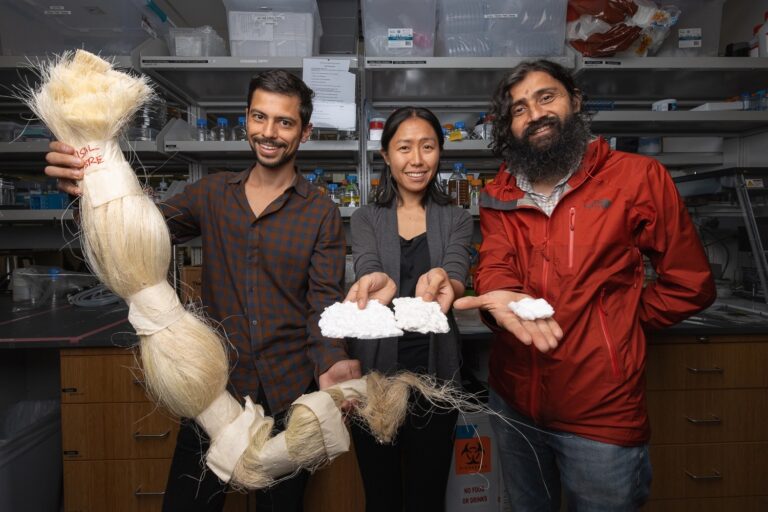
Investigadores de Stanford. De izquierda a derecha, Anton Molina, Anesta Kothari y Manu Prakash muestran la fibra de sisal y el material similar al algodón que han producido a partir del sisal. Esperan que este material pueda utilizarse para fabricar toallas sanitarias menstruales más accesibles y sostenibles. (Crédito de la imagen: Andrew Brodhead).

The menstrual poverty afecta a millones de mujeres en el mundo, lo que significa que no tengan acceso a productos femeninos de higiene como toallas sanitarias, tampones o copas menstruales, situación que investigadores de Stanford quieren cambiar, al crear toallas sanitarias a base de plantas que reducirían su costo y con ello mejorar su acceso.

Y es que, investigadores de Stanford han diseñado un proceso de código abierto para convertir fibras de sisal (fibras de las hojas de algunos agaves, plata originaria de México) en material absorbente para toallas sanitarias menstruales, creando una oportunidad para la fabricación local y sostenible de estos productos de higiene que muchas comunidades necesitan.

Para las personas menstruantes, el acceso a productos menstruales asequibles e higiénicos es una necesidad. Estudios estiman que 500 millones de personas (mujeres, niñas e individuos transgénero y no binarios) no tienen acceso a las instalaciones y productos que necesitan para controlar su período.

Manu Prakash, profesor asociado de bioingeniería en Stanford, y sus colaboradores han desarrollado un método para convertir las fibras de la planta de sisal en un material esponjoso y absorbente para toallas sanitarias menstruales. Y, al ser un proceso de código abierto, podría ayudar a los pequeños fabricantes a utilizar materiales de origen local para crear productos menstruales asequibles y de alta calidad para sus comunidades.

“Para abrir el acceso a la fabricación local, hay que pensar de dónde vendrán las materias primas”, señaló Prakash. En Kenia en particular, “resulta que el sisal es absolutamente increíble”.

According to work recently published in Communications Engineering de Nature, un componente crítico de una toalla sanitaria menstrual es el núcleo absorbente. Para encontrar el mejor material para crear almohadillas a base de plantas, los investigadores comenzaron con un enfoque sistemático, analizando los productos existentes y los recursos biológicos que se utilizan en diferentes áreas del mundo. 

Algunos cultivos, como el algodón, precisaron, eran demasiado costosos y requerían mucha agua, y otros, como la madera, sólo tenían grandes suministros disponibles en unos pocos países.

“Comenzamos a mapear todo. Mapeamos plátanos, mapeamos jacintos de agua, todo lo que pudimos conseguir”, dice Prakash. “La idea era crear un mapa de biodiversidad, observando tantas plantas como pudiéramos encontrar y conjuntos de procesos universales que pueden dar lugar a productos de alta absorción”.

Alex Odundu, un ingeniero keniano, también coautor del artículo, ha estado desarrollando maquinaria para ayudar a las pequeñas comunidades agrícolas a procesar el sisal de manera más eficiente. El sisal se ha cultivado en partes de África y otras regiones porque las fibras de sus hojas pueden convertirse en fuertes cuerdas y cordeles. 

El equipo sabía que era una planta que requería poco mantenimiento y que prosperaba incluso en años de sequía, pero nadie había intentado utilizarla para producir la pulpa de celulosa de alta calidad necesaria para una toalla sanitaria menstrual.

Inspirándose en la forma en que las termitas descomponen la madera, Prakash y sus colegas desarrollaron un proceso para eliminar la lignina (un polímero de las células vegetales que proporciona estructura y repele el agua) de las fibras de sisal y utilizaron una licuadora para romper las macrofibras de celulosa restantes. en microfibras, lo que da como resultado una pelusa aireada y absorbente.

“El resultado es una hermosa pelusa que parece casi indistinguible del algodón”, dijo Anton Molina, estudiante de doctorado en el laboratorio de Prakash y coautor del artículo. “Las propiedades a microescala de las fibras son las que hacen que el sisal se destaque. Es una mejor alternativa que, digamos, el cáñamo o el lino y supera el rendimiento de los discos de algodón disponibles comercialmente”.

Además, los productos químicos utilizados en el procesamiento son fáciles de conseguir y pueden reciclarse en otros productos o transformarse de forma inofensiva en dióxido de carbono y agua.

“Uno de los aspectos clave de este documento fue garantizar que la cantidad mínima de productos químicos que utilizamos pueda obtenerse y fabricarse in situ”, afirmó Prakash. Actualmente, el equipo está probando enfoques y materiales similares para producir las capas superiores porosas y inferiores impermeables de una plataforma, creando una tubería simple de extremo a extremo para ir desde la planta hasta una plataforma completa. 

“Realmente se puede imaginar una fábrica a pequeña escala, tal vez del tamaño de una cervecería local, que produzca de 5 a 10 mil pastillas por día sin nada más que el material biológico que entra y los productos que salen”.

“Hasta ahora ha sido fantástico aprender de otros en todo el mundo”, dice Anesta Kothari, investigadora del laboratorio de Prakash y coautora del artículo. “Estamos tratando de trabajar directamente con las comunidades y hacer que nuestras herramientas lleguen a manos de los usuarios”.

Con ese fin, los investigadores han iniciado el Plant Pad Consortium, un grupo internacional de empresarios, grupos académicos y organizaciones no gubernamentales que quieren construir y compartir el conocimiento necesario para desarrollar soluciones locales, sostenibles y asequibles para la higiene menstrual.


You may be interested in: Organic producers see a new role in the era of climate change

Organic producers see a new role in the era of climate change

Organic producers see a new role in the era of climate change
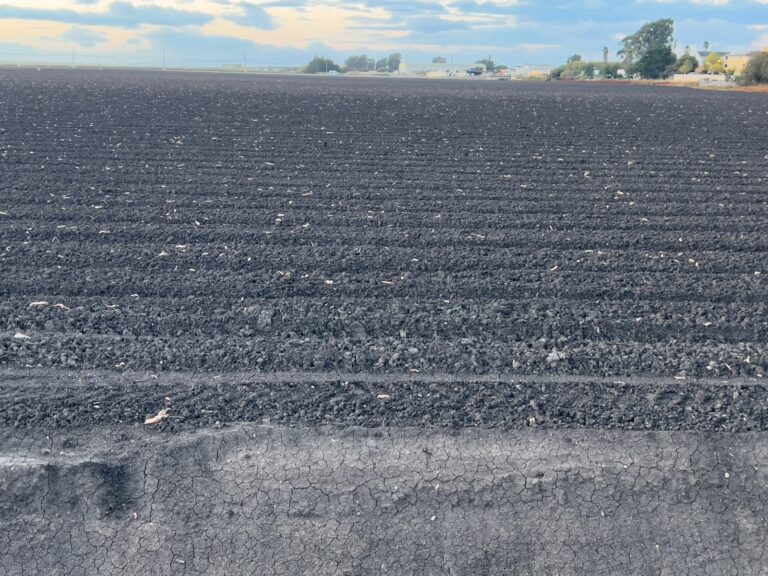
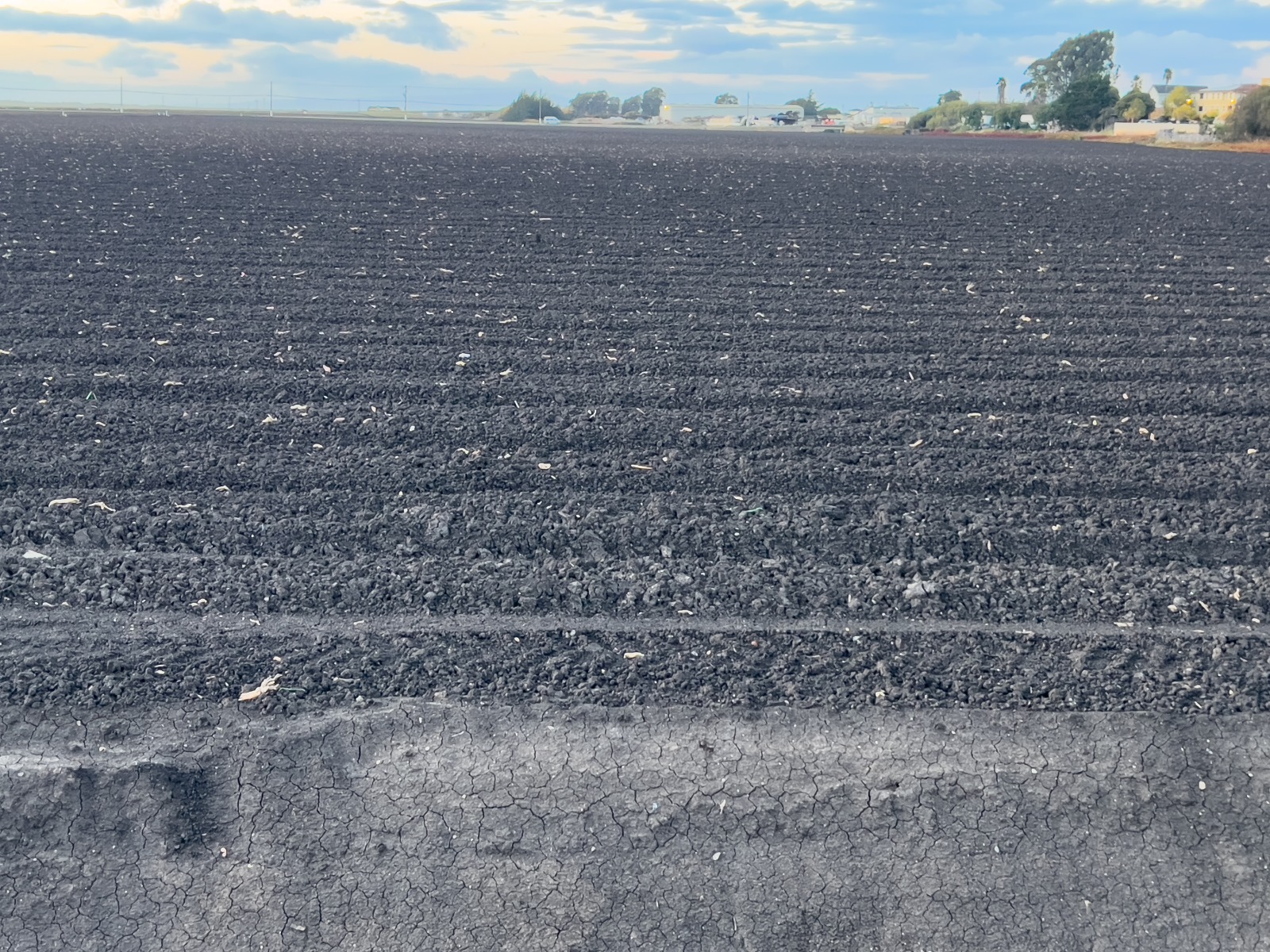
Tilled farmland around the town of Castroville in Monterey County. November 30, 2023 (Ruth Dusseault / Bay City News)

By Ruth Dusseault. Bay City News.

Oddly enough, it's hard to find a job fighting in the era of climate change. But the organic farming industry is one place where a person can make a living by making a difference.

Food systems account for 20 to 30 percent of global greenhouse gas emissions, according to World Bank data. Reinventing agriculture could impact the future as much as the electric car.

At last week's Organic Grower Summit, hosted by Western Growers and the Organic Produce Network, more than 600 growers and industry leaders, mostly from California, gathered in Monterey to share problems, solutions and business cards.

Big issues included new technologies and new government regulations that could increase costs. Behind almost every discussion was the regenerative health of soil and its potential to fight disease, repel pests and capture carbon.

Organic producers see a new role in the era of climate change
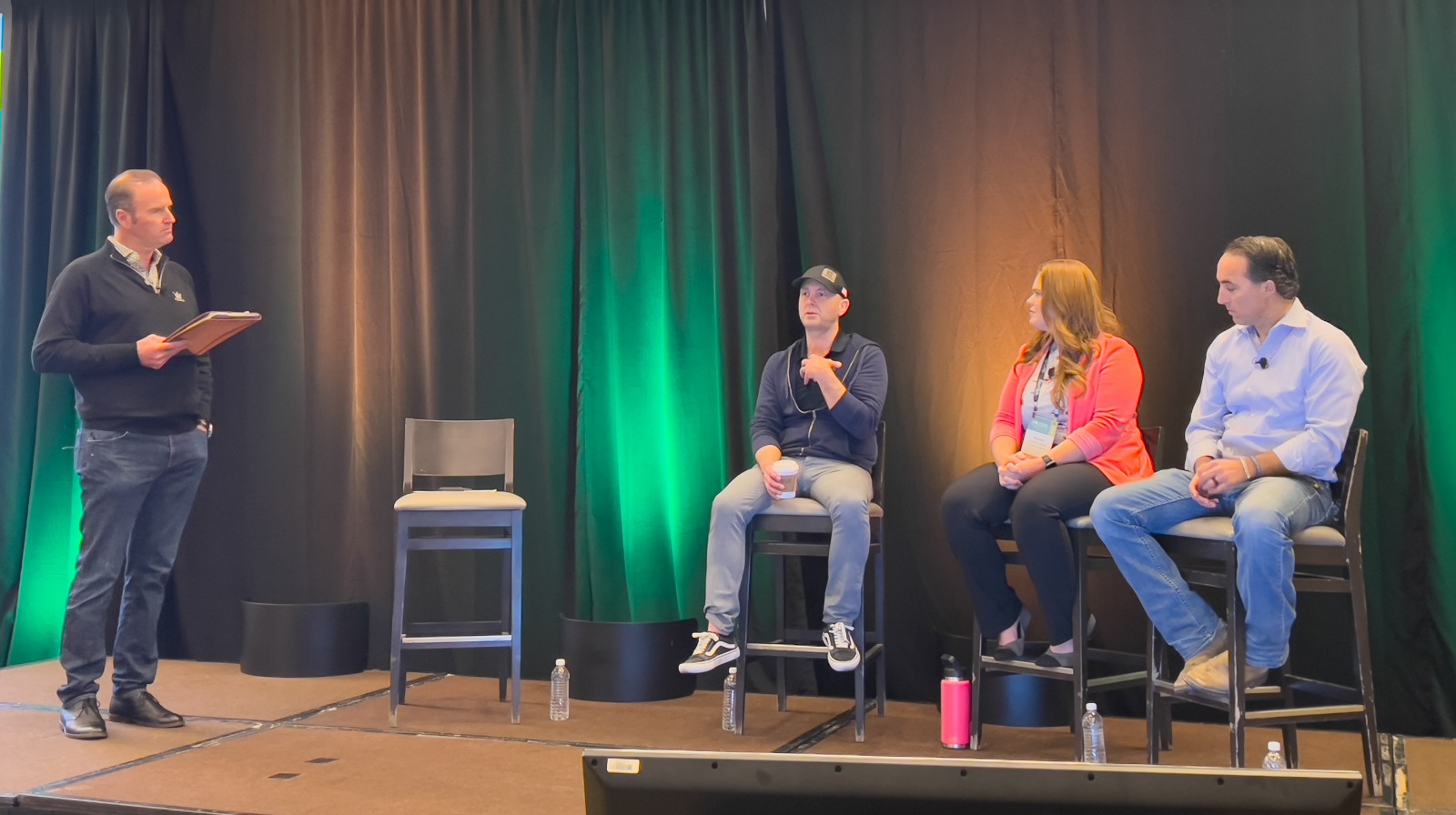
At the 2023 Organic Grower Summit, Monterey, CA, Bart Walker, Paul Mikesell, Tom Nunes and Kristin Smith Eshaya discuss the obstacles and opportunities of technology in organic agriculture, November 30, 2023 (Ruth Dusseault/Bay City News)

California leads the nation in organic agriculture, with more than 3,000 certified farms, according to 2022 figures from the U.S. Department of Agriculture, or USDA. In 2021, the state’s organic sales exceeded $14 billion. That’s the equivalent of $43 per person in the U.S. who buys organic products. In the Bay Area region alone, which spans Monterey to Sonoma counties, there are more than 1,550 organic producers generating nearly $1.4 billion in annual gross sales.

Gradually, more conventional farmers are adopting organic products and some are transforming their multi-generational farmlands. They bring entrepreneurial experience, innovations and capital to what was once a niche economy.

“I’m in it for the money,” said Carlos Amaral, a San Mateo County grower, who said he’s willing to put up with the higher cost of production because the buyer is willing to pay more in return. Today’s younger buyers, he said, are more environmentally conscious.

But by March 2024, organic prices could rise as new USDA rules for organic certification go into effect. The Strengthening Organic Enforcement (SOE) rule will set new standards for everyone involved in production. Every link in the supply chain—growers, distributors, shippers, and importers—will need to be certified organic.

“You’re making sure they understand how to keep things organic,” said Danny Lee, an inspector with the California Department of Food and Agriculture. “You’ll be sure they’re not mixing organic products with non-organic products, which may have different pesticides or other inputs.”

It will be more expensive, he said, but whether that is passed on depends on who is willing to absorb those costs and what end retailers are willing to pay.

The summit focused on the unique challenges of specialty crops, such as leafy greens, berries and carrots. They are different from staple crops, such as corn and soybeans, which are grown on a large scale using herbicide-resistant seeds and industrial harvesting methods.

Specialty crops are labor intensive and synthetic herbicides like Roundup are not allowed on organically certified farms.

“What I see is that we have an oversaturated market for weeding,” said Bart Walker, who runs an equipment rental company.

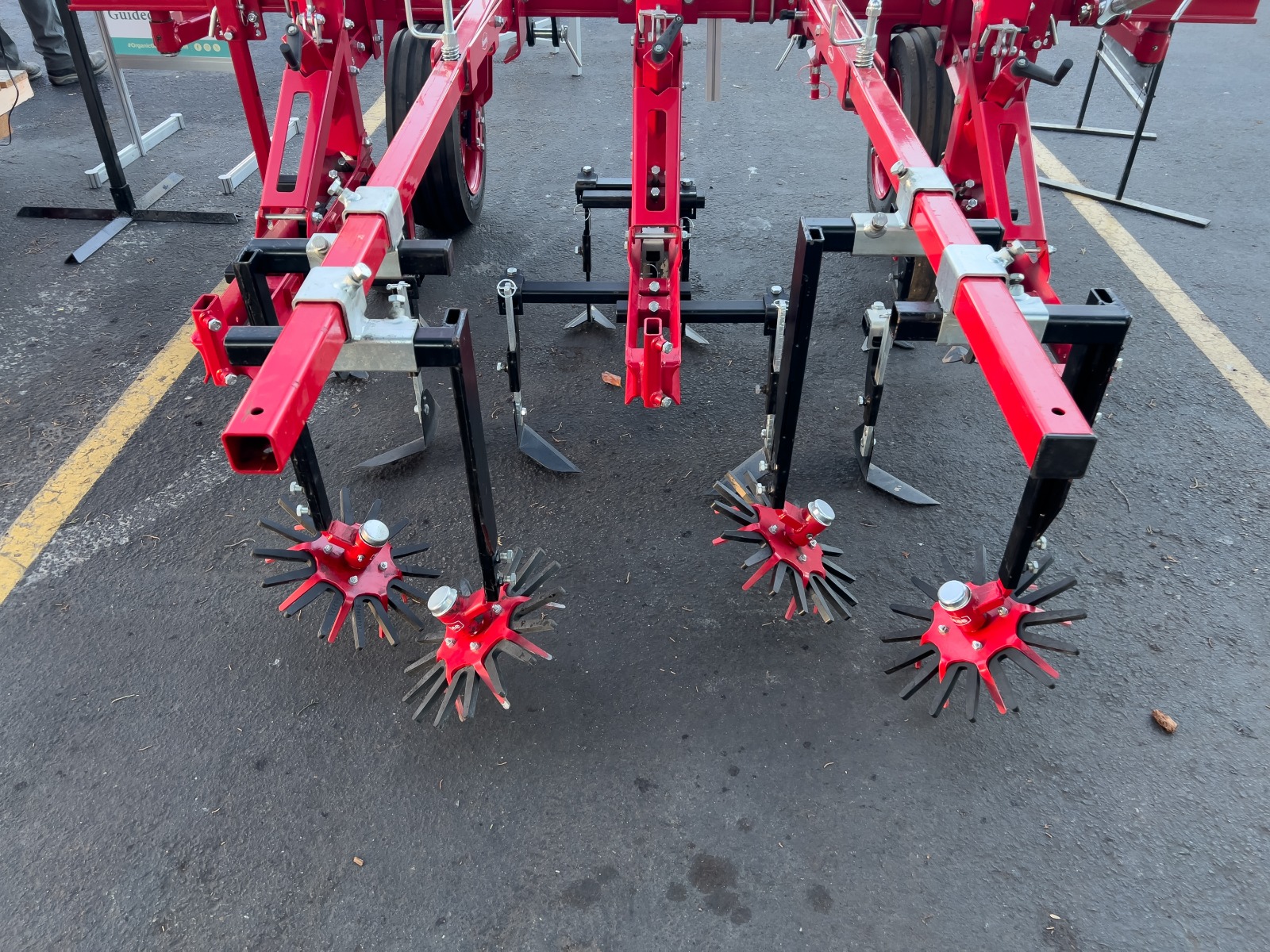
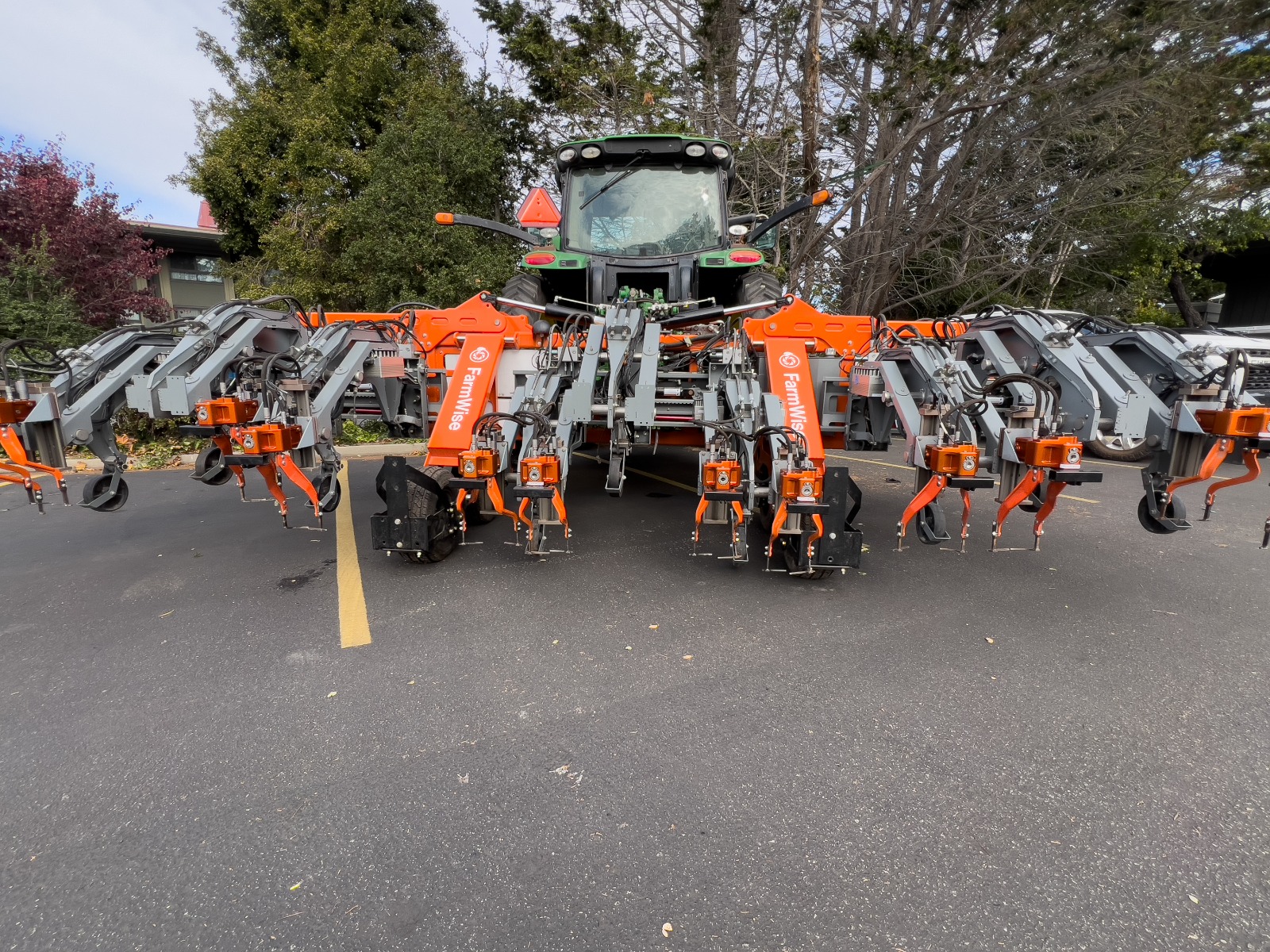
Walker was referring to the array of mechanical weeders on display at the summit. Rather than asking workers to do the back-breaking work of pulling weeds by hand, engineers have designed a variety of machines to do just that. Pulled by a tractor, rotating paddles, blades and tines disturb the soil between rows of crops and prevent weeds from taking root.  

“What I’m excited to see is more lasers,” Walker said.

Organic producers see a new role in the era of climate change
Robotic weeder that doesn't use herbicides at the Organic Growers Summit, Monterey, CA, Nov. 29, 2023 (Ruth Dusseault / Bay City News)

“It turns out that having people walk through the field and pull weeds with hoes and tools will damage some of the plant structure,” said Paul Mikesell, inventor of Carbon Robotics’ LaserWeeder. “When the weed is tall enough for a person to pull it out, the root structure is deep enough to disrupt crop roots as well.”

The LaserWeeder uses artificial intelligence to identify weeds when they are just budding. Costing $1.4 million, it uses flash photography to create thousands of high-resolution images of the soil as it crawls across a field. Onboard computers interpret the image information and send it to robotic mirrors on the back of the machine, which rotate to direct a laser beam. Weeds are eliminated in a cloud of smoke.

At the 2023 Organic Growers Summit in Monterey, CA, Carbon Robotics demonstrated its Laserweeder. The machine uses artificial intelligence to photograph and identify weed shoots and then burns them with a robotically directed laser. Nov. 30, 2023 (Ruth Dusseault / Bay City News)

“It doesn’t harm the topsoil, it doesn’t harm the ecosystem and it’s also good for the environment,” Mikesell said.

For centuries, farmers plowed fields between seasons, but now they are told to use a tender touch. Exposing the top layer of soil to the air releases trapped carbon. Sunlight burns off important nutrients and good fungi that organic farmers use to fight pests and diseases. Carbon capture is a new role for farmers, as evidenced by two awards presented at the summit: an Ag Shark Innovator Award and a Grower of the Year Award.

Jason Aramburu is the founder of Climate Robotics and inventor of a small mobile biochar incinerator. Imagine a pottery kiln on wheels. It can move around a processing plant or be pulled behind a tractor. It digests waste, such as corn stalks, wheat, straw, and nutshells, and deposits biochar right there on the ground.

“Biochar is a very pure form of charcoal made from agricultural waste that we burn at a very high temperature and apply back to the soil,” Aramburu said upon receiving his Ag Shark investment award. He cited university studies showing biochar can generate 16 percent more crop production compared to fields without biochar. It has increased soil water retention by 51 percent and fertilizer retention by 95 percent, he said.  

“If we do this on a large enough scale, studies indicate that we can sequester around 2 billion tons of CO2 annually in the soils of our farms,” Aramburu explained.

The USDA offers about $2,000 per acre per season to growers who apply biochar to their soil.

“Agriculture is considered the second largest CO2-producing industry, right behind fossil fuels,” said Rod Braga of Braga Fresh Farms, accepting the Organic Producer of the Year award.  

“The pressures really come from the top down,” he said of the push for agriculture to adopt conservation measures. “I’m not talking about retailers. I’m talking about the United Nations, the World Economic Forum, the European Union.”  

Braga talked about ways agriculture has tried to become carbon neutral: using less diesel fuel, planting one crop on top of another instead of tilling it, and investing in carbon sequestration elsewhere to offset the carbon generated on local farms.

“Now they are talking about net zero emissions,” he said, referring to the theory of an economy that does not emit more greenhouse gases than are permanently removed and stored.

“How can we get to zero in agriculture without cutting down crops and starving millions? We can capture carbon while we farm,” Braga said. “We are still growing vegetables and other crops. We need to be the answer. More agricultural acres is what we will need in the world and not less.”

You may be interested in: How climate change changes us

Trees and parks add longevity to the most vulnerable communities

Trees and parks add longevity to the most vulnerable communities

Aumento de la vegetación urbana, arboles y parques, especialmente en las zonas con escasez de zonas verdes, podría añadir casi un millón de años de esperanza de vida en todo el condado de Los Ángeles.

Durante mucho tiempo se ha dejado a las comunidades más vulnerables sin los espacios verdes necesarios, aunque estos sean muy importantes; y es que la falta de árboles y parques afectan directamente a la salud, dejando a las comunidades sin accesos a sus beneficios y a la sombra. 

Una investigación de la Escuela de Salud Pública Fielding de la UCLA descubrió que el aumento de la vegetación urbana, la cubierta arbórea y los parques, especialmente en las zonas con escasez de zonas verdes, podría añadir casi un millón de años de esperanza de vida en todo el condado de Los Ángeles.

“Cuando hicimos nuestros modelos estadísticos, nos dimos cuenta de manera consistente que entre más árboles hayan, aumentará la expectativa de vida”, así lo dijo Michael Jerrett, catedrático del Departamento de Ciencias de la Salud Medioambiental de la UCLA, durante una sesión informativa realizada por Ethnic Media Services.

El también codirector del Centro de Soluciones Climáticas Saludables de la Escuela Fielding de Salud Pública, enfatizó la importancia de tener parques distribuidos en todo el estado para mejorar la calidad del aire, así como la vida de los residentes.

“Iniciamos este proyecto colaborativo para poder acceder a la conexión entre expectativa de vida y espacios verdes, donde la hipótesis es que la expectativa de vida tendrá una reacción positiva en la medida de espacios verdes”, comentó el catedrático de la UCLA.

Agregó que muchos de los vecindarios oprimidos son latinos y afrodescendientes, y con las mejoras en áreas verdes se estima que habría un aumento de 122 mil 700 años de expectativa de vida para las personas que viven en estos espacios.

Websites like prevention institute dan información clara sobre equidad de parques. 

Rachel Malarich, responsable forestal de la ciudad de Los Ángeles, habló de 4 pilares para la Ciudad de Los Ángeles: plantar más árboles, mantenimiento de los mismos, preservación de los parques, y reconocer que las personas son una gran parte de los bosques urbanos, así como la relación y el compromiso que se forma entre las comunidades.

“Estamos desarrollando este plan de mantenimiento de bosques urbanos. Esto tiene una guía para alcanzar las metas; vamos a tomar en cuenta las opiniones de la comunidad y del vecindario, estamos viendo cómo vamos a mejorar la ciudad con estos beneficios”, comentó Rachel Malarich.

Para Malarich, la participación de la comunidad es lo esencial, por lo que en enero se realizarán talleres en los vecindarios para recibir retroalimentación de los residentes y también se tendrá una encuesta que estará disponible en varios idiomas para escuchar a la comunidad y poder obtener la información que se necesita.

“Estamos trabajando juntos con el Condado de Los Ángeles porque sabemos que podemos hacer un trabajo a mayor alcance y llegar a las comunidades con reuniones y campañas”, dijo.

Finalmente, Malarich agregó que uno de los grandes componentes del plan es tocar el tema de la equidad en las áreas y los árboles, donde no todo mundo tiene acceso a las áreas y paseos verdes.

Marcos Trinidad, director Senior de Silvicultura TreePeople, dijó que en su asociación llevan 50 años trabajando en estos temas, donde comenzaron con la idea de lograr reunir a gente para plantar árboles; a través del tiempo lograron que más gente comprendiera su entorno y las necesidades de la comunidad donde las áreas más vulnerables se han priorizado.

“TreePeople no es solo entrar a un área, es darle más oportunidades a la comunidad, de educación, trabajo, con conciencia ambiental, y como poder reconstruir las áreas forestales de nuevo”, añadió. 

Para Marcos Trinidad, el trabajo en equipo es lo más importante, generando un modelo que permite crear fondos para apoyar a la comunidad con empleo y seguir colaborando para generar más bosques urbanos.

Bz Zhang, directora de proyectos de Los Angeles Neighborhood Land Trust, comentó que, durante los últimos años, su asociación ha creado 30 parques y jardines que están sirviendo a casi medio millón de personas en Los Ángeles.

“Las comunidades que no son blancas tienen menos acceso a parques, estamos hablando de un 66 por ciento menos”, añadió.

Agregó que sus pilares principales son: participación comunitaria, diseño de desarrollo y los parques.DEstacó que los parques los mantienen a través de contratar a los mismos vecinos para cuidar estos espacios, esas personas son las que hacen que todo esto sea exitoso.

Además, explicó que la participación de los jóvenes en estos programas es muy importante, ya que ellos son el futuro del país. 

Jon Christensen, profesor adjunto del Instituto de Medio Ambiente de la UCLA, explicó que es muy bueno plantar árboles, pero eso no es suficiente; se necesita organización, recursos y planeación, algo positivo que ya están haciendo las asociaciones. 

“Hablamos de programas en las comunidades que ayudan a la gente a mejorar su estilo de vida, un beneficio más de la inversión que se está haciendo con los proyectos de infraestructura ecológica, ya que muchas de estas inversiones son guiadas para que las comunidades con más desventajas sean priorizadas porque no ha sido consideradas antes”, comentó Jon Christensen.


You may be interested in: Teachers: allies of young people who face bullying and a difficult life