



Wednesday, June 24, 2026
Home Blog Page 324

Smallpox advances in U.S., country declares State of Emergency

Smallpox advances in the U.S. and a State of Emergency is declared.
Photo: NHS England High Consequence Infectious Disease Network

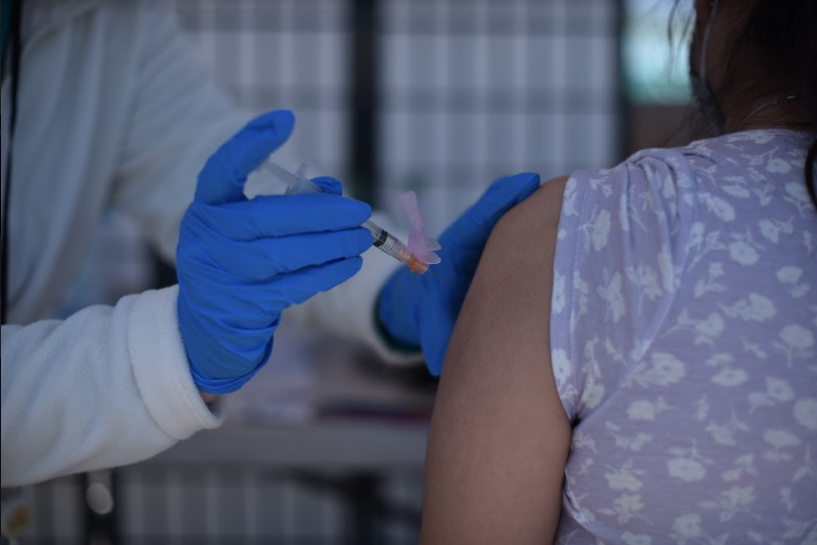
After the first case was reported in the United States in mid-May, monkeypox is advancing in the United States and a State of Emergency is declared after more than 6,600 probable or confirmed cases.

The announcement was made this afternoon during a briefing by the Department of Health and Human Services ‒HHS, for its acronym in English‒.

According to the Centers for Disease Control and Prevention (CDC), the states with the highest number of monkeypox cases are California (826), Florida (525), Georgia (504), Illinois (547), New York (1,666), and Texas (527).

However, those where there has been significant progress in the disease are DC ‒257‒, Maryland ‒157‒, Massachusetts ‒134‒, New Jersey ‒160‒, Pennsylvania ‒173‒, Virginia ‒105‒, and Washington ‒134‒.

So far, Montana and Wyoming are the states that have not reported a single positive case.

On July 23, the World Health Organization (WHO) declared the disease a “Public Health Emergency of International Concern” after more than 16,000 cases were reported in 75 countries around the world.

"There is a clear risk of further international spread, although the risk of interference with international traffic remains low at this time," WHO Director-General Dr Tedros Adhanom Ghebreyesus said at the time.

This, he said, would potentially require a coordinated international response.

Cities such as New York and San Francisco have declared a State of Emergency, as have states such as California, New York and Illinois.

On Tuesday, President Joseph Biden named Robert Fenton as the White House national coordinator for the monkeypox response. Fenton, a regional administrator for the Federal Emergency Management Agency who oversees Arizona, California, Hawaii and Nevada, will coordinate the federal government’s response to the outbreak. 

Additionally, Dr. Demetre Daskalakis, director of CDC’s Division of HIV/AIDS Prevention, serves as deputy coordinator.

Monkeypox is spread through close physical contact between people. This means that anyone can contract the disease. However, according to the current outbreak, certain populations are affected by monkeypox more than others, including men who have sex with men.

Based on previous monkeypox outbreaks around the world, some groups may also be at higher risk of serious outcomes if they contract the virus, including people with weakened immune systems, the elderly, young children under 8 years old, and pregnant people.

Symptoms of monkeypox may include:

Rashes, bumps, or blisters on or around the genitals or other areas such as the hands, feet, chest, or face.

Flu-like symptoms, such as fever, headache, muscle aches, chills, and fatigue. These symptoms may occur before or after the rash appears, or not at all.

Monkeypox can be spread to anyone through close personal contact, often skin-to-skin, including:

  • Direct contact with monkeypox rash, scabs or body fluids of a person with monkeypox.
  • Touching objects, fabrics (clothing, bedding, or towels) and surfaces that have been used by someone with monkeypox.
  • Contact with respiratory secretions.

This direct contact can occur during intimate contact, including:

  • Oral, anal, and vaginal sex or touching the genitals (penis, testicles, lips, and vagina) or anus (anus) of a person with monkeypox.
  • Hugs, massages and kisses.
  • Prolonged face-to-face contact.
  • Touching fabrics and objects during sex that were used by a person with monkeypox and that have not been disinfected, such as bedding, towels, fetish items, and sex toys.

A pregnant woman can transmit the virus to her fetus through the placenta.

It is also possible for people to get monkeypox from infected animals, either by being scratched or bitten by the animal or by preparing or eating meat or using products from an infected animal.

Monkeypox symptoms usually begin within 3 weeks of exposure to the virus. If someone has flu-like symptoms, they will typically develop a rash 1 to 4 days later, the CDC says.

Monkeypox can spread from the time symptoms begin until the rash has healed, all scabs have fallen off, and a new layer of skin has formed. The illness usually lasts 2 to 4 weeks.

The CDC initially announced that monkeypox vaccines would be released from the Strategic National Stockpile and offered to “high-risk” contacts of patients with the disease, as well as health care workers treating them. 

Federal health officials have since expanded vaccination efforts to focus on the broader community of men who have sex with men, the demographic that makes up the majority of cases.

With information from CNN.

You may be interested in: Gavin Newsom Declares California a State of Emergency for Smallpox

Raise your jars! International Beer Day is celebrated this Friday.

International Beer Day

"Beer is proof that God loves us and wants us to be happy," said the American scientist and politician Benjamin Franklin. We cannot argue with him, because without a doubt the drink is one of the favorites of almost every adult and one of the most consumed in California, so we call on everyone to raise their glasses and celebrate International Beer Day this Friday.

Every year since 2008, the first Friday in August is celebrated as International Beer Day, after a group of friends in a small bar in Santa Cruz, California, selected the day with the aim of dedicating a day to the drink that is drunk almost everywhere on Earth. The tradition spread throughout the world and is currently held in more than 200 cities on all continents. 

Beer dates back several centuries, but everything indicates that the first signs of its production were in Lower Mesopotamia by the Sumerians, some 4 thousand years before Christ. However, it is believed that it was the Babylonians who perfected it, and it is said that if a bad batch was made, the brewer was drowned in it.

There is no doubt that the ancient Egyptians built the pyramids while consuming a good amount of beer. About 4 liters a day, to be exact according to data from the British Museum.

The Vikings believed that a giant goat resided in Valhalla whose udders were filled with an unlimited supply of beer, a belief that for many is a beautiful dream.

The Czech Republic is the world's beer capital. Each Czech drinks an average of 40 gallons a year. 

Golden California

According to the American Brewers Association, the state of California has 931 craft breweries in its territory, placing it first in the entire American Union with the highest number of these centers, offering 3.1 breweries per 100,000 inhabitants over 21 years of age.

At the national level, these craft breweries have had an economic impact, generating $9.31 billion in 2021 alone.

The Golden State produces 3 million 499 thousand 182 barrels of craft beer per year, generating 3.7 gallons of “liquid bread” per adult over 21 years of age.  

Beer in the U.S.

Total U.S. beer sales volume increased 1 percent in 2021, while craft brewers' sales volume grew 8 percent, bringing small and independent brewers' share of the U.S. beer market by volume to 13.1 percent.

Retail dollar sales of craft beer rose 21 percent to $26.8 billion and now account for just under 27 percent of the $100 billion U.S. beer market — up from $94 billion. 

The main reason for the larger increase in dollar sales was the shift in beer volume from packaged sales to bars and restaurants.

Some curious facts about beer:

  • The Egyptian workers who were in charge of building the Egyptian pyramids received part of their pay in beer.
  • Beer is good for the body! It contains a high level of silicon which increases calcium and mineral deposits for healthy bone tissue. Of course, in moderation.
  • More than 80 percent of beer is made up of water, so its flavor depends greatly on the quality of the water used to make it. 
  • Today, beer is consumed by both men and women, but originally the only expert brewers were women. Even in the 19th century, it was believed that beer consumption was beneficial for good breastfeeding.
  • In the Middle Ages, due to the scarcity of drinking water, there was a very high percentage of the population that drank beer instead of water because thanks to the alcohol they ensured the drink's potability.
  • Originally, beer was fermented cereal flour in the same way as bread. The difference was in the proportion of water. If there was more flour than water, bread was produced. But if, on the other hand, there was more water than flour, beer was produced. 
  • The name they used to refer to beer was "liquid bread" and in many cases what was done was to make bread and after baking it, immerse it in water to ferment it.
  • Beer has properties that curl hair, due to the active ingredients of yeast and barley, as they provide a large amount of minerals that strengthen keratin and moisturize the hair, giving it a surprising shine.
  • Despite the various beliefs about beer foam, the truth is that a voluminous foam is a sign of a good quality beer. What's more, the foam should not disappear at any time, not even when you finish the glass.

Once you know the facts, it's important to show them off to friends and family while enjoying a cold beer at a bar, restaurant, club or terrace of your choice. But if you have no idea where to go, here's a list of some of the best recommendations in San Mateo County.

1.- Freewheel Brewing Co.Located at 3736 Florence Street in Redwood City, this brewery and restaurant offers beers made using the same ingredients and methods as their sister breweries in England. Most of their beer is either on tap or real ale, a beer made with traditional ingredients, matured by barrel fermentation.  

They focus on using fresh, local ingredients to prepare delicious pub fare made from scratch, offering daily specials. In addition to beer, they offer wine, hard cider and a variety of mixed drinks. 

Their staff will be more than happy to give you information about how they brew their beer and the different styles they serve. Don't be shy to ask, and if you want to know more, see if one of their brewers is available to show you around the brewery. On weekends they feature live music.

2.- Half Moon Bay Brewing Company. Located at 390 Capistrano Road in Half Moon Bay, this casual coastal restaurant and bar has become an institution in the area for locals and visitors alike since opening in 2000.

It is considered one of the best coastal breweries in the entire country, and in addition to its award-winning beers, it offers fresh seafood and brunch on weekends from 10:00 a.m. to 12:00 p.m.

3.- Fieldwork Brewing Co. At 3030 South Delaware Street in San Mateo, there is a small place that offers affordable outdoor dining and quality beers. Its citrus-flavored beers are especially popular with locals, along with traditional ales.

The place is open from Monday to Sunday and offers takeaway food and drinks. Children and well-behaved pets are welcome!

4.- Devil's Canyon Brewing Co. It is located at 935 Washington St. in San Carlos and is a space that has been serving the public who are fans of beer, relaxed food and a place to have fun for more than 20 years. 

Their beer is well known in the area and it is a favorite spot for young and old adults to enjoy a good Ale or IPA.

In addition, every Friday is a party at the Devil's Canyon, as with a tradition of more than two decades, starting at 4:00 p.m., children, adults and pets are welcome to enjoy live music, food trucks and fresh craft drinks made every day on the premises.

5.- Alpha AcidIf you're looking for something to experiment with, this brewery might be just the thing. Located at 121 Industrial Rd Unit 11 in Belmont, this brewery makes plenty of unique beers while also reworking fan favorites, with over 500 unique recipes. In fact, since Alpha Acid releases two new beers weekly, you could technically visit their taproom once every seven days and still not try every beer they make.

It is open every day and allows you to bring your own food, as they do not provide food. Children are also welcome as long as they are accompanied by an adult, as are well-behaved dogs.

You may be interested in: Cocoa: the food of the gods

Bay Area leads statewide efforts in water conservation

water conservation

By Kiley Russell. Bay City News

Los últimos números de conservación del agua en todo el estado están mejorando, se han más que duplicado de mayo a junio, y el Área de la Bahía está a la cabeza.

En junio, el consumo de agua en todo el estado se redujo en un 7.6 por ciento en comparación con junio de 2020, mientras que en mayo los californianos redujeron el uso de agua en solo un 3,1 por ciento, según un informe de la Junta Estatal de Control de Recursos Hídricos el martes.

«La segunda ronda de las regulaciones de emergencia por sequía entró en vigencia a finales de mayo y los números parecen indicar que estamos viendo algunos impactos positivos», dijo Marielle Pinheiro, especialista en datos de la Oficina de Investigación, Planificación y Desarrollo de la Junta de Agua. 

Las regulaciones de emergencia requieren que todos los 436 proveedores de agua urbana del estado implementen Planes de contingencia de escasez de agua de la Etapa 2, que varían de un proveedor a otro, pero pueden incluir cosas como multas o cargos adicionales por el consumo excesivo de agua, así como incentivos para la conservación y para reemplazar el paisajismo intensivo en el vital líquido.

Por ejemplo, el Distrito de Servicios Públicos Municipales de East Bay, que suministra agua potable a 1.4 millones de clientes en los condados de Alameda y Contra Costa, ordenó una reducción del uso de agua del 10 por ciento, endureció las restricciones sobre el uso de agua al aire libre y restableció su Ordenanza de Penalización por Uso Excesivo, que incluye multas de 2 dólares por cada 748 galones de agua utilizados por encima del umbral de mil 646 galones, entre otras cosas.

El distrito dice que se registró reducciones en el uso de agua del 6 por ciento en mayo, 12 por ciento en junio y 16 por ciento en julio en comparación con 2020.

«Las cifras de ahorro de los clientes se están moviendo en la dirección correcta, pero sabemos que debemos hacer más», dijo el gerente general de EBMUD, Clifford Chan, en un comunicado de prensa el martes.

«EBMUD les pide a sus clientes que continúen conservando y, si pueden, hagan más cambios para generar impactos a largo plazo en sus hábitos de uso del agua», dijo Chan.

Además, en junio, la Junta de Agua prohibió el uso de agua potable en «césped decorativo o no funcional» en propiedades comerciales, industriales e institucionales en todo el estado.

«Creo que los números definitivamente van en la dirección correcta», dijo Dave Eggerton, director ejecutivo de la Asociación de Agencias de Agua de California.

«Es positivo y solo está mejorando», dijo Eggerton, cuya asociación representa a cientos de sistemas de agua que en conjunto entregan alrededor del 90 por ciento del agua del estado a usuarios residenciales y comerciales.

El presidente de la Junta de Agua, Joaquín Esquivel, dijo que las cifras de conservación de junio son alentadoras, ya que vienen después de dos meses, marzo y abril, en los que las cifras de uso de agua en todo el estado aumentaron en un 18.7 por ciento y un 17.8 por ciento.

«Lo que es importante ver es ese giro», subrayó Esquivel. «A finales de mayo aprobamos nuestros reglamentos, todas las agencias de agua están ahora en el Nivel 2 de su Plan de Contingencia de Escasez de Agua y comenzamos a prohibir el riego de césped no funcional».

En junio, las 10 regiones hidrológicas del estado informaron una disminución en el uso del agua, con el Área de la Bahía encabezando la lista con un 12.6 por ciento, seguida por las regiones de la Costa Norte y el Río San Joaquín con un poco más del 10 por ciento cada una.

La región de la Costa Sur, que incluye Los Ángeles y San Diego y alberga a más del 55 por ciento de la población del estado, registró una caída de casi el 6 por ciento en el uso del agua.

Desde julio de 2021 hasta junio de 2022, el uso acumulado de agua del estado se redujo en un 2.7 por ciento en comparación con 2020, aún muy por debajo del objetivo de conservación del 15 por ciento establecido por el gobernador Gavin Newsom.

«Nos reunimos con el gobernador recientemente y dejó muy claro que quiere que esto suceda», puntualizó dijo Eggerton. «Es una parte fundamental de nuestra respuesta a la sequía».

Eggerton también dijo que el estado debe continuar invirtiendo en sistemas de suministro y almacenamiento de agua para desarrollar la resiliencia ante el aumento continuo de la temperatura y la disminución de las precipitaciones.

«Realmente necesitamos capturar tanta (agua) como podamos cuando tengamos años húmedos para estar en una mejor posición para enfrentar los desafíos que tenemos ahora», finalizó.

You may be interested in: Redwood City maintains Stage 2 water shortage emergency

Progress on COVID-19 vaccination needed as new variants emerge

progress needs to be made in vaccination against COVID-19
Photo: P360P

SARS-CoV-2 transmission remains high in San Mateo County, reflecting the continued dominance of the BA.5 variant, necessitating further COVID-19 vaccination to protect against severe disease and death.

This was stated by Louise Rogers, San Mateo County Health Chief, who stressed in a message that as many families begin to think about having children return to classrooms while there is high transmission and fewer requirements or restrictions, it is necessary to strengthen inoculation.

In this regard, the local official thanked educational partners for their work to update prevention policies and protocols to allow for safe in-person learning. 

"We appreciate the focus of education professionals and families on staying up to date with vaccinations and promoting ventilation, masking, testing and staying home when sick," she said.

It is worth noting that San Mateo County remains in the "high" tier of the Centers for Disease Control and Prevention ‒CDC‒, as is much of the Bay Area region and the state. 

"This is a longer phase of high transmission than we have experienced in previous periods," Rogers said.

As of Tuesday, the number of patients hospitalized in San Mateo County with COVID-19 was 58 and has fluctuated between 30 and 60 for most of the past two and a half months, the statement said.

The number of hospitalized patients is comparable to the peak of the Delta wave a year ago, but lower than the peak of the Omicron winter wave, which reached 160 patients. 

Meanwhile, the level of hospitalization in intensive care units has been in the single digits. “Our local hospitals continue to be able to manage these levels of hospitalization.”

In this regard, he stressed that it is still "strongly recommended" to wear a high-quality mask in indoor environments and to increase ventilation, for example by opening windows and doors where possible, to help prevent infections. 

“We urge residents to get tested if they are experiencing symptoms and to contact their doctor. If you are positive, a doctor can assess whether COVID treatments are right for you,” Rogers stressed.

On the vaccination front, she stressed that this is a time of “high transmission,” so if you are eligible for a booster, it is time to get updated, as existing COVID-19 vaccines remain the most important tool to prevent severe illness, hospitalization and death. 

For those over 50 or immunocompromised who received a first booster more than four months ago, it is recommended to get their second booster as soon as possible. “There are many avenues throughout the county through health care providers and pharmacies.”

The federal government said Friday that eligibility for a second booster shot will remain unchanged, with a variant-specific Omicron booster expected to be available for those 12 and older in the fall.

You may be interested in: Increase in COVID-19 cases in the U.S. sparks discussion on possible return of mandates

Visiting Hyperion, the tallest living thing on the planet, could cost you jail time

Hyperion
Photo: NPS – Kiel Maddox

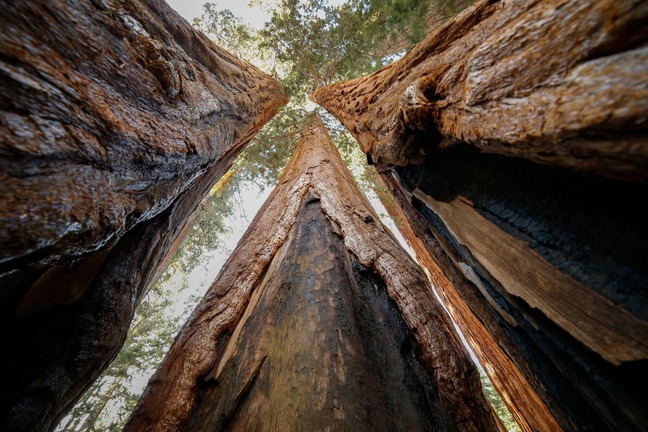
El Parque Nacional de las Secuoyas de California es el hogar de Hyperion, el ser viviente más alto del planeta, pero visitarlo podría costarle una multa de 5 mil dólares y seis meses de cárcel, pues su integridad está en riesgo debido al maltrato desmedido de las personas que acuden al lugar.

A través de un comunicado, el parque ubicado al norte de California, casi en la frontera con Oregón, detalló que ha quedado estrictamente prohibido visitar o acercarse al longevo árbol.

«Los visitantes que pisan Hyperion han resultado en la degradación de la base del árbol. El área alrededor del árbol ya no tiene helechos debido al pisoteo», destacó el parque.

Además, ha precisado que está prohibido lanzar, aterrizar u operar una aeronave no tripulada desde o sobre tierras y aguas administradas por el Servicio de Parques Nacionales dentro de los límites del Parque Nacional Redwood, excepto que el superintendente lo apruebe por escrito.

En la actualidad se han implementado numerosas restricciones en el parque, estos incluyen la prohibición de trepar cualquier árbol sin permiso de investigación emitido por el Parque Nacional y Estatal de Redwood además de un permiso por parte del Servicio de Pesca y Vida Silvestre de los Estados Unidos (USFWS) por sus siglas en inglés.

A su vez, el arroyo Tom McDonald y la zona circundante aguas arriba de su confluencia con RedwoodCreek forman parte también de los senderos restringidos.

Aunque actualmente visitar a Hyperion está oficialmente prohibido, este gigante se encuentra ubicado en el Parque Nacional de las Secuoyas ubicado junto al Parque Nacional Cañón de los Reyes, específicamente en las montañas de Sierra Nevada del norte de California. Dicho parque se caracteriza por albergar a los enormes árboles de la especie secuoya. 

Y es que aunque el árbol se encuentra resguardado y su ubicación exacta fuera del alcance del público, ya ha presentado ciertos niveles de degradación por parte de algunas personas. Pero no sólo los humanos representan un peligro para el Titán de los bosques, pues los incendios también son un elemento amenzante. 

The Sequoia National Park de California invita a la reflexión  «¿Serás parte de la preservación del parque? ¿O parte del problema?», con la que invita a informarse sobre las consecuencias que actualmente existen si es que se llegara a visitar la zona protegida, pues afirma no existe ningún sendero hacia Hyperion.

«Desde su “descubrimiento” en 2006, este árbol ha estado en la lista de deseos de muchos entusiastas de los árboles. Hyperion se encuentra fuera del sendero a través de una densa vegetación y requiere un gran esfuerzo para llegar al árbol», señala el comunicado.

A pesar del difícil viaje, el aumento de la popularidad debido a los “bloggers”, los escritores de viajes y los sitios web de este árbol fuera de los senderos ha resultado en la devastación del hábitat que rodea a Hyperion. Como visitante, debe decidir si será parte de la preservación de este paisaje único o será parte de su destrucción», agregó.

Hyperion no sólo es dentro de la mitología griega el Titán y padre del dios del Sol sino que así se llama el árbol más sabio que seguramente vio nacer a los abuelos de tus abuelos pues siendo el ser viviente más alto del planeta —en 2004 medía unos 115.55 metros de altura— y se estima que tiene entre 600 u 800 años. 

Cabe mencionar que esta peculiar secuoya fue descubierta por Chris Atkins y Michael Taylor, ambos de origen estadounidense el 25 de agosto de 2006, ante las características de dicho árbol su ubicación exacta se mantiene en secreto para tratar de protegerlo.

All of this has earned him to be considered by the Guinness World Records como el árbol vivo más alto del mundo con una altura de 116.07 metros de altura en 2019.

El árbol «secuoya roja» o «de California» es un árbol muy longevo —llega a vivir entre mil 200 y mil 800 años— y además su altura es espectacular siendo la conífera más alta, llegando a medir hasta 115 metros sin incluir sus raíces y, además comprende un poco más de siete metros de diámetro en su base.

You may be interested in: Forest connectivity Why are trees making phone calls?

Redwood City seeks candidates for City Council District 4 vacancy

candidates for vacancy in District 4

The Redwood City Council is seeking candidates for vacancy in District 4.

El solicitante seleccionado se desempeñará como miembro del Concejo Municipal del Distrito 4 hasta diciembre de 2024. 

De acuerdo con la Carta Constitucional de la Ciudad y la ley estatal aplicable, el Concejo Municipal debe designar a un solicitante para ocupar la vacante antes del 18 de septiembre de 2022, por lo que está en busca de un ciudadano que busque aportar a su comunidad.

El Concejo Municipal de siete miembros actúa como representante legislativo, organismo que representa a los ciudadanos de Redwood City.

Eligibility requirements of candidates for vacancy in District 4

Los solicitantes deben tener al menos 18 años de edad y ser ciudadano de EE. UU., además se les pedirá que proporcionen verificación para ser considerados para el nombramiento, y deberán residir en los límites del Distrito 4, tal como se trazan en el Mapa de Límites del Concejo Municipal de 2019 antes del momento del nombramiento ‒antes del 23 de julio de 2022‒.

A su vez, el residente de Redwood City a postularse no deberá estar inhabilitado para ocupar un cargo civil por la Constitución o las leyes del estado de California.

Periodo de aplicación

El período de solicitud estará abierto del 26 de julio al 16 de agosto. El secretario municipal debe recibir todas las solicitudes elegibles a más tardar el 16 de agosto a las 17:00 horas.

Las solicitudes completas serán aceptadas a través del portal de solicitud en línea disponible en www.RedwoodCity.org/Vacancy; por correo electrónico al Secretario Municipal a paguilar@redwoodcity.org; por correo dirigido a la Oficina del Secretario Municipal con atención al City Council District 4 Vacancy, en el 1017 de Middlefield Road, Redwood City, CA 94063; o en persona en la recepción del vestíbulo del Ayuntamiento. 

El horario de atención es de lunes a miércoles, de 10:00 a 16:00 horas.

Cabe destacar que las solicitudes impresas están disponibles en todas las instalaciones de la Ciudad, incluyendo el Ayuntamiento, todas las bibliotecas, el Centro Comunitario Fair Oaks y el Edificio de Actividades Comunitarias. 

El Concejo destacó que cualquier solicitud que no cumpla con los requisitos mínimos de elegibilidad no será considerada para esta vacante.

Appointment of the City Council

Después del cierre del período de solicitud, el personal de la ciudad confirmará la elegibilidad de cada solicitante. El Concejo Municipal entrevistará a los solicitantes elegibles en una reunión pública especial o regular debidamente notificada programada tentativamente para el 22 de agosto de 2022.

Si el Concejo Municipal no tiene éxito en la designación de un solicitante elegible antes del 18 de septiembre de 2022, el organismo deberá realizar una Elección Especial para llenar la vacante. 

Aunque se necesita la confirmación del Registro de Votantes del Condado de San Mateo, la fecha más temprana disponible para una Elección Especial es el martes 31 de enero de 2023, pero podría ser hasta el 7 de marzo de 2023 de no encontrarse a un candidato al puesto.

Los interesados pueden obtener más información visitando el sitio web www.RedwoodCity.org/Vacancy, y si se tienen preguntas o necesita servicios de traducción para conocer el proceso de solicitud, puede comunicarse con el secretario municipal al (650) 780-7220 o envíe un correo electrónico a paguilar@redwoodcity.org.

You may be interested in: Redwood City Mayor Drops Out of California Assembly Campaign

Increase in COVID-19 cases in the U.S. sparks discussion on possible return of mandates

Increase in COVID-19 cases in the U.S.

The fifth wave of the pandemic has caused a surge in COVID-19 cases in the U.S., sparking discussions about whether mask mandates should return and the importance of getting the COVID-19 vaccine.

More than two-thirds of the U.S. population has tested positive for COVID-19, and 78 percent are part of the Omicron BA5 subvariant, which is not only more contagious but also has more severe symptoms. However, health measures to prevent contracting the disease have been reduced over time.

The use of masks, antibacterial gel, and other things have been left behind, as people have had to return to normality. However, while precautionary measures lose importance, the virus advances. 

"The virus is not fast, but it moves," said Ben Neuman, professor of biology and head of virology at Global Health in a panel organized by Ethnic Media Services where experts met to discuss the risks posed by new variants of SARS-CoV-2 virus infection.

Neuman stressed the importance of the population getting the COVID-19 vaccine as well as its boosters, because although they do not rule out the possibility of becoming infected, they reduce complications, hospitalizations and deaths. “We have to use the tools we have as much as we can,” he said.

There are more positive cases than reported

For his part, Peter Chin-Hong, a professor of medicine specializing in the treatment of infectious diseases, commented that the numbers of people who have tested positive for the disease caused by the SARS-CoV-2 virus are higher than those officially reported, since there are those who perform the tests at home or those who simply let the disease pass. "If 1,300 cases are reported a day, there are probably actually a million," he said.

"The true number of infections is much higher than what we are counting," said William Schaffner, a professor of medicine in the Division of Infectious Diseases at Vanderbilt University School of Medicine. 

He also noted that in his experience, rapid COVID-19 tests are less likely to report a positive result in cases of Omicron's BA5 subvariant.

He also stressed that respiratory infections have increased during this summer season, but this does not mean that all people who have symptoms have the disease caused by the SARS-CoV-2 virus, so it is best to take a PCR test instead of a rapid test at home.

Discussions continue over the use of masks

States like California have considered reinstating mask mandates, but have backed off because COVID-19 cases have been declining. “That will be up to local authorities to decide,” Schaffner said, but he recommended that masks be worn at least by those at risk of complications, including older adults and people with underlying health conditions.

“Just because we don’t have a mask mandate in public spaces doesn’t mean it’s not a good idea to wear a mask, so it’s still a very strong recommendation even if you’re fully vaccinated and you have your boosters, because who wants to be at home for 5 days?” Chin-Hong said, noting that they not only allow those wearing them to protect themselves, but they also protect all levels of society.

Neuman commented that “from a technical standpoint, masks work, they are always a very good idea and we should have mask mandates and vaccine mandates.”

Is Paxlovid a viable treatment?

The Centers for Disease Control and Prevention (CDC) says Paxlovid is still recommended as a treatment for early-stage mild to moderate COVID-19 disease in patients at high risk for severe disease, preventing hospitalization and death. However, people with kidney or liver problems are not eligible to receive the drug.

"It prevents the development of a more serious disease," said Schaffner, who along with his wife received the treatment when they were eligible, because although the Food and Drug Administration (FDA) approved it for emergency use, there are a series of requirements that patients must meet to obtain Paxlovid.

The requirements for using Paxlovid as a treatment are:

  • Having tested positive for COVID-19 infection
  • Have mild or moderate disease
  • Have one or more risk factors for progression to severe disease
  • Not requiring hospitalization at the time of starting treatment
  • No evidence of renal or hepatic impairment

For more information on vaccines visit https://covid19.ca.gov/es/vaccines/.

You may be interested in: San Joaquin County still faces major challenges in COVID-19 issues

Redwood City Sequoia Hospital workers' strike ends, agreement reached

Sequoia Hospital in Redwood City
Photo: Andrew Dudenbostel

By Bay City News.

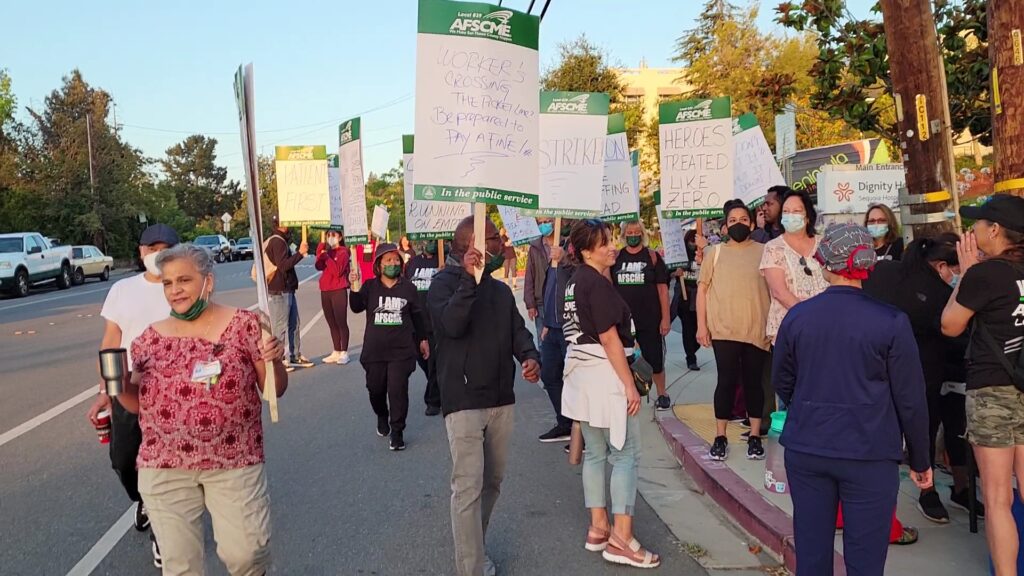
A workers' strike at Sequoia Hospital in Redwood City ended after 11 days when union members approved a new four-year contract with management last Friday.

With 64 percent voting in favor, union members approved a tentative agreement reached the day before with hospital owner Dignity Health, according to a news release from the union, American Federation of State, County and Municipal Employees Council 57.

Union members had asked for more than the 4 percent pay increase they said they had been offered.

The union's press release did not include details of the new contract, but said, "The recently ratified contract includes major achievements that improve working conditions, wages and patient care." 

In turn, he said, “it ensures an increase in certified nursing assistant staffing levels, which will improve both the quality of care provided and workplace safety. Management can no longer unilaterally increase employee health insurance costs, a first for a Dignity Health hospital and a major step toward financial stability for workers.”

Dignity Health officials were not immediately available for comment Monday evening.

Hundreds of workers, including nursing assistants, surgical technicians, respiratory therapists, housekeepers, cooks and others, began picketing at the hospital and Dignity Health headquarters on July 18.

A week later, Dignity officials threatened to cut workers' health benefits, saying in an emailed statement that the hospital system's health plan requires employees to work a full schedule and confirmed that those on strike would lose access to the benefits plan:

“Employees who do not meet the requirements of the benefit plan program are removed from the benefit plans at the beginning of each month. In August, this will include employees who stopped working in conjunction with the AFSCME indefinite strike.”

Dignity Health officials also said in the email that employees would get their medical care back once they resume work. The union said the move was unnecessary and designed to break the strike.

In the union's Monday news release, Jackie Garcia, a surgical technician at Sequoia Hospital, called the new contract a victory for current and future patients and staff.

“This is going to be a better, stronger, safer place to seek and provide care.”

You may be interested in: Strike at Sequoia Hospital in Redwood City; new contract demanded

Gavin Newsom Declares California a State of Emergency for Smallpox

Gavin Newsom Declares California a State of Emergency for Smallpox

Image: Twitter CA Public Health

On Monday afternoon, Governor Gavin Newsom decretó a California en Estado de Emergencia por viruela símica, como parte de la respuesta continua del estado al brote de dicha enfermedad y para reforzar los esfuerzos de vacunación para los californianos.

«California está trabajando con urgencia en todos los niveles del gobierno para frenar la propagación de la viruela símica, aprovechando nuestras pruebas sólidas, el rastreo de contactos y las asociaciones comunitarias fortalecidas durante la pandemia para garantizar que las personas en mayor riesgo sean nuestro enfoque para las vacunas, el tratamiento y la divulgación», dijo Newsom. 

«Seguiremos trabajando con el gobierno federal para asegurar más vacunas, crear conciencia sobre la reducción del riesgo y apoyar a la comunidad LGBTQ+ en la lucha contra la estigmatización», agregó.

La proclamación permitirá que el personal de los Servicios Médicos de Emergencia ‒EMS, por sus siglas en inglés‒ administre vacunas contra la viruela del simio aprobadas por la Administración de Alimentos y Medicamentos ‒FDA, por sus siglas en inglés‒ de manera similar a la autorización legal promulgada recientemente para que los farmacéuticos administren vacunas. 

La respuesta del estado a la viruela del símica, dijo, se basa en la infraestructura desarrollada durante la pandemia de COVID-19 para implementar clínicas de vacunas y garantizar un alcance inclusivo y específico en asociación con organizaciones locales y comunitarias.

El mes pasado, los líderes de salud pública de California instaron a los socios federales poner a disposición del estado más dosis de vacunas lo más rápido posible para que el estado pueda ampliar la elegibilidad a exposiciones tanto confirmadas como probables, así como a personas que corren un alto riesgo de contraer el virus. 

A la fecha, el estado ha distribuido más de 25 mil dosis de vacunas y hará asignaciones adicionales en los próximos días y semanas, precisó un comunicado emitido por el gobierno este lunes. Sin embargo, en total, California ha recibido 61 mil dosis.

Cabe destacar que el condado de Los Ángeles ha recibido una asignación separada de vacunas. 

El estado también está apoyando los esfuerzos generales de vacunación en colaboración con los lugareños, lo que incluye ayudar a proporcionar personal y clínicas móviles, además de asignar las dosis a los departamentos de salud locales en función de una serie de factores, incluida la cantidad de casos de viruela símica informados en un área y la estimación de las poblaciones en riesgo.  

Desde el 28 de julio, el estado había ampliado su capacidad de prueba para procesar más de mil por semana. 

Los líderes de los laboratorios de salud pública del estado han estado trabajando con los laboratorios académicos, comerciales y de salud pública locales para garantizar que la capacidad de prueba esté cada vez más disponible y coordinada con la respuesta de salud pública. 

El Departamento de Salud Pública de California ‒CDPH, por sus siglas en inglés‒ también está ampliando las opciones de tratamiento. El acceso al medicamento antiviral recetado tecovirimat ‒TPOXX‒ que se usa para tratar la viruela «del mono» es limitado, pero ahora se puede administrar en más de 30 instalaciones y proveedores en todo el estado, puntualizó el documento.

Finalmente, destacó que el estado continúa con los esfuerzos de divulgación y educación para informar a los californianos sobre la viruela símica y las formas de limitar su propagación, y puntualizó que ha organizado múltiples seminarios web para departamentos de salud locales, organizaciones comunitarias y otros proveedores de atención médica y ha asistido a varios ayuntamientos y reuniones comunitarias para hablar y escuchar a los líderes locales y públicos. 

A su vez, CDPH también está programando sesiones de escucha con la comunidad LGBTQ+ y está ejecutando campañas publicitarias en varias plataformas de medios digitales para promover la conciencia e involucrar a las comunidades con mayor riesgo de contraer la viruela del mono.

Cabe destacar que apenas el 30 de julio, el estado de Nueva York decretó Estado de Emergencia por la misma enfermedad, mientras que la ciudad de San Francisco lo hizo el pasado 28 de julio.

You may be interested in: New York declares a State of Emergency due to smallpox

SF man sentenced to jail for hate crime against a family

hate crime against a family

By Bay City News    

Un hombre de San Francisco recibió 60 días de cárcel y dos años de libertad condicional supervisada el viernes por un grave delito de odio contra una familia que vestía camisetas de «Black Lives Matter», a quienes amenazó, anunció la Oficina del Fiscal de Distrito del Condado de San Mateo.

Steven L. Cibotti, de 56 años, estaba comiendo en un restaurante en Burlingame el 7 de junio de 2020 que también estaba siendo visitado por una familia de cinco personas que acababa de participar en una marcha de Black Lives Matter en San Francisco. 

La familia estaba compuesta por tres niños de siete, cinco y dos años, y vestían camisetas de Black Lives Matter, dijo el fiscal.

Cibotti supuestamente estaba intoxicado y se acercó a la mesa de la familia y gritó «las vidas azules importan» y empujó su mesa. El padre de la familia le dijo a Cibotti que no podía hablarles así y luego el acusado supuestamente gritó: «Jódanse, si tuviera un arma, les dispararía a todos».

El hoy sentenciado no refutó un delito grave de odio por medio de amenazas graves y recibió una sentencia de dos años de libertad condicional supervisada, 60 días en la cárcel con un día de crédito por el tiempo cumplido y 120 horas de servicio público. 

El culpable también debe abstenerse de consumir alcohol y sustancias controladas, incluida la marihuana, estar sujeto a registro e incautación, no estar en posesión de armas ni municiones, y tiene una orden de no contacto con las víctimas.

You may be interested in: ARMAgeddon: when hatred bears the mark of a bullet