

Friday, June 19, 2026
Home Blog Page 456

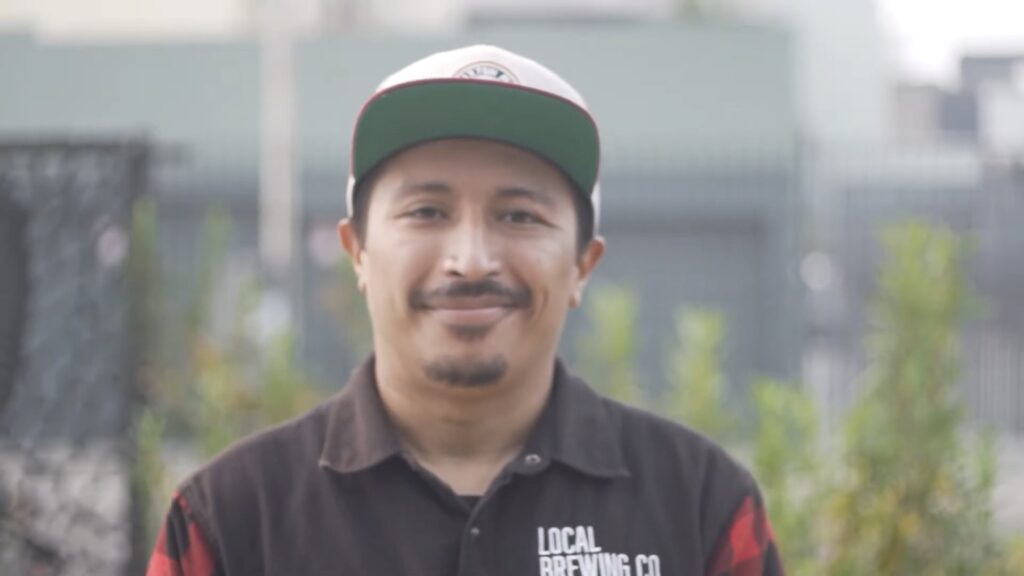
"Mundo Maya", a documentary that explores the life of Mayan migrants in San Francisco

Peninsula 360 Press [P360P]. Bay City News [BCN].

               Like millions of other young adults, Cindy and Kenny Dzib Tuz had moved back in with their parents to serve their quarantine during the pandemic.

               Kenny, 21, had been attending film school at Cal State Los Angeles and his older sister Cindy, 27, was working in communications. The Dzib Tuz grew up in the Mission District of San Francisco. Their parents, Rafael and Rita, immigrated from Oxkutzcab, Yucatan, Mexico, in the late 1980s and arrived in San Francisco just before the Loma Prieta earthquake.

               The entire family identifies as indigenous Mayans, but even in a place as diverse as the Bay Area, they did not always feel represented, even within their neighborhood.

               "It's something you don't notice as you grow up," Kenny says from his home in the Mission, "but even within our own community, even though we identify ourselves as Mexican Americans, we don't always feel like Mexicans.

               About 15 percent of Mexico's population identifies itself as indigenous, with Mayan being the second most widely spoken indigenous language in the country after Nahuatl.

               Rafael Dzib Canul left his municipality in the late 1980s, when many other members of his community were driven to leave in part by Mexico's participation in NAFTA, which led to land reforms that hurt small farmers and the henequen fiber industry, which is fundamental to the state's economy.

               San Francisco has become home to thousands of Maya people since Rafael arrived. UC Berkeley researchers estimated that about 25,000 Yucatecan immigrants lived in the Bay Area in 2018, but there is still no indication of how the pandemic has impacted these numbers.

               Despite its historical legacy, one of the most prominent physical symbols recognizing the Maya in San Francisco was erected only a few years ago: a new park called "In Chan Kaajal" - "Mi Pueblo" or "Mi Pueblito" - which opened in 2017. Murals and public art with Mayan images now appear in San Francisco's Mission District, and annual celebrations such as Carnaval have space for their artists.

               "I felt identified; I felt recognized," says Cindy. "You can see how the community is changing. It's like when you go to Chinatown and you see those names.

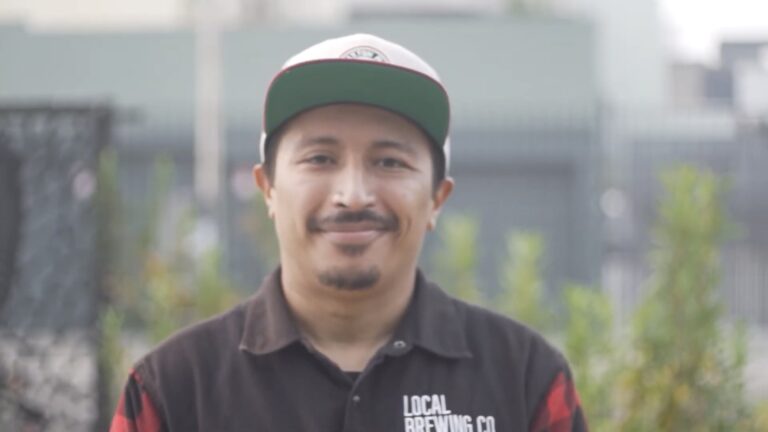
               Cindy and Kenny wanted to help spread the word. During the summer, they began discussing a possible project for National Hispanic Heritage Month, an institution they believe is still missing the presentation and the indigenous nuance. That's when they started "Mundo Maya", a documentary series on YouTube that mixes anthropology, linguistics, personal and family testimonies to preserve the personal stories of San Francisco's Mayan community. 

               They've released five episodes of the seven planned, with characters like Don Jaime, whose serene tale tells how he left Mexico when his young daughter became ill and finally got a job at the Cliff House.

               Elvia Guadalupe López Cano had to sell her pig to buy her first bicycle, with the purpose of getting on a bike someday. She came to the United States at age 19 to save for a hot rod to transport her home, but then fell in love, married and raised her family in the Bay Area.

               When Gonzalo Dzay Ix arrived in San Francisco in 1979, he says he was afraid to leave and be detained by the immigration police before he received his residency. After 25 years as a bus driver, he now wants to return to his homeland and his immediate family. 

               All episodes are subtitled in English and Spanish. Cindy and Kenny are not fluent in Mayan, so their father needs simultaneous interpretation, a topic of conversation within his own family.

               "This was an idea I had in mind, to explore my own roots. I've always lived between these two or three worlds," says Cindy about reconciling her American education with her Mexican heritage, and her Mayan heritage within both. Many others like Cindy feel the weight of living between worlds shaped by culture, language, and geography. "We do this to elevate that identity, and it may not be there anymore. The goal of our content is to initiate debate in viewers' homes. How does identity change in the U.S. versus Mexico? It's a complex thing."

               And it is. In the series, they all come from Oxkutzcab, but they live very different lives. Ignacio Maldonado, the youngest of the group and the only subject who has so far conducted his interview in English, speaks very frankly about how his identity is represented by a Venn diagram.

               He arrived in San Francisco as a teenager and therefore attended school, which exposed him to a spectrum of Latino identities and one of his lifelong passions: capoeira. Like Kenny, he has not always felt that he belongs with his peers.

               "I identify myself as Mexican," Maldonado says in the video, "but when I'm around other Mexicans I feel that I'm not Mexican, I'm more of a Yucatecan," whether because of their humor, their dialect or their cultural norms.  

               So far, the reception of the "Mundo Maya" series has been overwhelmingly positive.

               "I was very nervous about premiering the first episode," says Kenny. "I was very worried about the non-Latinos: Would they care to hear these stories? That definitely surprised me. The opportunity to uplift my own community is always a goal of mine, and you don't have to be Mexican to relate to these issues.

               Most of the argument is based on the people Cindy and Kenny interacted with as children: nannies or family friends whose stories are now coming back to life. As the introduction to the series says, "We're still here... we're still here.
COVID-19: Free trials in Palo Alto

Peninsula 360 Press [P360P]. Bay City News [BCN].

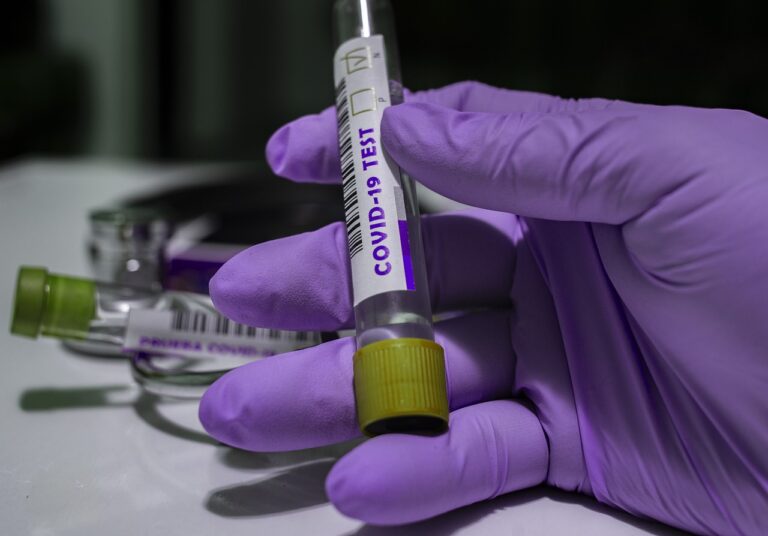
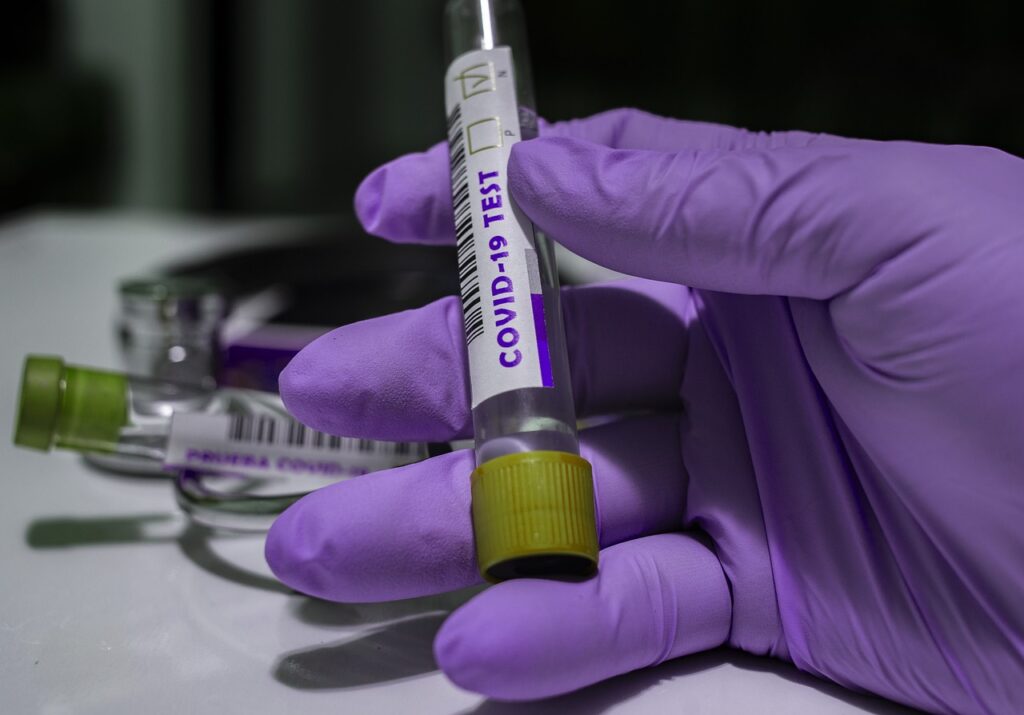
Palo Alto officials announced that free trials of COVID-19 will be offered every Tuesday, from 10 am to 4 pm, in the parking lot of the Mitchell Park Library, at 3700 Middlefield Road, Palo Alto.

Such tests are available to both individuals and families regardless of insurance status. These tests are sponsored by a local company Curativewhich is also offering similar programs in Menlo Park and East Palo Alto.

No es necesario declarar su situación migratoria. Visite https://www.cityofpaloalto.org/news/displaynews.asp?NewsID=5065 para obtener más información y obtener una cita. Se ofrecerán pruebas adicionales en dicho sitio cada dos miércoles a partir del 13 de enero.

Testing is also available by appointment twice a month at Mitchell Park Community Center, in partnership with Santa Clara County.

Mexican singer Armando Manzanero dies for COVID-19 at 85

Pamela Cruz. Peninsula 360 Press

The singer and composer Armando Manzanero Canché died in Mexico City. He was admitted on December 17 to a hospital because of COVID-19, which is why he was intubated, and who despite showing improvement in his lungs, suffered complications in his kidneys.

Wikimedia Commons 

The news was announced this morning by the President of Mexico, Andrés Manuel López Obrador, during his morning conference, who was moved to give a few words about the famous artist from Yucatán.

"I am being informed of the death of Don Armando Manzanero. It's very sad. Don Armando Manzanero, a great composer, one of the best in the country, and also a sensitive man in social matters," said the Mexican president.

"We send our condolences to his family, friends, artists and all singer-songwriters, our embrace for this loss so unfortunate for the artistic world and for Mexico," he said.

The composer of songs like "We're sweethearts", and "With you I learned" He was born in the city of Merida, Yucatan, on December 7, 1935, and throughout his career he worked as a musician, composer, singer, pianist, television actor and record producer.

Various personalities from the entertainment world have reacted to the artist's unfortunate death and have expressed their condolences through their Twitter accounts. They have also been joined by several politicians, including Mexico's foreign minister, Marcelo Ebrard Casaubón, who wrote "He regretted the sensitive death of Armando Manzanero, my condolences to family and friends. May he rest in peace".

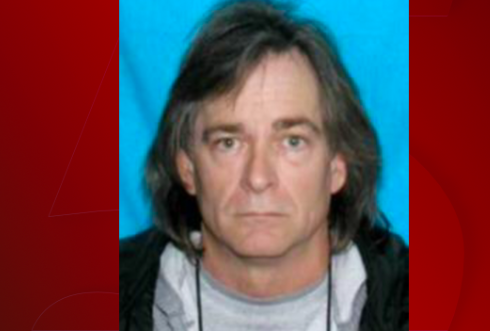
Anthony Warner, the alleged Nashville suicide bomber

Peninsula 360 Press editorial office

Tennessee officials release the photo and name of Anthony Quinn Warner as the alleged suicide bomber responsible for the explosion in downtown Nashville, Tennessee, on Friday, Dec. 25. 

The explosion, which caused extensive property damage and injured several people, took place at 166 Second Avenue North. 

After the attack, Nashville Mayor John Cooper said that at 6:32 a.m. on Christmas morning, the city's police and fire departments responded to the scene of an explosion on 2nd Ave, approximately one block north of Broadway.

The authorities describe Anthony Warner as a lonely man who worked in computer repair and about whom his neighbors knew very little. 

While authorities recognize Quinn as the alleged perpetrator of the explosion of his RV in Nashville, with the aim of causing further damage to a section of the population. 

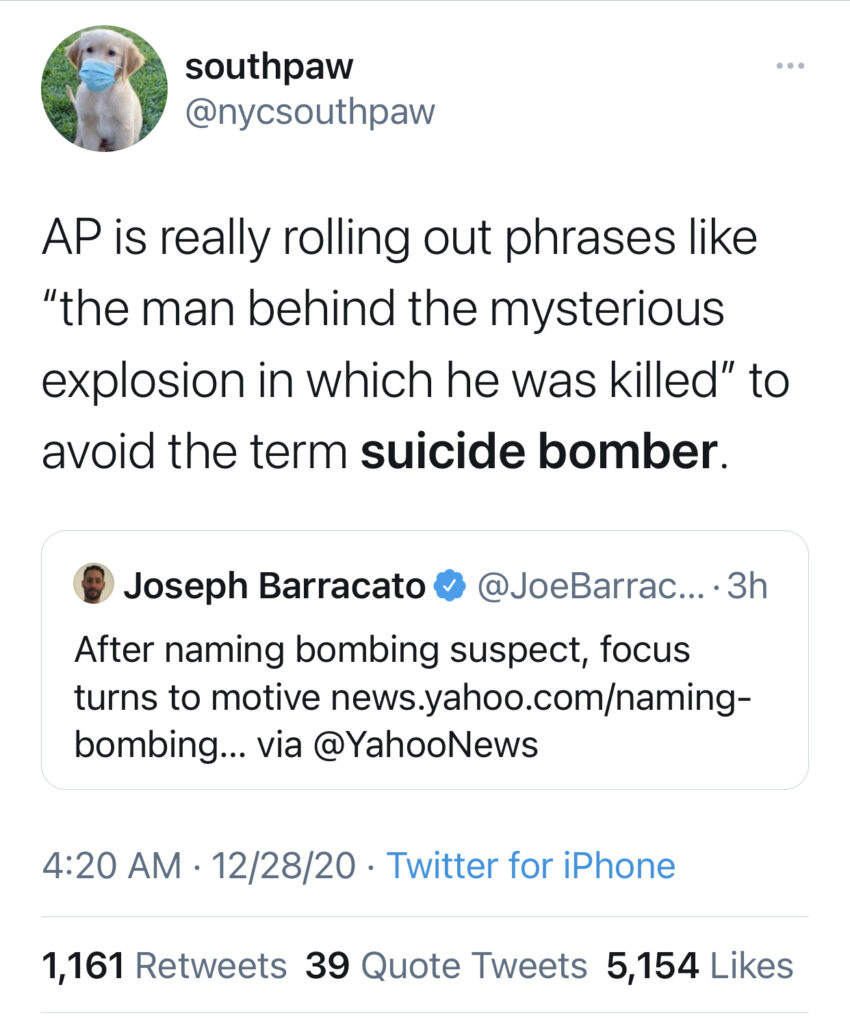
However, neither the authorities nor the corporate media in the United States use the term terrorist to refer to Quinn, a fact that has attracted the attention of a large number of users on social networks. 

"AP [Associated Press] is really deploying phrases like 'the man behind the mysterious explosion in which he died' to avoid the term 'suicide bomber,'" the @southpaw account said on the social networking site Twitter. 

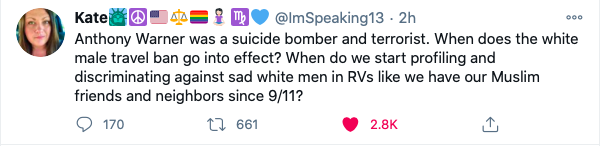
According to users on Twitter, what Quinn did was an act of local terrorism but authorities and the corporate media do not call him that because he is a white man.

"Anthony Warner was a suicide bomber. When does the travel ban on white men come into effect? When did we start profiling and discriminating against the sad white men in the caravans as we do with our Muslim friends and neighbors since 9/11?" said @ImSpeaking13


Redwood City Library offers free internet at various locations throughout the county

Pamela Cruz. Peninsula 360 Press [P360P].

The Redwood City Public Library offers free, expanded outdoor Wi-Fi coverage at three different locations to provide better access to the community while the library is closed due to the VOC-19 pandemic.

Through its website, it mentions that the Center Library's coverage area includes Lot B, a large parking lot at the corner of Jefferson and Middlefield that has five reserved parking spaces offering free wireless Internet. 

In this place, Wi-Fi is offered from Monday to Saturday, from 10 pm to 6 am, with a two-hour limit for those who need it.

In addition, the Redwood Shores branch library covers the parking lot on the community room side of the building and the Fair Oaks branch library, which offers Wi-Fi throughout San Mateo County, extends into the parking lot. 

Wi-Fi networks at these locations are available from 6am to 11pm. 

Finally, it should be noted that the Schaberg library has no adjacent parking and does not offer outdoor Wi-Fi.

It should be noted that the city council and most of the city's facilities are closed to the public due to new health measures imposed in the face of the COVID-19 pandemic.

However, operations continue remotely by phone and email. For more information, updates and resources, visit the library's website at https://www.redwoodcity.org/departments/library/.

COVID-19: Insufficient Stimulus for Pandemic Assistance

Pamela Cruz. Peninsula 360 Press [P360P].

After agreement was reached Sunday night on a second COVID-19 pandemic stimulus bill, $900 billion of which includes enhanced unemployment benefits and direct cash payments, U.S. House member Ted Lieu said that, while not much, "it's better than nothing.

"I just don't think it's big enough to deal with a scale of this pandemic, but there are some really good provisions in it. For example, he said, $25 billion in rental assistance for people who lost their source of income during the pandemic.

As well as $284 billion in forgivable check protection loans for small businesses, $7 billion for broadband and $8 billion to ensure distribution and delivery of vaccines.

He added that the $600 stimulus checks to citizens are too small. "In my opinion, it's not enough, and that's why I look forward to Joe Biden and Kamala Harris arriving on January 20, and then we'll try again with another round of stimulus next year.

The also Democrat stressed that there is no good explanation for the fact that undocumented immigrants did not get the aid, except for opposition from the Republicans, however, mixed status families are included in this bill.

He also explained that in terms of paycheck or small business loan (PPP) protection, there were abuses in the past by businesses that did not have to receive the aid, so the House of Representatives created an Oversight Committee to see how their stimulus funds are spent.

In view of the probable tsunami of evictions that the state could have, he stressed that, although there is a fund for 25 billion dollars for this item, it will be difficult to make the funds available because there are many different provisions that apply to each circumstance.

Farmers and people in rural areas can also benefit from support, either through PPP or through a personal loan (PPP), in addition to accessing the Farm to Food Bank Program, where they can bring their crops and are paid for distribution, so they do not have to destroy their crops.

"We have a lot of unemployed people. We have people showing up in long lines at food banks. And that's why the progressive group fought for the stimulus checks. It's just too small, but something is better than nothing. But I hope we can put in place an additional stimulus for the American people next year," he said.

Lieu pointed out that many of the $600 aid checks will be deposited electronically, while those unable to receive them that way will get their stimulus later, he said during the virtual panel "The Income Gap is Hovering for Millions - No Adequate Relief in Sight," conducted by Ethnic Media Services.

Chad Stone, chief economist of the Center on Budget and Policy Priorities, said he agreed with the economic stimulus that Congress has approved, but "more will be needed.

"The people who are bearing the brunt of unemployment in the housing crisis are those working in jobs that require face-to-face contact, most of which pay low wages," he said.

Of these, he explained, there are a disproportionate number of people of color seriously neglected by the old unemployment insurance system until before the crisis, when the proportion of unemployed workers was at an all-time low.

After the $600 a week received by those who lost their jobs due to the pandemic was eliminated at the end of July, "there was no more stimulus to sustain the recovery and the economy slowed down.

"Unemployment is still high, the number of jobs is still huge, and UI benefits were woefully inadequate without that $600 for those who needed it most," he added.

According to their report, in November the unemployment rate was three points higher than in February of this year, however, for African Americans, Latinos and Asian Americans, the figure rose to four or 4.5 points higher compared to the second month of 2020.

In this regard, he noted that there is a legacy of racism in the country, "the discrimination continues, the workers we are talking about, they are the last to be hired and the first to be fired. There are still many disparities in the issue of hiring".

Now, the enhanced federal unemployment benefit will offer $300 instead of $600, for up to 11 weeks (March 2021). "It's good that they've spread, but the economy is not going to get back to where it should be."

"Congress and President Biden, as well as Vice President Harris, will need to work, among other things they are doing, to make sure we have the stimulus we need to alleviate the difficulties. That will be necessary to generate a robust, sustainable and equitable recovery in the future," he said.

For Peter Hepburn, assistant professor of sociology at Rutgers University and also a researcher in the Princeton Eviction Laboratory, the United States faced a rental housing crisis long before the start of the COVID-19 pandemic.

However, according to data extracted from the Eviction Tracking System (ETS), it is estimated that the protections implemented during the pandemic have prevented at least 1.6 million eviction requests throughout the country, cases that in the absence of new protections will be reflected in 2021.

This, he said, would cause an increase in the number of homes on trial, and risk displacing an untold number of families.

"I think, however, that unless there are sufficient rental assistance programs, we have every reason to expect that you will face a large number of evictions. The scale of the problem is also evident when we look at the amounts that landlords claim for eviction cases," he said.

He added that those belonging to the African-American community are the most affected by the eviction crisis, as they receive more than 35 percent of all eviction requests.

"The history of housing in this country is a long history of systematic racial dispossession and exclusion. We continue to see that in rental housing today there is a risk of displacement through eviction," he said.

Because, he said, wages, especially for low-skilled workers, have basically stagnated over the past 20 years, while at the same time rents have increased dramatically. "So there's a growing proportion of tenants who are burdened by housing costs and haven't really seen their salary increase in decades.

In California, the moratorium on evictions is scheduled to expire on January 31; however, the moratorium is expected to be extended for one month, since the situation is in the middle of winter. However, he said, much will depend on what the Joe Biden administration does starting January 20, with the potential to extend the federal moratorium on evictions.

"I think it's very important that the federal government get busy on evictions in order to achieve broader structural reforms. I hope you know that at a time when we are thinking critically about eviction, some of the changes that are being implemented now in response to the pandemic are carried over into the future so that when we come out of this terrible time, we can take some of the policies that have worked well," he concluded.

One person dies every 10 minutes in Los Angeles from COVID-19

Pamela Cruz. Peninsula 360 Press [P360P].

Currently, one person dies every 10 minutes in Los Angeles County from COVID-19, however, many of these deaths could be prevented by following public health guidelines, as they are the only effective tools at this time.

According to the Los Angeles County Department of Public Health, as of yesterday, 148 new deaths and 13,678 new cases of COVID-19 had been confirmed, representing the second consecutive day in which the highest number of new deaths from the virus has been surpassed.

In a statement, the county explained that there are currently 6,499 people with COVID-19 hospitalized, while 20 percent of them are in the intensive care unit (ICU), which also represents a new historical maximum. 

"We extend our deepest condolences to the people of Los Angeles County who have lost a loved one to COVID-19. It is heartbreaking to report that nearly 150 more residents died from this disease, leaving many families to grieve this holiday season," said Public Health Director Barbara Ferrer.

"We need all residents to follow the security measures to stop this increase. This means staying home and limiting all non-essential activities. When you must leave your home, always wear a mask, stay away from others and wash your hands often," he added.

It is worth mentioning that, of the 148 new deaths reported, 51 people were over 80 years old; 45 were between 65 and 79 years old; 28 people were between 50 and 64 years old; 11 people were between 30 and 49 years old and one person who died was between 18 and 29 years old. 

In the last week, the number of patients hospitalized with COVID-19 increased by more than 1,600 people; while, to date, 677,299 positive cases of COVID-19 have been identified in all areas of the county and a total of 9,299 deaths.

In addition, the Public Health Department reported two additional cases of multi-systemic inflammatory syndrome in children (MIS-C), bringing the total number of cases in the county to 51 children, including one child death. Latino children account for nearly 73 percent of the reported cases.

All 51 children with MIS-C in Los Angeles County were hospitalized and nearly 50 percent were treated in the ICU. Of the children with MIS-C, 31 percent were under age 5, 38 percent were between 5 and 11, and 31 percent were between 12 and 20. 

It should be noted that MIS-C is an inflammatory condition associated with COVID-19 and symptoms include fever that does not go away and swollen body parts such as heart, lungs, kidneys, brain, skin, eyes, or gastrointestinal organs.

Hope, Biden's Christmas speech

Pamela Cruz. Peninsula 360 Press [P360P].

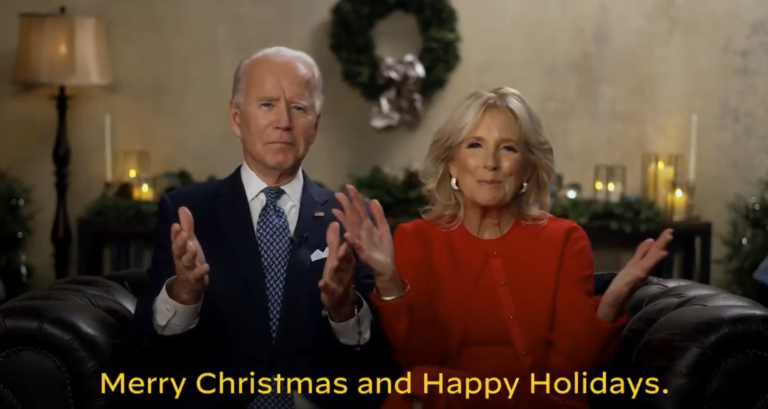
After a difficult year in many respects, U.S. President-elect Joe Biden and his wife Jill Biden gave their first Christmas speech as a presidential family, addressing all citizens of the country with hope as their central theme.

"Merry Christmas and happy holidays," was the first thing the president-elect said during the two-minute-and-four-second video message.

"Jill and I wish you and your family peace, joy, health and happiness this season. But we know that for many of you in our nation this has been a very difficult year. And this season of hope reminds us of our common humanity and what we are called to do for each other," said Democrat Joe Biden.

He added that many are struggling to find work, literally putting food on the table and paying rent or mortgage. "We are reminded that we are on this Earth to care for each other, to give what we can and to be a source of help and hope to friends and strangers alike.

The country's next first lady, Jill Biden, recalled that many families are facing their first Christmas after losing a loved one. "Joe and I know that pain. And we know how, in times of grief, one kind word can mean so much," she said.

He added that this is also a season of gratitude, so he thanked the frontline and essential workers who have put their lives on the line for everyone, and for the scientists and researchers who worked to deliver vaccines.

He also stressed that his thoughts are with the military service members who are far from home and on the loved ones who miss them. "Our family knows your sacrifice and our heart is with you.

Joe Biden recalled that normally they receive 20 to 25 people for dinner on Christmas Eve, but not this year, because due to the COVID-19 pandemic, millions of families have had to remain separated in order not to catch the virus.

"We're going to miss our family, but it's what we have to do to keep our family safe. We hope that this year you will consider limiting travel and the size of family gatherings," he said.

In this regard, Jill said that "even though our celebrations are dimming, we know that this will not be forever, and brighter days will soon come.

"On this holy day, we remember that love and joy can be shared across the greatest distances. We celebrate separately, but not alone, and look forward to next year when we can come together with a renewed appreciation for the people and traditions we love," he concluded.

Heavy explosion in Nashville, Tennessee

WTVF, CHANNEL 5
Pamela Cruz. Peninsula 360 Press [P360P].

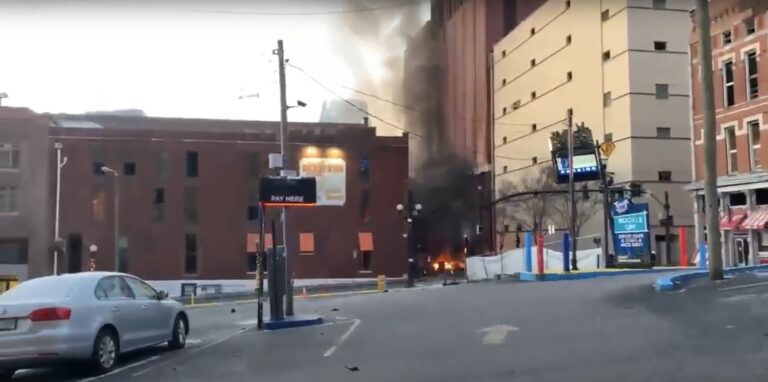
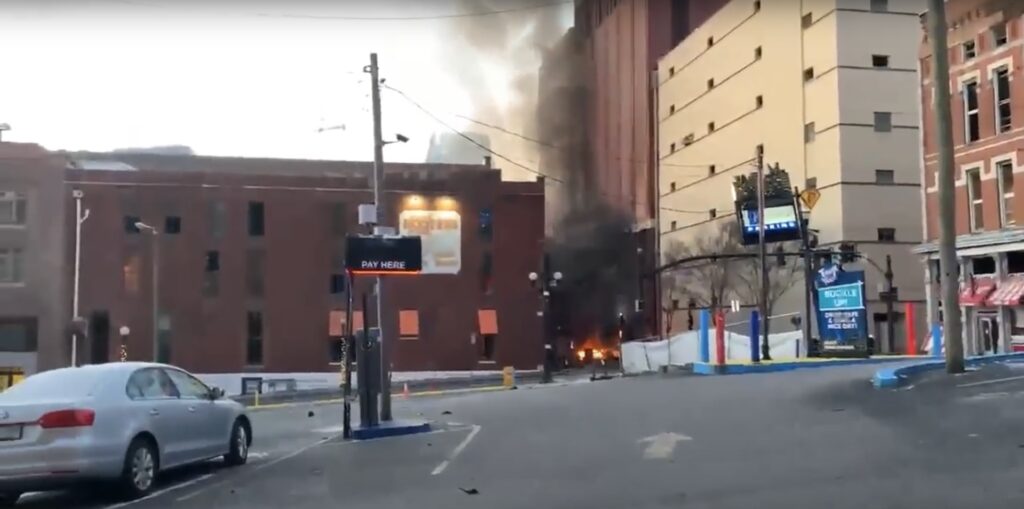
After an explosion occurred this Friday morning in downtown Nashville, Tennessee, local and federal police have launched an investigation, which they believe was an "intentional act.

Three people were injured in the blast and were transported to nearby hospitals, although none are in critical condition, police spokesman Don Aaron said at a news conference.

He added that the Department's Hazardous Devices Unit was headed downtown in response to a call about a suspicious vehicle when there was a simultaneous related explosion. "We believe the explosion was an intentional act."

The Nashville Emergency Operations Center (EOC) said in a statement that it activated a response to the intentional bombing incident in downtown Nashville just after 6:30 a.m. locally on Friday, December 25, 2020.

The explosion took place at 166 Second Avenue North, which caused extensive damage, officials said. They also said the incident was vehicle-related.

For his part, Nashville Mayor John Cooper said that at 6:32 a.m. on Christmas morning, the city's Police and Fire Departments responded to the scene of an explosion on 2nd Ave, approximately one block north of Broadway.

Through his Twitter account, he noted that the Metropolitan Police confirmed that the source of the explosion came from a vehicle.

"The cause of the explosion is under investigation with the help of federal authorities. The Police Department will share updates as they become available, and will continue to restrict traffic in the area. Keep Nashville safe. Thanks to our emergency personnel for their quick response," he said.  

On the Metropolitan Police Department's Twitter account, it is noted that the canine team is doing protective sweeps in the city center, so traffic is restricted. 

According to local media, after the explosion occurred, flames and black smoke were observed in the center of the city, which, it should be noted, is a center of ample tourist activity, with restaurants, bars and an establishment for listening to music.

Representatives from the Office of Emergency Management (OEM), the Nashville Fire Department, the Mayor's office, and the Metropolitan Police Department, as well as the Federal Bureau of Investigation (FBI) will use the EOC to coordinate ongoing investigation and response operations.

Faced with the situation, authorities asked residents to call 911 in case of emergency.

Companies announce exodus from Silicon Valley

Pamela Cruz. Peninsula 360 Press [P360P].

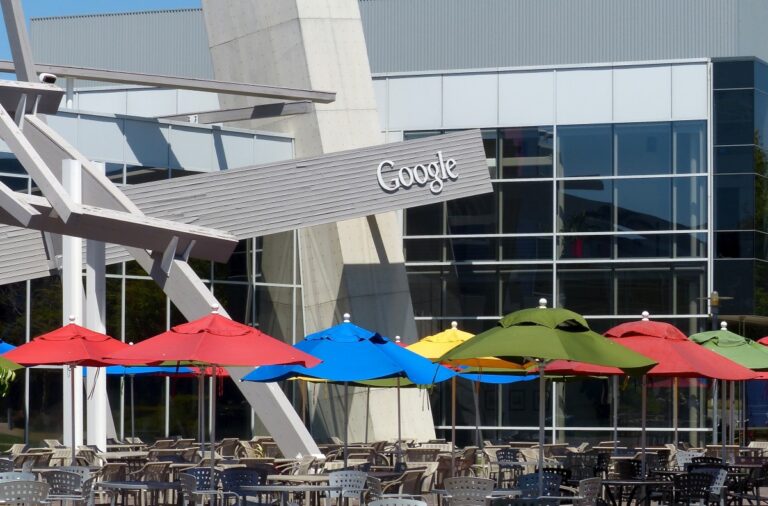
The COVID-19 pandemic, which has caused a large number of offices of Silicon Valley technology companies to be empty, as well as the rising costs of living in California, are some of the reasons why several companies have begun the exodus from this region.

Although 1938, when Hewlett-Packard was founded outside San Francisco, is considered the beginning of Silicon Valley, the truth is that today there is greater discontent about the high cost of living, the low availability of housing, as well as high levels of crime.

Although it has been mentioned that some of the main competitors in this bay area could be Los Angeles or New York, the state of Texas seems to be attracting the interest of some technology firms, either the city of Houston or in Silicon Hills, outside Austin.

Since 2013 there is talk of strong growth in these areas, with many jobs in the sector commonly known as STEM -Science, Technology, Engineering and Mathematics-, as well as for its successful model of exporting medical services thanks to the Texas Medical Center cluster.

The state has good universities, such as Rice in Houston and the University of Texas at Austin, as well as a tradition of technology companies, as Texas Instrument was founded in Dallas in 1941, just two years after Hewlett-Packard in San Francisco. 

Exodus begins 

In early December, Hewlett Packard Enterprise, which brings together the software and business services activities after the Hewlett-Packard division in 2015, announced that it will move its offices to Houston, which is considered a hard blow in the history of Silicon Valley.

Antonio Neri, president and CEO of the firm, said they have "listened to the team members, who have said they want to spend less time in a physical workplace. And in response to this new future of work we have re-evaluated our real estate strategy.

Their new facility will be a 568,000-square-foot campus in Springwoods Village, north of Houston, which will include a gym and outdoor yoga areas. While the company will maintain an area of innovation in San Jose, it will make Houston its business and employment center.

This announcement was joined by Elon Musk, who, on December 10, announced that he had left his Silicon Valley residence and moved to the state of Texas, due to the "complacency" that has recently taken over the mecca of innovation and technology in the United States.

He also announced his intention to move Tesla Motors' headquarters either to Nevada, where it has a battery factory, or to Texas, where it operates SpaceX. 

Another firm that announced its intention to move a few days ago is Oracle, which after more than forty years in Silicon Valley, said it will move its headquarters from Redwood City to the town of Austin, a fledgling technology hub that is forming in the southern United States.

In a statement the firm explains that "we believe that these movements position us better to grow and give our staff more flexibility about where and how they work". Depending on their position, many employees will be able to choose which office they want to work in. 

In addition to these announcements, the managers of Dropbox and Splunk, Andrew Houston and Douglas Merrit, respectively, have moved to Austin, as has the venture capitalist and co-founder of Palantir, Joe Lonsdale, among others.

People are also leaving the state

According to data from the U.S. Postal Service, between March and November of this year about 90,000 citizens of San Francisco reported a change of address outside the city, most of them to Florida, Nevada and Colorado.

According to the census estimate, the city had 881,500 inhabitants the previous year, so if this loss is confirmed, it would translate into a reduction in population of more than 10 percent, which has not been compensated for by the arrival of new residents.

The real estate portal Zillow mentions that the average price of a house can be around 600 thousand dollars in California, although in cities like Palo Alto or Cupertino, where Apple is based, the price is well over two million dollars.

While data from the Bureau of Economic Analysis, living in California is more expensive than in most U.S. entities, with goods and services costing 15.4 percent more than the national average.