

Tuesday, April 7, 2026
Home Blog Page 84

Hate crimes against ethnic minorities on the rise in rural California

Hate crimes against ethnic minorities
Hate crimes against ethnic minorities have increased, there is a feeling of mistrust and fear, and communities distrust the government and are therefore afraid to report or lodge a complaint.

Listen to this note:


There is a sense of distrust and fear in rural California, as hate crimes are on the rise and many ethnic minorities distrust the government and are afraid to report or file complaints. 

Ethnic minorities experience racism as a fact and, intensified since Donald Trump's rise to the presidency and his hate speech, people experience everything from bullying in the schoolyard to discrimination in the workplace, housing and elsewhere, experts said at a briefing by Ethnic Media Services.

With hate speech on the rise, a statewide anti-hate hotline and resource network was launched in May 2023. “For the first time in California history, we have had a statewide hotline to help people who are the target of hate report it and identify options for next steps,” said Kevin Kish, director of the state’s Department of Civil Rights.

“This is not just a hotline where people tell the government what happened to them. It is a tool to connect people experiencing hate with the culturally competent resources they need, in the communities where they live,” Kish said.

She said, “Some people have reported it and nothing happens, so they don’t see the point. Many don’t know if what happened to them is legally a crime that they should report. In the particular case of immigrant communities, there may be language barriers and fear of contacting the government. People in indigenous communities may be dealing with jurisdictional issues between tribal and local, state and federal authorities.”

The support line includes legal services, mental health counseling and resources, financial assistance, and social service agencies, providing support and outreach to the needs of the affected population. 

State data show that hate crimes motivated by race, ethnicity and national origin in California rose from 875 in 2020 to 1,017 in 2023, an increase of 16.23 percent.

Kim Stoll, director of marketing and communications for The Shingle Springs Band of Miwok Indians, said that in rural El Dorado County, northeast of Sacramento, 74 percent of the population is non-Hispanic white and 2 percent is Native American: “There is an epidemic of hate. There is a very conservative climate here.”

Stoll is close to people in El Dorado County and is looking into the adoption of educational programs to benefit the indigenous communities that have originally lived in the region.

Gaonou Vang, communications and narrative manager for Hmong Innovating Politics in Sacramento, said she has witnessed an isolation of the Hmong community, an ethnic group from China, which she estimates numbers between 95,000 and 107,458 members in California and 368,609 in the United States.

“Many Hmong are naturalized citizens due to their previous refugee status or because they were born in the United States, but we have a demographic increase in green card holders over the last decade, and an estimated 4,500 of these individuals have deportation orders against them as a result of being convicted of a crime, whether minor or major… even after they have served their sentence and been released,” Vang continued.

“Hate is everywhere. What is striking here is that the population has undergone a major shift,” said Marlene Thomas, executive director of the Imperial Valley Social Justice Committee, a nonprofit in Imperial County, which borders Mexico.

Thomas explained the importance of the hotline, saying, “One of the first things we can do is bring this information about how to report hate to our schools and community institutions.”

“But it is not enough… When one faces hatred, the most important thing is to keep hope alive,” concluded the director of the Social Justice Committee.

To make a complaint you can enter cavshate.org , or speak to a civil rights officer by phone at (833) 866-4281 or 833-8-NO-HATE, Monday through Friday from 9:00 a.m. to 6:00 p.m., they have 200 languages available and anonymous reports can be made.

You may be interested in: “They are extraordinary, but even more so now,” says President Claudia Sheinbaum of Mexicans in the U.S. in the face of historic remittance shipments in 2024


Violent crime down significantly in San Mateo County: Sheriff's Office

Violent crimes in San Mateo
Violent crime in San Mateo decreased significantly by 14 and 15 percent, respectively, compared to what was recorded in 2023.

Listen to this note:


According to San Mateo County's late 2024 crime statistics, violent and property crimes decreased significantly last year, dropping 14 and 15 percent, respectively, compared to 2023.

This was reported by the San Mateo County Sheriff's Office, led by Sheriff Christina Corpus, which indicated that these statistics reflect crimes reported in the unincorporated areas of San Mateo County and in the contracted communities of Half Moon Bay, Millbrae, San Carlos, Portola Valley and Woodside. 

The Sheriff's Office also provides contracted law enforcement services for Caltrain and SamTrans and operates two jail facilities. 

Thus, between January 1 and December 31, 2024, the agency's crime data demonstrates a measurable improvement in public safety compared to the same period in 2023. 

Violent crime decreased 14 percent, with 149 fewer reported cases, while property crime decreased 15 percent, which is 487 fewer incidents than the previous year.

Corpus attributed the success to the dedication and professionalism of the Sheriff's Office staff, as well as the agency's continued collaboration with community partners. 

“San Mateo County remains a safe place to live, work and visit. These significant decreases in crime are a direct result of the unwavering commitment of the men and women of the San Mateo County Sheriff’s Office, who work tirelessly to protect our communities,” he said.

In that regard, the sheriff said that partnerships with local residents, businesses and organizations have played a crucial role in ensuring public safety.

According to reports to the California Department of Justice, murder/manslaughter remains rare, with only one reported case of manslaughter in 2024.

The San Mateo County District Attorney's Office did not file manslaughter charges in this case. 

Rape crimes also decreased by 25 percent, with nine fewer reported cases; while aggravated assault also decreased by 25 percent, with 44 incidents less than those recorded in 2023.

In the case of simple assault, this fell by 18 percent, with 112 fewer cases reported; while theft in homes and businesses fell by 7 percent, with 21 fewer incidents; theft/robbery fell by 17 percent, with 237 fewer incidents; and cases of stolen property fell by 25 percent, with 40 fewer cases reported.

However, authorities said, theft increased 15 percent, with eight additional cases reported, as did motor vehicle theft with an increase of 9 percent, with 18 additional incidents reported.

Throughout the year, community members can view crime data on the Sheriff's Office Transparency Portal San Mateo County. The program allows the user to search for crimes by date, location, and type of crime.


You may be interested in: “They are extraordinary, but even more so now,” says President Claudia Sheinbaum of Mexicans in the U.S. in the face of historic remittance shipments in 2024
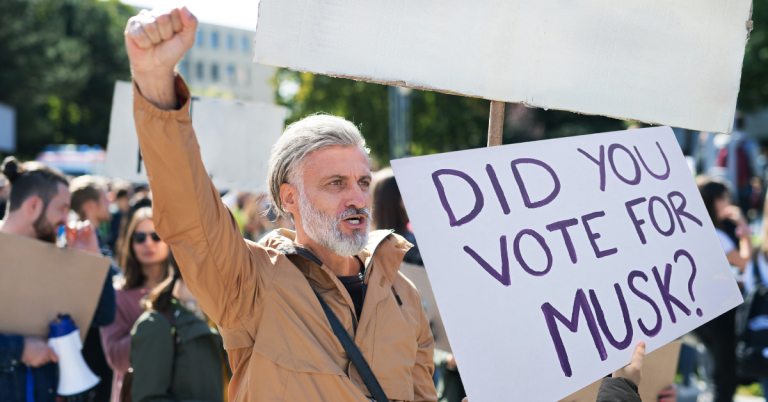
Protesters in Washington demand Elon Musk's influence in Trump administration

Protesters in Washington
Protesters in Washington took to the streets with messages such as “Nobody elected Elon” and “Ban Musk from our Government,” hundreds of people gathered in a mass demonstration in front of the Treasury Department in Washington DC, where they demanded the exclusion of Elon Musk.

With messages like “Nobody elected Elon” and “Ban Musk from our Government,” hundreds of people gathered in a mass demonstration in front of the Treasury Department in Washington DC, where they demanded the exclusion of Elon Musk of the Donald Trump administration after the integration of DOGE into the public financial system.

The crowd, holding signs, also spoke out in favour of defending democracy and against the Department of Government Efficiency (DOGE) gaining access to the Treasury Department's payment system in order to oversee public accounts.

And by having access to the payment system, it allows Musk, who leads DOGE, to directly supervise public accounts, generating uncertainty due to the lack of democratic controls in favor of President Donald Trump, and imposing people for his benefit.

During the demonstration, messages such as “Nobody elected Elon” and “Musk bans our government” could be read, demonstrating their dissatisfaction.

At the scene, Democratic Rep. Ayanna Pressley, representing Massachusetts’s 7th District, said: “Elon Musk was not elected. He’s a Nazi baby nepo who breaks everything he touches. And right now he’s locked in a room with grandpa’s Social Security check.” 

Since Trump appointed Elon Musk to lead a new Department of Government Efficiency, the owner of X has announced his plans on this social network, leaving an idea of the changes he will make. 

Musk wants to reduce the federal budget to $2 trillion, which would be 30 percent less, and to achieve his goal, he has suggested several measures such as cutting entire agencies and asking heads of agencies to be fired, among other actions.

You may be interested in: Rebuilding Los Angeles is not possible without the immigrant community, experts say

International leaders back Mexico after President Sheinbaum negotiates with Trump

International leaders back Mexico after President Sheinbaum negotiates with Trump
Following Sheinbaum's negotiations with Trump, Mexico gains support from businessmen and international leaders.

By Jaen Madrid. Peninsula 360 Press.

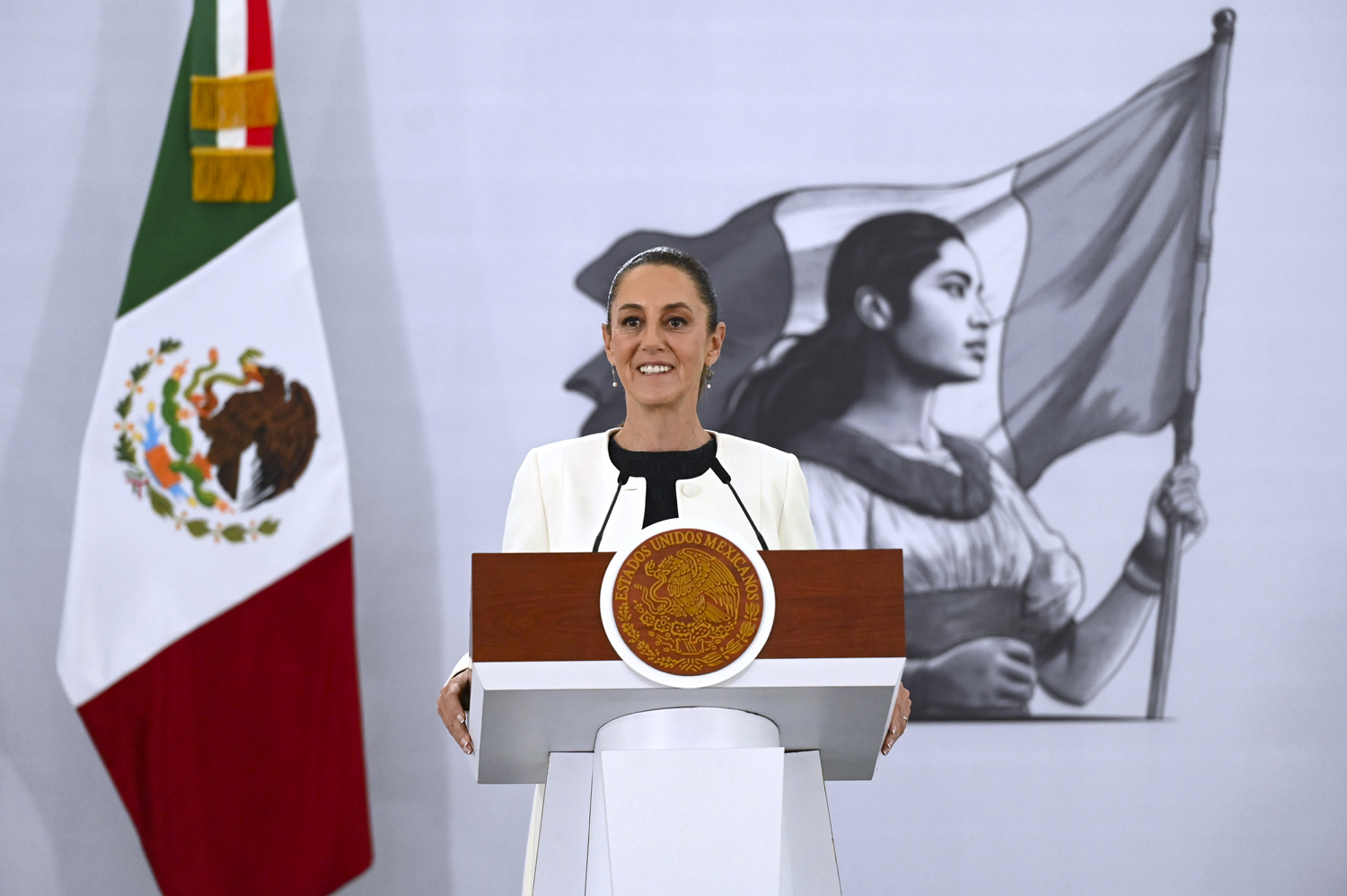
A “very friendly” call, as Trump described it. On February 3, 2025, Mexican President Claudia Sheinbaum held a conversation with U.S. President Donald Trump, reached an understanding with U.S. President Donald Trump to temporarily lift for a month the tariffs of 25 percent that his administration was poised to slap on Mexican imports. 

The negotiation marked a diplomatic achievement that prevented a negative economic impact for both nations. Reactions from international leaders, business executives, and analysts were swift, praising the Mexican president’s ability to handle the crisis with “strategy and composure.” 

The first woman to govern Mexico, leveraging her scientific precision, demonstrated firm and calculated leadership in her first major international challenge, positioning Mexico as a key player in global diplomacy.

One of the first to react was German Federal Chancellor Olaf Scholz, who highlighted the intelligence and calm with which Sheinbaum approached the situation: “I consider the Mexican president to be a very intelligent politician who has acted with composure.”

Lila Abed, director of the Mexico Institute at the Wilson Center in Washington, also emphasized Sheinbaum’s strategy in addressing the trade conflict: “She has been cautious and strategic. Her approach has been well received both in Mexico and abroad.” She added, “She's been taking actions within her government to send a clear signal to the United States that it understands that fentanyl and organized crime are a top priority for the Trump administration”.

In Mexico, the Business Coordinating Council (CCE), led by Francisco Cervantes, expressed its support for the president, noting that her strategy of “dialogue with firmness” was key to reaching a beneficial agreement. 

Representing the voice of 13 top business organizations, which together include over 2,000 associations, Cervantes reiterated absolute support for the president in dialogue, negotiation, and cooperation with Mexico’s trade partners.

During a meeting at the National Palace, President Claudia Sheinbaum called on the business sector to maintain coordination to strengthen the “Mexico Plan” and boost the country’s development. 

Carlos Slim Domit, president of Grupo Carso, along with other business leaders such as Raúl Martínez Ostos (Barclays Mexico) and Rafael Zaga Saba (Canaintex), agreed that Sheinbaum’s approach was effective and demonstrated strong negotiation skills. 

Meanwhile, Mexican businessman Claudio X. González Laporte (Kimberly-Clark.) emphasized the importance of unity in times of uncertainty and assured that, although the Trump administration is unpredictable, “Mexico will come out on top.”

Problems That Seemed Insurmountable, Until a Mexican Woman Took Charge

In a country where female leadership has been underestimated for decades, the role of women in decision-making is becoming increasingly decisive. Altagracia Gómez, Coordinator of the Regional Economic Development Advisory Council, highlighted this reflection. Her words not only acknowledged Sheinbaum’s work but also reflected a reality shared by many women in Mexico: the daily burden of making possible what others consider “impossible.”

“Yesterday’s feat should serve as a reminder that, beyond our professions and occupations, Mexican women have as our vocation the ability to perform miracles and specialize in achieving the so-called impossible.” “Dr. Sheinbaum is a leader because, in the face of adversity, she represented us with dignity and decency. She called for unity, convened dialogue, and resolved issues with responsibility and efficiency.”

International media outlets such as El País also joined in the recognition, dedicating an article to the Mexican president, stating that “Sheinbaum has emerged victorious from the first round with Trump, displaying a very different approach compared to Petro or Trudeau.”

Sheinbaum’s Message: Sovereignty Is Not Negotiable

Following the agreement, Sheinbaum called on the business sector to strengthen the “Plan México” emphasizing the importance of unity and the country’s economic development. She affirmed that, during her conversation with Trump, she maintained that “Mexico’s sovereignty is not up for negotiation,” reaffirming her commitment to national interests and ensuring that, even in collaboration, each country’s right to make decisions must align with its political, economic, and social realities.

With this agreement, Sheinbaum has successfully navigated a key initial challenge in the relationship with Mexico’s main trading partner without compromising fundamental principles. Now, the country has the opportunity to solidify its role as a leader in solving shared challenges, thanks to a historic strategy rooted in dignity and the interests of Mexicans, positioning Mexico at the center of global attention.

You may be interested in: US tariffs on Mexico paused; working groups to be set up on security and trade

“They are extraordinary, but even more so now,” says President Claudia Sheinbaum of Mexicans in the U.S. in the face of historic remittance shipments in 2024

They are extraordinary, but even more so now, says President Claudia Sheinbaum of Mexicans in the U.S. in the face of historic remittance shipments in 2024
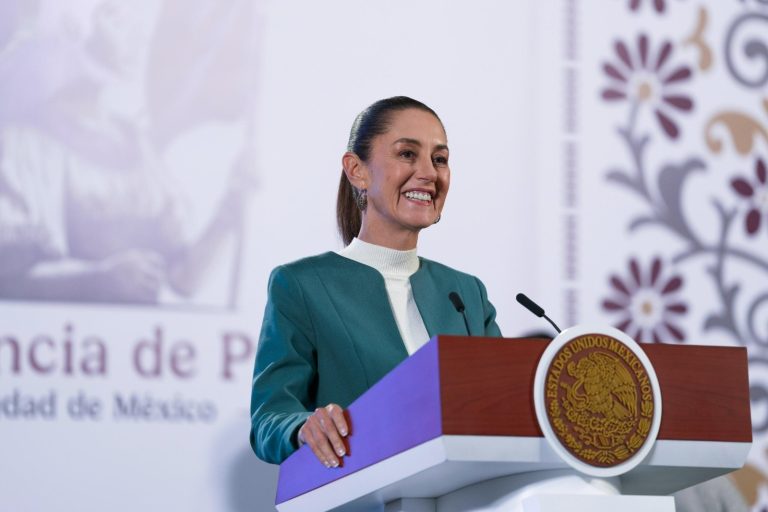
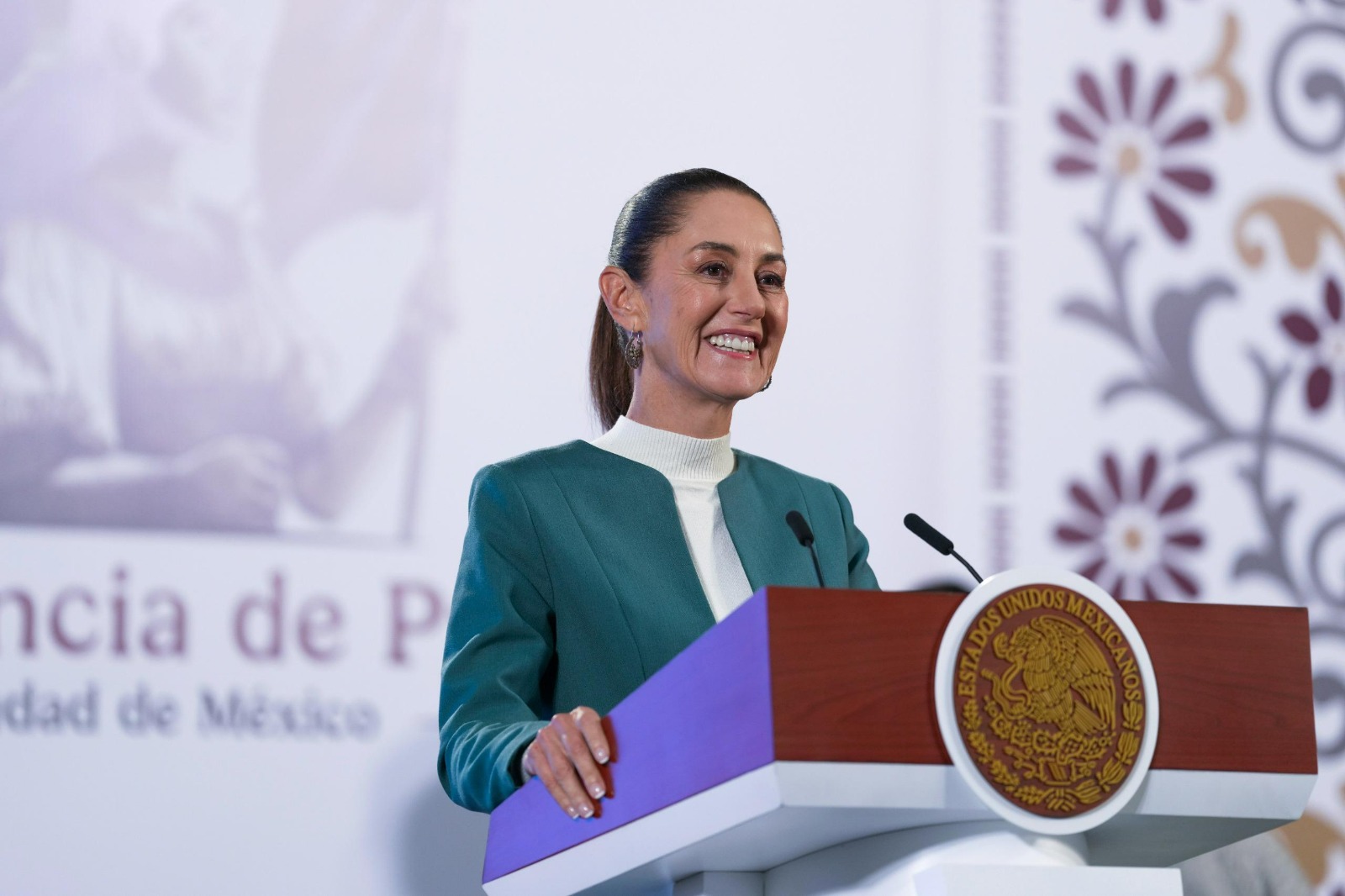
In light of the historic remittance shipment in 2024, President Claudia Sheinbaum said that Mexicans in the U.S. “are extraordinary, but even more so now.” Photo: Presidency


President Claudia Sheinbaum thanked Mexicans living in the United States for the remittances sent to Mexico during 2024, which reached a historic record of almost 65 billion dollars, demonstrating that “they are extraordinary.”

“First, I would like to thank my fellow countrymen and women who are extraordinary Mexicans always, but more so now, we must say it more forcefully,” said the president in her morning press conference on February 5 held in Querétaro, on the occasion of the Day of the 1917 Constitution, which was signed in that state of the country.

According to the Bank of Mexico (Banxico), remittances received in the country during 2024 totaled 64,745 million dollars, an unprecedented figure, rising 2.3 percent compared to what was recorded in 2023, despite a year-on-year drop of almost 51% in December.

The amount received in 2024, below the market and government expectations of 65 billion dollars, was 1.156 billion dollars higher than the also record 63.319 billion dollars in 2023, the Bank of Mexico said.

Thus, Mexico has had 11 years of increasing remittances.


“There are many of them who are there (in the United States) legally, with work permits, with a green card, or simply with nationality, because the 37 to 39 million that are mentioned are of Mexican origin who are in the United States, since they are first, second, third generation who continue to send support to their families, not every town does that,” the president acknowledged.

In this regard, he highlighted the fraternity and support of migrants with their families.

The people of Mexico are supportive and fraternal. Families stay together, they look for each other, they provide for each other. The fraternity of the people of Mexico is unique and that is reflected in the remittances, because it is not that families go there and forget about Mexico and their families, but that they support them permanently.” 

Sheinbaum noted that it is important to recognize and vindicate migrants who, with so much effort, manage to support and help not only the economy of Mexico, but also that of the United States.

“Thank you! And I want to vindicate them, recognize them and support them in whatever is needed; I also want to say that it is estimated that these 65 billion dollars that come to Mexico are only 20 percent of what they generate, 80 percent stays in the United States, so they are extraordinary Mexicans who support a part of our economy, but they support the economy of the United States in a very important way.”

“We are always grateful and vindicated by our fellow countrymen,” he concluded.

The results come amid concerns about Trump's measures such as deportations and a possible 10 percent tax on money transfers from the United States, which would cause losses of up to 13 billion dollars in remittances that Mexico receives each year, according to researchers from the University of Guadalajara who told EFE.

You may be interested in: Mexican President Calls for Calm and a “Cool Head” in the Face of Donald Trump’s Actions

Mexico should seek strategic alliance with Canada in renegotiation of USMCA: UNAM rector

Mexico should seek strategic alliance with Canada in renegotiation of USMCA: UNAM rector
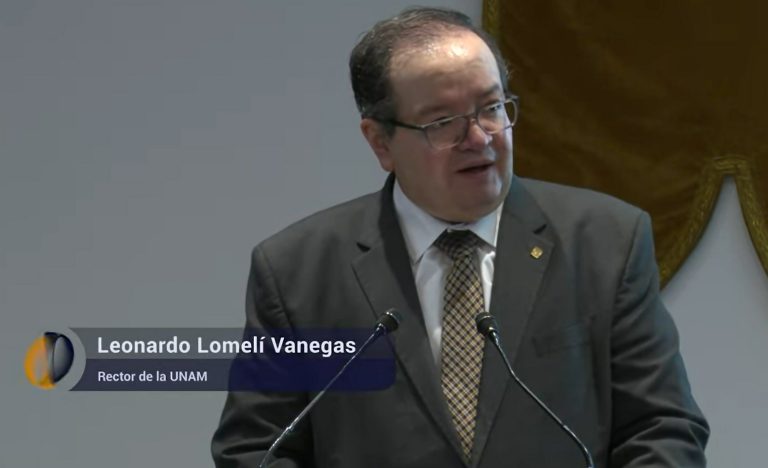
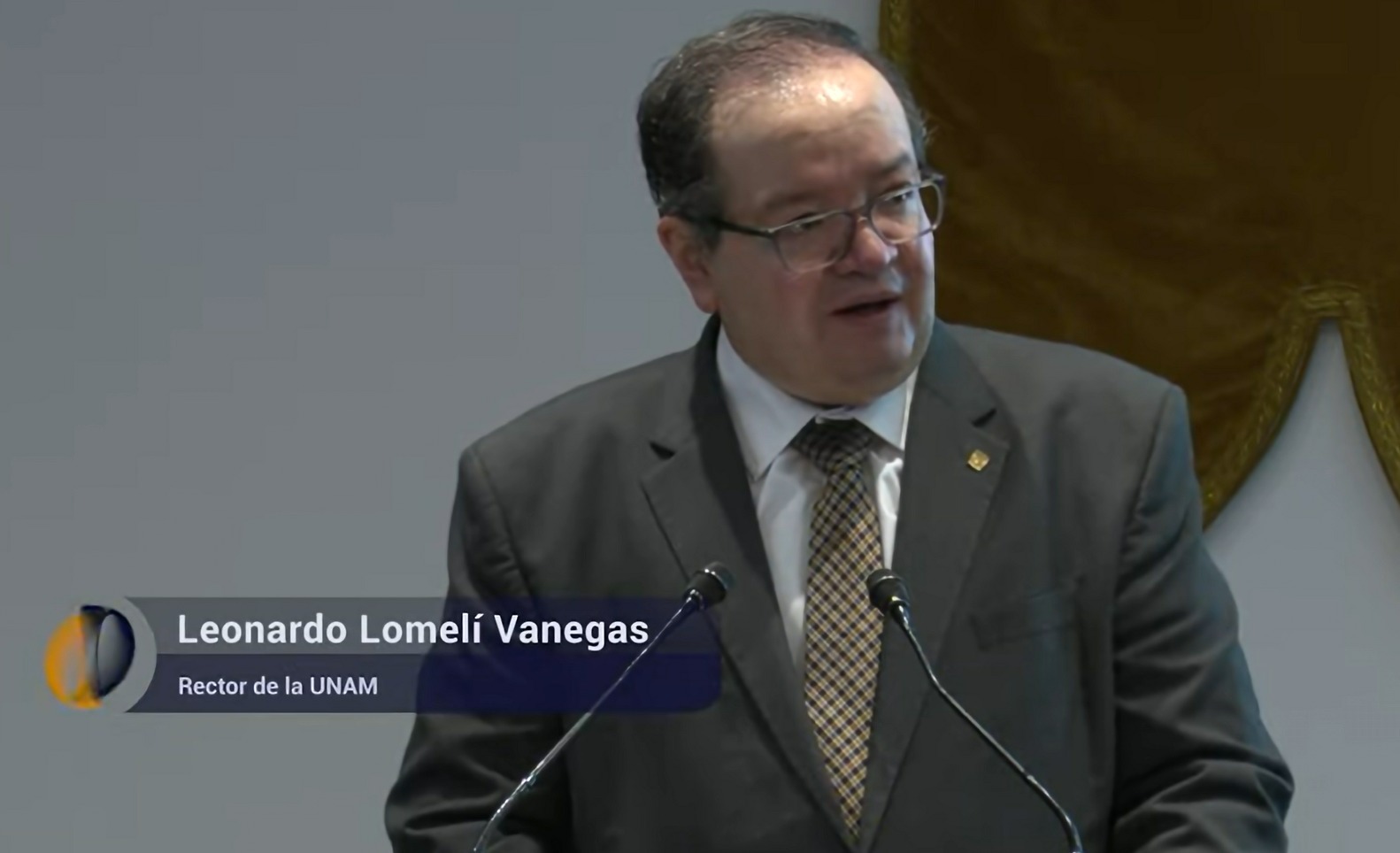
UNAM rector Leonardo Lomelí Vanegas said that in the renegotiation of the USMCA, a strategic alliance with Canada must be sought.


After stating that a narrative about the USMCA prevails in Washington that does not correspond to reality, the rector of UNAM, Leonardo Lomelí Vanegas, pointed out that in the renegotiation of the trade agreement, Mexico must seek a strategic alliance with Canada.

When giving the inaugural lecture, “The Strategic Integration of North America,” he explained that, with the arrival of Donald Trump to the White House, Canada proposed negotiating its trade agreement independently with the United States, but today the prevailing view is that Mexico and Canada should unite in this renegotiation and together face this challenge.

The Rector considered that the protectionist measures of the United States, "beyond the rhetoric, will be something temporary", since the long-term trend is the strengthening of the economic integration of North America.

“Not doing so would mean losing more competitiveness in an increasingly globalized world and putting the region at a disadvantage, notably compared to other emerging economies and to China. I believe that it is counterproductive to the United States' own interests to 'mutilate' this relationship and not bet on greater integration of North America,” said Lomelí Vanegas. 

In the conference that is part of the Colloquium “The Other Side: New Perspectives on the Mexico-United States Relationship”, Lomelí Vanegas highlighted that the economies of the three countries represent around 29 percent of the world's gross domestic product (GDP); and between 2003 and 2024 their trade went from 632 billion dollars to more than 1.6 trillion dollars annually, with an average growth of 5 percent per year.

In addition, he said, 56.5 million jobs are generated in the region. Of these, 36 million are concentrated in the United States; six million in Canada; and 14.5 million in Mexico come from sectors linked to trade, which represent 24 percent of total employment.

At the meeting organized by UNAM – through the Center for Research on North America –, El Colegio Nacional and the newspaper El Universal, the Rector explained that the region is home to 6 percent of the world's population (513 million inhabitants) and its economic weight (24 billion dollars) is greater than that of the European Union (16.6 billion dollars). In other words, it is only surpassed by the Regional Comprehensive Economic Association, made up of 15 countries in the Asia-Pacific region.

At the Jorge Carpizo Auditorium of the Humanities Coordination, he insisted that there is a promising future for relations between Mexico and the United States for economic integration and greater academic relations.

“If we look at the region's potential in the long term, we will come to the conclusion that it would be very costly for the United States to ignore the importance of the relationship with Mexico, the economic and commercial relationship. We believe that in the long term this integration will deepen and that the renegotiation of the Treaty (T-MEC) can be an opportunity to advance regional integration,” he reiterated.

Lomelí also said that strategic alliances should be established to strengthen infrastructure, employment and supply chains. In addition, relocation or nearshoring could be used as a strategy to strengthen regional manufacturing, foster academic alliances and promote talent development, among other aspects.

On her occasion, the current president of El Colegio Nacional, Susana Lizano Soberón, stressed that relations between both nations have gone through complex periods, marked by challenging political and socioeconomic situations. However, in most cases there are also efforts at cooperation that have led to beneficial solutions for both countries.

“At El Colegio Nacional we are convinced that the parallel history between our country and the United States has enriched both nations; in particular, in scientific, academic, cultural and artistic collaboration,” he said, adding that the joint work of universities and public and private institutions on multiple projects has benefited scientific, technological and cultural development.

CISAN Director Graciela Martínez-Zalce said that it was a day of sensible reflection on the region, in which one could look beyond Google maps, executive orders, explosive messages on social media and anti-immigrant and “nativist” rhetoric.

Meanwhile, David Aponte, editorial director of El Universal, stressed the importance of, in times of post-truth, digital oligarchy, authoritarian temptations and the lack of balance of power, the academy and journalism coming together to listen, understand and inform better. 

You may be interested in: US tariffs on Mexico paused; working groups to be set up on security and trade

Pro-immigrant protests in the US prompted a halt to tariffs

Pro-immigrant demonstrations
Pro-immigrant protests are joining forces to stop President Donald Trump's impositions, including tariffs.

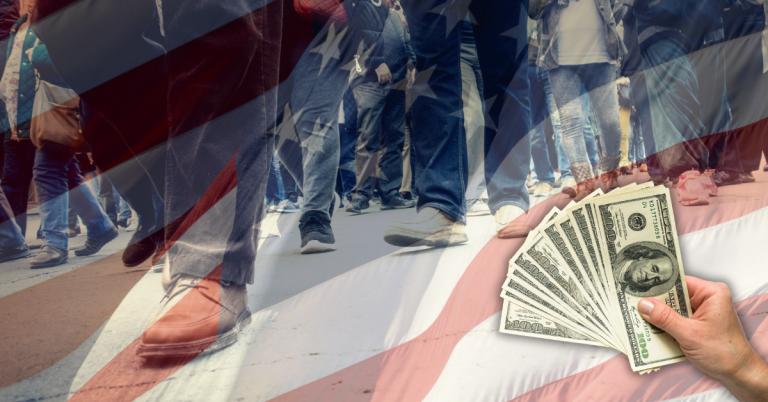
US President Donald Trump has made changes to immigration matters, which has led to mass deportations, which has also resulted in the imposition of tariffs, actions that affect the US community, which is why they have taken to the streets in different parts of the country to protest against these actions.

These samples are added to the actions that have been carried out against Donald Trump's impositions, including the issue of tariffs, mentioned journalist Manuel Ortiz during the program Peninsula 360, in Hecho en California with Marcos Gutierrez. 

“The participation of young people at this time is very important and is related to the issue of tariffs, because it is clear that it is not the only cause; however, the massive protests that have been taking place and the participation of young people have had an effect on the decision to extend the deadline for the imposition of tariffs by one month,” said Ortiz. 

Donald Trump imposed a 25 percent tariff on Mexico on February 1. By the third day, the Mexican president and the Trump administration reached an agreement to pause the imposition for a month and established a working group on trade and security, committing to reinforce the northern border with 10,000 members of the National Guard to prevent drug and arms trafficking. This working group began to mobilize today, February 4.

During the radio program, Gerardo Ortiz spoke about the demonstration and the movement that was generated this Monday, February 3, with the call for “A day without immigrants,” a call that was mobilized through social networks, asking that they carry out activities for one day in their jobs, schools, businesses and all unnecessary activities, this in order to generate an economic impact in the country.

During his participation in the movement, Gerardo Ortiz noticed the absence of people in the streets, as well as Latino businesses closed in support of the day without immigrants; in addition to this, a group of people took to the streets to demand their rights.

For his part, the announcer Marcos Guitierrez recognized the participation of the young people who are more involved, as they go out into the streets to give a voice to those who do not have one, representing parents, women, children and adults. 

Finally, an isolated case was mentioned, as during a demonstration an American flag was burned in protest, however, during the broadcast a call was made not to take these actions, to demonstrate with respect and responsibility above all.


You may be interested in: Local leaders speak out against deportations and reaffirm sanctuary cities policy

Transfer of detained immigrants in the US to Guantanamo Bay begins

Transfer of detained immigrants in the US to Guantanamo Bay begins
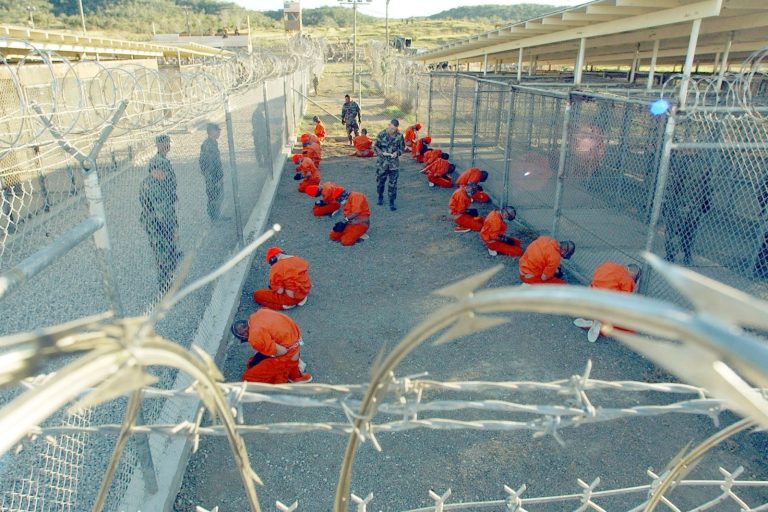
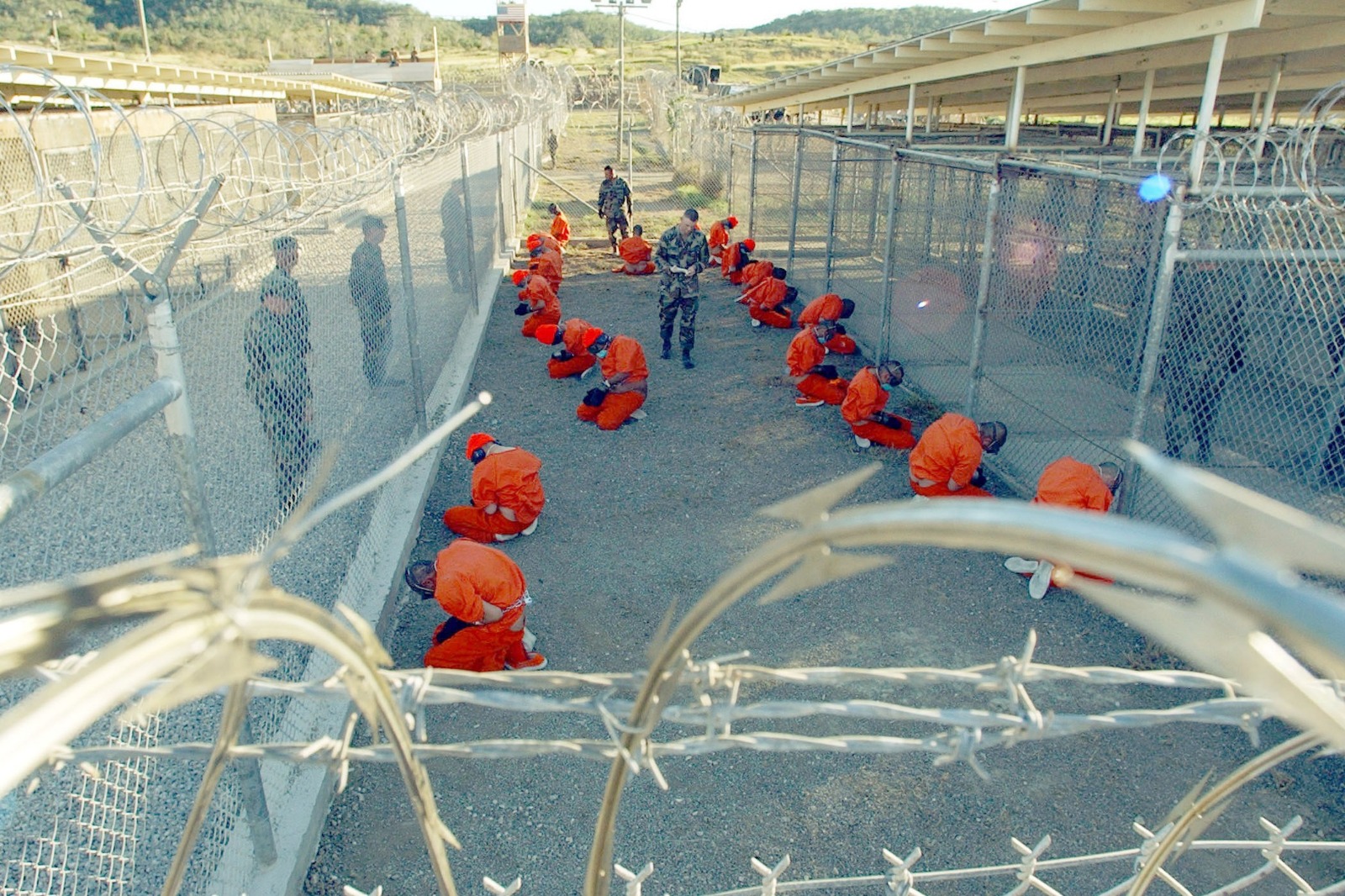
The White House has confirmed that the first flights of immigrants detained in the US to Guantanamo Bay began today. Photo: Wikipedia

The White House has confirmed that the first flights to Guantanamo Bay with immigrants detained in the United States began today, as part of President Donald Trump's plan to remove as many people from this community as possible from the country.

“I can confirm that today the first U.S. flights to Guantanamo Bay carrying illegal migrants are underway,” White House spokeswoman Karoline Leavitt said.

In an interview with Fox Business, the Press Secretary explained that the United States is not a “dumping ground for criminals” and that other countries agree to collaborate with the United States to receive not only its deported citizens, but also those from other nations.

“President Trump is not joking and will no longer allow the United States to be a “dumping ground” for illegal criminals from countries around the world. Thus, El Salvador has not only agreed to the repatriation of its own citizens, but also illegal criminals from other countries who will then be sent to its prisons,” Leavitt said.

He said that South American nations are joining the Central American country.

“Venezuela has also agreed to repatriation flights, and Colombia has also agreed to cooperate with the repatriation of illegal Colombian citizens that we have found inside our country,” he said.

In January, President Trump issued an executive order calling for the maximum expansion of a migrant detention facility at Guantanamo, saying it could hold up to 30,000 people.

It should be noted that no precise data has been given on how many migrants there are on these first flights, nor any details about these people, including whether any of the migrants have criminal records.

You may be interested in: Trump administration sets “minimum quotas” for arrests and deportations for ICE agents

Only two sexes: a risk for the LGBTIQ+ community in the United States

The LGBTIQ+ community in the United States
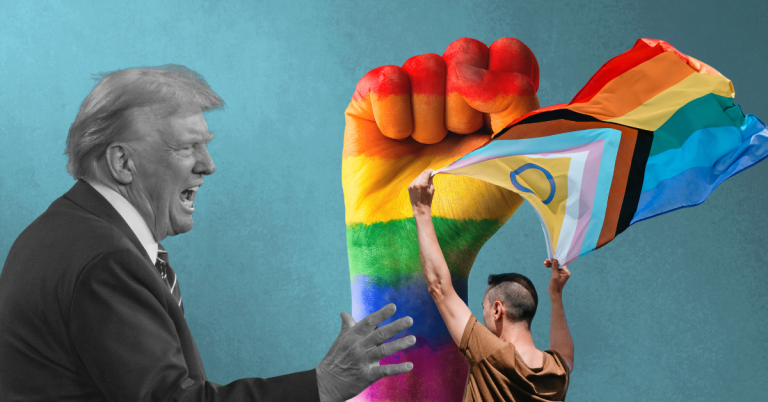
The LGBTIQ community in the United States is in danger, not only because of the measures and changes brought about by President Donald Trump, but also because of the hate crimes, mental disorders and discrimination they face.

For many years, civil associations, activists and people in general have fought for the rights of the LGBTIQ+ community, achieving progress in freedom of expression and its guarantees in the United States; but with the arrival of Donald Trump as president, an increase in hate crimes, as well as mental disorders and discrimination is expected.

“From today on, it will be the official policy of the United States government that there are only two genders: male and female,” Trump said during his inaugural address.

Titled “Defending Women from Gender Ideology Extremism and Restoring Biological Truth to the Federal Government,” the order says that “the sexes are not changeable, and are based on fundamental and incontrovertible reality.”

The president’s executive order has profound and adverse impacts on the nation’s more than 1.6 million transgender people, essentially erasing the existence of transgender people in legal, healthcare, and educational settings. The move comes amid a rise in hate crimes against LGBTIQ+ people.

During a briefing held by Ethnic Media ServicesJordan Willow Evans, executive director of the Outsider Media Foundation, expressed her uncertainty about the upcoming changes to the rights of this community, assuring that they should not fear or stop the fight, on the contrary, it is necessary to be strong and firm, now more than ever. 

For his part, Ilan H. Meyer, PhD in Philosophy at the Williams Institute, stated that it is estimated that there are around 6 million people over 13 years of age who identify as transgender and 1.2 million adults who identify as non-binary and 5 million as intersex, so a large part of the community is affected. 

Meyer commented that anti-transgender rhetoric will basically generate acts of hate against the LGBTIQ+ community. 

“The rhetoric that we are seeing now, which we are witnessing and which has a very strong implication that incites violence, where the analysis shows that there is a fivefold increase in attacks against transgender people and this increases even more with black and Hispanic people,” said the professor. 

Bamby Salcedo, president and CEO of the TransLatina Coalition, commented that his organization provides policy, research, culture, and narrative services for the LGBTQI+ community, which is why they have found that over the years there have been attempts to eliminate this sector of the population. It is not something new, but rather a constant struggle over time and it will have to be faced again.

Gael Mateo Jerez-Urquia, from Project TRANS Services Navigator in San Diego, said that due to Donald Trump's speech, there has been an increase in mental disorders, self-harm and hate crimes, in addition to dealing with between 4 to 6 gender changes a week, while calls to the emergency line due to fear and uncertainty have skyrocketed.

Sailor Jones, associate director of Common Cause of North Carolina, said that the federal government is trying to erase the existence of transgender people, but not only that, as she expressed her anger at the mass deportations that are taking place among immigrant friends and neighbors in order to create fear and make their voices smaller in the communities.

She also commented that, in terms of medical services, there is an impact, since any gender surgery or service in this regard is not available, so any effort that tries to impact medical services will end up affecting everyone at some point. 

Experts agree that President Donald Trump's rhetoric has created discrimination between communities, but it also puts people's well-being at risk, as medical services are reduced, as are opportunities, which can lead to suicide or mental illness.


You may be interested in: California must lead resistance to President Donald Trump's rhetoric: ACLU

Sandbags and supplies available at Bay Area locations in anticipation of storms

Sandbags and supplies available in Bay Area for storms
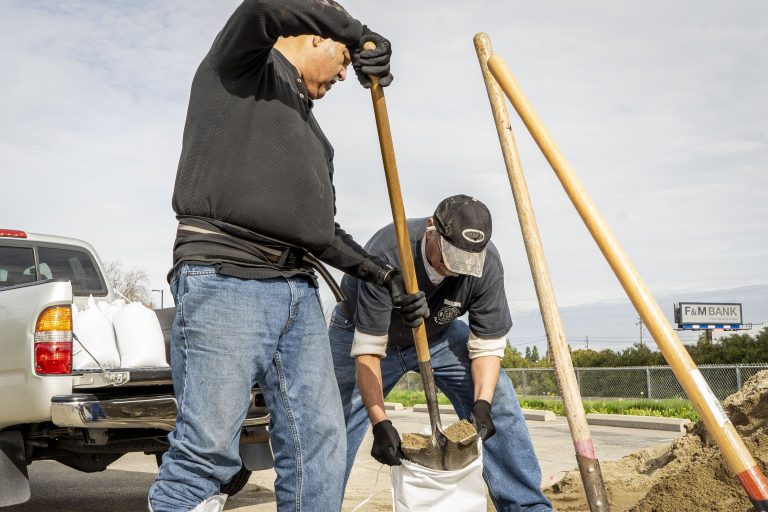
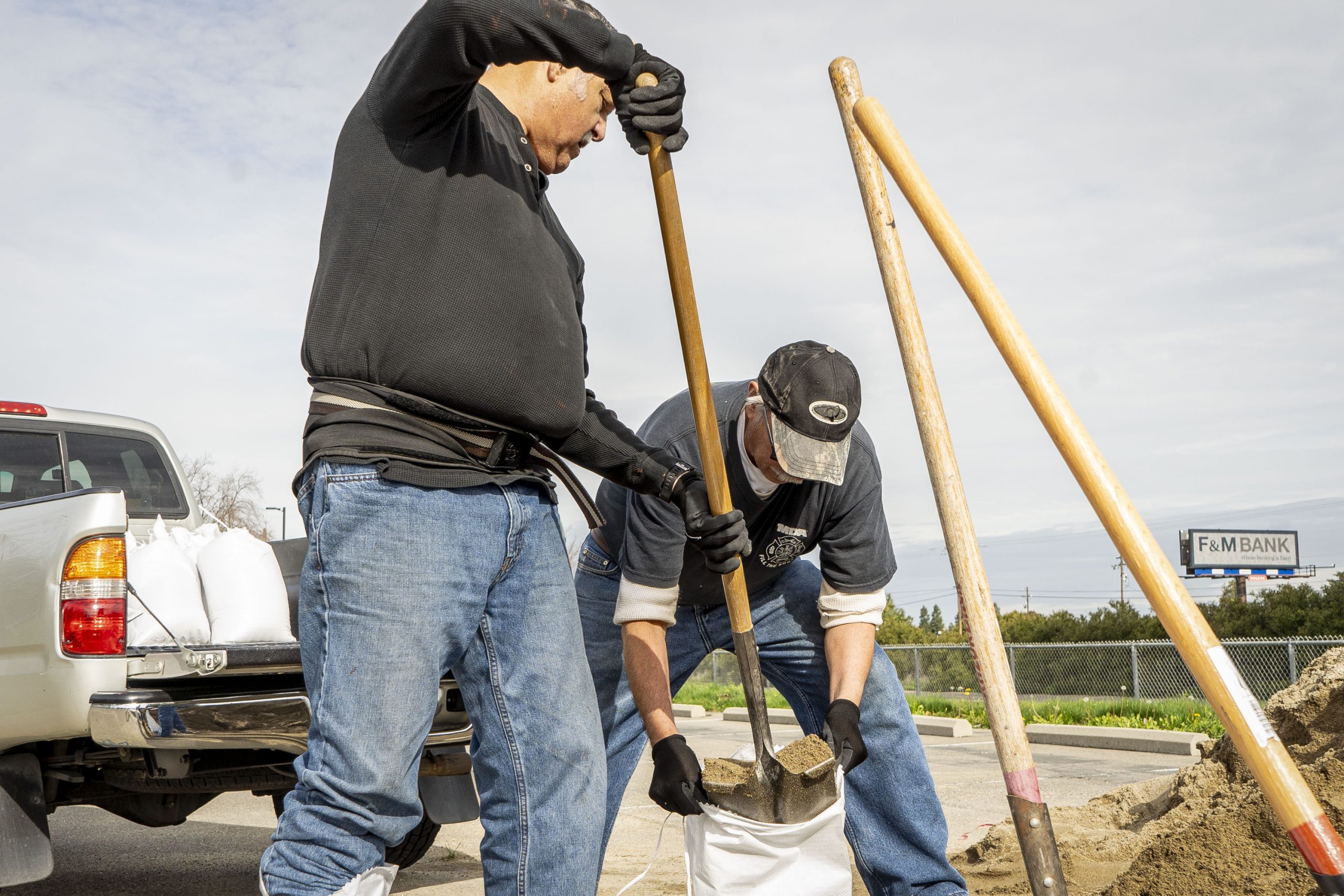
Doran Goodwin (left) and Curt Siglock (right) fill sandbags at the Stockton Soccer Complex in Stockton, California, on Jan. 26, 2024. (Harika Maddala/Bay City News)

By Thomas Hughes. Bay City News.

Sandbags and supplies are available in the Bay Area to help residents prepare for expected heavy rains that prompted a National Weather Service flood watch from Monday through Wednesday morning.

The storm is forecast to bring several inches of rain to the Bay Area, including 3 to 6 inches in the North Bay between Monday and Friday. Up to 8 inches could fall at higher elevations, and runoff could cause flooding in lower elevations.

Marin, Sonoma, Solano, San Mateo, Alameda and Santa Clara counties have made sandbags available at various collection points. Some locations are restricted to residents of unincorporated areas of those counties, including all towns in Alameda County.

In Marin County, all sites are self-serve and supplies are available on-site. Many sites are at fire stations, schools, parks and recreation areas, as well as the San Rafael Civic Center.

A helpful tip for filling your own Marin County sandbags is to use a traffic cone as a funnel, which is available along with other supplies at county gas stations.

A complete list of Marin County sandbag locations is available at emergency.marincounty.gov/pages/sandbags.

Sonoma County has sandbag stations open at the Sonoma County Fire District Station at 6554 Mirabel Road in Forestville, the Geyserville Fire District Station at 6571 Highway 128 in Healdsburg, the Rancho Adobe Fire Station at 99 Liberty Rd. in Petaluma, and the City of Sonoma at Larson Park.

All locations are self-serve. For more information on Sonoma County storm preparedness, visit socoemergency.org/emergency/flooding/sandbags/.

Alameda County pickups are limited to residents of unincorporated areas of the county. Supplies were available at the county public works building at 951 Turner Court in Hayward, but availability of supplies at other locations could not be confirmed Monday.

A list of sandbag locations in Alameda County is available at

acpwa.org/prepare-for-winter-storms.page. There is a limit of two bags per person.

Residents in unincorporated areas of San Mateo County can make a reservation to pick up up to 15 prefabricated sandbags at the Public Works Department's Grant Corporation Yard, located at 752 Chestnut Street in Redwood City.

Supplies are also available at that location for residents who do not live in unincorporated areas, along with supplies at Pescadero High School and the Public Works Department's La Honda Corporation Yard, located at 59 Entrada Way in La Honda.

For more information and to reserve sandbags, visit smcgov.org/publicworks/sandbags.

Santa Clara County residents can find several locations that have pre-filled sandbags and self-serve stations. Pre-filled sites include behind George Mayne Elementary School in San Jose, the Palo Alto Air Terminal, the El Toro Fire Station in Morgan Hill, Kelley Park in San Jose, and the Santa Clara Valley Water District warehouse at 5905 Winfield Blvd in San Jose.

A complete list of locations in Santa Clara County is available at valleywater.org/flooding-safety/flood-ready/sandbags.

Solano County residents can visit solanocounty.com/depts/oes/grs/storm_ready/sandbag_information.asp for a complete list of sandbag locations.

Self-service stations are available at several locations, including several police and fire stations and public works properties.

You may be interested in: Rebuilding Los Angeles is not possible without the immigrant community, experts say