

Por Pamela Cruz. Mexican Press Agency.
Young Latinos were a visible force in the November 3 midterm elections in the United States: post-election polls show majority support for Democratic candidates among Latino voters under 30 and participation that helped decide key races, from Texas to California.
The CNN Voter Poll estimated that 74 percent of Latinos ages 18 to 29 supported Democratic candidates for the House of Representatives, compared with 18 percent who voted for Republicans; among those ages 18 to 24, the margin was 84 to 14 percent. In Texas, 80 percent of voters under 30 supported Democrat Gina Hinojosa for governor, while in California 82 percent of young Latino voters supported Xavier Becerra.
Other measurements confirm the shift among young voters, although they offer different figures because of their methods and samples: CIRCLE at Tufts Universitycalculated that 71 percent of young Latinos voted for Democratic candidates for the House, while the AP poll found that around seven in ten voters under 30 supported Democrats in that national race. Nearly one in ten voters nationwide was under 30, so the group’s weight also depended on where it was concentrated and how competitive each election was.
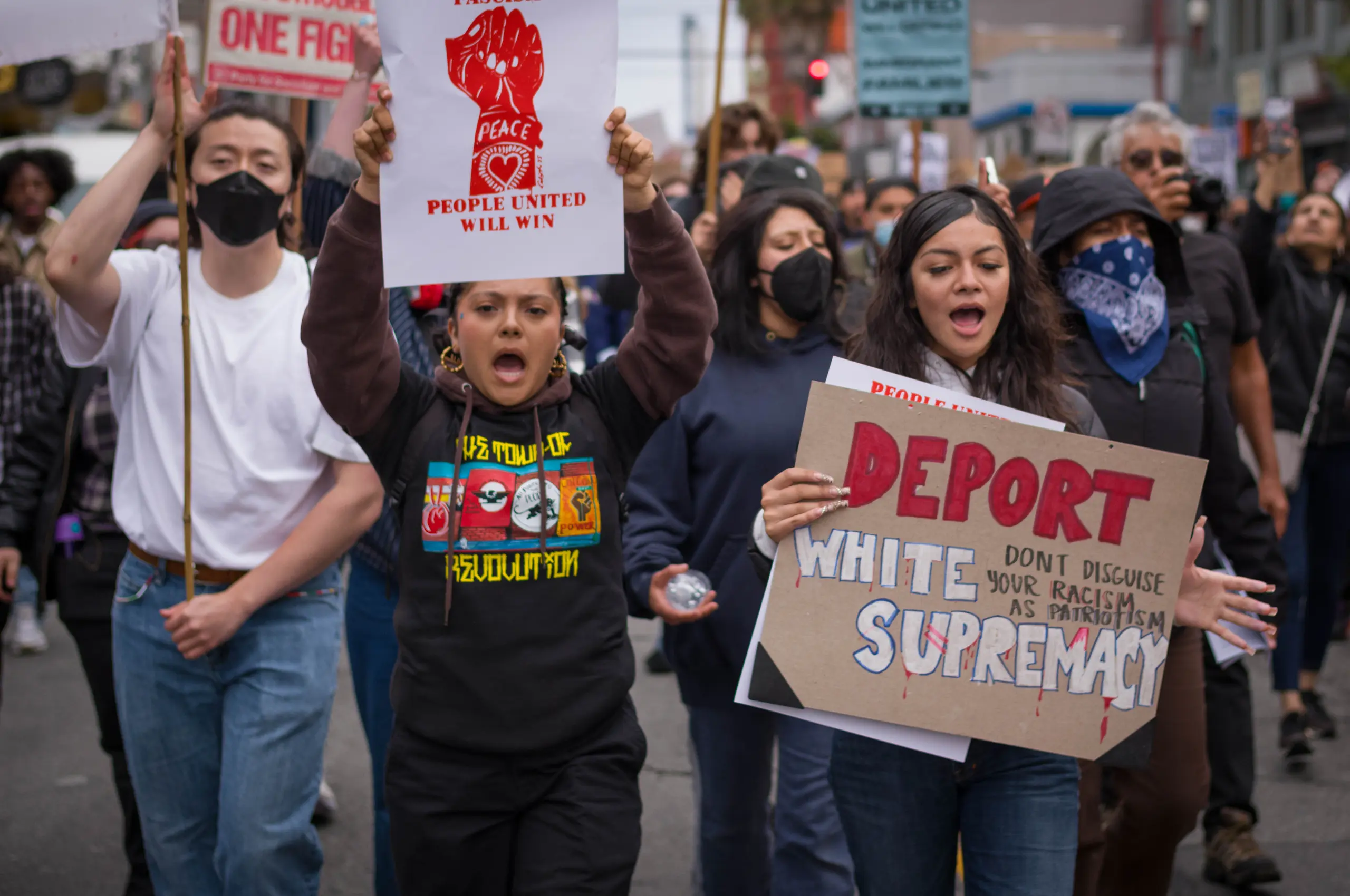
The nickname “No Sabo” became popular as a way to refer to young Latinos, children of immigrants, who are not fluent in Spanish, and although it is neither a Census category nor an electoral identity measured in polls, it was a decisive group in these elections.
Pew Research Center’s figures on Spanish and Latino identity help explain the cultural dimensions of the label: 24 percent of Latino adults say they speak little or no Spanish, and that share reaches nearly two-thirds among those who belong to the third generation or later; at the same time, 78 percent believe it is not necessary to speak Spanish to be Latino. Half of Latinos ages 18 to 29 who do not speak Spanish well said they frequently hear jokes or comments about their lack of fluency.
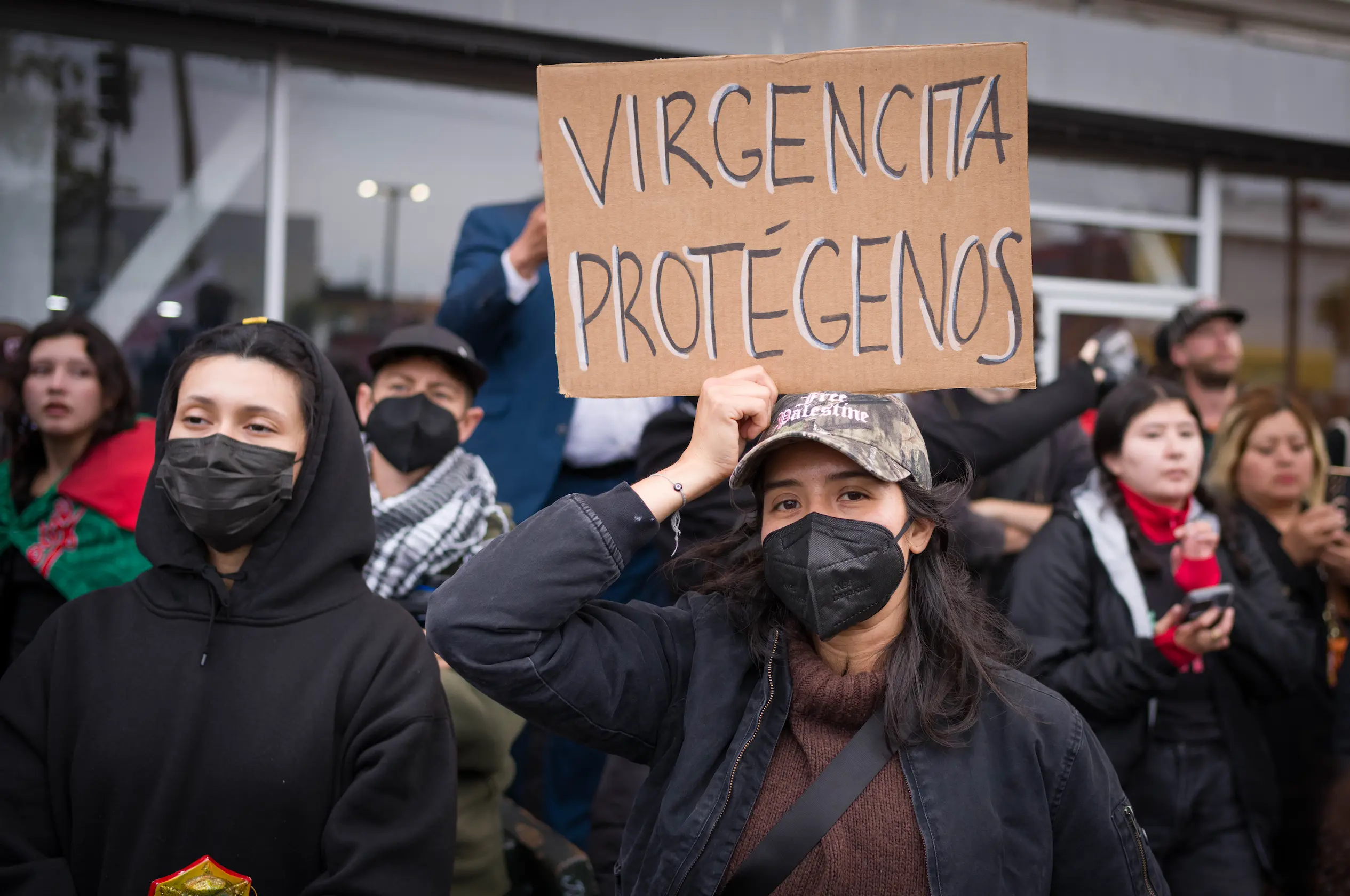
The size of this generation also matters: more than four million U.S.-born Latinos turned 18 between the 2022 midterm elections and the 2026 elections, and 30 percent of Latinos eligible to vote are ages 18 to 29, compared with 20 percent of the overall electorate, according to Pew’s demographic analysis.CIRCLE estimates that about 10.8 million young Latinos were eligible to vote this year, according to its projection of the youth electorate, although being old enough to vote does not mean being registered or casting a ballot.
The economy topped young people’s concerns overall: 52 percent listed jobs and the economy among their three main issues, and 26 percent included immigration, according to CIRCLE’s post-election analysis of the youth voteamong Latino voters of all ages, UnidosUS and the Latino Community Foundation found that the cost of living and opposition to excesses in immigration enforcement were central reasons for voting. These measurements describe different groups and do not prove that all young Latinos voted for the same reasons.
CNN’s coverage included accounts from young people who mobilized, voted early and encouraged their families to participate; it also reported that, in Texas, about 645,000 people who had not voted in 2024 did so early this time, nearly half of them Hispanic, although that figure does not identify how many were young.
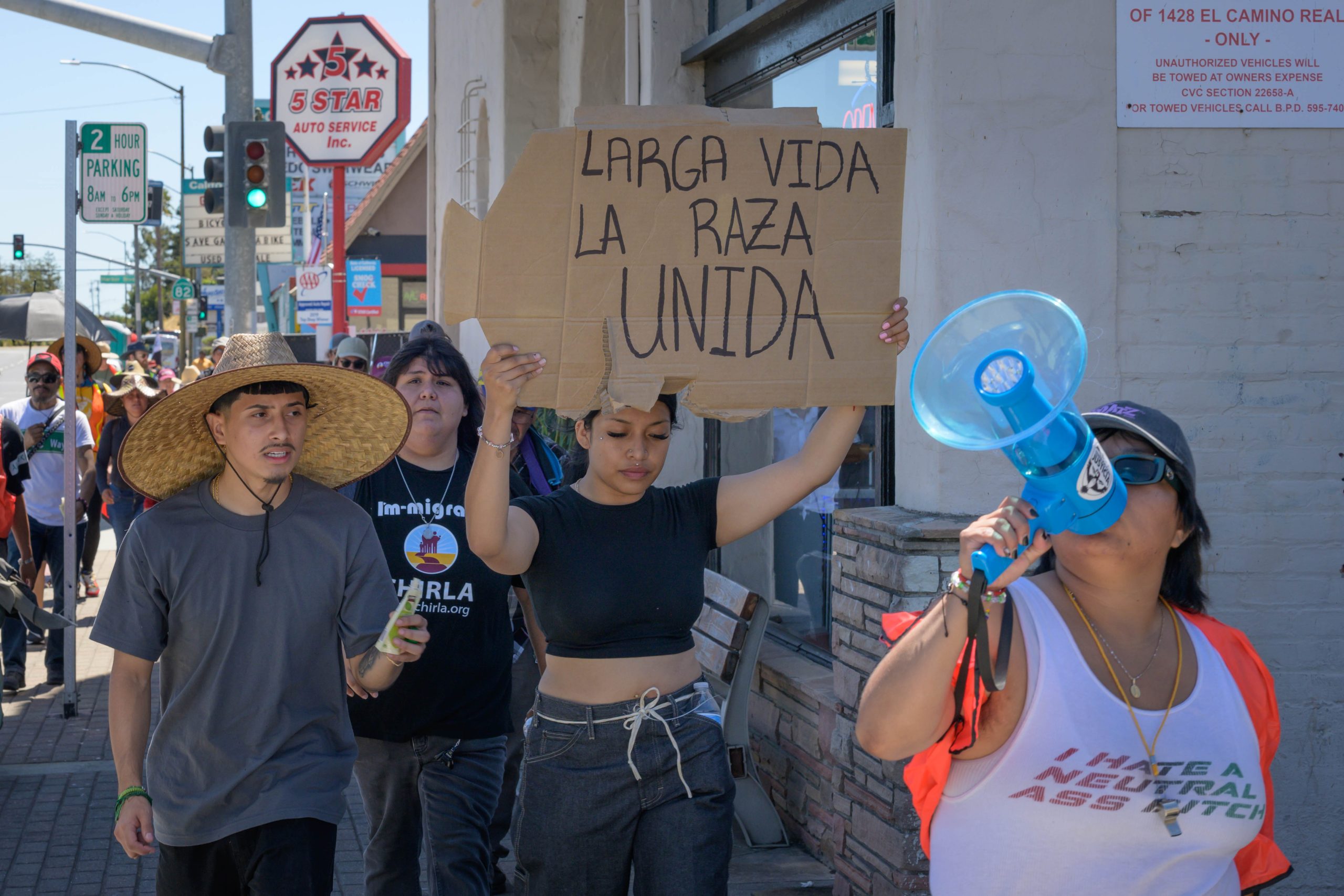
The results make it possible to speak of a generation that had significant electoral weight. And although these “No Sabo” voters did not decide the elections on their own, analyses show that young Latinos strongly supported Democratic candidates in decisive races and that parties can no longer treat their votes as an automatic extension of their parents’ votes or take for granted that language defines their identity or participation.
You may be interested in: Acompañantes a la corte ofrecen a los inmigrantes compañía cuando más la necesitan


 WeEvolveIT
