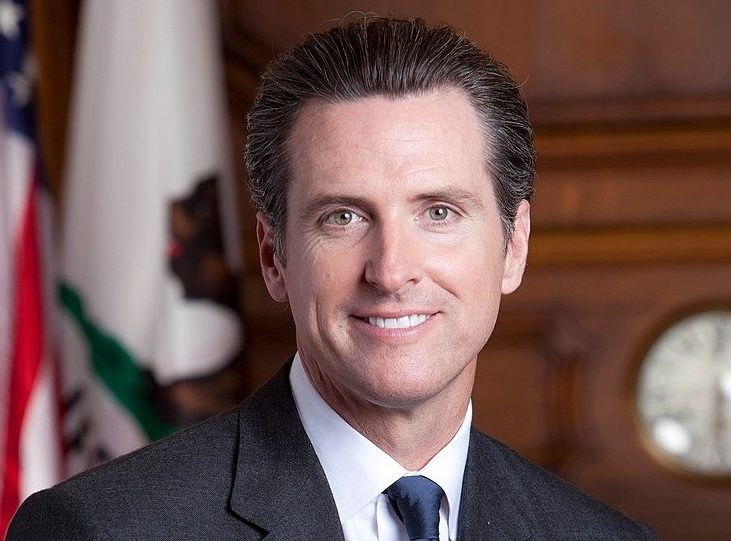
Governor Gavin Newsom, Senate President Pro Tempore Toni G. Atkins and Assembly Speaker Anthony Rendon announced an agreement Monday on a $6.6 billion budget package to accelerate the safe return to face-to-face classes across California and empower schools to immediately expand academic and mental health and social-emotional support, including during the summer.
"Now, our collective responsibility is to build on that momentum and local leadership and, equally critically, to do whatever it takes to meet the academic and mental health needs of our students, including during the summer," Newsom said.
The state's fifth-largest public school district was among the first to close for in-person instruction last year. But last week, based on a deep partnership between school staff and leaders, the district announced plans to reopen grades K-6 in mid-March and grades 7-12 in early April.
Elk Grove Unified and public schools statewide will receive $6.6 billion under the proposed budget package.
In that regard, $2 billion would fund safety measures to support in-person instruction, such as personal protective equipment, ventilation upgrades, and COVID-19 testing.
While $4.6 billion would fund expanded learning opportunities, such as summer school, tutoring, and mental health services.
Officials said all public schools would be required to offer in-person instruction for grades K-2 to all students and for all high-needs students in all grades by the end of the month, losing 1 percent of eligible funds every day thereafter if they fail to do so.
In addition, schools at "Level Red" or below would be required to offer in-person instruction to all students in all elementary grades and at least one middle or high school grade, or face the same risk of the above sanction.
As students return to face-to-face instruction, all public schools will also be empowered to meet the needs of the whole child.
Expanded Learning Opportunity Grants allocate $4.6 billion to local educational agencies under the equity-based Local Control Funding Formula, with an additional $1,000 per homeless student.
These funds would be for supplemental instruction and social and emotional wellness support.
Schools could use the funds to provide more instructional time, such as summer school, and accelerate progress in closing learning gaps through tutoring, remedial learning programs, mental health services, access to school meal programs, programs to address student trauma and social issues.
As well as for emotional learning and supports for credit deficient students and more.
The package would also codify multiple successful state programs to support the safe reopening of schools, such as prioritizing vaccinations for K-12 school staff.
Thus, the package codifies the governor's commitment to set aside 10 percent of vaccines for education workers.
This commitment ensures that the statewide prioritization of school staffing, in effect since January, becomes a reality in all 58 counties.
It will also help generate a data report for schools to report reopening status and COVID-19 safety measures. These legal requirements will help leverage efforts to increase transparency, including interactive geospatial maps displayed on Safe Schools Hub.
The package also appropriates $25 million for the state's Safe Schools Team, which serves to provide technical assistance, oversight, and accountability to California's more than 10,000 public schools.
Perhaps, one day literature will disappear and it will do so when communication through words is no longer necessary, when there are machines that can transmit thought.
It seems incredible, but since the 19th century, and thanks to the case of Phineas P. Gage (1823-1860) - who was pierced by an iron bar that went through his cheek, came out of his forehead and miraculously survived - neuroscience acquired the dimensions in which it is today because, by studying that case, it became clear that parts of the brain could be analyzed in order to find the specific places where sensations such as love, religion, God, fears, happiness, etc. are stored.
The BRAIN initiative of 2013 set out to map the brains of human beings. Neuron by neuron. An unprecedented effort that could result in knowing if something hurts a person mentally, find it physically and change it through drugs or therapies.
From this perspective, the aim has been to relate people's thoughts and decode them so that they can be translated into mechanical movements. Since the year 2000, there have been results in this area that have given serious hope for the feasibility of a machine being able to transmit what we think. If we can send what we think, will it be necessary to speak? The answer is an unknown that the future of science will elucidate. In the meantime, in that uncertain future for literature and speech itself, these are arbitrary recommendations for reading in 2021, as the end of writing arrives:
6. The great friendby Elena Ferrante. DeBolsillo.
Elena Ferrante has raised a whole search around her. They don't know for sure who she is. It has been presumed that it is in fact her husband Domenecio Starnone who writes her novels - an obviously sexist view - but Claudio Catti's research has revealed that she is the freelance translator Anita Raja, the daughter of a German mother who escaped the Holocaust and a Neapolitan judge.
Another element that led us to suspect her is that Raja works for Edizioni, the publishing house in charge of publishing Ferrante in her native Italy and that, after the worldwide success of this novel, the translator's income increased tenfold. In reality, we don't really care who this celebrated writer is, what is really worthwhile is her prose, the depth of the situations in which her characters, mainly two women, and the way in which their friendship develops in an Italy that suffered greatly after the post-war period.
The vicissitudes that they go through since their childhood and that, as the tetralogy progresses, increase the level of demand on the reader who goes from situations - to call them in a way - easy to more complex circumstances.
7. The friendby Singrid Nunez. Anagrama.
The friend by Nunez, is a work that unfolds after the death of a teacher, who is also a friend and possible lover of the writer, who achieves a novel without the greatest of setbacks.
The novel works as an essay on literature itself, but it also works as a very personal story in which the characters do not need a great presence, but rely on the discourse of its narrator who goes into the context of her life in a little more than brilliant way and launches different links where she catches the passage of the dogs in literature and the function of the writers or characters of them. All these relationships, apparently irrelevant, take on a different and, in many cases, decisive connotation to give a new contour to that inner voice that continues to grow until it encompasses the whole story.
Ingrid Nunez was once the mother-in-law of the late Susan Sontang and this is relevant because of some similarities that exist between the two, especially the essayistic, lucid and concrete tone of her narratives.
8. Lincoln in the Bardoby George Sunders. Seix Barrial
Master of short stories, George Sunders surprised both friends and strangers with this novel that is a historical journey through the life of one of the most important men in the history of the United States: Abraham Lincoln, where he looks at a decisive moment in the course of his life: the death of his young son.
The novel is a journey through this moment where a series of choruses appear and lead the scene through multitudes of dark and light places where spirits interact with the characters.
The paragraphs are brief, concise and beautiful in their economy, but not because of what they describe - which have to do with very deep areas of reflections on life, death, friendship, honor and, in itself, the meaning of the decisions that are made or not - but because of the economy of his words that, with little, say a lot. A story full of rich experimentation without it feeling like an element of unfamiliarity, Sanders shows us that great literature can also be a brief score.
9. Sapiens: From Animals to Godsby Yuval Noah Harari. Debate.
One of the sins that the Hebrew philosopher Yuval Noah Harari commits in this book is, perhaps, to believe that mankind will get rid of all its evils by the same force in which the market has delivered its evils during its history; However, the deployment of knowledge that he makes about the historical facts and the way in which he uses them to prove his hypotheses, makes his account of the history of humanity a historical line that, homogeneously, has served to note how the intelligence of mankind has been imposing itself and, uninterruptedly, has overcome the obstacles that disparity and selfishness have imposed on it.
For Yuval, all conflagrations have been due to humanity's lack of integration, its lack of collaboration and its primitive state in which even nations look out for their own interests and interpose their sovereignties to the idea that, inexorably, will come where the world will be one big village.
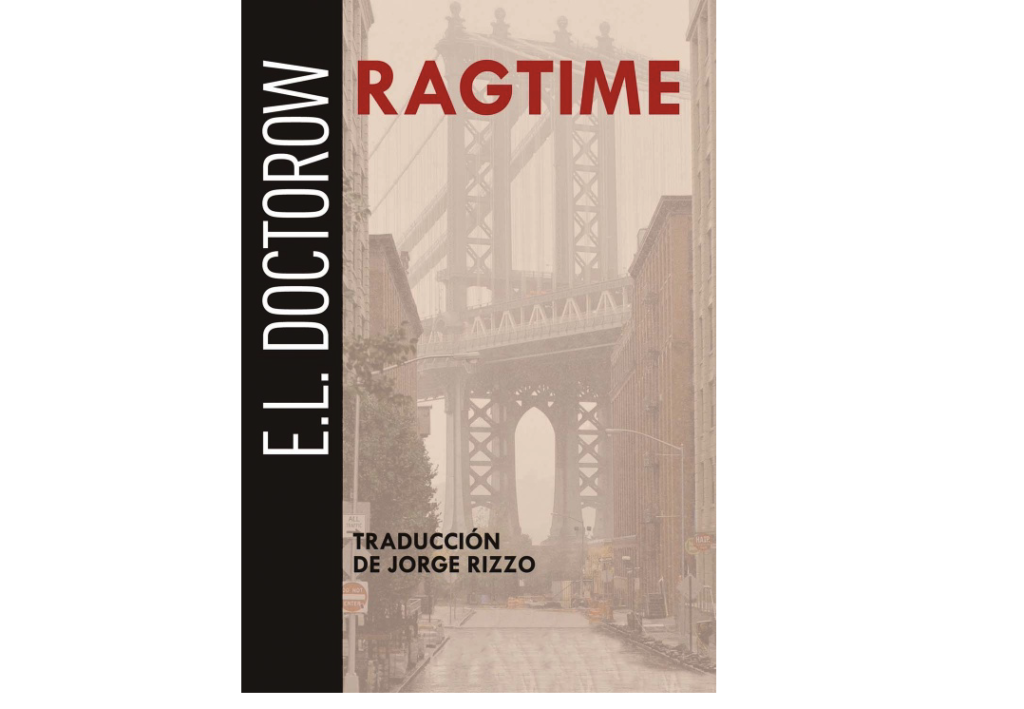
10. Ragtimeby E. L. Doctorrow. Grijalvo.
Ragtime is, shall we say, the father of Jazz or at least a rhythm that precedes it, this novel is set in the early 20th century and is, in another way, a Forrest Gump style novel where a character, in this case an entire family, intersects with the history of the United States and the intersection of characters like escapist Harry Haudini, revolutionary Emiliano Zapata, banker P. J. Morgan or feminist and social fighter Emma Goldman.
They interact with various characters who are otherwise an archetype that the writer deploys to serve as a backdrop against which the story and the narrative itself move at a dizzying pace.
Within its pages, the turn of the century in the United States is seen as a series of events that take on relevance and congruence thanks to the mastery with which Doctorrow makes the fictional and the non-fictional amalgamate. Doctorrow is one of the most gifted writers in the United States who, nevertheless, have not achieved fame. In keeping with the enormous quality he demonstrates, he may be largely forgotten, but not one to lose his vigor with the passage of time.
Epilogue
Perhaps, one day literature will disappear, as will painting and all the other fine arts, replaced by robots and, however technology threatens, art will still be there.
Even if it is a machine or a program that initiates a stroke or composes a song, the human element will still be present in some form.
At the beginning of the last century, it was thought that, with the invention of the cinematograph, other arts would perish and it was not so; instead, there was an enrichment where all the fine arts could be enriched. Technology is not a fatal destiny where everything homogeneous will be lost; it is, instead, an opportunity to experiment with what is new, with what does not exist and always offers us the opportunity to reinvent ourselves.
After one of the most difficult years of our lives, there is light at the end of the tunnel - the COVID-19 vaccines are here, and my government is working to make sure that no community is left behind.
COVID-19 vaccines are safe and effective. They are our best hope for ending the pandemic. Getting a COVID-19 vaccine is free, even if you are undocumented or uninsured.
After the federal government licensed the vaccines last December, our own Western States Scientific Safety Assessment Panel confirmed that the vaccines are safe. The Panel includes nationally recognized scientists, many from California, with expertise in public health.
While vaccine stocks are low at the moment, we are working closely with the federal government to get more vaccine to the state. And we are working hard to build a system to quickly and safely vaccinate Californians with equity at the forefront.
Because vaccine supply is limited, we are prioritizing vaccines for Californians most at risk - including health care workers, people over 65, education and child care workers, and emergency services and food and agriculture workers. That means supermarket workers, farm workers, those who work in food processing facilities and many others can now be prioritized. And we're doing what we can to make sure that the communities most impacted by COVID-19 - which are often communities of color and the essential workers who have been sustaining us during this crisis - can access the vaccine.
We are investing in community-based organizations and partnering with trusted messengers who have been providing critical services and information to California's diverse communities throughout the pandemic so they can help educate, motivate and activate people to get vaccinated when it's their turn. We are also building messaging through a public education campaign, creating in-language content with cultural humility, and meeting Californians where they are - literally, through mobile vaccination sites that have been deployed across the state to community centers, places of worship, and health clinics.
Vaccination sites are being established across the state, and we are working closely with community partners to ensure that vaccines are distributed to those who have been most affected by this virus.
You may see people in uniform or police guarding vaccination sites. They are here to help Californians get vaccinated and to help them no are immigration authorities.
The federal government, under President Biden, has confirmed that no will conduct immigration enforcement operations at or near vaccination sites or clinics. You should not be asked about your immigration status when you receive a COVID-19 vaccination.
Also, your medical information is private and cannot be shared with immigration authorities. And vaccinations do not count under the public charge rules.
All Californians can register at myturn.ca.gov to be notified when they are eligible for an immunization. Eligible individuals in several counties, including Los Angeles, San Diego, Fresno, and San Francisco, can also use My Turn to schedule an appointment, and it is expected that more counties will begin using My Turn for scheduling in the coming weeks. My Turn can also be accessed through a toll-free hotline at 1-833-422-4255. Operators speak English and Spanish, and third-party interpretation is also available in more than 250 languages. You can also ask your doctor or pharmacy about scheduling a vaccination appointment.
After getting vaccinated, it will still be important to wear a mask, wash your hands frequently, and continue to maintain a six-foot distance to protect those in your community who have not yet been vaccinated.
I encourage all Californians to get vaccinated when it's their turn. Together we can end the pandemic.
The U.S. Food and Drug AdministrationFDAJanssen's COVID-19 vaccine, manufactured by Johnson & Johnson Pharmaceuticals, was approved Saturday on an emergency basis and can be given to people 18 and older.
This vaccine is the first single-dose immunization vaccine to be licensed by the U.S. government to counter the SARS-CoV-2 epidemic.
The statement issued by the FDA said that Janssen's vaccine meets the legal criteria for use in the country.
"The totality of available data provides clear evidence that Janssen's COVID-19 vaccine can be effective in preventing the disease," the agency reported.
Acting FDA Commissioner Janet Woodcock noted that the licensing of this vaccine expands the availability of vaccines, "the best method of medical prevention for COVID-19, to help us in the fight against this pandemic, which has claimed more than half a million lives in the United States.
The trial for the Janssen vaccine involved 44,000 people, and found the vaccine to be 66 percent effective in preventing moderate to severe COVID-19 four weeks after inoculation, and 100 percent effective in preventing hospitalization and death from the virus.
The document also details that there are very few serious side effects from the vaccine, and shows preliminary evidence that immunization reduced asymptomatic infections. However, more data from the vaccine is awaited, as according to the FDA there is no data on how long the vaccine's protection lasts.
It should be noted that the distribution and storage of this vaccine is much more effective and safer when using a normal refrigeration system, unlike the immunizations made by Pfizer/BioNTech and Moderna, which must be transported and stored in special conditions at temperatures below 70 degrees Celsius.
The U.S. government, which has purchased 100 million doses of Johnson & Johnson vaccine, plans to distribute about 4 million doses this week.
This would be in addition to the approximately 16 million doses of Pfizer/BioNTech and Moderna vaccines that are expected to be distributed throughout the United States.
For his part, President Joseph Biden said, "This is exciting news for all Americans, and it will encourage developments in our efforts to end the crisis. But I want to be clear: this fight is far from over. While we celebrate this news today, he called on all Americans to continue to wash their hands, keep their social distance, and keep wearing masks.
"There is a light at the end of the tunnel, but we cannot let our guard down now or assume that victory is inevitable. We must remain vigilant, act quickly and aggressively and look out for each other, that's how we will reach that light together," he said in his statement.
Johnson & Johnson's vaccine joins Pfizer/BioNtech and Moderna's biologics, both of which have two applications.
U.S. President Joseph Biden and his Mexican counterpart Andres Manuel Lopez Obrador are scheduled to meet on March 1, where they will discuss various issues involving both nations.
The meeting will be part of the follow-up to the various talks between the leaders, said the Mexican Foreign Ministry in a brief statement.
Likewise, the Ministry of Foreign Affairs -SER- noted that Presidents Lopez Obrador and Biden will discuss the shared vision and objectives of the bilateral agenda.
In the virtual meeting, both presidents will give special attention to address cooperation mechanisms to address the structural causes of migration in northern Central America and southern Mexico.
In addition, they will discuss the ravages of COVID-19 and the areas of opportunity presented by the T-MEC towards a sustainable and more equitable economic recovery in North America.
It is recalled that the first time that Andres Manuel Lopez Obrador and Joseph Biden engaged in a conversation was on December 19, 2020, after the U.S. president was recognized by the U.S. Congress as the president of the United States.
Subsequently, on January 22 of this year, the presidents held another conversation, in which Lopez Obrador stressed that the dialogue was "friendly and respectful".
"We discussed issues related to migration, COVID-19 and cooperation for development and welfare. Everything indicates that relations will be good for the good of our peoples and nations," said the Mexican president through his Twitter account.
Pfizer and BioNTech announced Thursday that they have initiated an evaluation of the safety and ability of their antigen to activate the immune system and induce an immune response - immunogenicity - with a third dose of their COVID-19 vaccine, following strong concerns about variants of the SARS-CoV-2 virus.
In a statement, Pfizer said that these tests "will serve to understand the effect of a boost in immunity against COVID-19 caused by circulating and potential emerging variants".
The study will be based on U.S. Phase 1 study participants who will be offered the opportunity to receive a 30-microgram booster of the current vaccine 6 to 12 months after receiving their initial two-dose regimen.
The study is part of the companies' clinical development strategy to determine the efficacy of a third dose against evolving variants.
Separately, in order to be prepared for any potential future strain changes, Pfizer and BioNTech are in discussions with regulatory authorities, including the U.S. Food and Drug Administration (FDA) and the European Medicines Agency, regarding a clinical study to allow registration to evaluate a variant-specific vaccine that has a modified mRNA sequence.
This study would use a new Pfizer-BioNTech vaccine construct based on the B.1.351 lineage, first identified in South Africa.
With such studies, the company could quickly update the current vaccine if the need arises to protect against COVID-19 from circulating strains.
Thus, in accordance with the updated guidance issued by the FDA regarding the emergency use of vaccines to prevent COVID-19, which provides recommendations for evaluating a modified vaccine to address variants, the companies expect to continue validation of future modified mRNA vaccines with a regulatory pathway similar to that which currently exists for influenza vaccines.
"While we have not seen any evidence that circulating variants result in a loss of the protection provided by our vaccine, we are taking multiple steps to act decisively and be ready should a strain become resistant to the protection provided by the vaccine. This booster study is critical to understanding the safety of a third dose and immunity against circulating strains," said Albert Bourla, president and CEO of Pfizer.
The executive added that, at the same time, it is making the right investments and engaging in the necessary discussions with regulators to help it position, develop and seek licensing for an updated mRNA vaccine or a booster if needed.
"Our proactive clinical development strategy aims to create the foundation today, which will enable us to address tomorrow's challenges. We want to be prepared for different scenarios," said Ugur Sahin, CEO and co-founder of BioNTech.
"We will therefore evaluate a second booster in the current regimen and prepare for a possible rapid adaptation of the vaccine to address new variants that might escape the current version of our mRNA-based vaccine," he stressed.
In that regard, he noted that the flexibility of their proprietary mRNA vaccine platform allows them to technically develop booster vaccines within weeks, if needed.
This study will evaluate up to 144 Phase 1 participants in two age cohorts, 18-55 and 65-85 years. The study will include trial participants who received both doses in the Phase 1 study 6 to 12 months ago to assess the boosting ability of BNT162b2.
Therefore, the study will assess the safety and tolerability of a third vaccine regardless of the trial participant's level of antibody titers. Participants will be evaluated at the time they receive the third dose, then one week and one month later, and Pfizer and BioNTech plan to study the ability of those participants' sera to neutralize the SARS-CoV-2 strains of interest.
Pfizer-BioNTech COVID-19 vaccine has not been approved or licensed by the FDA, but has been cleared for emergency use by the FDA, under a license, to prevent COVID-19 disease for use in people 16 years of age and older.
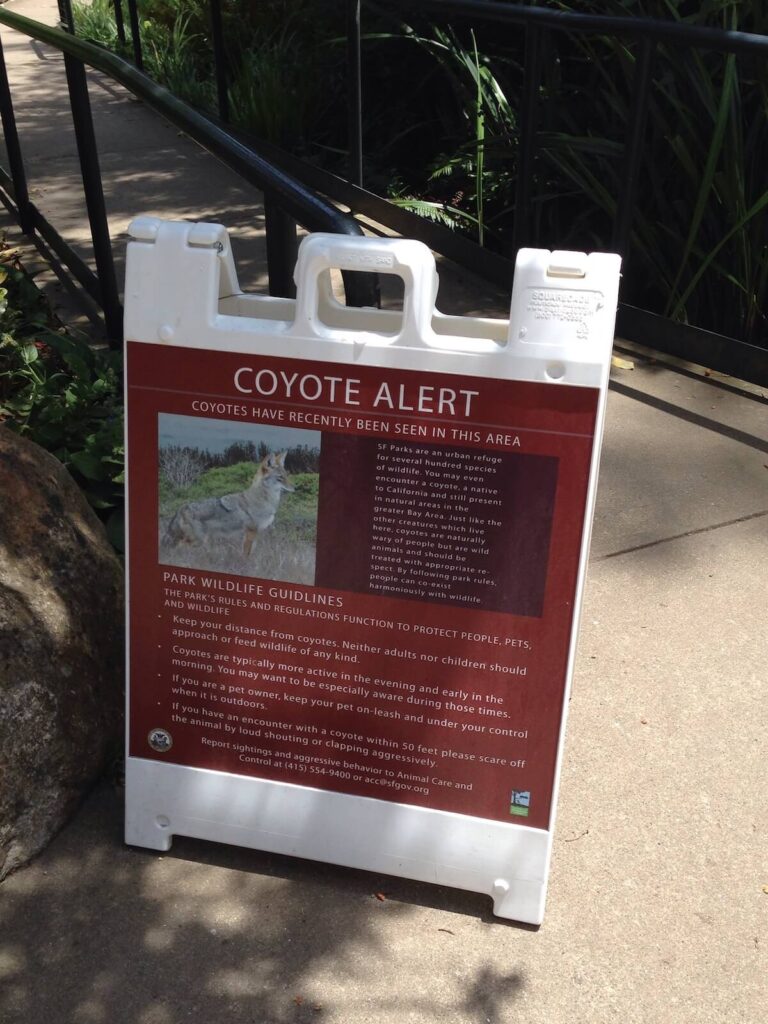
Authorities of the Contra Costa County are still searching for a coyote that has attacked at least five people, including two minors, which is why an alert has been issued for people to take precautions when walking in the area.
The latest case involved a man who was bitten in front of the Kwik Stop convenience store on Golden Gate Way in Lafayette, CBS SF Bay Area media reported.
The person attacked by the animal was interviewed by Contra Costa Animal Services, who also clipped his clothing was collected for DNA testing, which showed it was "the same coyote responsible for the other four bite incidents," authorities said in a news release.
The latest report of bites came just three days after a child was bitten in an attack around 8:30 a.m. near the intersection of Campolindo Drive and Calle la Montana in Moraga.
Of note, local agencies are working with the state Department of Fish and Wildlife, which is the lead organization in investigating bite reports and partners with the U.S. Department of Agriculture and Wildlife Services.
Authorities said a round-the-clock effort is underway to eliminate the coyote.
"A detailed survey of the surrounding terrain, including the use of game tracking cameras and field tracking, has been conducted to determine specific areas of coyote activity and patterns," officials said.
Lafayette and Moraga police asked the public to report any coyote sightings, and to call Moraga police dispatch at (925) 284-5010 and the Lafayette office at (925) 284-5010.
Also, authorities advised those who see a coyote to make loud noises and use noise-making devices such as a whistle or horn or even throw rocks if necessary, and they should never be fed.
Coyotes, being wild animals, are unpredictable in their behavior, so be aware of your surroundings when outdoors and do not leave small children or pets unattended outside.
In addition, special care should be taken at dusk and dawn when coyotes are known to be most active, officials said.
As of Tuesday night, San Carlos County representatives are searching for a suspect in the stabbing of a 39-year-old man, the San Mateo County Sheriff's Office said. Authorities are investigating a stabbing in San Carlos, the San Mateo County Sheriff's Office said Tuesday night.
The man was found in a parking lot and severely bleeding from a laceration to his right arm about 5:30 p.m. at 1100 Old County Road, authorities reported.
Authorities are investigating a stabbing in San Carlos, the San Mateo County Sheriff's Office said Tuesday night. The man was experiencing episodes of unconsciousness and was given trauma care while other sheriff's deputies searched unsuccessfully for suspects and witnesses.
Firefighters and medical crews attended to the man before he was hospitalized. His condition is reported to be stable.
"The victim indicated she knew the suspect; however, investigators are looking for additional witnesses who may have seen the crime," the sheriff's office said.
The economic impact generated by the COVID-19 pandemic that prompted the closures in the local food and beverage industry has been significant, to the extent that many of these establishments have closed their doors permanently.
Currently, there is a one-of-a-kind grant program in San Mateo County that focuses on restaurants, breweries and wineries, with funding of more than $2 million to help businesses that have not qualified for previous grants.
Thus, the San Mateo County Emergency Fund's Restaurant, Brewery, and Winery Assistance Grant Program will provide these establishments with grants of up to $10,000 each for eligible establishments to ensure continued operation and help cover the businesses' ongoing operating expenses.
Operating expenses to be covered include, for example: rent, payroll, and modifications needed to the facility to provide indoor and outdoor food services on site.
San Mateo County said it is keeping the grant application process as simple as possible by eliminating the first-come, first-served system and instead giving businesses two weeks to apply.
The application portal began this Monday, February 22 and will remain open until Monday, March 8, 2021 at 12 noon, for more information and to apply you can access to the website www.smcstrong.org.
After applicants answer about 20 questions to determine program eligibility, a lottery system will choose about 200 businesses for grants of up to $10,000.
Businesses will be able to use the money to pay rent, buy equipment, and pay employees. They will not need to show proof of how they spent the grant funds or return it at any time. The application will be available in English, Spanish, Chinese and Tagalog.
It should be noted that the applicant does not need to be a U.S. citizen or legal resident to submit an application, they just need to provide evidence of eligibility and the required documentation, the county notes.
And that is, despite San Mateo County returning to purple at the end of January 2021, the economic impact of the closures, according to the National Restaurant Association's fifth national membership survey, completed in early December 2020, 87 percent of full-service restaurants - independents, chains and franchises - report an average 36 percent drop in sales revenue.
In that sense, for an industry with an average profit margin of 5.0 to 6.0 percent, the situation is simply unsustainable.
The vast majority of the restaurants that closed their doors permanently were well-established businesses that were part of the landscape of their communities. On average, these restaurants had been in business for 16 years, and 16 percent had been open for at least 30 years.
In December 2020, the San Mateo County Economic Development Partnership, the San Mateo County Chamber, the San Mateo Credit Union Community Fund, and the Chan Zuckerberg Initiative began discussions around the establishment of a "Restaurant Assistance Grant Program" for independently owned restaurants in South San Mateo and Palo Alto County that have been negatively impacted by the public health emergency caused by the COVID-19 pandemic.
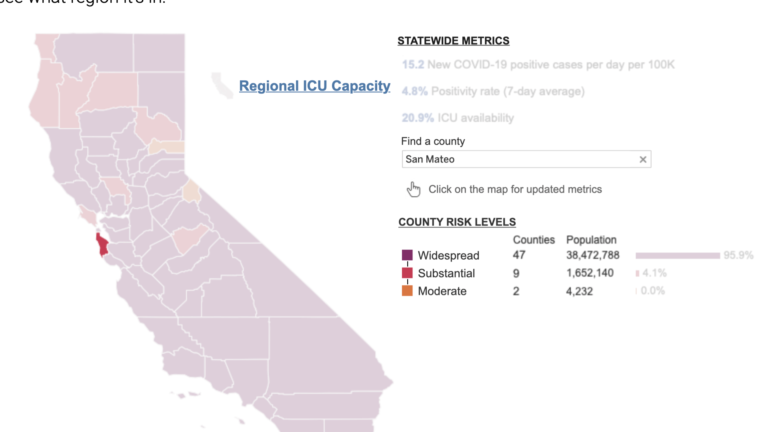
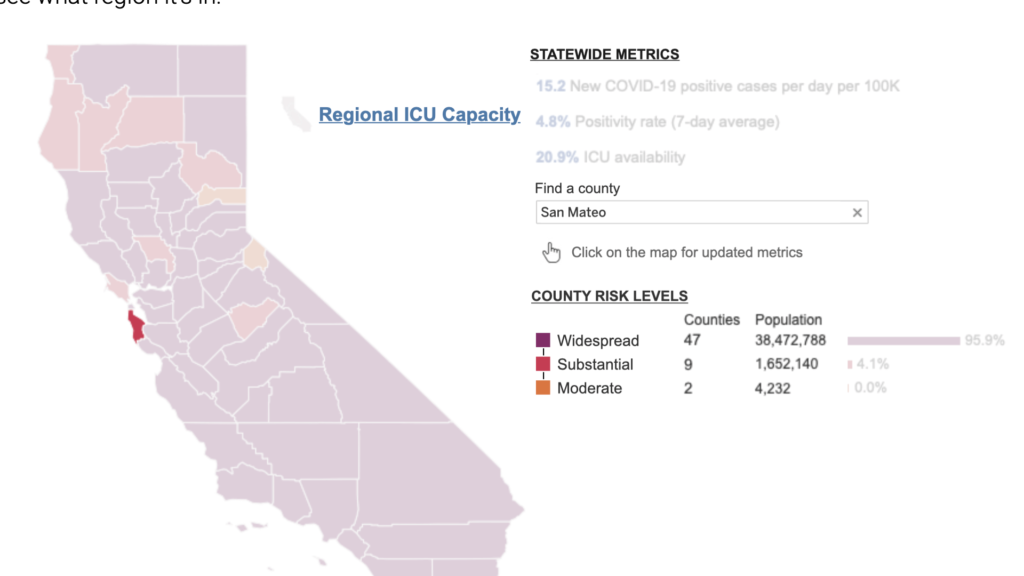
Effective the first minute of this Tuesday, February 23, San Mateo County will move from "Purple" to "Red" in California's four-tiered color-coded reopening plan after the rate of COVID-19 positive cases has declined in the area.
Through a statement, the county said the action will allow for expanded business openings and certain activities.
Thus, restaurants will be able to resume indoor dining with modifications; while gyms will be able to open indoors with modifications, and shopping centers and retailers will be able to increase capacity.
"This movement is a direct result of all of us taking personal responsibility for our actions. If we wear our damn masks, keep our distance and follow common sense health and safety protocols, we can get back to doing what we all love to do," said Board Chairman David J. Canepa.
The county said the area advanced to the "Red" level because of two metrics, calculated by the state: the case rate has dropped to 5.6 percent and the health equity quartile positivity rate to 3.7 percent.
The health equity quartile measures rates of infection with the virus in the county's most disadvantaged communities according to the California Health Place Index.
"It's something to applaud," said Louise Rogers, chief of San Mateo County Health. "Reducing that disparity is going in the right direction. Our goal is to reduce that disparity, which affects our hardest-hit communities, to zero."
Rogers said COVID's local testing rate - 821 per 100,000 residents each day - puts the county second only to Yolo County in the most tests per day among the state's 58 counties.
Local COVID-19 cases increased in December 2020. Positive cases set a record high of 546 on January 4, 2021, and then declined over the last month. Still, cases have doubled since December 9, 2020, from 19,107 to 38,353 as of Sunday, February 21, 2021.
To move to the next level, the "Orange" level that opens up more sectors of the economy, positivity rates and additional metrics must continue to fall.
Meanwhile, decisions about public school operations are made by local school boards in consultation with the San Mateo County Office of Education.
Also, the California Department of Public Health has issued new guidance on outdoor and indoor sports that will go into effect on Friday, February 26, 2021.
It is worth noting that going to level 2 -Red- allows you to:
- Indoor restaurants - maximum capacity of 25 percent or 100 people, whichever is less.
- All indoor retail stores - 50 percent maximum capacity.
- Shopping malls, indoor swap meets - 50 percent maximum capacity, enclosed common areas, small-capacity food courts.
- Personal care services: beauty and nail salons, hairdressing salons -open with modifications-.
- Museums, zoos and aquariums -maximum 25 percent of capacity-.
- Places of worship - maximum 25 percent capacity.
- Indoor cinemas - maximum capacity of 25 percent or 100 people, whichever is less.
- Indoor gyms and fitness centers - maximum 10 percent capacity.
- Family entertainment centers - go-kart racing, miniature golf, batting cages - outdoors with modifications only.
- Amusement parks, non-food service bars, bowling alleys, indoor play areas, live theater, saunas and steam rooms, nightclubs and festivals are not permitted.
- Businesses can find guidelines that apply to their industry on the state's COVID-19 website.
- Small private outdoor and indoor meetings are allowed with modifications: Use of masks and physical distancing, no more than three separate households - including the host's - attend, meetings should last 2 hours or less, those with symptoms should not attend, and people at high risk of serious illness are strongly discouraged from attending.
Also, singing, yelling, chanting, cheering, or exercising outdoors is encouraged and is not allowed indoors.
When it comes to travel, Californians should remain local - travel no more than 120 miles from their home or other place of residence - and avoid non-essential travel. Travelers from other states or countries are strongly discouraged from entering California for tourism and recreation.