



Friday, June 19, 2026
Home Blog Page 259

Dozens line up to get their money from Silicon Valley Bank

Dozens line up to get their money after Silicon Valley Bank closes
.

By Joseph Geha. San Jose Spotlight via Bay City News.

In the wake of Silicon Valley Bank's tumultuous closure and a weekend of uncertainty that has dominated national headlines, the local impact of the financial institution's collapse in the tech-driven region was clear to the dozens of people who lined up outside the bank's Santa Clara branch Monday.

They all expected to access their accounts and keep the lights on in their businesses.

“The last few days have been a little stressful,” Karthik Ramalingam told San José Spotlight. Ramalingam and his wife, who did not want to be identified, are the co-founders of CodeLinkd, a company that teaches kids how to code.

Ramalingam was one of about 50 people milling around outside the bank at one point, some with camping chairs. Many chatted quietly about their worries about the bank's collapse, while others nervously checked their phones and made calls.

Security guards escorted government officials and customers in and out of the building one at a time.

Federal officials shut down the bank on Friday after uncertainty about its solvency led to a run on the bank — a rush of customers to withdraw funds faster than the bank could keep up.

On Sunday night, the Federal Reserve Board said it would protect all depositors at Silicon Valley Bank and New York-based Signature Bank, which closed on Sunday, allowing customers to access all their funds beyond the $250,000 insured by the Federal Deposit Insurance Corporation (FDIC).

Ramalingam and his wife plan to withdraw their funds and redeploy them to other banks, hoping to avoid a similar fate in the future by not having all of their business funds tied up in a single financial institution.

“We are just waiting to get through the line and get our money,” Ramalingam’s wife said. “We have been shopping with other banks today to open accounts. I think it is a good lesson for us to know how to diversify.”

Another man who runs a venture capital firm in Los Altos said several of his portfolio businesses are deposited at Silicon Valley Bank, as are his personal funds. He hoped to avoid having to deal with the bank's swamped website and pick up cashier's checks for his company and several of his portfolio businesses on Monday.

He said the past three days have been stressful and asked not to be identified to protect the companies' privacy.

“I was trying to figure out within my portfolio who had exposure to SVB, what the level of that exposure was, and then we immediately started focusing on what these companies needed to make their March payroll,” he told San José Spotlight.

He said the government's actions to ensure businesses can get their cash out are giving everyone a break, but uncertainty remains.

“My businesses are not completely out of the woods yet, because while the funds are there and backed by the government, access to those funds is still delayed,” he stressed. “So once we have access and can process payroll and transfer those funds to another account, I think everyone will feel relieved.”

A man named Phillip, who did not give his last name, rushed to the bank on Monday afternoon shortly before 2:30 p.m. He was told the branch would close at 3 p.m., but officials had closed early because of the number of customers they had.

“I called the FDIC this morning, they were constantly busy, of course I expected that,” Phillip told San José Spotlight. “The bank’s website was working, but I wanted to get all my money out today.”

Phillip runs a medical device startup in San Jose and said he will likely be back at the bank branch early Tuesday morning to make sure he can get his money and make payroll for his small business.

"I have to do this as soon as possible, otherwise we will stop operating."

Following the closure of Silicon Valley Bank, hundreds of business and venture capital leaders from across Silicon Valley spoke with Rep. Ro Khanna on Friday to express their concerns about both the short-term solutions that have begun to be worked out and the long-term implications of the bank's collapse.

Brook Byers, a senior partner at legendary Silicon Valley venture capital firm Kleiner Perkins Caufield & Byers, was one of many who said Silicon Valley Bank was more than just a checking account for many tech companies, offering them tools and connections in the industry.

“It helps and has benefited thousands of companies and hundreds of thousands, if not millions, of employees who are our nation’s technology and biotechnology innovators. This is our competitive resource,” Byers stressed. “This is the nation’s technological backbone and our competitiveness with China and Russia and around the world.”

Khanna agreed, saying the bank has helped shape the business plans and companies of many Valley entrepreneurs. Looking ahead, Khanna said the FDIC and government should “over-communicate” about every step of the process of taking over the bank and helping customers.

“There are so many questions that people have,” Khanna said.

The original story can be read by giving click here.

You may be interested in: Biden assures that the US banking system is reliable after SVB bankruptcy
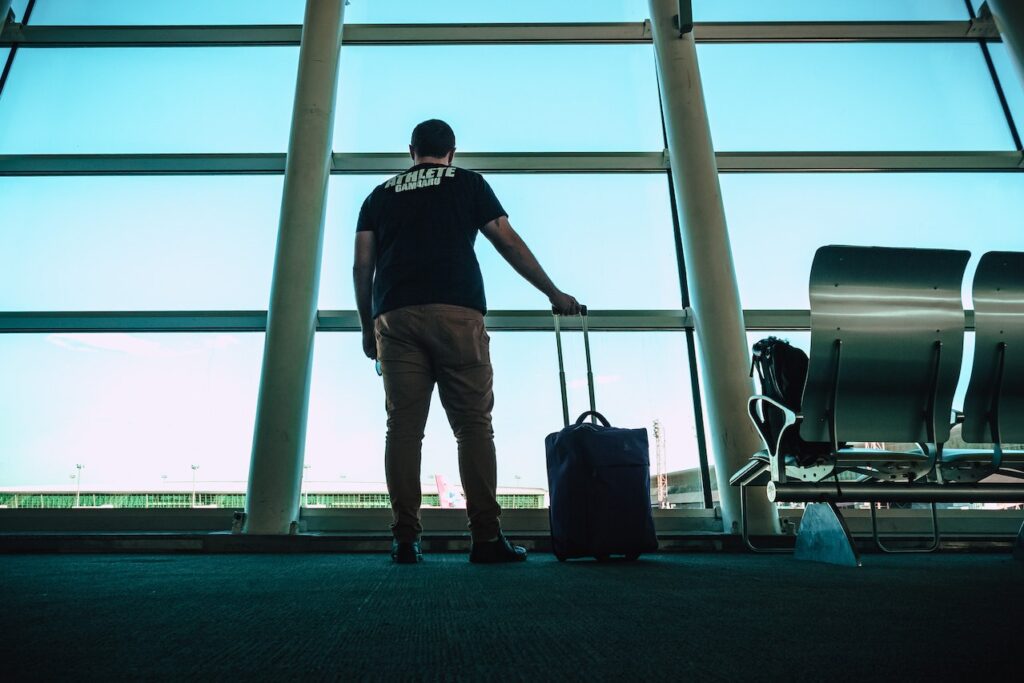
Strong winds cause flight delays at SF International Airport

Strong winds cause flight delays at San Francisco International Airport
.

Strong winds in the Bay Area have delayed arrivals at San Francisco International Airport on Tuesday as the Federal Aviation Administration began a grounding program that will delay domestic arrivals by an average of 80 minutes.

A grounding program is designed to manage arriving flights by alerting pilots to problems at a destination, allowing them to delay flights, according to a spokesman for the Federal Aviation Administration.

The ground stop program will be effective from 8:45 a.m. to 11:59 p.m. this Tuesday.

Maximum delays are expected to be 157 minutes, according to the FAA's National Airspace System Status Tracker.

Departures are not affected by the ground stop schedule.

With information from Bay City News.

You may be interested in: More than 16,000 affected by evacuation orders after the dam breaks in the Pajaro River

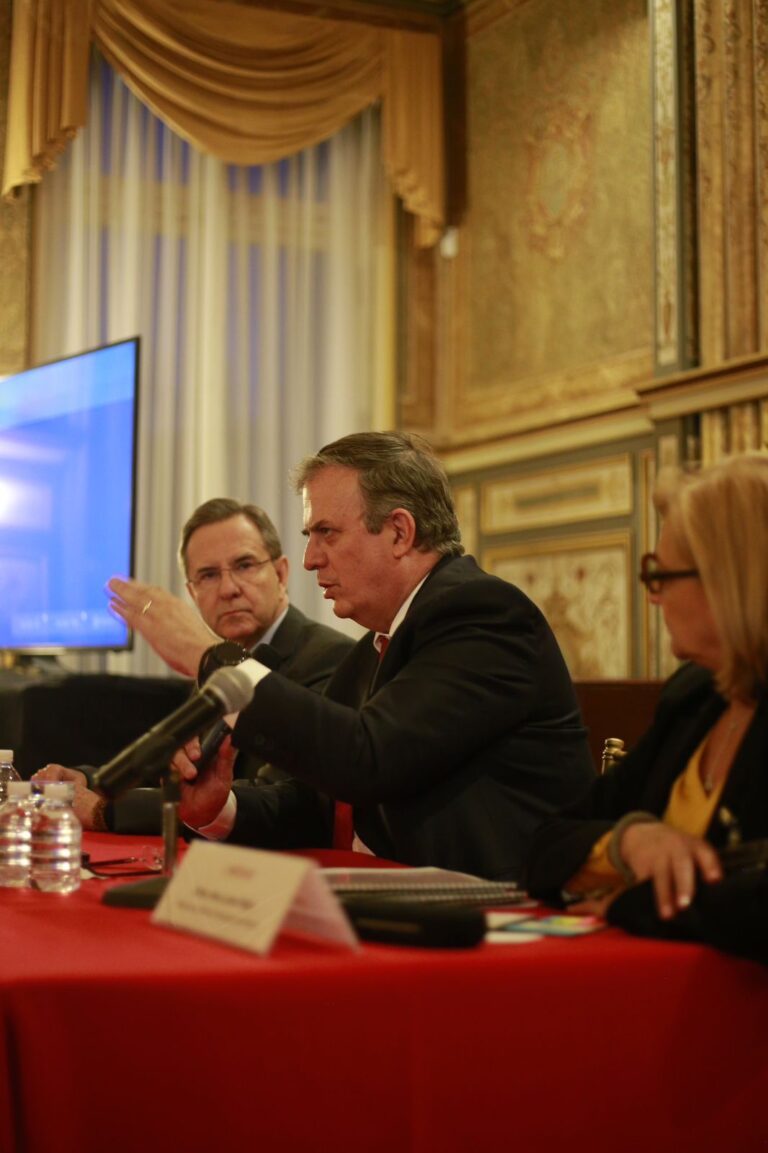
"We will not allow them to run over us," the Mexican foreign minister warned consuls in the US.


Photo: Twitter Marcelo Ebrard C.

The Mexican foreign minister, Marcelo Ebrard, instructed the Mexican ambassador and consuls in the United States on Monday afternoon to undertake a broad information campaign and to defend Mexico in the face of unacceptable attacks by legislators and former officials of the Republican Party.

"We will not allow Mexico to be trampled," said Foreign Minister Ebrard to the 52 consuls gathered at the Mexican Cultural Institute.

During the meeting, Secretary Ebrard and the consuls reviewed the recent attacks by some legislators and former officials of the Republican Party, who have sought to blame Mexico for the crisis in fentanyl consumption in the United States, and who in some cases have gone so far as to propose an intervention in our country.

In a meeting held yesterday afternoon in Washington DC with the ambassador Esteban Moctezuma and the 52 consuls of Mexico in the United States, the Mexican foreign minister stated that in the fight against fentanyl, Mexico has been the main ally of the United States.

Proof of this, he pointed out, is that, so far in this six-year term, Mexico has seized a record figure of more than six tons of fentanyl, which has prevented billions of deadly doses.

The fight against fentanyl trafficking, he added, has cost hundreds of Mexican federal forces casualties.

"With this cost in human lives, how dare these gentlemen question our commitment or, worse still, call for intervention in our country?" he objected.

Thus, Ebrard asked the ambassador and consuls to hold informative meetings with the Mexican community and political actors, and to submit a weekly report on them.

Finally, at the suggestion of the consuls themselves, information materials will be distributed at the consulates' offices and in local media.

Ebrard emphasized that, beyond extreme positions, the governments of Mexico and the United States are working within the framework of the Bicentennial Understanding to prevent deaths from fentanyl use and to prevent criminal groups from accessing high-powered weapons.

He added that in April there will be a meeting in Washington between the security cabinets of both countries to identify additional steps for cooperation to combat fentanyl and arms trafficking.

He also said that Mexican security authorities have no record of fentanyl production in Mexico, but rather they consider the country to be a trafficking zone for this opioid and its precursors, which come mainly from Asia.

In this regard, Ebrard explained that the current Mexican Administration has followed a strategy based on tightening the legal and regulatory framework, expanding the mechanisms for supervision and monitoring of controlled substances or dual use, strengthening the deployment and surveillance in land and sea ports and customs and in the national territory, and expanding public health services and care for mental disorders.

Finally, he stressed that as a control measure it was decided that the ports would be managed by the Navy and the customs by the Army.

You may be interested in: Biden assures that the US banking system is reliable after SVB bankruptcy
Victor

0
.

I can say that I have worked in different jobs throughout my life. I had different jobs, I did different things, I was the one in charge and I was also at the lowest rung of the work hierarchy, all jobs left me with something special and wrote an important chapter in the book of my life. My first job, although it did not help me much in improving my work experience, did leave me with unforgettable moments.

My first job was cleaning the windows of my dad's tailor shop. 

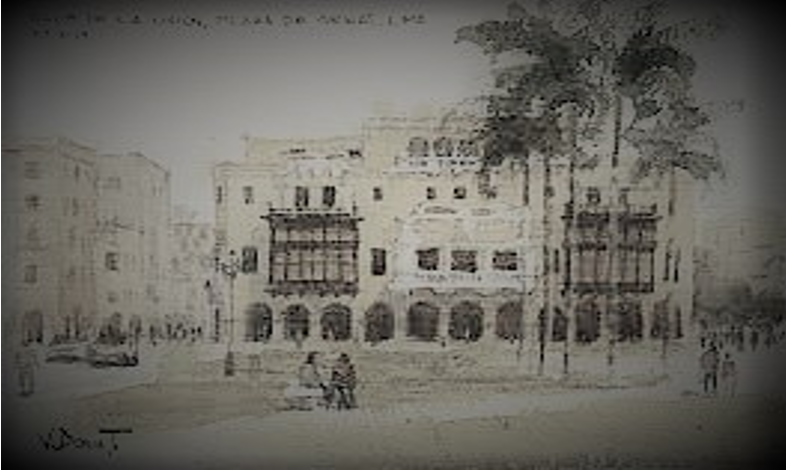
Sastrería Loli was the business that provided all the economic security that the family had. It was half a block from the Plaza Mayor of Lima, one block from the Government Palace and the Cathedral of Lima, and just a step away from the Lima City Hall. Because of its location, my father was able to serve presidents, politicians and "important" people on the local scene. 

The business was very successful while the fashion of wearing suits on a daily basis lasted and especially when they were used for almost any occasion. Although my father did not participate directly in the making of the suits, he did other types of activities such as taking measurements, distributing the work, buying the cuts of fabric and other supplies that were needed for the making. 

As for my job, after a quick training from my father, I started with the Saturday job which consisted of cleaning, one by one, the shop windows where combinations of shirts and ties, cufflinks for shirt sleeves, accessories and toiletries were displayed. In addition to the counters, the shop had two other large display cases where my brother showed us his good taste in decoration with his perfectly coordinated sets of sweaters, shirts and pants. 

The windows I liked to clean the most were those of the large window that looked out onto the portals of the Plaza de Armas. I had to climb up there and clean them with the special liquid - I still remember its smell - and a beige cloth that, when I got to that point after almost finishing all my work, was usually completely wet. At the foot of that window was where, at the end of my day, I would take out of one of the pockets of my pants, two carts to begin my break playing solo. 

A few meters from the window, there were almost always two or three street vendors selling alfajores, pencils, sixth-rate stamp paper for paperwork at the municipality, and sweets accompanied by the classic shoe-shine vendors. 

During one of my games I noticed the insistent gaze of the lady selling alfajores, who smilingly watched me sitting on her little stool where she used to offer her sweets with a tray on her knees. I have a son about your age, she said. How old are you, boy? What is your name, son? she continued asking without stopping smiling. I'm going to bring him next Saturday so you can play. 

Don't think that I forgot Carmen's promise - that's what I think her name was - and I waited for that Saturday with great anxiety. That day I cleaned the windows much faster than usual so that I could go out and clean the large window as soon as possible.

He greeted me politely, saying: My name is Victor, and you? He held out his hand to me. It was the first time someone had introduced themselves to me with such formality. My name is Pablo, I am six, I said, and he smiled. 

Victor was a boy with a lively look, his gestures betrayed a propensity for intense activity, with straight black hair cut almost close to the scalp, with brownish skin ‒he once told me: we are almost the same color‒ he wore a plaid shirt and well-ironed jeans. 

We played a lot with my cars. I remember that I had hidden six cars, and we played for a long time until I heard the sound of the metal curtains closing, announcing that it was time to go home for lunch. See you next Saturday, said Victor.

Many Saturdays passed like this, with Victor's presence becoming more and more familiar in my working world. We would go shopping together. Stay close to him, he's "more lively," my sister would whisper to me. We would wander around Jirón de la Unión, go up and down the escalators at Sears, which was one of the few department stores, and climb into the elevators at the Oechsle store, where the elevator operator always looked at us with distrust.

We would dip popsicle sticks in the pool in the square, we would drink sugar cane juice at his friend “the landlord Luis”’s place, and once he tried to treat me to a “cevichito” that he used to “mooch” from his mother’s street vendor friends. We would also play inside the tailor shop, we would go up and down from the attic to the basement, racing before the astonished gaze of my father’s employees who would murmur and question how the street vendor’s son could play with the owner’s son. 

Victor was invited to my house for lunch and also to my seventh birthday party. I remember that he arrived well-groomed, dressed in new clothes that I had never seen on him before and with a gift in his hand that he gave me as soon as he walked in. I hope you like it, he said timidly. 

After my birthday we saw each other again on a few more Saturdays and it was on one of them that Victor asked me if I wanted to go to a secret place that he was forbidden to go to, it's the pet market, but you have to cross Avenida Abancay, he told me; I've crossed it several times, but I don't know why my mom says it's dangerous. Let's go, I said. Let's go then, Victor replied happily. 

Crossing Abancay Avenue was worse than I had imagined, but Victor skillfully positioned himself next to a couple who were crossing with their shopping bags, dodging all kinds of minibuses, cars, motorcycles and tricycles full of fruits and vegetables. 

When we arrived at the famous pet market, a whole block full of exotic, wild and domestic animals awaited us in captivity in their cages. There was a bird section where the colorful macaws and albino cockatoos stood out. Within the exotic area there were monkeys the size of a hand, as well as a small feline - according to Victor it was a jaguar.

The domestic animals were predominantly small dogs whose ears had been glued down to make them look like German shepherds; they make good guard dogs, they announced.  

We walked up and down the animal market several times and I remember feeling like I wish I had a big house and had all those animals to myself. Can you imagine if we let them all out? They look sad, I don't like injustice, he told me when we were already walking back.

The following Saturday I waited until the last minute to say goodbye. I was going with the whole family to spend the end of the school vacation season at my uncle Lucho’s ranch. I’m sure we’ll see each other again, he told me. Of course, I managed to say. I gave him, in a shoe box – hidden from my mother – three of the cars he liked to play with the most: the Batman one that shot plastic bullets, a grey James Bond one and the black Green Hornet car. Here, it’s for you, I said and gave him a hug.

I never saw Victor again, although sometimes he appears in my dreams, crossing Abancay Avenue with me and freeing, this time, all the animals from the pet market.

This story is dedicated to Victor Santisteban ‒55‒, cowardly murdered during one of the protest marches on Abancay Avenue against the government of Dina Boluarte. Victor was shot down by a tear gas bomb fired directly at him at very close range by a member of the Peruvian National Police. 

You may be interested in: Hyperopia – or you barely discover your country when you are far away

More than 16,000 affected by evacuation orders after the dam breaks in the Pajaro River

Photo: Twitter MontereyCoInfo

By Olivia Wynkoop. Bay City News.

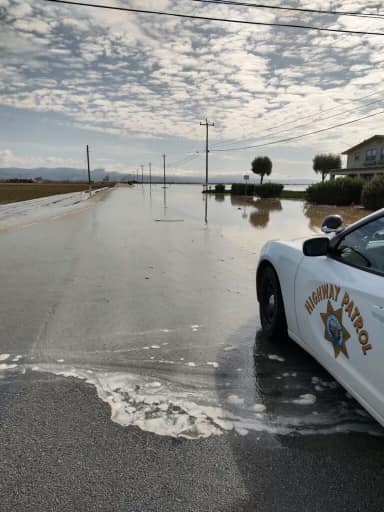
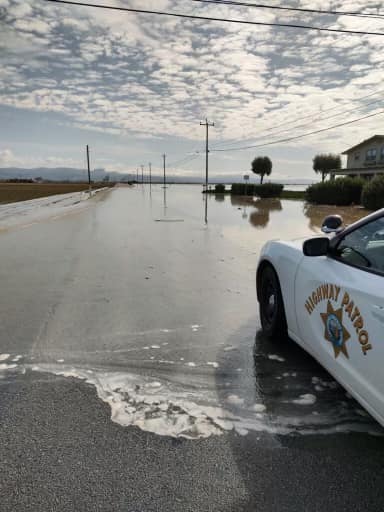
Approximately 16,000 residents are affected by warnings and evacuation orders due to the levee breach on the Pajaro River, Monterey County officials announced Monday.

According to the most recent update issued by county officials, which was sent out at 11:30 a.m., the river levee breach is 400 feet wide.

Evacuation orders are currently in effect for residents in the Aroyo Seco, Pajaro, San Ardo and Salinas River areas from Greenfield to Gonzales, Gonzales to Spreckels and northwest of Spreckels.

Evacuation warnings are in effect for low-lying areas of Castroville and those near the Elkhorn Marine Preserve and Moro Cojo Slough.

Nearly 5,000 residents have also been ordered to shelter in place in areas west of River Road from Interstate 68 south to Fort Romie Road, and Las Palmas 1 and 2 and Indian Springs.

Additionally, residents who receive water from the Pajaro, Sunny Mesa and San Ardo water districts have been encouraged not to use tap water for drinking and cooking, as it may be contaminated.

You may be interested in: Diving, search and rescue teams work in the community of Pájaro in Monterey County

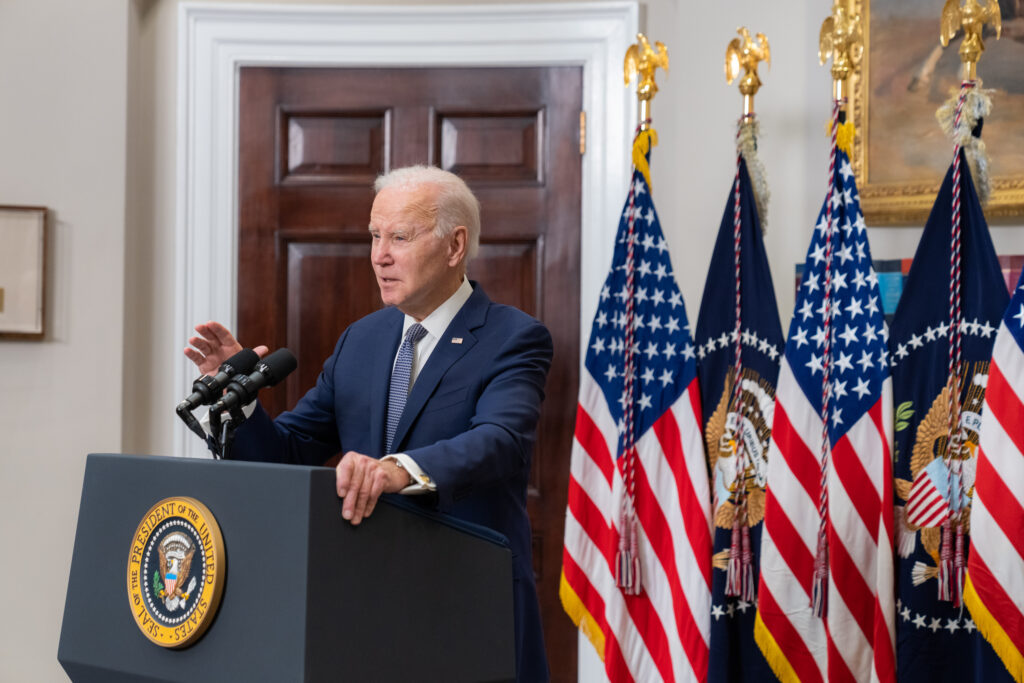
Biden assures that the US banking system is reliable after SVB bankruptcy
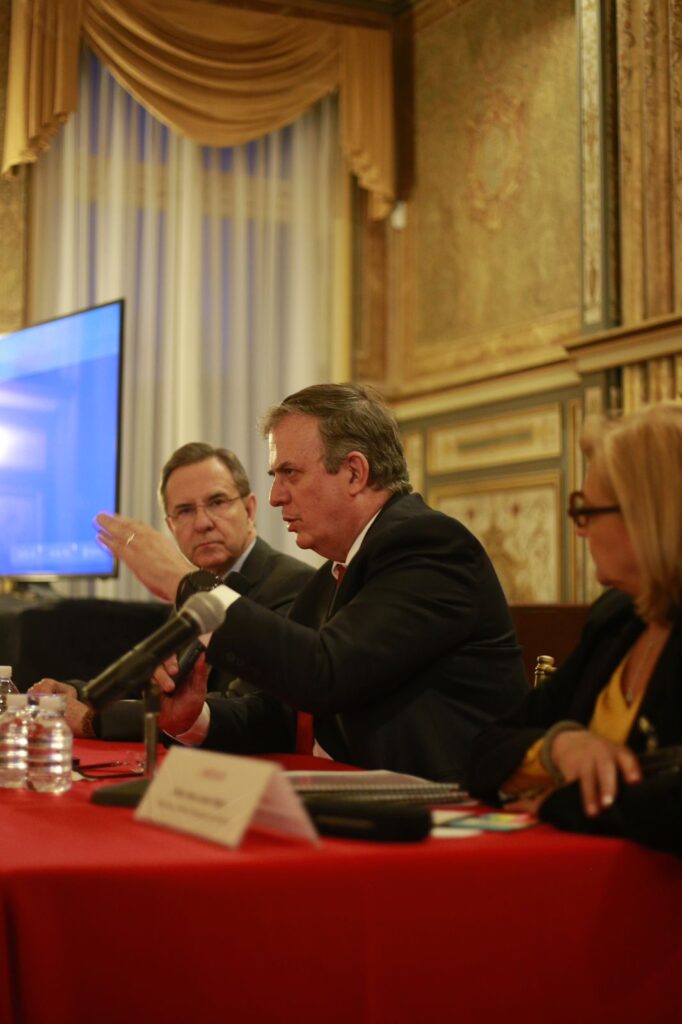
Biden assures that the US banking system is reliable after SVB bankruptcy
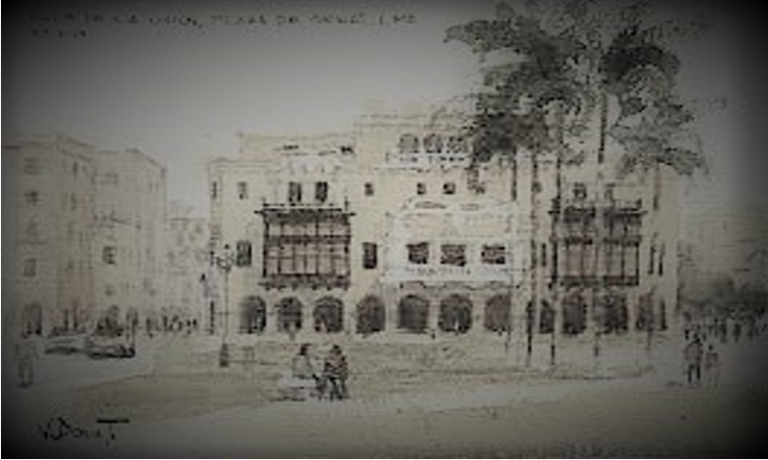
Photo: Twitter President Biden

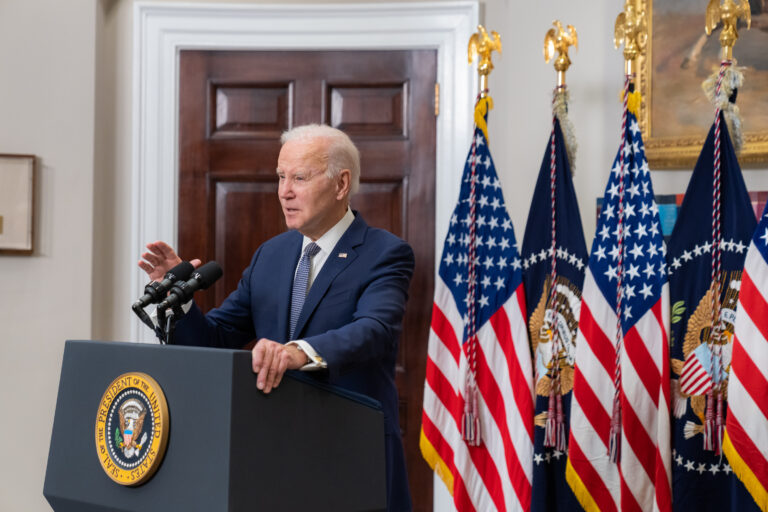
President Joseph Biden said this morning that, thanks to his administration's swift action in recent days, "Americans can trust that the banking system is safe" and that "their deposits will be there when they need them" following the bankruptcy of SVB.
Following the collapse of Silicon Valley Bank's shares last Friday, which generated uncertainty in the country's financial system, Signature Bank also reported its collapse. 

"Small businesses across the country that had deposit accounts at these banks can breathe easy knowing that they will be able to pay their workers and pay their bills. And their workers can breathe easy, too," Biden said at a press conference.

The president explained that last week, upon learning of the problems facing the banks and the impact they could have on employment, on some small businesses and on the banking system in general, he gave instructions to act quickly and protect those interests.

He also explained that the government regulator in charge, the Federal Deposit Insurance Corporation (FDIC), took control of the assets of Silicon Valley Bank last Friday and those of Signature Bank over the weekend. 

According to the report, the Secretary of the Treasury, Janet Yellen, and a team of banking regulators have taken immediate measures, including the protection of customer deposits and access to them starting today, which includes small businesses.

“Taxpayers will not suffer any losses, and this is an important point. Let me repeat: Taxpayers will not suffer any losses. Instead, the money will come from fees that banks pay to the Deposit Insurance Fund,” President Biden said.

"Thanks to the steps our regulators have already taken, all Americans can rest assured that their deposits will be there when they need them," he added.

He said the management of both banks will be fired and that if the FDIC takes over the bank, the people who run it would no longer have to work there, while investors would not be protected because, he said, they took a risk knowing it was not worth it. “Investors lost their money. That’s how capitalism works.” 

Finally, he said that both banks must provide a full explanation of what happened.

Biden recalled that during the Obama-Biden administration, strict requirements were imposed on banks such as Silicon Valley Bank and Signature Bank, including the Dodd-Frank Act, to ensure that the crisis experienced in 2008 would not be repeated. 

“Unfortunately, the last administration – the Trump administration – has removed some of these requirements. I will ask Congress and banking regulators to strengthen the rules for banks to make it less likely that this type of bank failure will happen again and to protect American jobs and small businesses.”

You may be interested in: Newsom, the White House and the US Treasury are already working to stabilize the Silicon Valley Bank

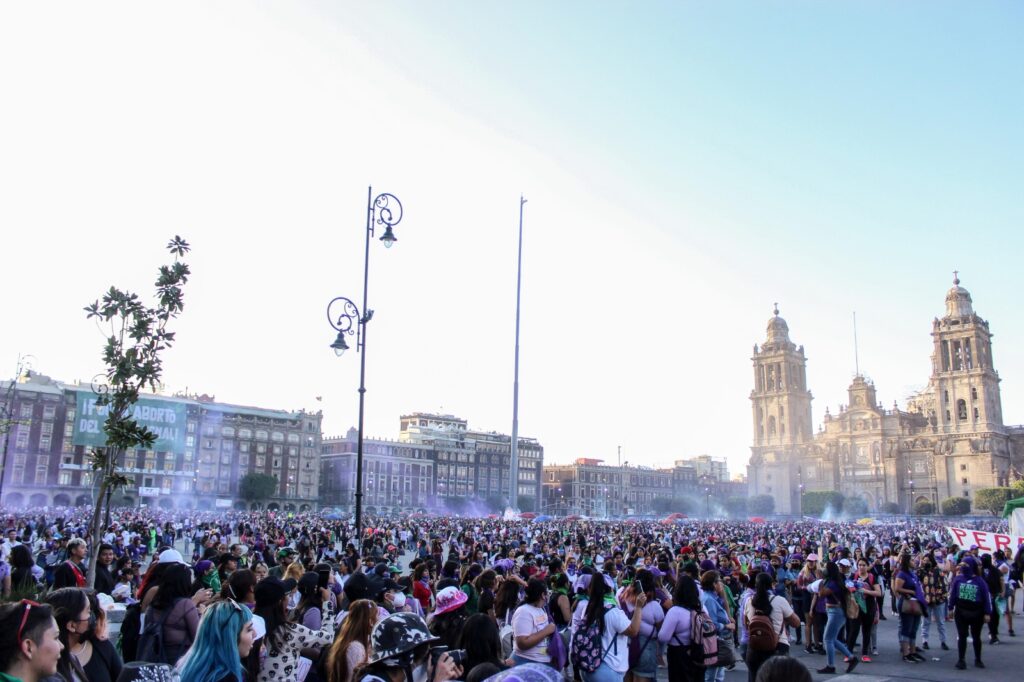
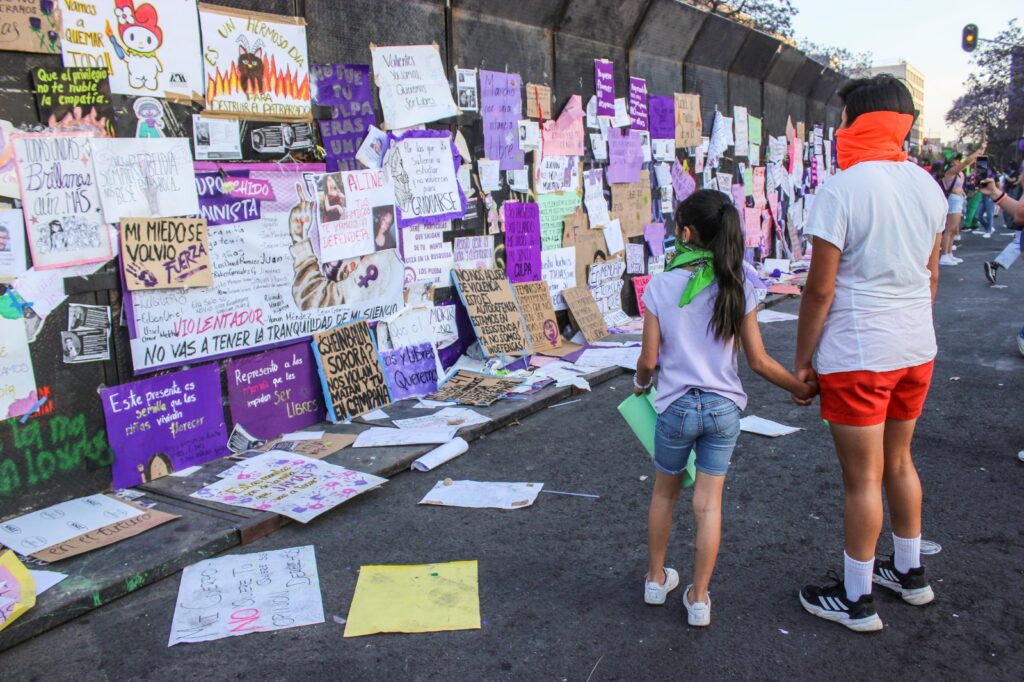
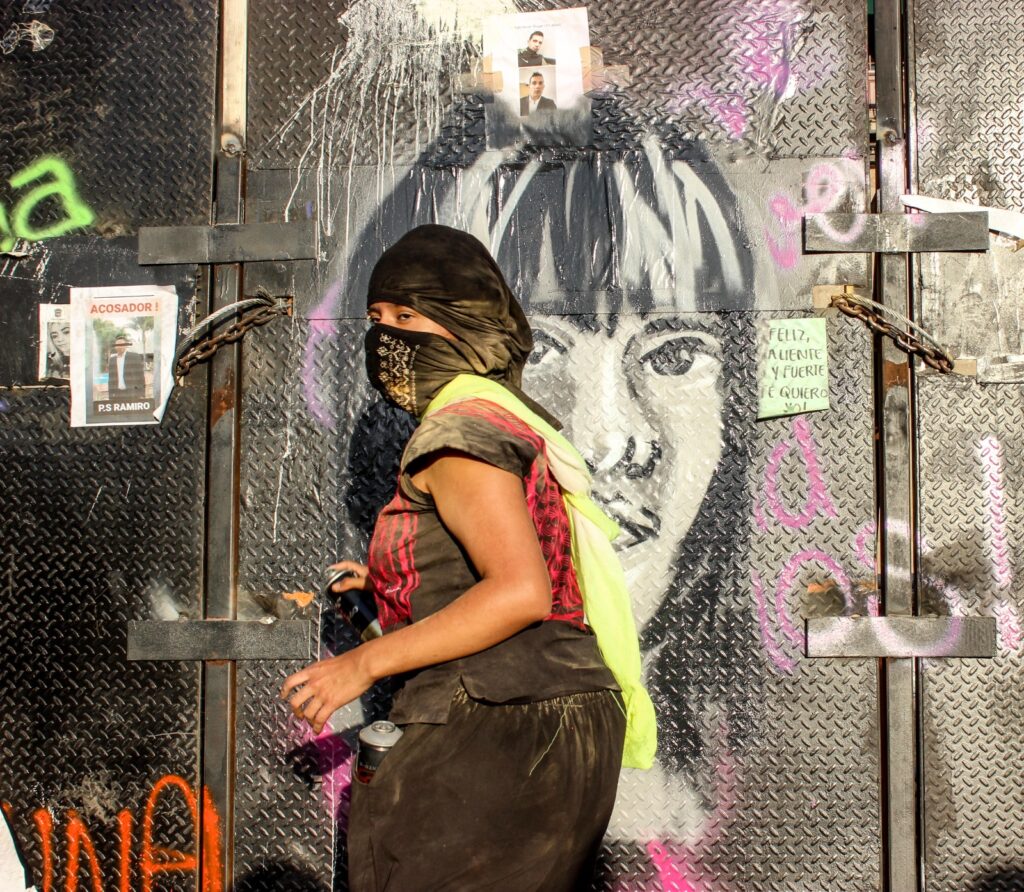
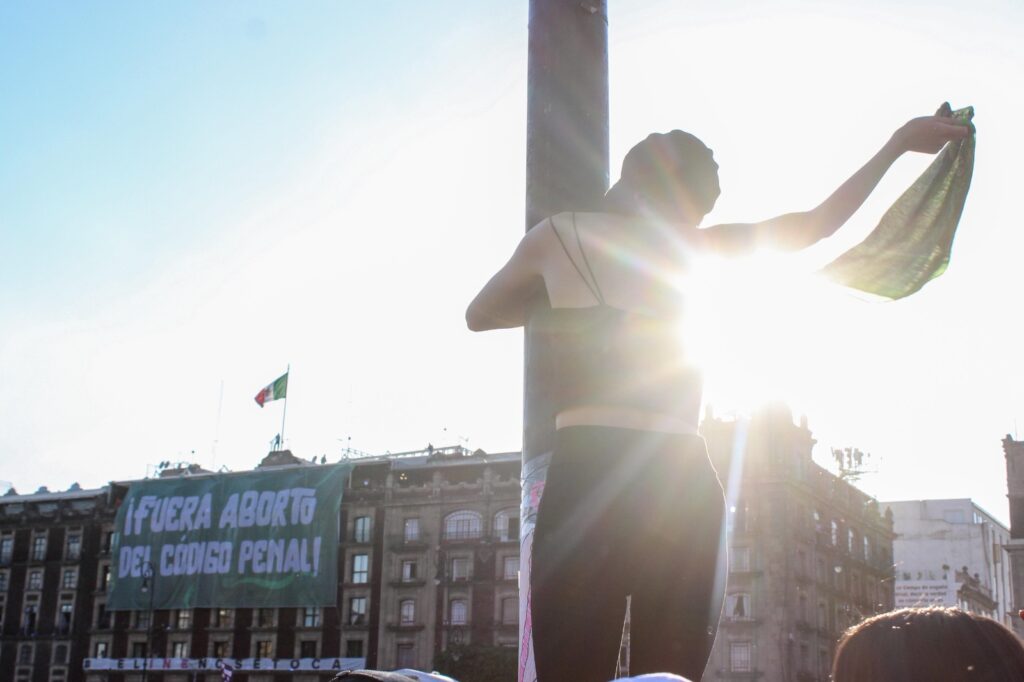
Marching at 16 as a Mexican woman

Marching at 16 as a Mexican woman
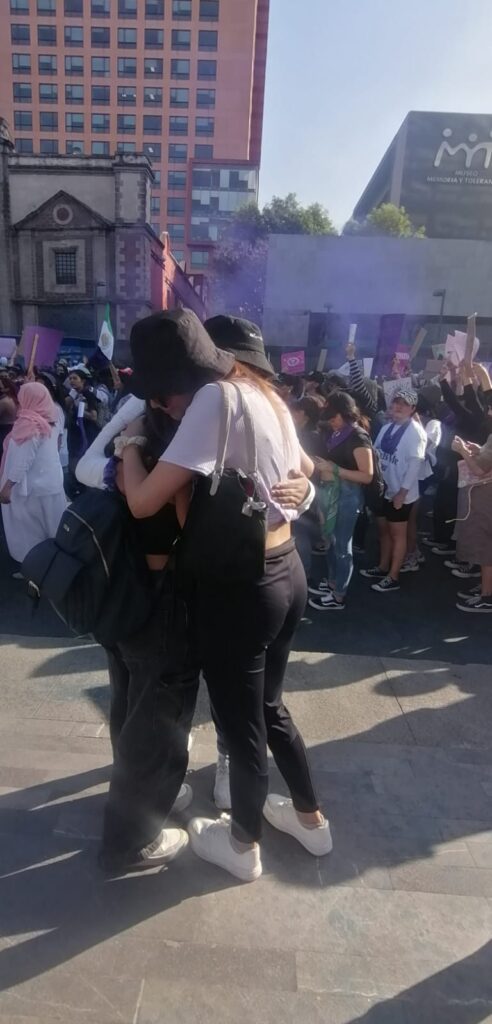
Photo: Ingrid Sanchez. P360P

She is 16 years old and this March 8, 2023 is her first march. She asked her friends and acquaintances who would attend the call to demonstrate this International Women's Day, however, all her friends were undecided about going. Finally she decided to attend with an acquaintance.

Although she is open to giving interviews, she prefers not to say her name for fear that something might happen to her. Because of this, throughout the text we will use the fictitious name of Ana. 

The sun hits her eyes, making her marvel at the sight of thousands and thousands of women walking down Reforma. As soon as she reaches the avenue, she takes out of her backpack the sign she had prepared the night before and which says: “Don’t forget Sofia.” 

After a few questions, Ana explains that two years ago her friend Sofia, who was also 14 at the time, disappeared on the way from her home to the school where she was studying, in San Juan de Aragón, northeast of Mexico City. She and her friends organized small marches in the neighborhood to demand that the authorities properly investigate the case. 

A little confused by the legal terms, Ana explains that as far as she knows, the culprit of Sofia's disappearance has already been identified, but they are waiting for him to be arrested and imprisoned. She is a little saddened to think that due to her young age, when Sofia disappeared, she could not do more to help her friend. 

One of the most moving moments of the march is when Ana stands on the sidewalk watching the march go by and raises her sign. Her small figure with a large piece of cardboard draws the attention of the contingents who, after seeing what she says, begin to shout: "We're not all here, Sofia is missing!" repeatedly. 

Ana's arms tremble, she is about to lower them but she holds back the urge to cry, she fidgets and does not lower her sign. After a few seconds, tears run down her cheeks but the sign remains up, unmovable. A purple protest in the middle of the burning asphalt of Mexico City demanding justice. 

.

Shortly afterwards, two young women approach her and hug her. All three are young, none of them older than 20, but they have already spent their entire lives surviving in a country where women are victims of femicide on a daily basis. 

According to official figures from the Executive Secretariat of the National Public Security System of Mexico, in 2022, 948 cases of femicide and 969 victims were recorded throughout the country, which is equivalent to an average of 2.6 women murdered per day.

However, the official figure is very different from that of the National Citizen Observatory of Femicide (ONCF), which brings together 40 organizations from across the country and specializes in monitoring how violence develops in Mexico. 

According to the ONCF, "the year 2022 closed with 3,755 murders of women, of which only 968 cases were recognized as femicide, that is, only in these cases were gender reasons proven, the rest - 2,787 - were classified as intentional homicides, not counting the "suicides" that are not investigated as femicides.

Despite the fact that there is an underreporting of femicide violence in Mexico, officially in 2022, 10.28 women were murdered on average every day.

In the face of the various debates about the figures, the different feminisms and those who fight for women's rights agree on one thing: the focus should not be on the figures because no woman should be killed for the fact of being a woman. 

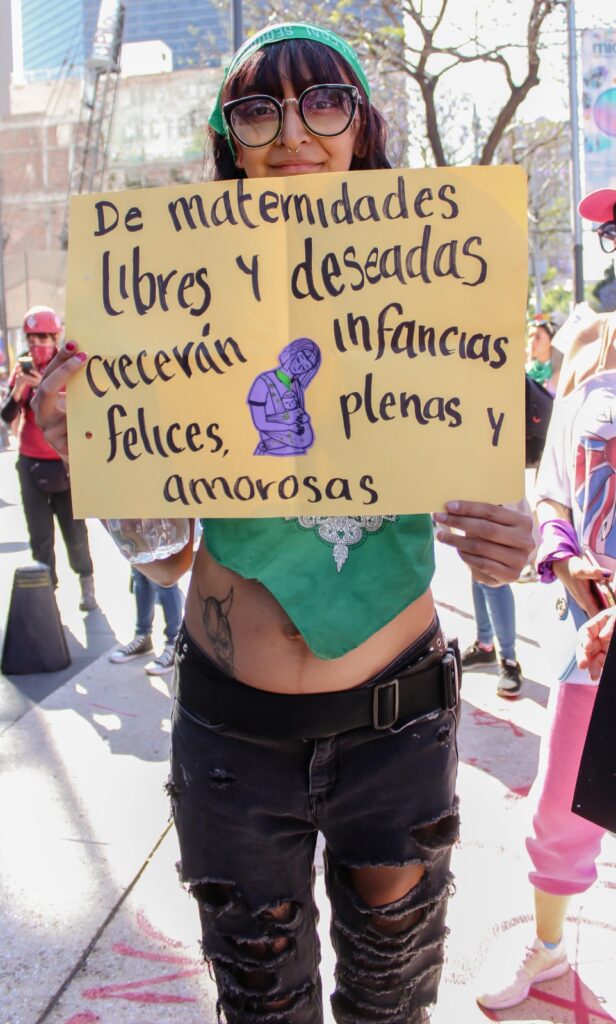
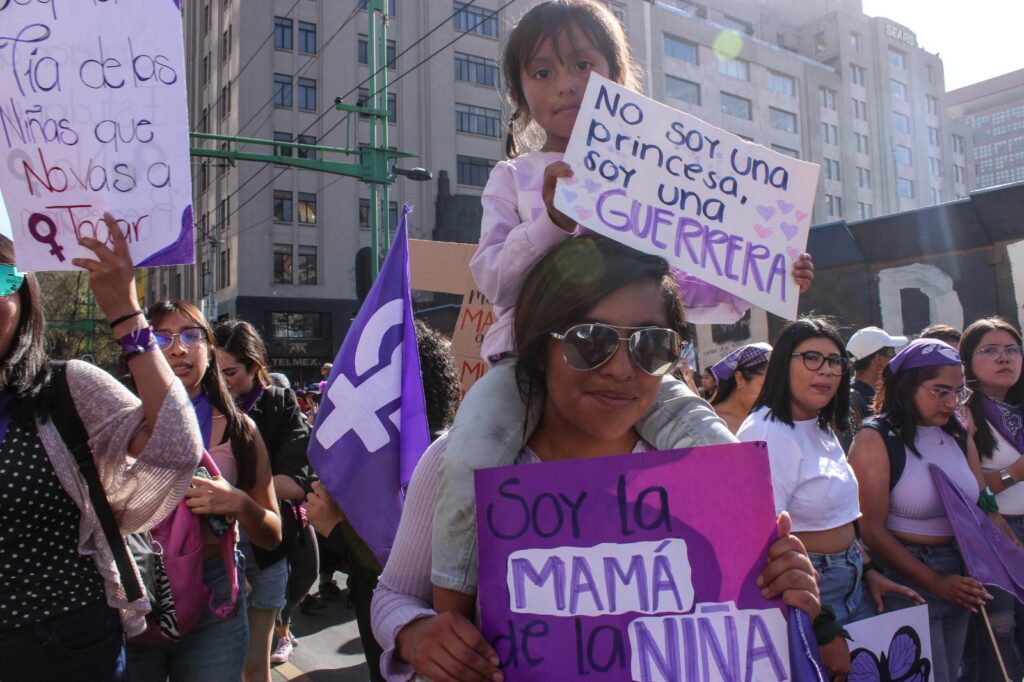
The common denominator of the marches of recent years has been the presence of, mainly, young people, women who have decided to rebel against the impositions of an unjust system and who have not only taken to the streets but also to workplaces, schools, family dinners and any space to demand their rights.

You may be interested in: Photographic account of the 8M 2023 march in CDMX

Search for missing child in Redwood City

Search for missing child in Redwood City
.

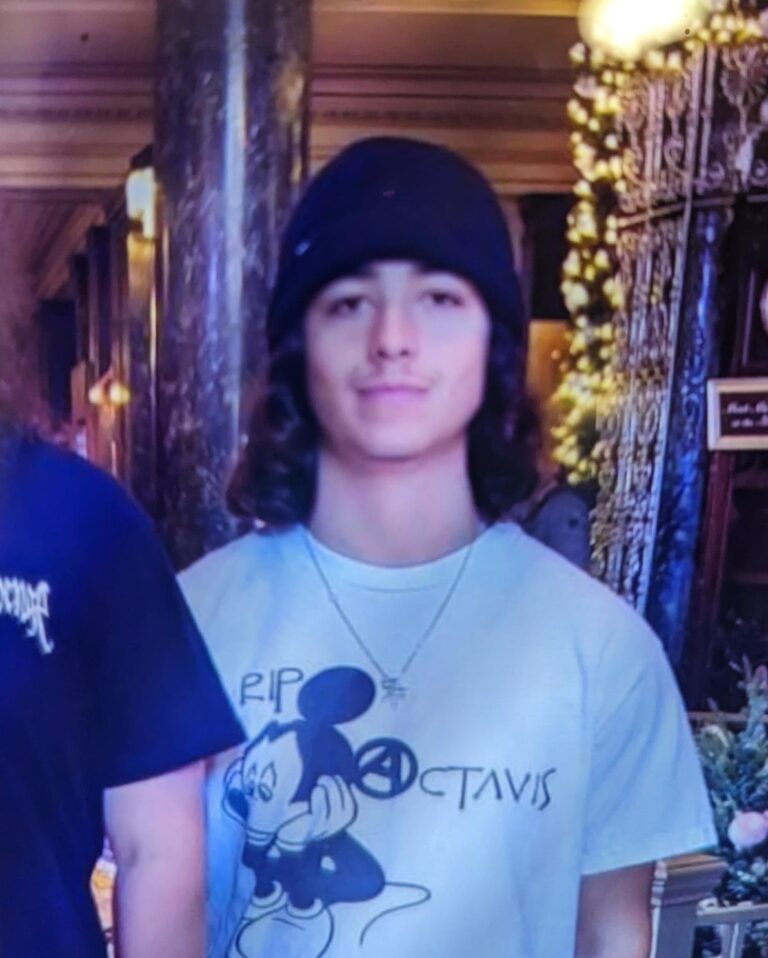
The Redwood City Police Department hizo un llamado a la comunidad para buscar a un menor desaparecido en Redwood City, y cuya integridad podría estar en peligro debido a que necesita medicamentos por esquizofrenia.

Las autoridades detallaron que el joven desaparecido tiene 15 años de edad y responde al nombre de Jacob Keb.

Además, precisó que es caucásico, mide 5 pies y 6 pulgadas de alto, además de pesar 120 libras.

Jacob tiene ojos marrones y cabello castaño hasta los hombros y fue 0isto por última vez vistiendo una sudadera con capucha negra y jeans oscuros. 

The minor is considered at risk due to the schizophrenia he suffers from and the lack of his medications.

Asimismo, la policía refirió en un comunicado que el menor hizo amenazas de suicidio. 

Ante los hechos, las autoridades han hecho un llamado a todos para estar alerta y de verlo comunicarse con el Departamento de Policía de Redwood City al 650-780-7118.

You may be interested in: Palo Alto Police Arrest Man on Hate Crime Among Other Charges

Peru resists, in the Andes its light appears

«No se puede vivir siempre de homicidios y violencia (…) 
No es el odio el que hablará mañana, sino la justicia basada en la memoria». 
‒ Albert Camus. Crónicas

Cada día, desde tiempos inmemoriales, el sol se asoma tras los Andes. Sus potentes rayos han calentado e insuflado ánimos a generaciones de peruanos. A la actual, le enciende su mirada con el brillo de la resistencia que ardió el 7 de diciembre de 2022.

Los macizos de nieves perpetuas han sido mudos testigos -desde ese día- del despertar y actuar de la bestia que parecía dormida porque actuaba soterradamente pero que ahora se ha desenmascarado: la represión. 

Esa represión que abrió los ojos cuando Pedro Castillo fue destituido -vacado en los términos legales peruanos- por un Congreso derechista aliado con la vicepresidenta, Dina Bolauarte.

Boluarte, hoy presidenta del Perú, ha desempolvado el manual de los Golpes de Estado. Tomó el poder no por la vía del voto sino por acuerdos cupulares. La decisión insufló la rebelión en los corazones de un pueblo que siempre está listo para tomar las calles y protestar -una vez más- contra la imposición. 

The Boluarte presidency is sustained by an incendiary and unstable power: weapons. 

A las demandas de un pueblo hastiado del ninguneo y la indolencia del centro respondió con violencia, armas y balas. Su sed de legitimidad se sacia con la sangre regada en las calles.

Si bien la molestia corrió por todo el país, la rebelión permeó más al sur: miles tomaron las calles en repudió de la administración de la chalhuanquina y el Congreso, por los que no se sienten representados. 

A las demandas de la renuncia de la presidenta, el cierre del Congreso, el adelanto de elecciones generales, llamado a un Constituyente que redacte una nueva Carta Magna la respuesta oficial en más de tres meses es la represión. 

La violencia actual reabrió la herida no cicatrizada del conflicto interno entre el Partido Comunista del Perú ‒Sendero Luminoso‒ y el Estado.

Si bien el choque concluyó en 1992, no tuvo una solución política que llevara a la reconciliación nacional. Las heridas no han dejado de supurar y están muy lejos de cerrar.

Por los pendientes de la guerra local el Estado se acostumbró a responder a la protesta con el exterminio. Asume al pueblo como enemigo interno por lo que la respuesta actual no sorprende: persecución, judicialización, amenazas, campañas de desprestigio, golpes y balas. 

Dina Boluarte, the first Peruvian president, has inscribed her name in national history with blood ink. 

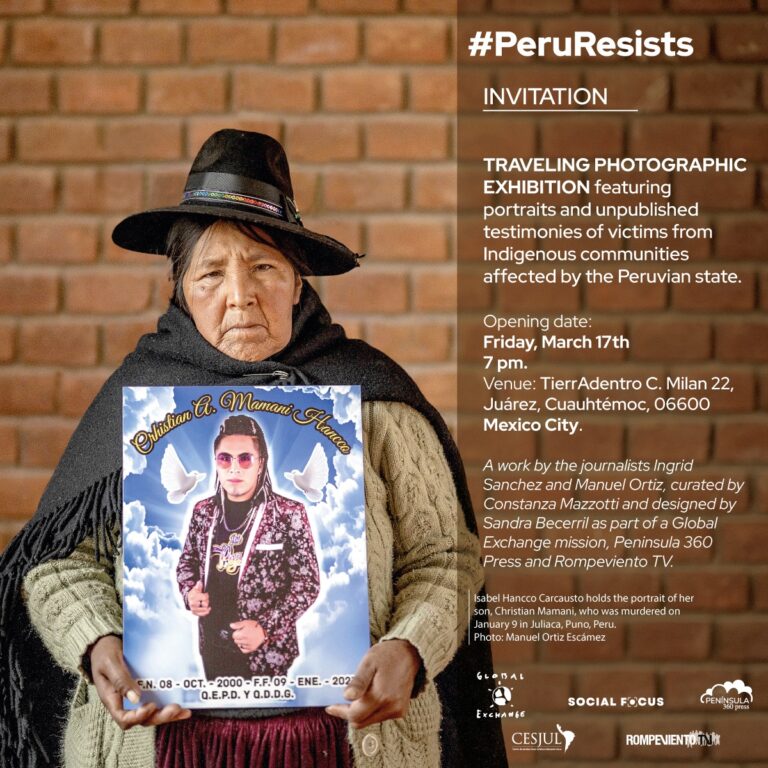
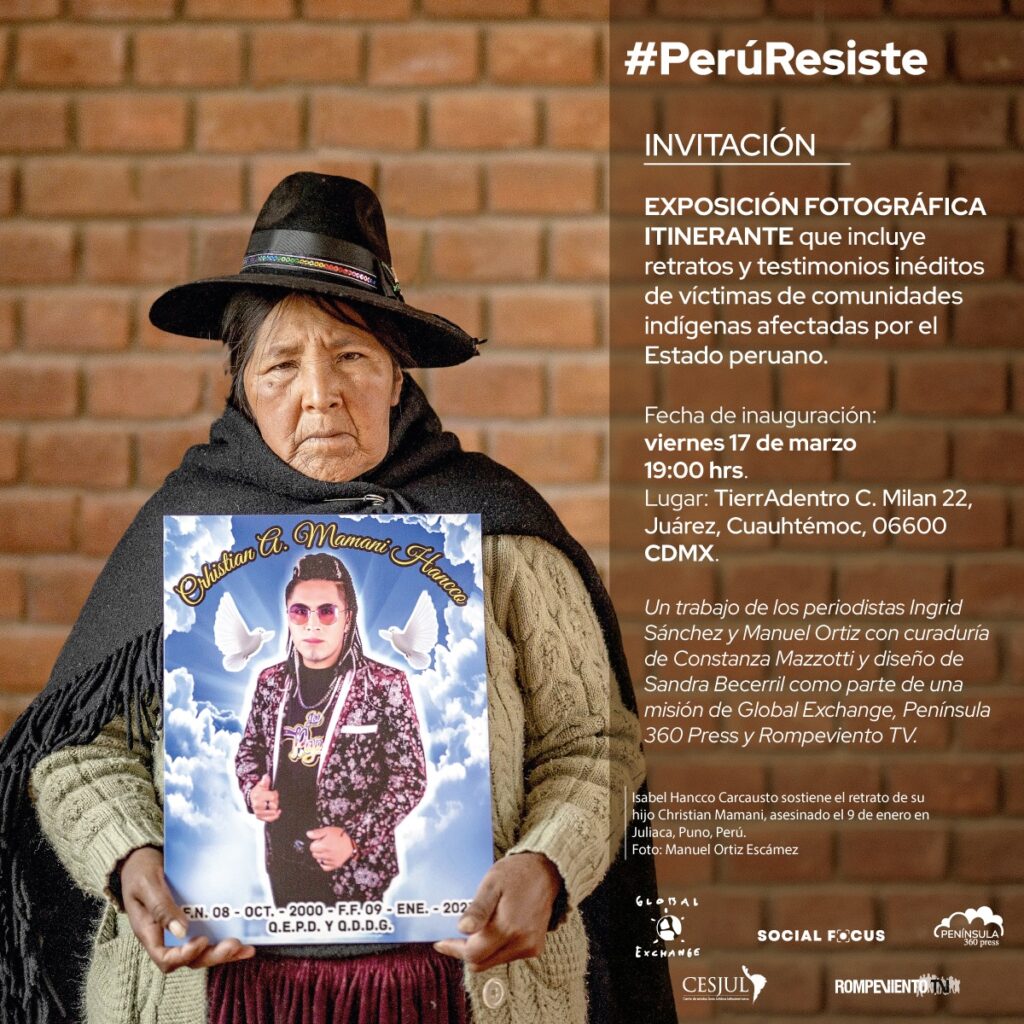
Es por ello que, en conjunto con el fotoperiodista Manuel Ortiz, este próximo viernes 17 de marzo, presentaremos «#PerúResiste» una exposición fotográfica itinerante en punto de las 19:00 horas en el restaurante TierrAdentro CDMX, el cual se ubica en la calle de Milán número 22 en la colonia Juárez de la Delegación Cuauhtémoc.

.

Está exposición incluirá retratos y testimonios inéditos de víctimas de comunidades indígenas afectadas por el Estado peruano. 

Al momento de la publicación de esta exposición, al menos mil 200 personas habrán sido heridas y 52 asesinadas, de acuerdo a la Defensoría del Pueblo. Los datos distan de ser exactos debido al miedo de familiares y activistas que los ha empujado a guardar silencio ante la brutalidad del Estado y que no han denunciado otros asesinatos y heridas. 

Su miedo no es paranoia. Cientos de heridos por la policía y la milicia durante las protestas no fueron atendidos tras caer, incluso han sido perseguidos por la Fiscalía hasta en los nosocomios donde siniestro personal los busca para que firmen hojas en blanco. 

Esta exposición es apenas un viso a lo que viven diariamente miles de peruanos que luchan por sus derechos y libertad. Presentamos lo que han padecido los habitantes de Juliaca -centro económico de Puno- al sur de Perú. 

La carne de jóvenes, trabajadores, adolescentes e incluso niños pequeños ha sido lacerada por los tiros del Estado que ha hecho oídos sordos a la petición de diálogo y prefiere calificar a los manifestantes de «terrorista» o «violentista» y, por tanto, se les reprime.

Estos retratos son de víctimas indirectas. Llevan en sus manos las fotografías de un familiar asesinado o herido. 

La expresión de sus rostros morenos habla en silencio de sueños truncados, rabia agolpada en la garganta y la impotencia ante la revictimización a la que los somete el Estado de Boluarte.

Pese a esto la determinación de exigir justicia no desaparece de la luz de sus miradas, dirigidas a los perpetradores de los crímenes: policías, militares y sus superiores, esos que, aunque no empuñaron las armas, dieron las órdenes del exterminio. 

Los ojos de los retratados denuncian el rechazo a las élites que nació mucho antes de 2022; se remonta a la independencia y colonización del Perú.

El desprecio a los campesinos, a los indígenas, a los pobres y a los trabajadores, es la brújula de las élites peruanas que dirigen a los medios de comunicación hegemónicos que promueven un relato cargado de racismo y odio de clase contra los movilizados.

Este trabajo, que se expone en línea y de manera presencial en CDMX, Bogotá, Colombia; San Francisco, California; las ciudades de Redwood City y East Palo Alto en California; Nueva York y Washington en EE. UU., forma parte de las actividades de monitoreo y documentación de las actuales violaciones de derechos humanos en Perú, que realizan las organizaciones Global Exchange y Social Focus, en colaboración con medios y organizaciones aliadas como Península 360 Press, TV Windbreaker, Journalists United and the Centro de Estudios Socio jurídicos Latinoamericanos ‒CESJUL‒.

Al corte, una salida política pacífica no se vislumbra en el horizonte. Los oídos sordos y los ojos que no ven del Estado convocan cada semana a la población a protestar por el piso mínimo a lo que tienen derecho: justicia para los asesinados y participación política en la toma de decisiones.

La pregunta al gobierno de Perú -que extenderíamos a otros gobiernos de Latinoamérica donde la violencia del Estado contra el pueblo, crece día a día- es: ¿Qué cosechará un país que siembra muertos?

You may be interested in: The polycrisis fuels the protests in Peru

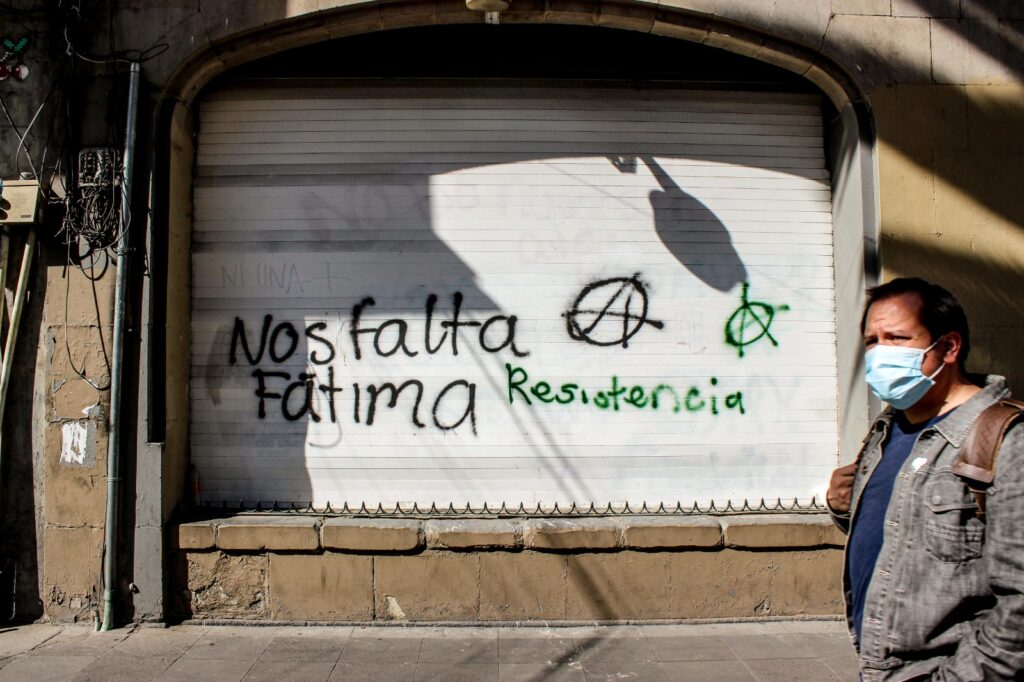
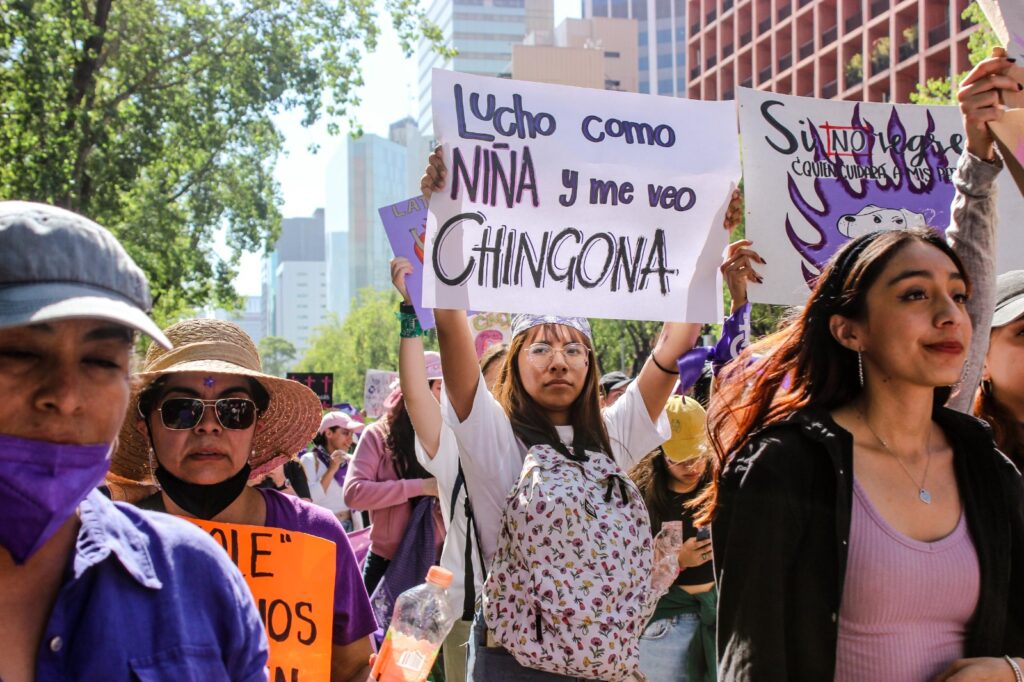
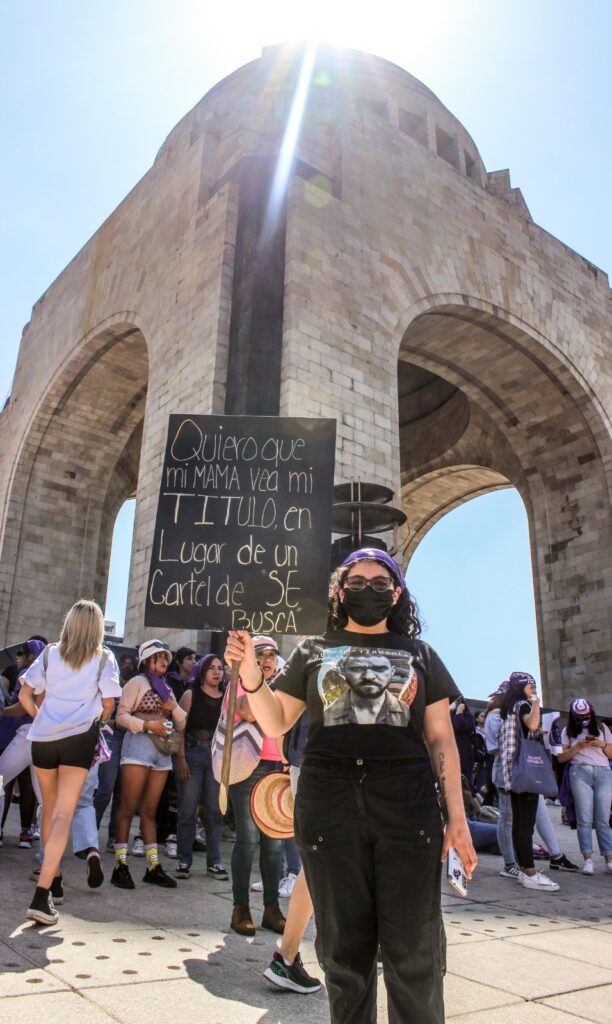
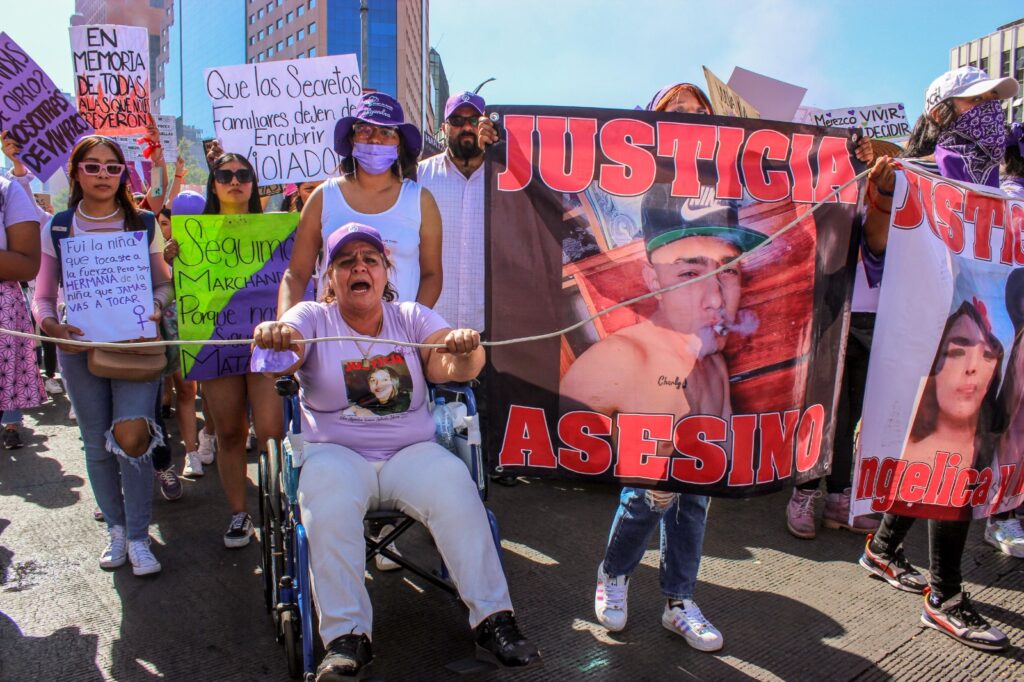
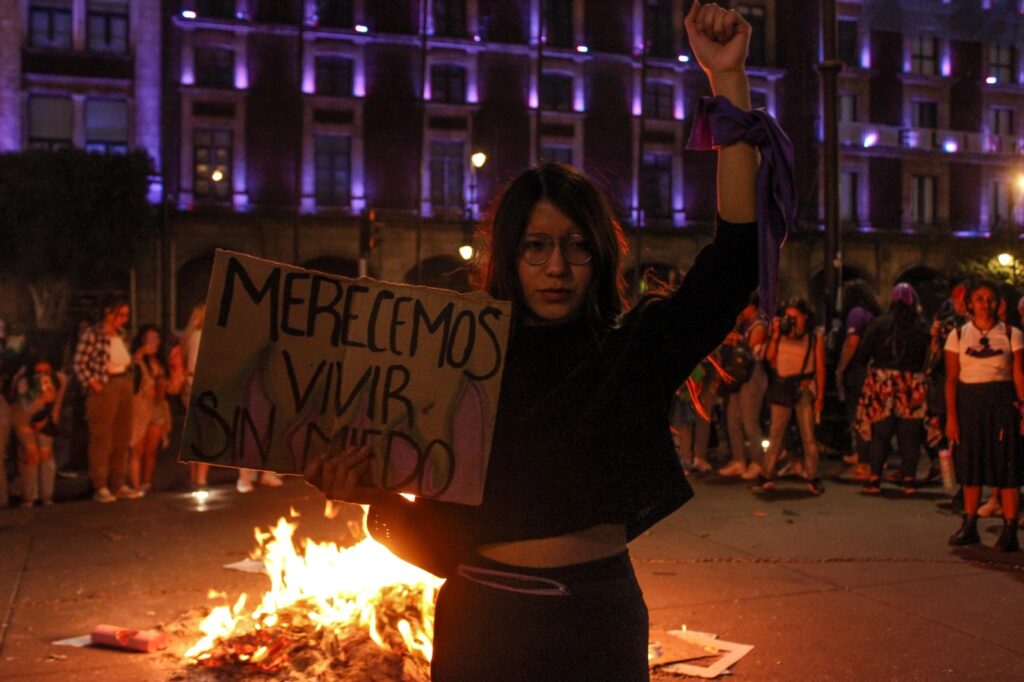
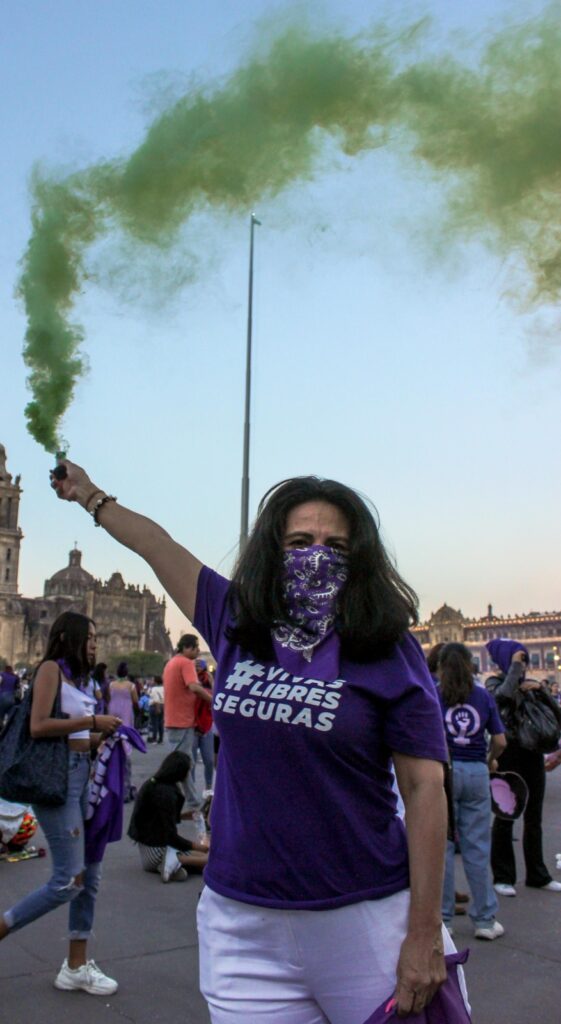
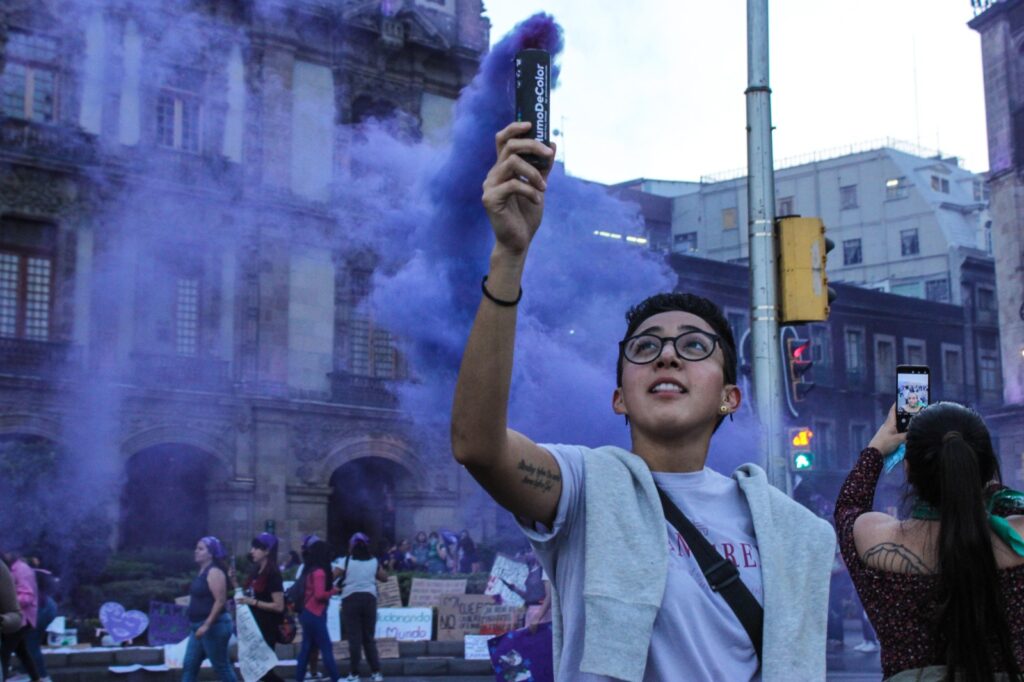
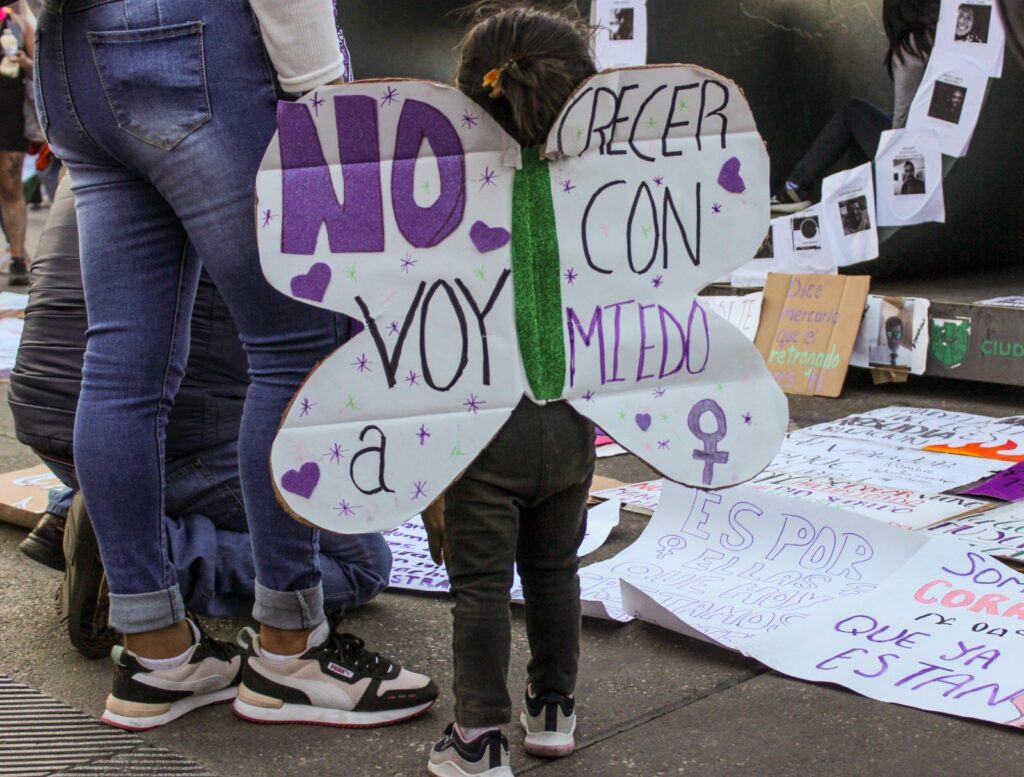
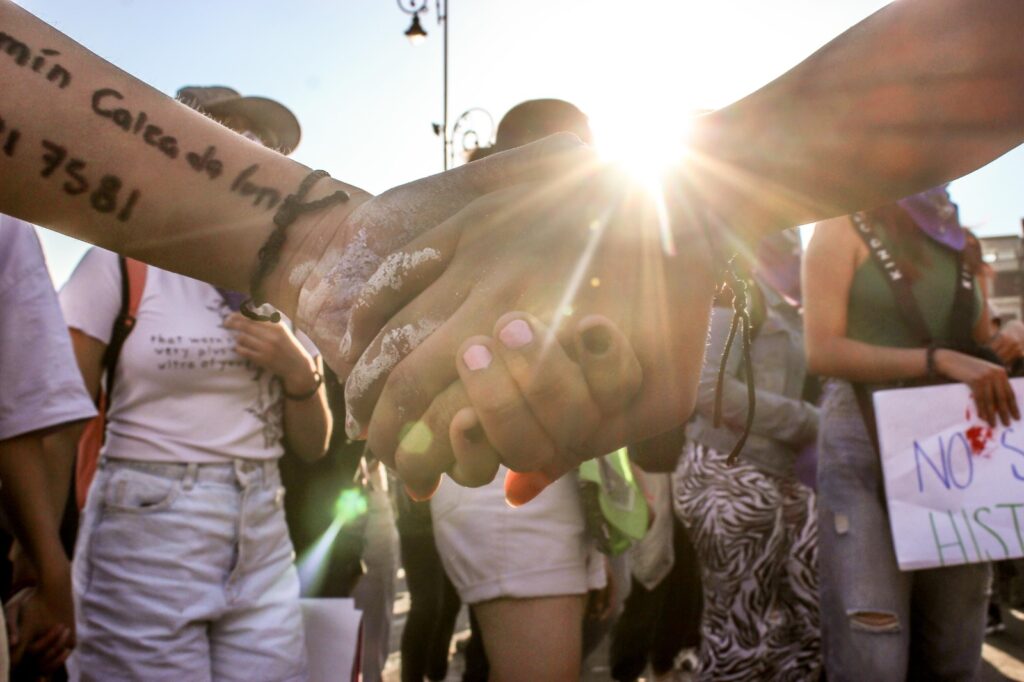
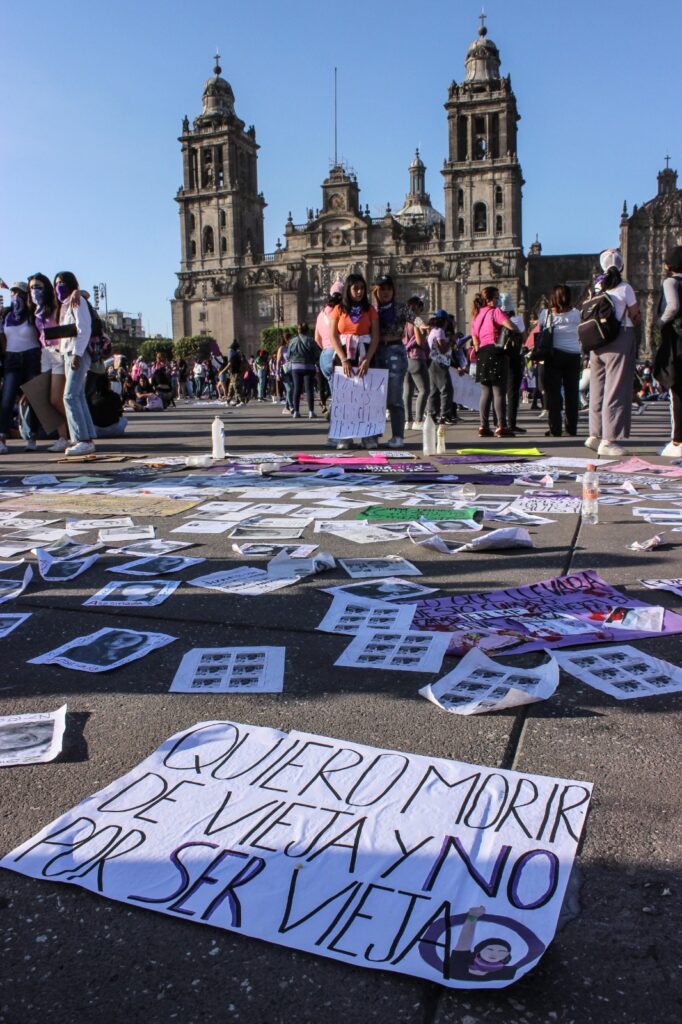
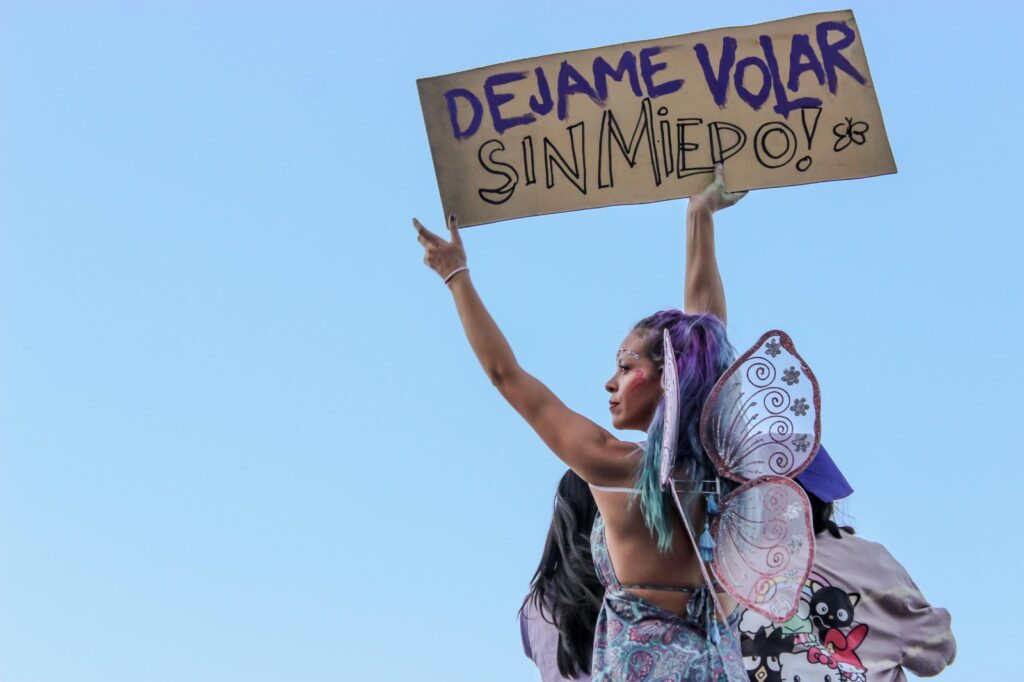
Photographic account of the 8M 2023 march in CDMX

By Jiroko NakamuraPenínsula 360 Press  [P360P]

Photographic recount of the 8M 2023 march in CDMX
Photo: Jiroko Nakamura
Photographic recount of the 8M 2023 march in CDMX
Photo: Jiroko Nakamura
Photographic recount of the 8M 2023 march in CDMX
Photo: Jiroko Nakamura
Photographic recount of the 8M 2023 march in CDMX
Photo: Jiroko Nakamura
Photographic recount of the 8M 2023 march in CDMX
Photo: Jiroko Nakamura
Photographic recount of the 8M 2023 march in CDMX
Photo: Jiroko Nakamura
Photographic recount of the 8M 2023 march in CDMX
Photo: Jiroko Nakamura
Photographic recount of the 8M 2023 march in CDMX
Photo: Jiroko Nakamura
Photographic recount of the 8M 2023 march in CDMX
Photo: Jiroko Nakamura

You may be interested in: Mexico is painted purple