
Tuesday, June 23, 2026
Home Blog Page 335

California Assembly approves constitutional amendment in favor of abortion and contraceptives

constitutional amendment in favor of abortion and contraceptives

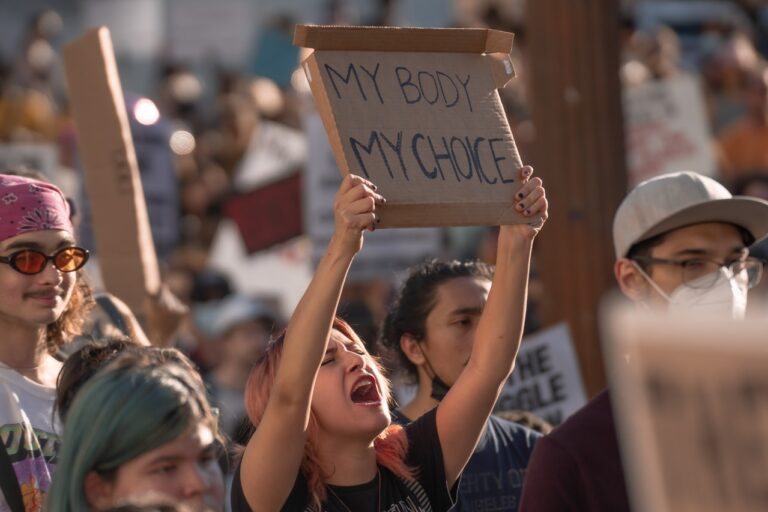
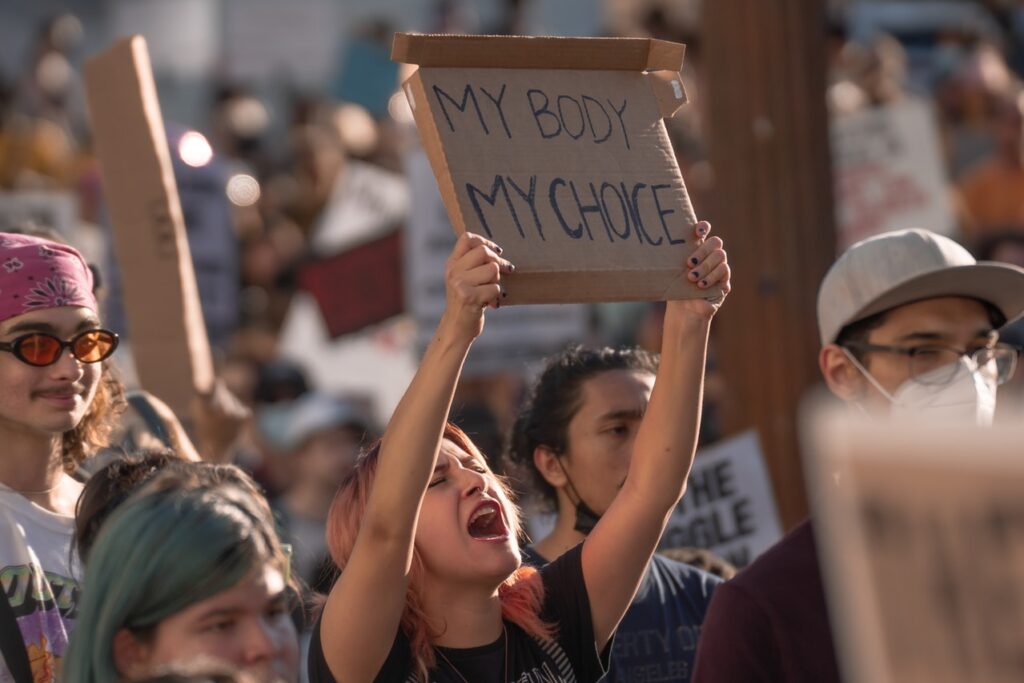
In a historic moment for California, the State Assembly passed SCA 10, a constitutional amendment in favor of abortion and contraception, on Monday in a 58-16 vote. 

The bill, co-authored by Senate President Pro Tempore Toni G. Atkins and Assembly Speaker Anthony Rendon, as well as co-authored by a large coalition of Democratic lawmakers, successfully passed its final legislative requirement just three days after the U.S. Supreme Court issued an opinion overturning Roe v. Wade.

“Abortion is health care and should be a private conversation between a patient and her health care provider,” Atkins said. 

“When politicians and judges force their way into that room, safety disappears. Friday was a dark day. Today we provided a ray of hope by allowing voters to enshrine reproductive rights in our constitution, reflecting California values and protecting all who need abortion, contraception and other reproductive care in our state,” she added.

Atkins and Rendon filed SCA 10 shortly after the draft opinion in Dobbs v. Jackson was leaked in May, signaling that the Court was likely to issue a ruling that would reverse Roe v. Wade and undermine nearly five decades of precedent protecting access to abortion.

“With the court poking holes in constitutional protections, our rights are in free fall,” Rendon said. “SCA 10 is our opportunity to speak to California voters, who have strongly supported abortion rights, and allow them to enshrine this fundamental right in the California Constitution. I am proud to be its co-author.”

SCA 10 passed both chambers with a two-thirds majority vote, the only requirement to qualify for the November 2022 ballot, which does not require the governor to sign it. 

In November, voters will be able to decide whether it should become law, marking the first time California has given voters the opportunity to add the right to abortion and contraception to the state constitution, and further cementing California’s long-standing position as a national leader in reproductive rights.

In 1969, four years before Roe v. Wade, the California Supreme Court held that Californians have a fundamental constitutional right to procreative choice. Three years later, the state passed a constitutional amendment to explicitly establish the right to privacy. 

These rulings complemented the U.S. Supreme Court's 1973 Roe v. Wade decision which held that the constitutional right to choose is vested in the U.S. Constitution.

SCA 10 is one component of a slate of legislation introduced this year to protect and expand reproductive rights in the “Golden State,” including a package of thirteen bills from the California Legislative Women’s Caucus. 

Two of those bills, SB 245, authored by Senator Lena Gonzalez, and AB 1666, authored by Assemblywoman Rebecca Bauer-Kahan, have already been signed into law. 

Additionally, the 2022 budget agreement between the Legislature and the Governor includes hundreds of millions in funding for reproductive health services; the final agreement will be voted on by the Legislature later this week.

You may be interested in: California, Oregon and Washington pledge to protect abortion access

San Mateo is California's healthiest county, report says

healthiest county in California

San Mateo County has been ranked the healthiest county in California according to the latest rankings from U.S. News & World Report 2022, placing him at number 36 in his overall ranking.

The results are part of an assessment of nearly 3,000 counties evaluated across 89 parameters in 10 categories related to the health of their residents, medical care, healthy behaviors, and health conditions, including mental health.

In this survey, each participant distributed 100 points among the 10 health categories and subcategories, assigning more points to the condition they considered most important.

San Mateo County is joined by Santa Clara and Marin counties, which are among the 100 healthiest communities, according to the document.

San Mateo County received the highest score in health, with a score of 91 after evaluating access to health care, healthy behaviors, health conditions, and mental health.

And while the national average life expectancy is 77.5 years, the county averages 85 years, while only 8.5 percent of the population does not have health insurance, when the national average reaches 11 percent, and the smoking rate is 9.2 percent, while the national average is 20 percent.

The Economy category also received a score of 91, given that the average family income is $109,135, when the national average is $58,759; the poverty rate is 6.2 percent, when the national average is 13.6 percent; however, the unemployment rate is 7.0 percent, when the national average is 6.5 percent.

The Food and Nutrition category, which tracks the availability and use of healthy foods in a community, as well as the prevalence of chronic diseases that have been linked to poor nutrition, received 90 points.

In San Mateo County, the prevalence of diabetes was 8.7 percent, compared to the national average of 10.4 percent; and obesity was 20.6 percent, compared to 36.2 percent in the country.

Public safety was rated 89 points, due to the fact that in the county there is an average of 209.1 violent crimes per 100,000 people, when the national average is 204.5; in addition, there are 0.66 percent of public safety professionals in the population, when in the country the average is 0.73 percent; however, the per capita expenditure on health and emergency services is 1,216 dollars, when the national average is 358 dollars.

In the Infrastructure category, the county received 84 points. This could be due to the fact that the walkability index score is 10.2, while the national average is 6.1; however, 10.9 percent of workers commute 60 minutes or more, when the average is 6.8 percent; while the population with access to broadband is 100 percent, when the national average is 96.7 percent. 

Education scored just 77 points after examining the strength of a community's education system and the educational attainment of its residents through measures of participation, infrastructure and achievement.

The high school graduation rate is 85.9 percent, compared to the national average of 89.4 percent; the population with a higher degree is 58.9 percent, compared to the national average of 30.6 percent; spending per student reaches $21,013, compared to the national average of $13,452.

On the other hand, the environment category reached 71 points and community vitality 50 points.

In the equity category, the county received a score of 45 measuring income, education, health and social equity to determine the extent to which all community members have the opportunity to lead productive and healthy lives. 

The racial disparity in educational attainment is 0.29, compared to the national average of 0.16; the premature death disparity index score is 0.054, compared to a national average of 0.041; and the segregation index is 0.25, compared to the national average of 0.25.

The housing category received the lowest rating, with a score of just 34, after tracking the availability, affordability and quality of housing in a community.

In San Mateo County, 36.3 percent of residents spend at least 30 percent of their income on housing, compared to the national median of 22.8 percent; the hours of work required to pay for affordable housing is 45.9, compared to the national median of 40.6; and only 5.5 percent of homes are vacant, compared to 16.3 percent nationwide.

You may be interested in: San Mateo beaches among the worst rated in California according to new report

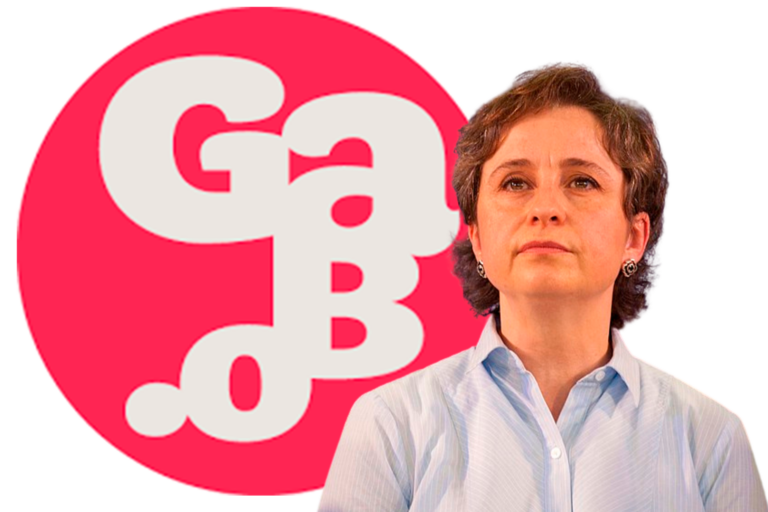
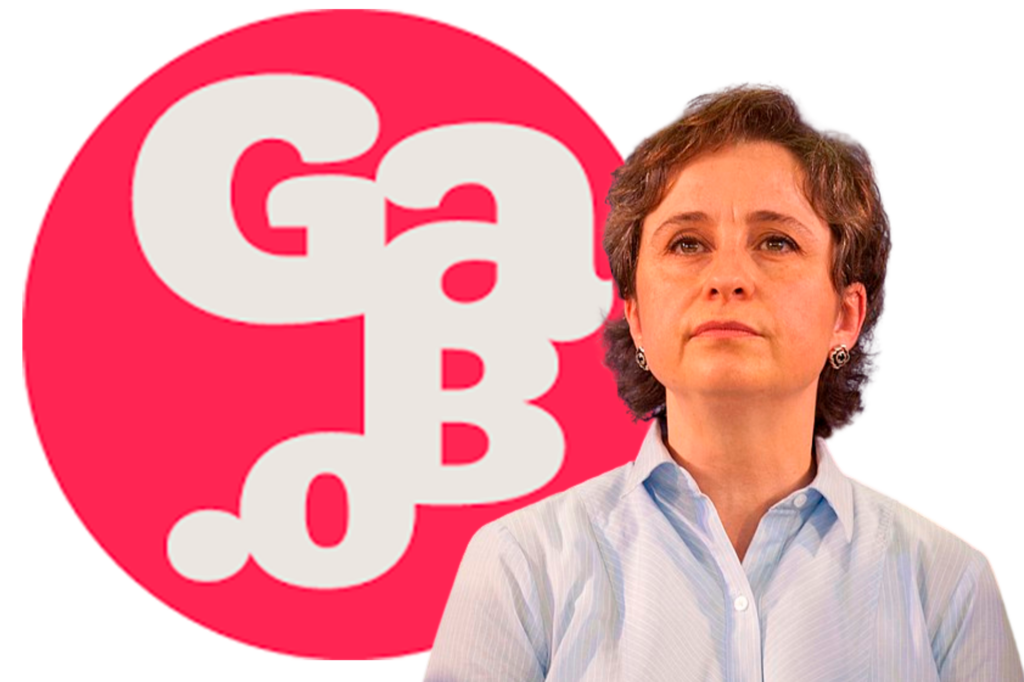
Carmen Aristegui joins the Gabo Foundation Board of Trustees

Carmen Aristegui

Carmen Aristegui, renombrada periodista mexicana, es una de las tres mujeres que recientemente se unieron –junto con María Jesús Espinosa de los Monteros (España) y Luz Mely Reyes (Venezuela)– al Consejo Rector de la Fundación Gabo, órgano perteneciente a la institución creada por Gabriel García Márquez.

Fundación Gabo es una institución sin fines de lucro creada por el periodista colombiano Gabriel García Márquez, que busca promover el periodismo y estimular la creatividad, así como incentivar la investigación a través de talleres, becas, premios y publicaciones. 

Por su parte, el Premio Gabo reconoce e incentiva la excelencia entre los periodistas que trabajan en español y portugués.

Reconocida por su excelencia, profesionalismo y lucha por la libertad de expresión, Carmen Aristegui –directora general de Aristegui Noticias– ofreció una charla con la Fundación Gabo donde compartió su experiencia dentro del mundo del periodismo.

«La palabra es alegría, el estado de ánimo es de entusiasmo y con todas las ganas de trabajar en lo que nos corresponda en este Consejo Rector de esta fundación», expresó Aristegui sobre su incorporación al equipo del Consejo de la Fundación Gabo.

Aristegui resaltó la importancia que ha tenido para ella incorporarse al Consejo Rector de la fundación, pues para ella, hablar de periodismo, ver lo que hacen los colegas y participar con los mismos, siempre ha sido estimulante y agradecible.

Comentó también que está convencida de que «el papel de los periodistas es fundamental para las democracias» pues mostrarle al público lo que ocurre en el mundo es una banda sin fin muy importante para la sociedad, pues un publico informado y crítico es mejor.

Por otra parte, mencionó el problema que enfrentan los periodistas en México, pues existe una violencia sistémica que promueve las agresiones en contra del gremio, mismos que han llegado al asesinato y a la impunidad de los mismos. 

Adicionalmente, resaltó que existe un fenómeno muy importante en el que los gobiernos buscan desgastar, desprestigiar y colocar a los periodistas como enemigos del pueblo.

En relación con los jóvenes que desean ser periodistas, Aristegui comentó que «el periodismo está lleno de desafíos,problemas y circunstancias, pero es una tarea fascinante con una adrenalina a tope. El mejor oficio del mundo, es una actividad que tiene una serie de características que te hacen que sea imposible abandonar». 

Finalmente, Carmen Aristegui contó las dificultades que pasó posterior al reportaje de La casa blanca de Enrique Peña Nieto -el cual ganó el Premio Gabo- debido a la insistencia del gobierno por callar y desprestigiar a los periodistas. 

Asimismo, resaltó que los presidentes reaccionan de distintas formas a su trabajo periodístico y de investigación, sin embargo ha notado una tendencia en todos por desprestigiar a quienes llevan la información al público.

La incorporación de Carmen Aristegui al Consejo Rector de la Fundación Gabo no sólo significa un reconocimiento a su trabajo sino también la oportunidad de luchar desde distintas trincheras por la libertad de expresión.

You may be interested in: "Muchachada" is ready to face possible fraud in Colombia: "Cucho" Tejada

Fourth of July festivities return to Redwood City

July 4 in Redwood City

After a two-year hiatus due to the COVID-19 pandemic, Redwood City's Fourth of July festivities return this year.

The city is preparing for a day full of free events for all ages. 

Festivities range from the return of the annual parade and the Peninsula Celebration Association-organized pancake breakfast, Chalk Full of Fun, a concert and one of California's most popular fireworks shows. 

Thus, the Redwood City Fire Department Pancake Breakfast at the main fire station on Marshall Street will be held from 8:00 a.m. to 11:00 a.m. to benefit the Redwood City Firefighters Association. 

Breakfast costs $10 for adults, $5 for seniors and children. Payment is cash only.

The annual Fourth of July parade, beginning at 10 a.m., will take place in the heart of Redwood City and wind through downtown, starting on Winslow Street at the corner of Brewster, and continuing to Marshall Street, Main Street, Middlefield Road, Winslow, up Broadway, and on to Arguello where it ends at the corner of Alden Street. 

The Independence Day Festival from 9 a.m. to 5 p.m. will feature crafts, food, drinks, bands and children's activities covering several city blocks. 

Chalk Full of Fun takes place this year over two days, beginning on Sunday, July 3 from 8 a.m. to 5 p.m., and Monday, July 4 from 8 a.m. to 4 p.m. in downtown Redwood City.

The July 4 fireworks show will take place at the Port of Redwood City. Food trucks will be available, as well as a live concert by The Fog City Swampers at the port access area beginning at 7 p.m.

The 20-minute fireworks show will begin at approximately 9:30 p.m. 

Fireworks can be viewed from areas where there is a clear view of the sky over the Port, and from high points throughout the Peninsula. 

The Port has set up a public viewing area along the waterfront, adjacent to Seaport Court. Portable toilets and handwashing facilities will be available. 

It should be noted that barbecues and alcohol are not permitted, while personal fireworks are always illegal in Redwood City.

For those who decide to go to the Port, it is highly recommended to arrive early as the area is a private property with very limited public parking. 

Once public parking capacity at the Port is full, the Redwood City Police Department may, at its discretion, close Seaport Boulevard at Blomquist Street. 

For parking downtown, please note that Jefferson Avenue Garage, Box Garage, and the San Mateo County Garage will not be accessible during the parade. 

All three parking lots will reopen after the parade has concluded. 

The public is therefore encouraged to take public transportation to the event, as the Caltrain station is located in downtown Redwood City.

Among the restrictions, the placement of chairs, barricades, coolers, ribbons or other objects on the sidewalk or in the street for the parade has been prohibited before 12:00 a.m. on July 4.

“Any chairs, barricades, coolers, tape or other objects placed on the sidewalk or street prior to July 4, 2022 will be removed and stored at the Redwood City Corporation Yard at 1400 Broadway. Confiscated items may be picked up at the City Corporation Yard between 7:30 a.m. and 3:00 p.m. during regular business hours,” the mayor’s office said in a statement.

It is important to know that fines for illegal use of fireworks and their application will be in force. To learn more about the celebration, those interested can give click here.

You may be interested in: Full of color, the LGBTQ+ pride flag will fly celebratory this weekend

San Mateo County calls for smallpox awareness this summer

simian pox

As the summer season begins with increased travel and large events and gatherings, Bay Area health officials have urged people to protect themselves against the monkeypox virus, better known as “monkeypox,” which spreads through prolonged skin-to-skin contact and bodily fluids, such as through crowded environments or sexual contact.

While there are no reported cases of monkeypox in San Mateo County to date, the alert from nine health jurisdictions comes as cases, which appear in people as distinctive rashes and sores that can look like blisters or pimples, continue to pop up across the Bay Area, the nation and the world. 

Monkeypox is not new, but this is the first time the virus has spread to so many countries at once. 

Most cases of monkeypox resolve on their own, although they can be severe. The disease often begins with flu-like symptoms before a rash appears and can last 2 to 4 weeks. 

It is worth noting that a post-exposure vaccine is available through healthcare providers.

Unlike COVID-19, which spreads easily through the air, the risk of monkeypox to the general public is currently low unless they engage in higher-risk behaviors. 

Having sex with multiple sexual partners may increase a person's risk of becoming infected when monkeypox is spreading in the community. 

Health authorities have urged people to be aware of crowded indoor spaces where people have close skin-to-skin contact, sex, kissing and breathing closely. The virus can also spread through shared clothing or bedding. 

“Even with the low public risk of monkeypox, it is important to be vigilant for signs of infection,” said Dr. Scott Morrow, San Mateo County health officer. “Anyone experiencing symptoms should stay home and contact their health care provider immediately.”

Many of the cases currently appearing are within networks of self-identified gay and bisexual men, trans people and men who have sex with men, they said.

While it is true that people in such networks are at higher risk today, people of any sexual orientation or gender identity can become infected and spread monkeypox.

"Public awareness is important as the disease could spread within potentially larger groups or networks of people," San Mateo County said in a statement.

Bay Area health officials urge the media, government officials and the community at large to avoid stigmatizing any particular group or person for monkeypox, but to instead support those most at risk and prevent others from becoming complacent.

There are other contagious diseases that can cause rashes or skin lesions. For example, syphilis and herpes are much more common than monkeypox, which can look similar and also need to be treated.

Protecting yourself against monkeypox

To protect against the disease, health officials ask that you consider covering exposed skin in dense indoor crowds, as well as not sharing bedding or clothing with others; talking to close physical contacts about their general health, such as recent rashes or sores; and being vigilant if traveling to countries where there are outbreaks.

To protect others if you have symptoms, particularly a rash consistent with monkeypox, or if you have been in contact with someone who has been diagnosed with monkeypox, it is important to stay home if you feel sick, contact a health care provider as soon as possible for evaluation, and avoid skin-to-skin or close contact with others, including sexual contact, until a medical evaluation has been completed.

Additionally, you are urged to tell your sexual partners about any symptoms you are experiencing, as well as cover the rash with clean, dry, loose clothing, wear a well-fitting mask, and if you are contacted by public health officials, answer their confidential questions to help protect others who may have been exposed.

You may be interested in: First case of monkeypox detected in San Francisco

Mexicans, Guatemalans and Hondurans among migrants killed in Texas

migrants killed in Texas

The afternoon of Monday, April 27, was tragic in the United States and for several Latin American countries when the bodies of 50 migrants who died in Texas were found inside the back of an abandoned truck southwest of San Antonio.

The terrible news was announced by local authorities, who confirmed on Tuesday morning that among the deceased there are 22 Mexicans, seven Guatemalans and two Hondurans, while 19 of them have not been identified.

"You don't come to work expecting to open the door of a semi-trailer and see a pile of dead people," Fire Chief Charles Hood said Monday night.

During a press conference, he explained that the people locked in the trailer had no water or air conditioning, all in the midst of a massive heat wave that was not letting up.

According to authorities, emergency services rescued 16 people: 12 adults and four minors, who were conscious when they were transferred to hospitals in the city, 250 kilometers from the border with Mexico. 

Mexican Foreign Minister Marcelo Ebrard reported the tragic event on his Twitter account, where he highlighted that the Mexican consul in San Antonio, Rubén Minutti, was already at the scene, obtaining details of what happened.

He also said that the injured were sent to four hospitals: University, Methodist del Centro, Baptiste del Centro and Santa Rosa West Overhills.

"The patients were very hot to the touch, they had suffered heat stroke, as there was no indication that there was water in the vehicle," Hood said of the migrants found.

He also said that survivors are expected to make a full recovery.

It should be noted that three people have been arrested so far, said William McManus, San Antonio police chief, who did not give further details about the role of those arrested in the latest tragedy, which is one of many cases like this, where people who are victims of traffickers lose their lives in their attempt to reach the United States in search of a better life.

Police said they responded to a call to emergency services at 5:55 p.m. Monday, where a person reported the presence of a body at Cassin and Quintana streets, near Lackland Air Force Base, 10 miles from downtown. 

In the 911 call, the informant detailed that he had heard screams coming from inside the trailer of the truck that was parked near the train tracks.

Police arrived at the scene to find a tragedy. There was a body lying outside in the back of the truck, and others were visible when the doors of the vehicle were opened.

Following the discovery, 20 units with 65 firefighters and a dozen ambulances arrived at the site to offer support to the survivors who were too weak to make their way through the remains. The first was rescued seven minutes after six. The last, at 18:57.

McManus explained that the investigation of the case has been left in federal hands, actions to which Mexico will join, said Foreign Minister Marcelo Ebrard, who confirmed a meeting between Presidents Andrés Manuel López Obrador and Joseph Biden on July 12, where, without a doubt, the topic of migration will be discussed.

With information from The Country and the Twitter account of the Mexican foreign minister Marcelo Ebrard

You may be interested in: Inequity in Silicon Valley persists for people of color

Twitter, the price of the digital giant in world politics

Elon Musk Twitter

A lot has happened since Elon Musk announced that he was willing to pay $44 billion to own Twitter. While he walks around the company's facilities sharing his vision for the future of the platform, Twitter shareholders have launched a lawsuit against the businessman, alleging that he is damaging the value of the company in order to renegotiate the price of his purchase.

Adding to that are fears that the deal simply won't happen, as Elon argues that the platform has too many users who aren't real. According to a tweet from Musk last month, the eccentric billionaire claimed that 20 percent of accounts on the platform are fake or spam, far above the 5 percent that Twitter reports internally. 

From tweet to politics

In Latin America, political parties and candidates have well understood the importance of social networks in electoral processes. 

During the recent presidential election in Colombia in which Gustavo Petro was elected president, according to data from Meta, the left-wing candidate spent 2.23 billion Colombian pesos in the last ninety days, equivalent to just over 538 thousand dollars on his platforms from March 27 to June 24. 

Meanwhile, Federico "Fico" Gutierrez, another of the candidates for the presidency in the Colombian presidential race this 2022, spent 1.78 billion Colombian pesos, which means just over 428 thousand dollars, in the same period.

It should be noted that these figures do not include other social networks, time on radio, television, or inserts in national circulation newspapers, among others.

While researchers warn that there is no causal relationship between fake news and bot activity on social media and actual votes in elections, it is undeniable that the political propaganda landscape has been profoundly disrupted by technology and social media. Otherwise, we would not see these million-dollar expenditures in electoral contests. 

Another example is the 2016 elections, where. a Princeton University research determined that despite fake news and suspicious accounts that sought to position then-candidate Donald Trump, Twitter acted against the former president because the platform was used to criticize him during his candidacy and presidency.

In general, the researchers say, social media users tend to be young people from urban areas, who tend to have a preference for the Democratic Party. However, they warn that this research does not include Facebook or other social media, where the picture can be very different.

It is this difference between users who support Democratic candidates that is at the root of Musk's interest, as he has openly declared himself against left-wing politicians and Democrats in general. 

The reason for buying the social network, according to Musk, is that "it is very important that it be an exclusive arena for freedom of expression." An action clearly driven by policies to combat the false information and hate speech that the platform and user migration after Donald Trump's account was suspended. 

The truth is that the American Far Right's speeches openly and frankly approach hate speech that clearly violates Twitter's community rules. From rejection and aggression against the LGBTIQ+ community to calls for attacks motivated by religious extremists. 

The problem of bots

For current executives of the blue bird social network, bots and fake accounts help inflate the number of active users to investors, while generating interaction on the platform.

Musk's intentions, on the other hand, are contradictory. He is preparing to reduce the presence of fake accounts while announcing a position of disdain for active moderation and restriction of scandalous posts. 

Behind the tycoon's speech about freedom of expression lies a purely political motivation: he doesn't like the composition of the population of his favourite social network and has enough money to change it. Bots and other questions about the ethics and importance of the platform in our daily lives, unfortunately, are secondary.

The problem of statistics lies in the methodology, in other words, in how the parameters are constructed to measure the object of study of interest. 

Twitter notes that its 5 percent calculation is based only on monetizable users, so the figure applies only to that population. In contrast, SparkToro conducted an investigation in which they conclude that 19.42 percent of a sample of 44,058 randomly selected public Twitter accounts are fake or spam.

We can get close to a definitive figure, but the answer is as elusive as the definition of fake users itself. They are not just “bots” – programs and code designed to write tweets automatically and mechanically – there are also people paid for specific purposes.

SparkToro’s methodology, for example, makes a distinction between the two and explains the differences between an “organic” and a “designed” account. Of course, these “designed” accounts, which are often called “trolls” or “spam,” can interact with other users when they are accused of being “bots,” making it harder to recognize them.

The job of these accounts is to spread disinformation and attack people and figures like in the case of the Mexican State News Agency, Notimex, in Mexico. They are also used for marketing and to promote products, but without a doubt the most common use of fake accounts is in politics, from buying interactions to position a character in the public scene to dirty war campaigns.

You may be interested in: Alexa to bring back the voice of deceased people

Vaccination against COVID-19 in children under 5 years of age will reinforce community-wide protection

COVID-19 vaccine in children under 5 years of age

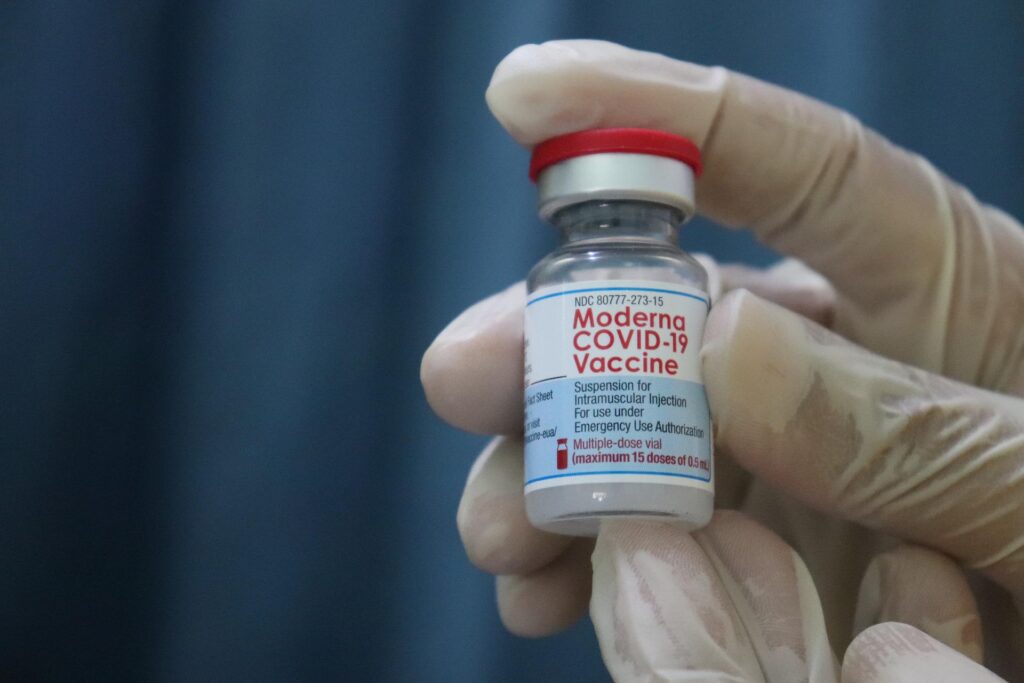
In recent days, the Food and Drug Administration (FDA) and the Centers for Disease Control and Prevention (CDC) have made the decision to give the green light to the COVID-19 vaccine for children under 5 years of age, from six months of age, from the pharmaceutical companies Moderna and Pfizer BioNTech, which will allow for strengthening the protection of the entire community against the disease that has claimed millions of lives around the world.

This was stated by doctors and experts in the field, who in a session with the media conducted by Ethnic Media Services explained that although there are parents who are excited about the news, others still have doubts because they are unaware of much of the information about the vaccine.

“Vaccinating our children helps us all – it protects older adults in the community, those who cannot get vaccinated, those who have compromised immune systems, and the rest of the community,” said Jennifer Miller, a pediatrician at East Bay Pediatrics.

The COVID-19 vaccine not only protects communities, but also ensures that, in the event of contracting the disease, complications are less severe, thus reducing the chances of being hospitalized, having multisystem inflammatory syndrome, and even death.

California Department of Public Health Director Lucia Abascal recommended taking children to get vaccinated, as in addition to reducing COVID-19 complications, the action also allows for community-wide immunity, and the vaccines work better against new variants compared to natural immunity.

For her part, obstetrician-gynecologist and mother Sarah Takekahua can't wait to get vaccinated against COVID-19 and thus protect her entire family. However, if there is a new wave of the disease and she tests positive for an antigen test, she will have to wait a few days.

On the other hand, she mentioned that her daughters, who are under 5 years old, are excited to receive the inoculation. “We teach our children that they are not only protecting themselves, but that they can protect the community.”

“Maybe I have one perspective, but as a mother of young children and also as a doctor, we have chosen to send our daughter to a kindergarten where there are vaccine mandates, so that she can focus solely on her education and not worry about who has a mask or not and feel safe,” Takekahua said.

What you should know about the COVID-19 vaccine for children under 5 years old

Which vaccine to choose and why? Which is safer or more effective? These are some of the questions that parents ask when they receive the news of the approval of the inoculation for children under 5 years of age. However, the Moderna and Pfizer BioNTech vaccines are both safe and effective, although they have some differences, experts said.

The Pfizer vaccine dose is lower than Moderna's, however, there are no differences in the side effects between them, and the CDC recommends both vaccines equally.

As for the doses of both vaccines, Moderna will have two doses with a space of one month between each one, however, it is expected to have a booster. On the other hand, Pfizer will have three administrations with a space of 21 days for the second dose and 60 days for the third.

A life decision

The age group between 6 months and 5 years has been the last to be approved to receive the COVID-19 inoculation and despite having waited almost a year and a half for this to happen, some parents are still hesitant to apply the inoculation to their children, however, Jennifer Miller commented that "children and adolescents need to get their lives back."

Since the beginning of the pandemic, people's way of life has changed dramatically and although activities have gradually resumed, there are children who only know half of their classmates' faces due to the use of masks, and there are even those who have seen their mental health compromised due to the sudden changes brought about by COVID-19.

Where to get the vaccine in California

Approximately 2.2 million children under the age of 5 in California will be eligible for the vaccine, and there are more than 8,500 providers who are part of the COVID-19 vaccination program.

Health authorities have recommended that parents go to their pediatricians – if they have medical service – to schedule an appointment for the application of the COVID-19 vaccine, however, information about vaccine providers can also be obtained at https://myturn.ca.gov/.

You may be interested in: San Mateo County prepares COVID-19 vaccination for children under 5 years old

Redwood City police seek sexual assault suspect

Redwood City police seek sexual assault suspect
The San Mateo County Calif. Sheriff Department logo. seal badge (Photo courtesy of the San Mateo County Sheriff)

The San Mateo County Sheriff's Office is asking for the public's help in identifying a suspect in a sexual assault and robbery that occurred in downtown Redwood City early Sunday morning.

That's after a woman was walking home at 2 a.m. in the 2300 block of Bay Road when a man approached her with his penis out, the police report said.

After refusing his requests for her to go home with him, she said she called a friend and tried to walk away. Still on the call with her friend, the man ran up to her, touched her private parts and took her cell phone.

Police describe the suspect as a Hispanic man, 5 feet 6 inches tall and in his early 20s. He was wearing a gray shirt and blue jeans, had a “faded” haircut and spoke without an accent, the woman said.

Authorities are urging anyone with additional information to contact the San Mateo County Sheriff's Office's anonymous tip line at 1-800-547-2700.

With information from Bay City News

You may be interested in: Local news summary June 20 - 25

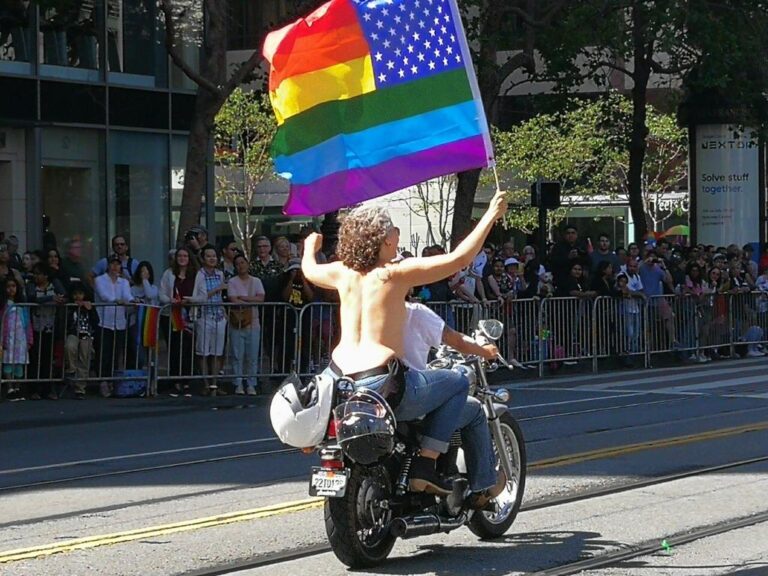
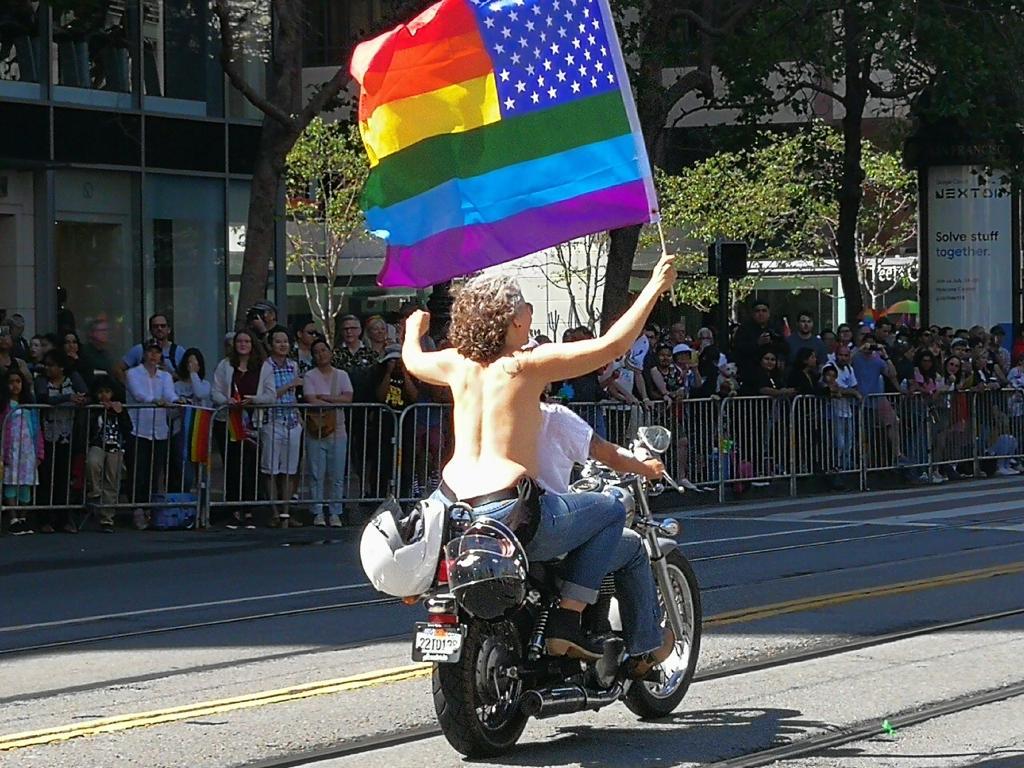
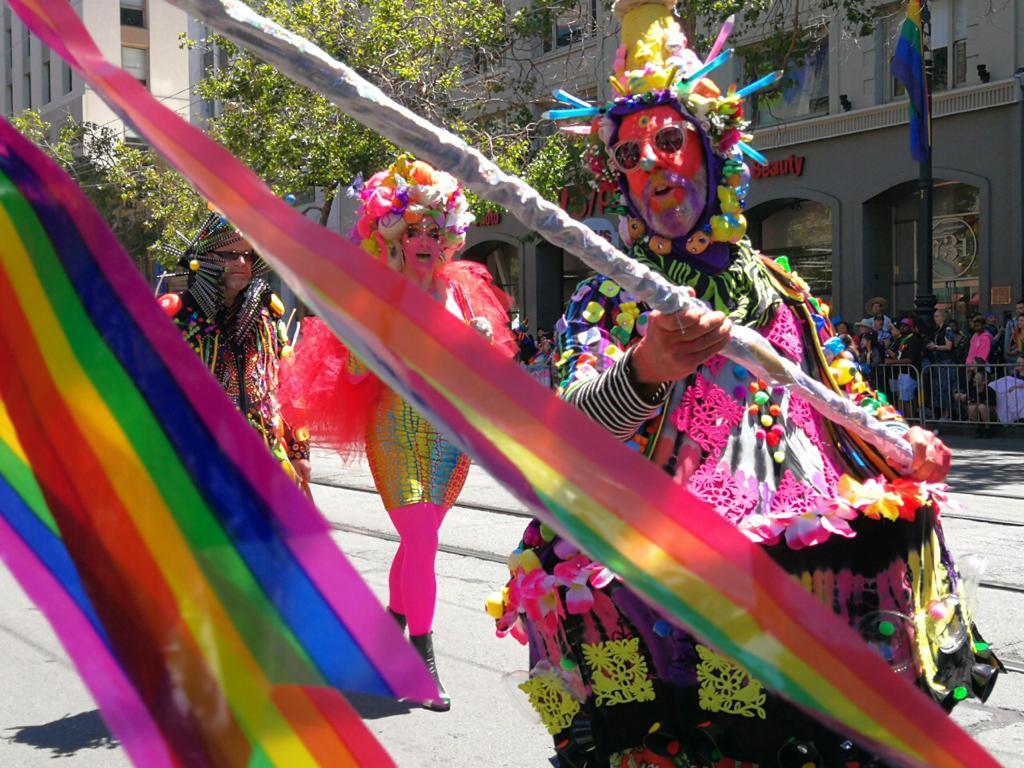
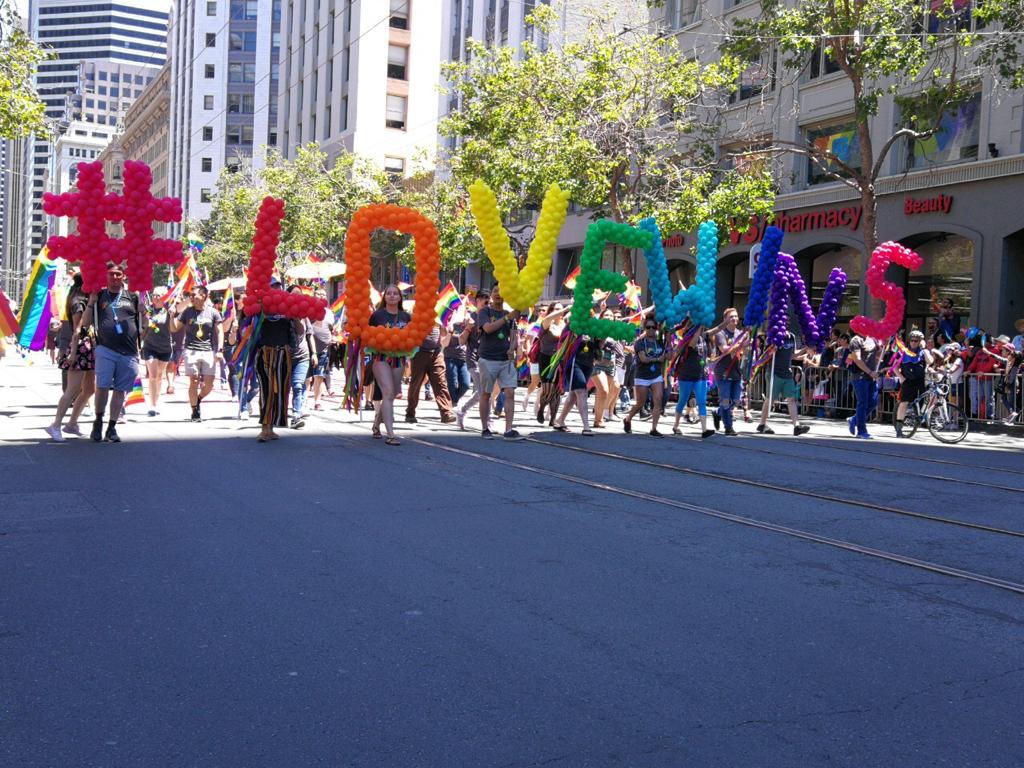
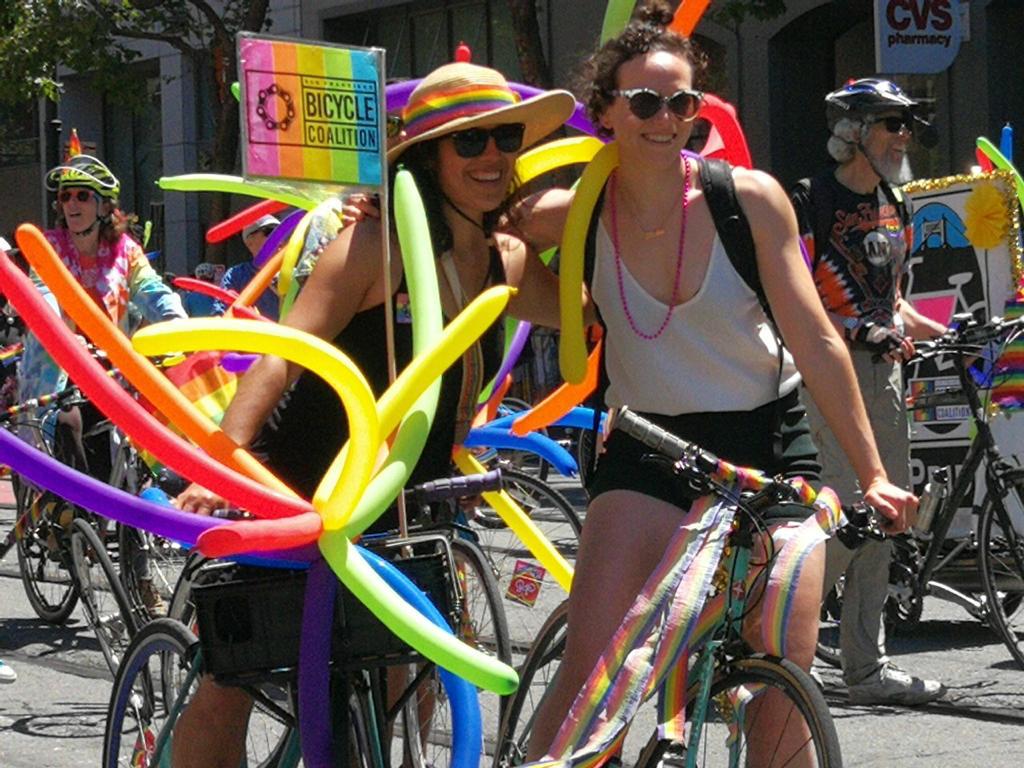
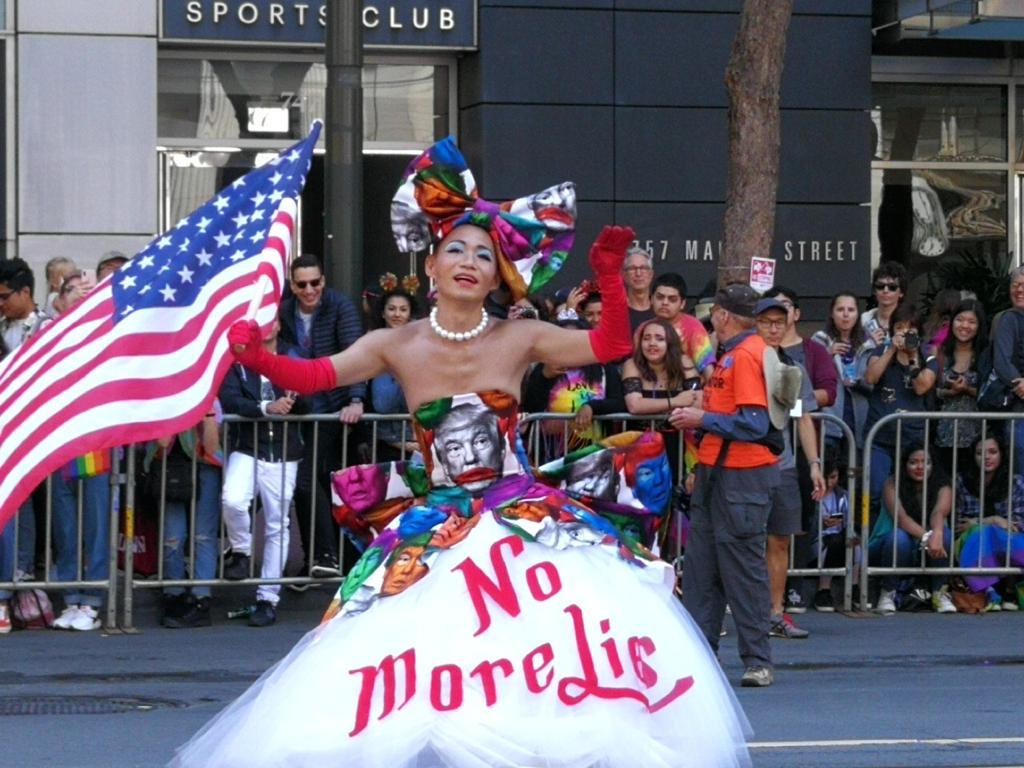
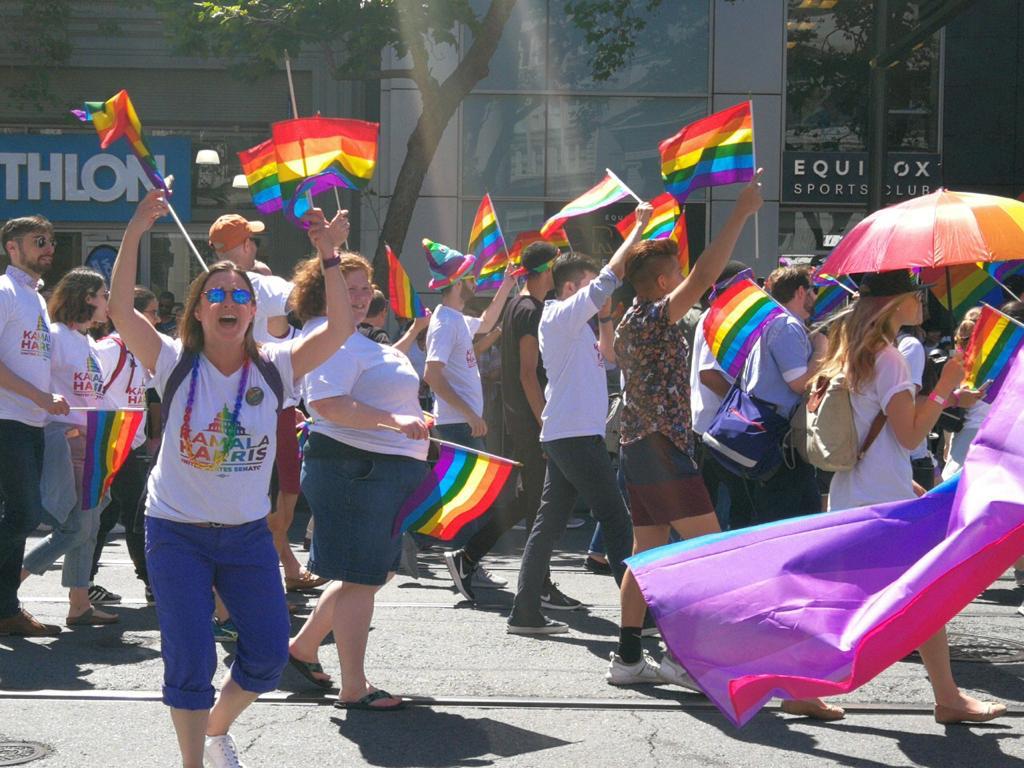
Full of color, the LGBTQ+ pride flag will fly celebratory this weekend

LGBTQ+ pride flag
Photo: Pamela Cruz P360P
Listen to Constanza Mazzotti's voice note

Con 40 años de historia, la bandera del orgullo LGBTQ+, con los colores del arcoíris, está más viva que nunca, buscando que todos aquellos que han sido reprimidos o que han sido atormentados por ser quienes son se sientan en libertad y con pleno reconocimiento de sus derechos, y este fin de semana ondeará celebrante en diversas partes del mundo con mucho orgullo.

El lienzo que busca abrazar a todos ha cambiado a lo largo del tiempo. Ondeó por primera vez el 25 de junio de 1978 en el cielo de la ciudad de San Francisco, luego de que fuera encargada por Harvey Milk, el primer hombre abiertamente homosexual en ser elegido para un cargo público en Estados Unidos, a Gilbert Baker, un artista y exsoldado que trabajaba como «drag queen».

Photo: Pamela Cruz P360P

En la década de los 70 todo era convulso en Estados Unidos, recién terminaba la Guerra de Vietnam, Nixon renunciaba como presidente, y el país celebraba dos siglos de independencia. Pero, en medio de todo ello, la comunidad LGBTI ‒lesbianas, gays, personas trans, bisexuales e intersexuales‒, deseosa de dejar estar encerrada en un «closet», iniciaba un movimiento que le permitiera hacerse visible, tomando como estandarte los colores de un arcoíris capaz de abrazar a todos. 

Photo: Pamela Cruz P360P

El primer diseño de Baker tenía ocho franjas de colores, las cuales estaban inspiradas en las bandas que tiene la bandera estadounidense y en los colores del arcoíris, ese último detalle debido a la inpiración de uno de los más grandes íconos de la comunidad LGBTI en ese momento, Judy Garland, quien, en uno de sus más emblemáticos personajes, Dorothy en «El mago de Oz», entonaba «Somewhere over the rainbow» ‒En algún lugar más allá del arcoíris‒.

8 colors, 8 meanings

El diseño de Baker incluía el color rosa, el cual simbolizaba la sexualidad; rojo, la vida; naranja, salud; amarillo, la luz del sol; verde, naturaleza; turquesa, la magia; azul, la paz; y violeta, el espíritu.

30 voluntarios participaron para la creación del estandarte, todos ellos reunidos en el ático del Centro Gay comunitario en el 330 de la calle Grove, en San Francisco. 

Photo: Pamela Cruz P360P

Ahí, tiñeron las franjas de algodón una a una con colorantes naturales para luego unirlas con hilo y aguja y finalmente plancharla.

Con el tiempo, esas ocho franjas pasaron de ocho a seis, pero Milk no pudo ver el diseño final, ya que el miembro de la Junta de Supervisores de San Francisco, junto al alcalde George Moscone, fue asesinado por Dan White, otro supervisor de la ciudad que había dimitido recientemente y quería recuperar su cargo.

Además de la bandera arcoíris, han surgido otras, propias de comunidades específicas, tal es el caso de la del orgullo lésbico, con colores que van desde los rosas a tonalidades más fuertes y, aunque no cuenta con un diseño en específico, sí ha incluido símbolos astronómicos como el de Venus, un triángulo negro invertido y un hacha de doble filo al centro.

Photo: Pamela Cruz P360P

La bandera de orgullo trans fue creada en 1999 por la diseñadora Mónica Helms utilizándola por primera vez en la Marcha del orgullo de Phoenix, Arizona. Los colores característicos son de color pastel, el azul, el rosa y el blanco.

En el caso de la bandera de orgullo Queer, no binaria, se ha bañado de los colores morado, blanco y verde. Fue creada por la diseñadora Marilyn Roxie en 2019 y abarca a quienes no se identifican con algún género representando, también a géneros binarios y a la neutralidad.

La bandera del orgullo pansexual e intersexual cuenta con un fondo amarillo y un círculo morado en el centro, fue creada por la asociación Derechos Humanos de Personas Intersexuales de Australia en 2013. 

Photo: Pamela Cruz P360P

En tanto, la bandera de orgullo bisexual diseñada por Michael Page en 1998, consta de tres franjas: fucsia, lavanda y azul. En palabras del diseñador, el orden y color de las franjas representa a las personas que se sienten atraídas por su mismo sexo, mientras que la última identifica a aquellas que se sienten atraídas por el sexo opuesto y la de en medio a los bisexuales.

The asexual pride flag is characterized by the color black symbolizing asexual people, gray representing the different levels of sexual desire and white allies, while purple represents the sexually diverse community.

Estandarte y expresión de libertad en marcha

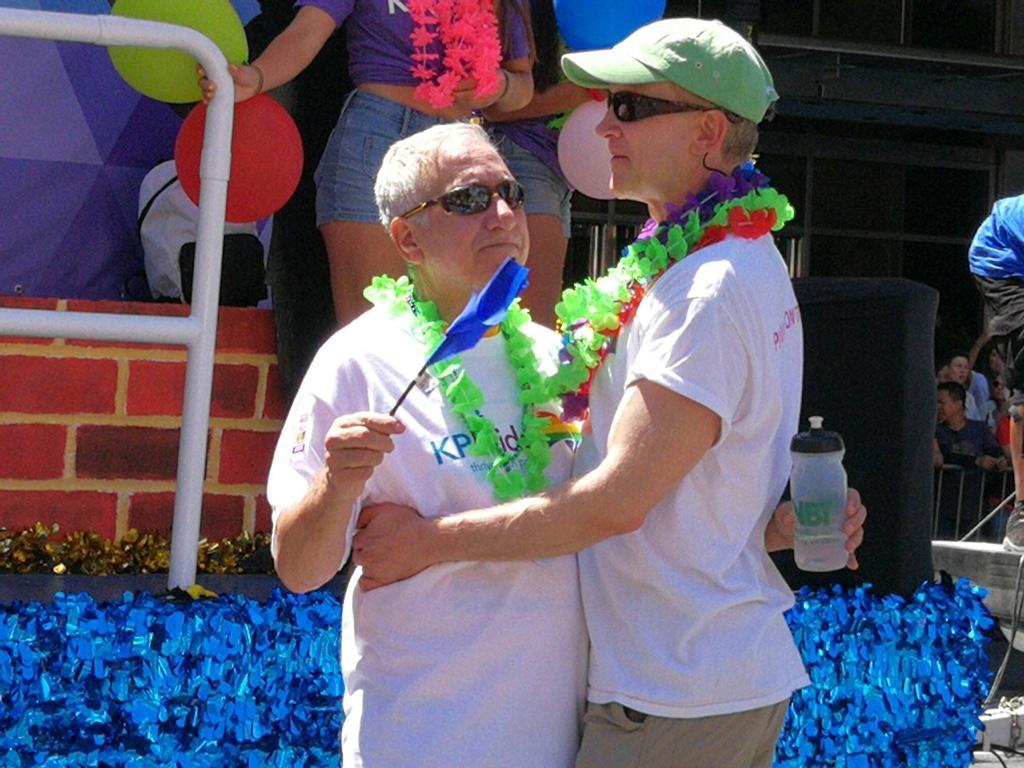
Con colores llamativos que van desde los amarillos brillantes hasta los estrambóticos rosas, los desfiles de la marcha de orgullo LGBTQ+ representan, desde su dramático inicio, una expresión de libertad.

San Francisco Pride March, una de las más esperadas, se celebrará este último fin de semana de junio con la temática de «Love Will Keep Us Together» ‒El amor nos mantendrá unidos‒.

Dicha celebración nace en San Francisco en 1970 como el «Orgullo de San Francisco» y cada año ha tenido distintas temáticas con el interés de simbolizar la libertad de las personas por expresar de manera abierta su identidad sexual.

Photo: Pamela Cruz P360P

El desfile ofrece la oportunidad de que los grupos LGBTIQ+ disfruten de su libertad en las calles de la ciudad dando a conocerse y difundiendo sus creencias y alianzas de manera pública.

Los días de las celebraciones este año serán el 25 y 26 de junio, sin embargo, su punto más álgido será en el desfile del domingo por la mañana. 

La marcha partirá de Beale Street e irá a lo largo de Market para terminar en la esquina con la calle 8, en el corazón del centro de San Francisco.

Para dicha celebración se espera que se prepararen cerca de 200 contingentes y expositores con escenarios coloridos y locales de la comunidad LGBTTTIQ+.

You may be interested in: Harvey Milk: the echo of his fight for LGBT+ rights continues to echo loudly